

Peroneals: What Patients Need to Know

The peroneal muscles and tendons help stabilize the ankle and support foot movement. Pain on the outer side of the ankle or foot may come from peroneal tendonitis, a tendon tear, or tendon subluxation.
Key Takeaways
- The peroneal muscles and tendons help stabilize the ankle and support foot movement.
- Pain on the outer side of the ankle or foot may come from peroneal tendonitis, a tendon tear, or tendon subluxation.
- Overuse, ankle sprains, poor footwear, and foot shape can increase the risk of peroneal problems.
- Diagnosis usually involves a physical exam and may include ultrasound or MRI when symptoms persist.
- Most cases improve with rest, activity changes, physical therapy, and supportive treatment, while surgery is reserved for selected injuries.
Peroneals are the muscles and tendons along the outer side of the lower leg and ankle that help steady the foot during walking, running, and balancing. When people mention pain in the "peroneals," they are usually referring to irritation, strain, or injury of the peroneal tendons near the outer ankle.
Overview: what the peroneals are and why they matter
The term peroneals usually refers to the peroneus longus and peroneus brevis muscles and their tendons. These structures run along the outer part of the lower leg, pass behind the bony bump on the outside of the ankle, and attach into the foot. Their main job is to help turn the foot outward, support balance, and stabilize the ankle during standing, walking, and sports.
Because the peroneal tendons work hard every time the foot lands and pushes off, they can become irritated or injured. People may notice pain, swelling, weakness, a feeling of instability, or discomfort that gets worse with activity. These symptoms are often grouped under terms such as peroneal tendonitis, tendinopathy, tendon tear, or tendon subluxation, depending on the exact problem.
Peroneal symptoms can overlap with other causes of outer ankle pain, including a simple ankle sprain, arthritis, fractures, and nerve irritation. That is why evaluation focuses not only on where the pain is felt, but also on how the injury happened, what movements trigger symptoms, and whether the ankle feels weak or gives way.
How peroneal problems feel
Peroneal tendon problems often cause pain along the outer side of the ankle or the outside of the foot. The discomfort may begin gradually after increased walking, running, jumping, or uneven-ground activity, or it may start suddenly after an ankle twist. Some people describe aching, burning, or sharp pain behind the outer ankle bone.
Other common symptoms include swelling, tenderness to touch, stiffness, and pain when pushing off the foot or turning it outward. In more significant injuries, there may be a snapping sensation around the ankle, weakness, or a feeling that the ankle is unstable. Symptoms can be worse after exercise and ease somewhat with rest.
Signs that may suggest a more specific peroneal condition include:
- Tendonitis or tendinopathy: gradual pain with activity, mild swelling, and tenderness along the tendon
- Tendon tear: persistent pain, weakness, swelling, and difficulty returning to normal activity
- Tendon subluxation: a popping or snapping feeling behind the outer ankle bone, often after a twisting injury
- Associated ankle instability: repeated sprains or the sensation that the ankle may give way
Causes and risk factors

Peroneal problems most often happen because of overuse or an ankle injury. Repetitive stress from running, court sports, dancing, hiking, or work that involves long periods on the feet can irritate the tendons. A sudden inversion ankle sprain, in which the foot rolls inward, can also damage the peroneal tendons or the tissues that hold them in place.
Certain foot and ankle mechanics may increase strain on the peroneals. These include a high-arched foot, chronic ankle instability, tight calf muscles, and altered walking or running technique. Footwear that does not provide enough support, especially during exercise, can add to the load on the outer ankle.
Age-related tendon changes, previous ankle injuries, and rapid increases in training intensity are additional risk factors. Sometimes peroneal symptoms occur alongside other conditions of the foot and ankle, such as ankle sprain or foot alignment problems. Identifying these contributing factors helps guide treatment and reduce the chance of symptoms returning.
How doctors diagnose peroneal injuries
Diagnosis begins with a medical history and physical examination. A doctor will ask when the pain started, whether there was a twisting injury, what activities make symptoms worse, and whether the ankle feels unstable or snaps. During the exam, the outer ankle and foot are checked for tenderness, swelling, weakness, range of motion, and signs of tendon movement out of place.
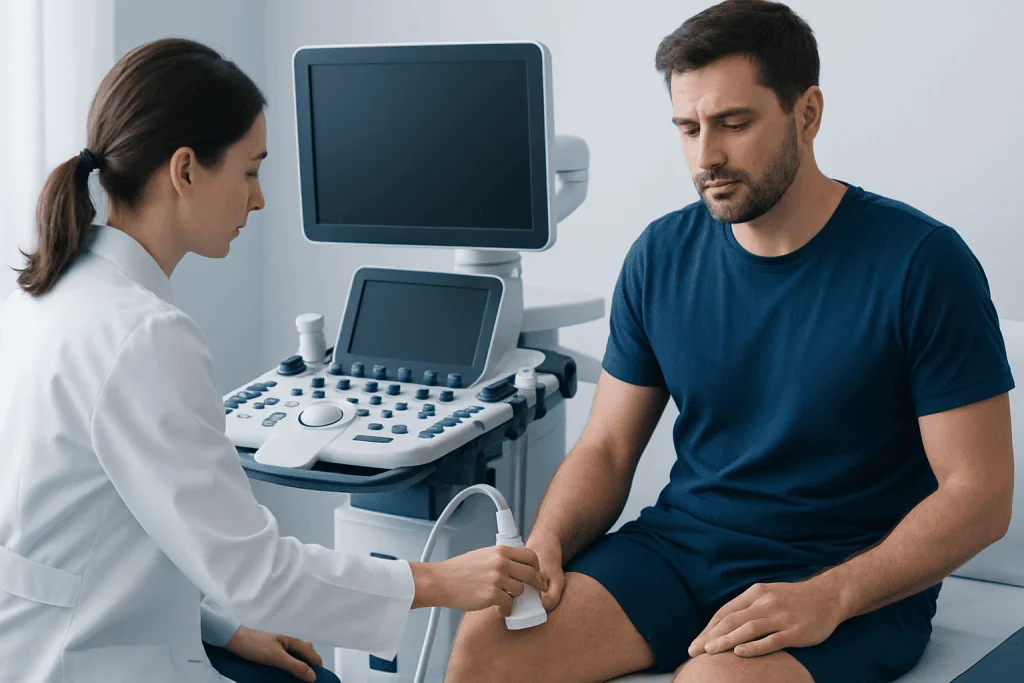
Imaging is not always needed right away, especially for mild, recent symptoms that are improving. However, it may be useful if pain is severe, if there is concern about a tear, if symptoms last despite conservative care, or if another injury is possible. Ultrasound can assess tendon movement and inflammation in real time, while MRI provides detailed images of tendon tears, surrounding soft tissue, and related ankle damage.
In some cases, X-rays are used to look for fractures, bone alignment issues, or arthritis. If symptoms involve multiple structures, the doctor may also consider related causes of outer ankle pain such as other tendon disorders or cartilage injury. Careful diagnosis is important because treatment can differ between overuse irritation, tearing, and instability.
Treatment options for peroneal pain and injury
Many peroneal problems improve with non-surgical treatment. Early care usually includes reducing aggravating activity, resting the ankle, applying ice, and using compression or elevation when swelling is present. Supportive shoes, ankle bracing, or a short period of immobilization in a boot may help calm symptoms and protect the tendons while healing begins.
Physical therapy is often a key part of recovery. Treatment may focus on restoring ankle motion, strengthening the peroneal muscles and surrounding lower-leg muscles, improving balance, and correcting movement patterns that overload the outer ankle. For some patients, custom orthotics or changes in footwear help reduce repeated strain on the tendon.
If symptoms continue or imaging shows a significant tear or tendon instability, specialist care is important. In selected cases, doctors may discuss procedures aimed at repairing damaged tissue or stabilizing the tendon. Depending on the underlying problem, care may involve orthopedic rehabilitation, advanced imaging such as MRI, or surgical management through orthopedics and traumatology. The right option depends on the severity of the injury, activity level, and response to conservative treatment.
Prevention and self-care
Preventing peroneal injuries usually centers on load management and ankle support. Increasing training gradually, warming up before exercise, and allowing enough recovery between high-impact sessions can lower the risk of overuse. People who have had prior ankle sprains may benefit from targeted balance and strengthening exercises to improve stability.
Well-fitting shoes that match the activity and provide adequate support are also helpful. If a person has a high arch, recurring ankle instability, or unusual foot mechanics, a clinician may recommend insoles or orthotics. Paying attention to pain that appears after longer runs, hill work, or uneven terrain can help people adjust activities before symptoms become more persistent.
At home, self-care for mild symptoms may include temporary rest from provoking activity, icing the area for short periods, and gentle stretching or mobility work if advised by a clinician. However, self-treatment should not replace professional assessment when pain is severe, recurring, or linked to a recent injury.
When to seek medical care
Medical care is appropriate if outer ankle or foot pain lasts more than a few days, keeps returning, or interferes with walking, exercise, or daily tasks. A clinician should also assess pain that begins after an ankle twist, especially if there is marked swelling, bruising, weakness, or a sensation of snapping behind the ankle.
Urgent evaluation is important if a person cannot bear weight, has significant deformity, numbness, rapidly increasing swelling, or severe pain after trauma. These signs can point to a fracture or a more serious tendon or ligament injury. Early assessment may shorten recovery by identifying the correct cause and treatment plan sooner.
For international patients who need specialized assessment, Acibadem International’s multidisciplinary specialists and JCI-accredited hospitals diagnose and treat foot and ankle conditions with imaging, rehabilitation, and orthopedic care when needed.
Frequently asked questions
What are the peroneals?
The peroneals are two muscles and their tendons located along the outer side of the lower leg and ankle. They help stabilize the ankle, turn the foot outward, and support balance during walking and sports.
Where is peroneal pain usually felt?
Peroneal pain is usually felt behind the outer ankle bone or along the outside of the foot. It may be worse during walking, running, climbing stairs, or pushing off the foot.
Is peroneal tendonitis the same as an ankle sprain?
No. An ankle sprain is an injury to the ligaments, while peroneal tendonitis affects the tendons that run along the outer ankle. The two can happen together, and their symptoms can overlap, so a proper exam may be helpful.
Can peroneal injuries heal without surgery?
Yes, many mild to moderate peroneal problems improve with rest, activity changes, bracing, physical therapy, and supportive footwear. Surgery is usually considered only when there is a significant tear, tendon instability, or persistent symptoms despite conservative treatment.
How long does recovery take?
Recovery time depends on the cause and severity of the injury. Mild irritation may improve over several weeks, while more complex tendon injuries or post-surgical recovery can take longer and often require guided rehabilitation.
When should someone see a doctor for peroneal pain?
A doctor should evaluate pain that does not improve, repeatedly returns, or follows an ankle injury. Prompt care is also important if there is difficulty bearing weight, major swelling, numbness, or a popping sensation with weakness.
References
- American Academy of Orthopaedic Surgeons
- American Orthopaedic Foot & Ankle Society
- National Institute of Arthritis and Musculoskeletal and Skin Diseases
- Mayo Clinic
- MedlinePlus
This article is for general information only and is not a substitute for professional medical advice. Please consult a qualified doctor about your individual situation.
Joint and spine care in Turkey — expert assessment & treatment
JCI-accredited · board-certified surgeons · reply within 24h
Add us as a Preferred Source to see more of our trusted health content across Google Search, AI Overviews and Discover.

More from the Health Library



Related Specialists

Dr. Hüseyin Çelik
Nephrology
Assoc. Prof. Dr. Işıl Yıldız
Radiology
Prof. Dr. Sezgin Sarban
Orthopedic Surgery & Traumatology
Assoc. Prof. Dr. Emrah Erdal
Cardiology