Personality Disorders: Diagnosis, Outlook, and Modern Treatment Approaches

Personality disorders involve persistent patterns of inner experience and behavior that differ from cultural expectations and cause impairment or distress. Diagnosis is based on a detailed psychiatric assessment, history, and the impact of symptoms over time rather than a single test.
Key Takeaways
- Personality disorders involve persistent patterns of inner experience and behavior that differ from cultural expectations and cause impairment or distress.
- Diagnosis is based on a detailed psychiatric assessment, history, and the impact of symptoms over time rather than a single test.
- Treatment often includes psychotherapy, skills-based support, and sometimes medication for related symptoms such as anxiety, depression, or impulsivity.
- Early recognition and consistent care can improve relationships, emotional regulation, and quality of life.
- Urgent medical help is needed if there are thoughts of self-harm, suicide, severe agitation, or risk of harm to others.
Personality disorders are mental health conditions marked by long-standing patterns of thinking, feeling, and behaving that can disrupt relationships, work, and daily functioning. With careful diagnosis and modern treatment, many people can reduce distress, improve stability, and build healthier ways of coping.
Overview
Personality disorders are a group of mental health conditions in which long-standing patterns of thinking, emotional response, self-image, and behavior make daily life harder. These patterns usually begin by adolescence or early adulthood, remain relatively stable over time, and can affect relationships, work, school, and general well-being. The condition is not a matter of “bad character” or lack of effort. It reflects complex interactions between temperament, early life experiences, environment, and mental health.
People with personality disorders may struggle with trust, emotional regulation, identity, impulse control, or understanding social situations. Symptoms can range from mild to severe, and many people also experience other mental health conditions at the same time, such as depression, anxiety, trauma-related symptoms, eating disorders, or substance misuse. Because symptoms can overlap, careful assessment is important.
Modern care focuses not only on naming the condition, but also on understanding how it affects the person’s life, strengths, coping patterns, and relationships. This more practical, individualized approach helps guide treatment and supports long-term improvement. Many people do better with structured therapy, supportive routines, and treatment plans that address both symptoms and daily functioning.
How personality disorders can appear
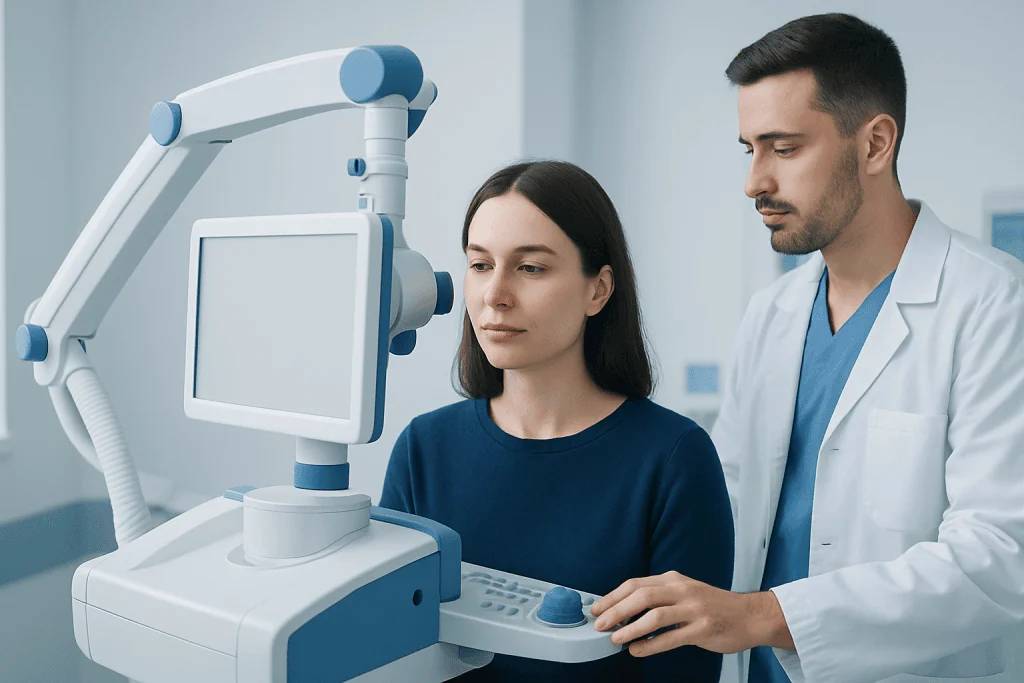
Personality disorders are generally grouped by common patterns, although each person’s experience is unique. Some people may appear unusually suspicious, detached, emotionally intense, impulsive, or highly perfectionistic. Others may have unstable relationships, deep fears of abandonment, difficulty empathizing, or a strong need for control. These patterns are more persistent and far-reaching than ordinary personality traits.
Common signs may include repeated conflict in relationships, rapidly changing moods, difficulty managing anger, impulsive choices, self-image that feels unstable, avoidance of closeness, or feeling chronically empty. Some people may seem outwardly successful while struggling internally with severe distress. Others may have trouble recognizing that their long-term patterns are part of a treatable mental health condition.
Personality disorders are not all the same. For example, borderline personality disorder often involves emotional intensity and unstable relationships, while obsessive-compulsive personality disorder may involve rigidity and perfectionism. Antisocial, avoidant, narcissistic, dependent, paranoid, schizoid, schizotypal, and histrionic patterns each have different features. In some cases, a doctor may also identify traits from more than one personality disorder rather than a single clear category.
- Patterns tend to be long-lasting rather than occasional
- Symptoms affect several areas of life, not just one setting
- Distress may be felt by the person, family, or both
- Related conditions can make the picture more complex
Causes and risk factors

There is no single cause of personality disorders. Most experts understand them as developing through a combination of biological vulnerability and life experiences. A person may be born with certain temperamental traits, such as high emotional sensitivity, impulsivity, social inhibition, or lower stress tolerance. These traits alone do not cause a disorder, but they may increase risk in certain circumstances.
Environmental factors can also play an important role. Adverse childhood experiences, chronic stress, inconsistent caregiving, neglect, trauma, or exposure to unstable relationships may affect how a person learns to regulate emotions, form attachments, and see themselves and others. Family patterns, culture, and social environment also shape personality over time.
Not everyone with risk factors develops a personality disorder, and not everyone with a personality disorder has a history of trauma. It is more accurate to think of these conditions as emerging from multiple influences rather than a single event. That is one reason treatment plans need to be individualized and respectful rather than judgmental.
How diagnosis is made
Diagnosis usually begins with a detailed mental health evaluation by a psychiatrist or psychologist. The clinician asks about symptoms, relationships, coping patterns, school or work history, family history, substance use, traumatic experiences, and any past mental health treatment. The goal is to understand whether long-term patterns are causing significant impairment or distress.
There is no blood test or brain scan that confirms personality disorders. Diagnosis is based on established psychiatric criteria, the duration of symptoms, and how consistently the patterns appear across different situations. Doctors also look for other conditions that may explain or worsen symptoms, such as mood disorders, attention-deficit/hyperactivity disorder, autism spectrum disorder, post-traumatic stress disorder, or substance-related problems.
Assessment may take time, especially if someone is in crisis or has several overlapping symptoms. A careful diagnosis can help avoid labeling temporary stress reactions as a personality disorder. When needed, specialists may use structured interviews or questionnaires, along with broader psychiatric evaluation through psychiatric assessment and treatment to create a clearer picture and plan next steps.
Because symptoms can be influenced by trauma, doctors may also assess related conditions such as depression or anxiety, since these often affect mood, behavior, sleep, and concentration. A good evaluation aims to identify what is treatable now while also addressing the longer-term patterns that keep recurring.
Modern treatment approaches
Treatment for personality disorders is usually centered on psychotherapy. Different forms of therapy can help people understand their patterns, regulate emotions, improve relationships, and develop healthier responses to stress. Depending on the person’s needs, clinicians may recommend structured individual therapy, group therapy, family involvement, or a combination of these approaches.
Several evidence-based therapies may be used. Skills-based treatment can help with distress tolerance, emotion regulation, and interpersonal effectiveness. Other approaches may focus on identity, attachment, trauma, thinking patterns, and recurring relationship difficulties. For many people, progress comes gradually through regular sessions, practical skill-building, and consistency rather than a quick fix.
Medication does not cure personality disorders, but it may help with specific symptoms or coexisting conditions such as anxiety, depression, insomnia, severe mood instability, or impulsivity. Doctors choose medicines carefully and review them regularly. Treatment may also include crisis planning, support for substance use problems, and coordinated care if self-harm risk or repeated hospital visits are part of the picture.
In some situations, comprehensive care may involve clinical psychology support together with psychiatric follow-up and, when trauma is a major factor, treatment planning similar to care used for post-traumatic stress disorder. Near the end of the care journey, some international patients may seek evaluation at centers such as Acibadem International, where multidisciplinary specialists in JCI-accredited hospitals assess and treat complex mental health conditions.
Outlook and living with the condition
The outlook for personality disorders varies, but improvement is possible. Many people experience fewer symptoms over time, especially when they engage consistently in treatment and receive support for related conditions. Better emotional awareness, more stable relationships, and improved daily functioning often develop gradually rather than all at once.
Recovery does not always mean that personality traits disappear completely. Instead, it often means that the person can recognize triggers, manage intense feelings more safely, communicate more effectively, and make choices that are less damaging to themselves or others. Progress may include fewer crises, improved work or school stability, and a stronger sense of identity and purpose.
Family members and loved ones can play a helpful role when they learn about boundaries, communication, and realistic expectations. Supportive involvement tends to work best when it encourages treatment, safety, and respect rather than blame. For some people, keeping a steady routine, avoiding alcohol or recreational drugs, and addressing sleep problems can also reduce day-to-day instability.
Self-care and when to seek medical care
Self-care can support treatment but should not replace professional help. Useful steps may include attending therapy regularly, taking prescribed medication as directed, maintaining sleep and meal routines, reducing substance use, and practicing stress-management skills learned in therapy. Journaling, structured exercise, and trusted social support may also help some people notice patterns and respond earlier to triggers.
It is important to seek medical care if long-term emotional or behavioral patterns are harming relationships, work, school, or personal safety. A mental health professional should also be consulted if symptoms seem to be worsening, if there are repeated crises, or if another condition such as severe anxiety, depression, trauma symptoms, or substance misuse may be present. Early care can make treatment more effective and reduce unnecessary distress.
Urgent help is needed if there are thoughts of suicide, self-harm, aggression, severe agitation, inability to care for basic needs, or a risk of harm to others. In these situations, emergency services or immediate psychiatric care should be sought without delay. If symptoms include intense low mood or hopelessness, evaluation for related conditions such as bipolar disorder or major depression may also be appropriate.
Frequently asked questions
What are personality disorders?
Personality disorders are mental health conditions involving long-standing patterns of thinking, feeling, and behaving that can disrupt relationships and daily life. These patterns are usually persistent and differ from what is generally expected in the person’s cultural context.
Can personality disorders be treated?
Yes. Many people improve with structured psychotherapy, support for related mental health conditions, and consistent follow-up. Treatment often focuses on emotional regulation, relationships, coping skills, and safety rather than a single medication-based solution.
How are personality disorders diagnosed?
Diagnosis is made through a detailed mental health assessment, not a single laboratory test or scan. Clinicians look at symptom patterns over time, the effect on work and relationships, and whether another condition could better explain the symptoms.
Are personality disorders caused by trauma?
Trauma can be an important risk factor for some people, but it is not the only cause. Personality disorders usually develop through a combination of temperament, biology, early experiences, relationships, and environment.
Do medications help personality disorders?
Medication may help certain symptoms such as anxiety, depression, insomnia, or impulsivity, especially when another mental health condition is also present. However, medication alone is usually not the main treatment for personality disorders.
When should someone seek urgent help?
Urgent medical care is needed if there are thoughts of suicide, self-harm, violent behavior, severe agitation, or inability to stay safe. Emergency evaluation is also important if a person cannot care for basic needs or appears to be at risk of harming others.
References
- American Psychiatric Association
- National Institute of Mental Health
- World Health Organization
- National Health Service
- Cleveland Clinic
This article is for general information only and is not a substitute for professional medical advice. Please consult a qualified doctor about your individual situation.
Explore treatments in Turkey — costs, top hospitals & a free quote
JCI-accredited · board-certified surgeons · reply within 24h
Add us as a Preferred Source to see more of our trusted health content across Google Search, AI Overviews and Discover.