PET Scan and Ovarian Cancer: Preparation, Procedure and Results
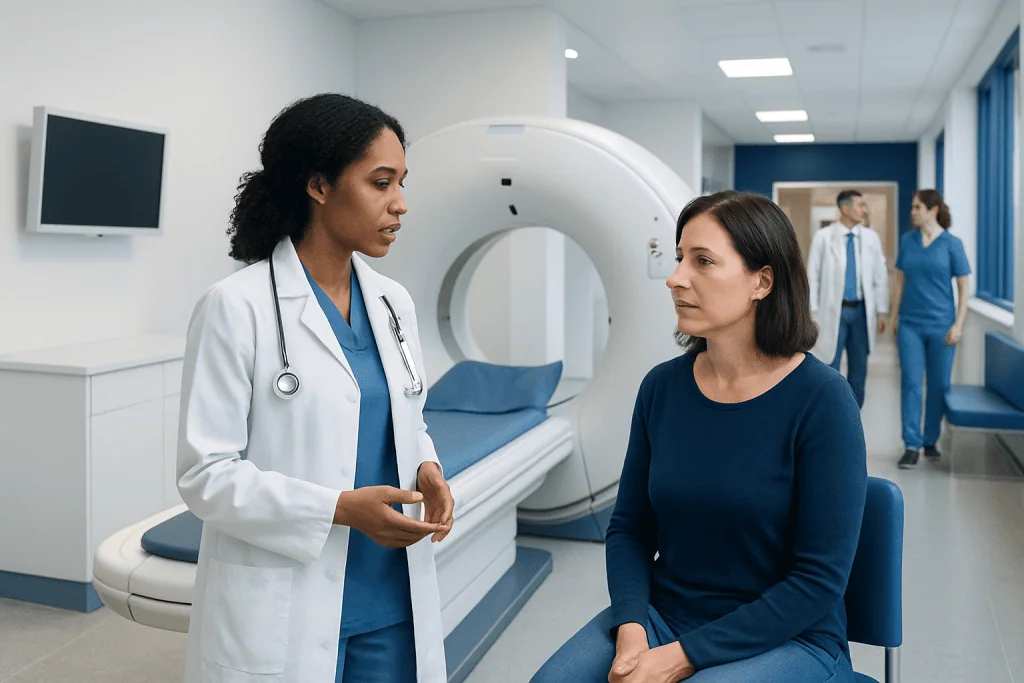
PET-CT combines metabolic imaging with detailed anatomical images and may be useful when ovarian cancer recurrence or spread is suspected. A PET scan cannot diagnose ovarian cancer or determine its stage on its own; tissue testing and surgical findings may still be needed.
Key Takeaways
- PET-CT combines metabolic imaging with detailed anatomical images and may be useful when ovarian cancer recurrence or spread is suspected.
- A PET scan cannot diagnose ovarian cancer or determine its stage on its own; tissue testing and surgical findings may still be needed.
- Preparation often includes fasting, keeping warm and resting before the scan so body tissues use the tracer more predictably.
- Most people can return to normal activities after a PET scan, although hydration and brief radiation-safety precautions may be advised.
- New or worsening abdominal swelling, persistent pelvic symptoms, unexpected weight loss or breathlessness should be assessed by a clinician promptly.
A PET scan and ovarian cancer assessment may help doctors identify areas of active disease, particularly when recurrence or spread is suspected. It is usually one part of a wider evaluation that includes symptoms, examination, blood tests, CT or MRI, and sometimes surgery or biopsy.
PET Scan and Ovarian Cancer: An Overview
A PET scan and ovarian cancer evaluation are often considered when doctors need more information about whether cancer may be active beyond the ovary, has returned after treatment, or could be affecting lymph nodes or other organs. PET is commonly performed together with CT as a PET-CT scan. The CT shows body structures, while the PET portion highlights areas that are using more of a small amount of injected radioactive glucose-like tracer.
Many cancers use glucose more actively than surrounding tissues, so they may appear as areas of increased tracer uptake. However, uptake is not specific to cancer. Infection, inflammation, healing tissue and some normal organs can also appear active. For this reason, a PET-CT result is interpreted by an experienced radiologist or nuclear medicine physician alongside the person’s history, examination, CA-125 or other laboratory results, and other imaging.
PET-CT is not usually the first test used to investigate possible ovarian cancer. Pelvic ultrasound, CT, MRI and blood tests are often more appropriate early investigations. It may be particularly valuable in selected cases of ovarian cancer, including when standard imaging does not fully explain concerning symptoms or a rising tumor marker.
How PET-CT Works and When It May Be Recommended
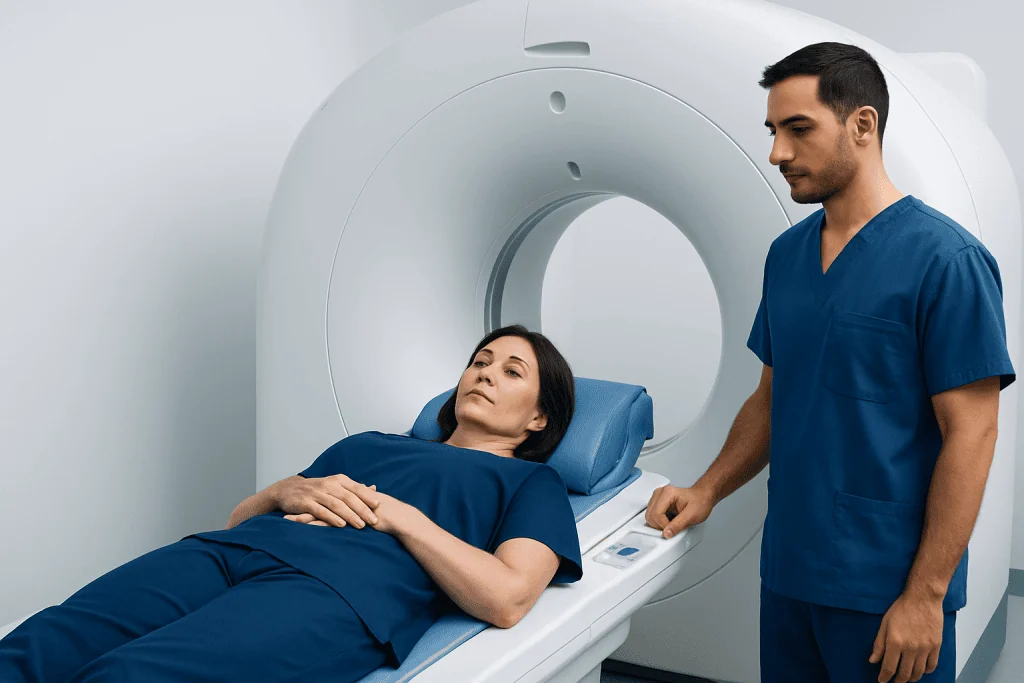
Before imaging, a radiotracer called fluorodeoxyglucose (FDG) is injected into a vein. FDG behaves similarly to glucose. After time for the tracer to circulate, the PET scanner detects the small signals it emits and creates a map of tracer uptake. A CT scan performed during the same appointment helps locate any uptake precisely within the body.
Doctors may recommend PET-CT when they need to clarify a possible recurrence, evaluate uncertain findings on CT or MRI, look for disease outside the pelvis, or help plan surgery, radiotherapy or systemic treatment. It can sometimes help distinguish active tumor from scar tissue after treatment, although it cannot do so with complete certainty.
PET-CT may be less useful for very small tumor deposits, some slow-growing or low-grade tumors, and certain tumor types that do not take up much FDG. Normal activity in the bowel, urinary system and reproductive tissues can also make pelvic interpretation more complex. The clinical team will decide whether the likely information gained outweighs these limitations.
- It may support assessment of suspected recurrence.
- It can help identify possible lymph node or distant involvement.
- It may contribute to treatment planning when findings could change management.
- It does not replace pathology, surgical assessment or other recommended imaging.
Preparing for a PET Scan for Ovarian Cancer

The imaging center will provide individual instructions, which should be followed carefully. Many PET-CT examinations require fasting for several hours beforehand, often with plain water allowed. Eating, drinking sweetened beverages, chewing gum or exercising vigorously shortly before the test can change glucose use in the body and affect image quality.
People with diabetes need tailored preparation because blood glucose levels can influence FDG uptake. They should tell the team about diabetes medicines, insulin use, pregnancy, breastfeeding, kidney problems, allergies, recent infection, fever, surgery, vaccination and current treatments. The scan may need to be scheduled or prepared differently to obtain reliable images.
Comfortable clothing without metal fasteners may be helpful, although a gown may be provided. It is also sensible to bring prior scan reports or images if the hospital has requested them. Patients should not stop prescribed medicines unless their doctor or imaging team specifically instructs them to do so.
What Happens During the Procedure and Recovery Timeline
On arrival, staff confirm medical details and may check blood glucose. A small intravenous cannula is placed, and the FDG tracer is injected. The injection itself is similar to a routine blood test. The person then rests quietly, usually for about an hour, while the tracer distributes through the body. Remaining relaxed, warm and still helps reduce uptake in muscles and brown fat.
For the scan, the person lies on a padded table that moves slowly through the scanner. It is important to stay as still as possible. The scanner is open at both ends and does not usually cause pain. The imaging part often takes around 20 to 40 minutes, though total appointment time is longer because of preparation and the uptake period. Some PET-CT studies use contrast for the CT portion; if so, the team will explain any additional preparation and possible sensations.
Most people leave shortly after the examination and can resume usual daily activities. Drinking extra water, unless fluid intake is restricted for another medical reason, can help the body clear the tracer through urine. The radiotracer loses activity quickly, but the imaging team may advise avoiding prolonged close contact with pregnant people, infants or young children for several hours after the scan.
Results are not generally given immediately because the images require careful review. The requesting doctor will explain what the findings mean in the context of the wider cancer assessment and whether further tests or follow-up are needed.
Would Ovarian Cancer Show Up on a PET Scan?
Ovarian cancer can show up on a PET scan when tumor cells take up enough FDG to be detected, but not every ovarian cancer or every cancer deposit will be visible. PET-CT can be especially helpful for finding areas that may represent recurrent disease or disease outside the pelvis. It is not sufficiently reliable to rule out ovarian cancer when the scan is normal.
Some benign conditions can also produce increased uptake. Endometriosis, inflammation, infection, fibroids, recent surgery and normal bowel or urinary activity may sometimes resemble cancer on PET imaging. Conversely, small lesions or less metabolically active tumors may not show strong uptake.
If a scan identifies a suspicious area, doctors may recommend comparison with CT, MRI or ultrasound, repeat imaging, blood tests, or a biopsy when it is safe and would alter treatment decisions. A pathology result remains the most reliable way to confirm whether tissue is cancerous.
Can You Tell What Stage Cancer Is From a PET Scan?
A PET scan can provide information relevant to staging by showing possible cancer involvement in lymph nodes, the abdomen, chest or other areas. However, it cannot determine the stage of ovarian cancer by itself. Ovarian cancer staging is based on the full clinical picture, including imaging, pathology and, in many cases, what is found during surgery.
Small deposits on the lining of the abdomen can be difficult to detect with any imaging test, including PET-CT. During an operation, surgeons may inspect and sample areas that appear normal on scans. These findings can change the final stage and influence recommendations for treatment.
When ovarian cancer is confirmed, care is typically planned by a multidisciplinary team that may include gynecologic oncologists, medical oncologists, radiologists, pathologists, surgeons and specialist nurses. Depending on the situation, management may include ovarian cancer treatment with surgery, chemotherapy, targeted medicines or other approaches.
Why Do I Feel So Bad After a PET Scan?
Most people do not have significant side effects from the PET radiotracer itself. Feeling unwell after a PET scan may be related to fasting, dehydration, anxiety, lying still for a long appointment, fatigue from an underlying illness, or contrast material used for the CT portion. Headache, lightheadedness or nausea may improve with rest, food and fluids after the scan if these are appropriate for the individual.
People receiving cancer treatment may already feel tired or unwell, and the demands of travel and the appointment can add to this. A PET scan does not generally cause the prolonged whole-body symptoms associated with chemotherapy or radiotherapy. If symptoms are severe, persistent or unexpected, medical advice is important rather than assuming they are caused by the scan.
Urgent assessment is needed for symptoms such as difficulty breathing, swelling of the face or throat, widespread rash, severe chest pain, fainting, or ongoing vomiting, particularly if iodinated CT contrast was used. These reactions are uncommon, but imaging staff should be informed promptly if they occur.
What Can I Not Do After a PET Scan?
After most PET scans, there are few activity restrictions. People can usually eat, drink, drive and return to work or normal routines unless they have been given sedation, have another procedure planned, or feel unwell. Drinking water and emptying the bladder regularly can help eliminate the tracer.
For a short period, the team may recommend limiting prolonged, close physical contact with babies, young children and pregnant people. Normal brief contact is generally manageable, but the exact advice depends on the tracer and local safety protocols. Good hand hygiene after using the toilet is also important during the first hours after the examination.
If CT contrast was used, the clinician may provide additional instructions, especially for people with kidney disease or those taking certain medicines. Patients should contact the imaging department if they develop a delayed rash, itching or other concerning symptoms after contrast administration.
When to Seek Medical Care
A PET scan is generally arranged by a healthcare professional rather than requested as a stand-alone screening test. Anyone with persistent abdominal bloating, pelvic or abdominal pain, feeling full quickly, changes in urinary habits, unexplained fatigue or unintentional weight loss should arrange a medical review. These symptoms are common and often have non-cancer causes, but persistent or worsening symptoms deserve assessment.
People previously treated for ovarian cancer should contact their oncology team if they develop new symptoms, a noticeable change in their health, or concerns between scheduled follow-up appointments. Sudden severe abdominal pain, marked breathlessness, chest pain, confusion, fainting or uncontrolled vomiting requires urgent medical attention.
Acibadem International’s multidisciplinary specialists and JCI-accredited hospitals support international patients undergoing evaluation and treatment for ovarian cancer. The team can explain whether PET-CT, other imaging, surgery or systemic treatment is appropriate based on the person’s individual findings.
Frequently asked questions
Is a PET scan painful?
A PET scan is usually not painful. The tracer injection may cause a brief pinch, and lying still on the scanning table can be uncomfortable for some people. Staff can help with positioning and explain how to communicate if assistance is needed.
How long does a PET scan for ovarian cancer take?
The total visit commonly takes a few hours because time is needed for check-in, tracer injection, a quiet uptake period and scanning. The actual scan often takes less than an hour. Timing varies according to the type of PET-CT study and whether CT contrast is used.
Do I need to fast before a PET scan?
Many FDG PET scans require fasting for several hours beforehand, usually with plain water permitted. Fasting helps improve image quality by making tracer uptake more predictable. The imaging department will provide exact instructions, especially for people with diabetes.
Can a PET scan detect ovarian cancer recurrence?
PET-CT may help detect possible recurrence, particularly if symptoms, a rising CA-125 level or another scan raises concern. It can identify areas of increased metabolic activity, but these findings are not always cancer. Doctors may use additional imaging, follow-up or biopsy to confirm the cause.
How soon are PET scan results available?
A radiologist or nuclear medicine physician needs time to review the images carefully and compare them with earlier tests. Results are often sent to the requesting clinician within a few days, although local timing varies. The clinician will discuss what the report means and any next steps.
Is the radiation from a PET scan safe?
PET-CT involves a low, medically justified amount of radiation from the tracer and CT scan. The exposure is considered acceptable when the expected diagnostic benefit is important. Patients should tell their care team if they are pregnant, may be pregnant or are breastfeeding so the scan can be planned safely.
References
- National Cancer Institute
- American Cancer Society
- RadiologyInfo.org
- European Society for Medical Oncology
- Society of Nuclear Medicine and Molecular Imaging
This article is for general information only and is not a substitute for professional medical advice. Please consult a qualified doctor about your individual situation.
Ovarian Cancer in Turkey — costs, top hospitals & a free quote
JCI-accredited · board-certified surgeons · reply within 24h
Add us as a Preferred Source to see more of our trusted health content across Google Search, AI Overviews and Discover.