Phalloplasty: Candidacy, Procedure Steps, and Recovery Timeline

Phalloplasty creates or reconstructs a penis using tissue from another part of the body, often in more than one surgery. Candidates usually need a detailed medical and psychological assessment, clear goals, and an understanding of the staged recovery process.
Key Takeaways
- Phalloplasty creates or reconstructs a penis using tissue from another part of the body, often in more than one surgery.
- Candidates usually need a detailed medical and psychological assessment, clear goals, and an understanding of the staged recovery process.
- Recovery happens over weeks to months, with activity restrictions, wound care, and close follow-up to watch for healing problems.
- Benefits may include improved body congruence or reconstruction after injury, while risks include infection, bleeding, scarring, and urinary complications.
- The best surgical plan depends on anatomy, overall health, desired function, and whether additional procedures are planned.
Phalloplasty is a reconstructive surgery used to create or rebuild a penis for transgender men, nonbinary people, or individuals needing penile reconstruction after injury, cancer, or congenital conditions. The process is usually staged, and recovery takes time, but careful planning and follow-up can support both function and appearance.
Overview
Phalloplasty is surgery to create or reconstruct a penis. It may be performed as part of gender-affirming care, after trauma, following cancer treatment, or for certain congenital conditions. The operation uses tissue taken from another area of the body, called a flap, to build a phallus with a shape and size that fits the person’s anatomy and goals.
For many people, the main questions are whether they are a candidate, what happens during surgery, and how long recovery takes. In general, phalloplasty is a major, carefully planned procedure that often happens in stages rather than a single operation. The exact steps depend on the flap used, whether the urethra is lengthened, and whether future procedures such as implants or scrotal reconstruction are desired.
Phalloplasty is different from some other genital surgeries because it usually aims to create external structure, and in many cases may also support standing urination, sensation, and later placement of erectile devices. Not every person wants all of these goals, and there is no single “right” pathway. A thorough consultation helps match the surgical plan to the individual’s priorities.
Who May Be a Candidate for Phalloplasty
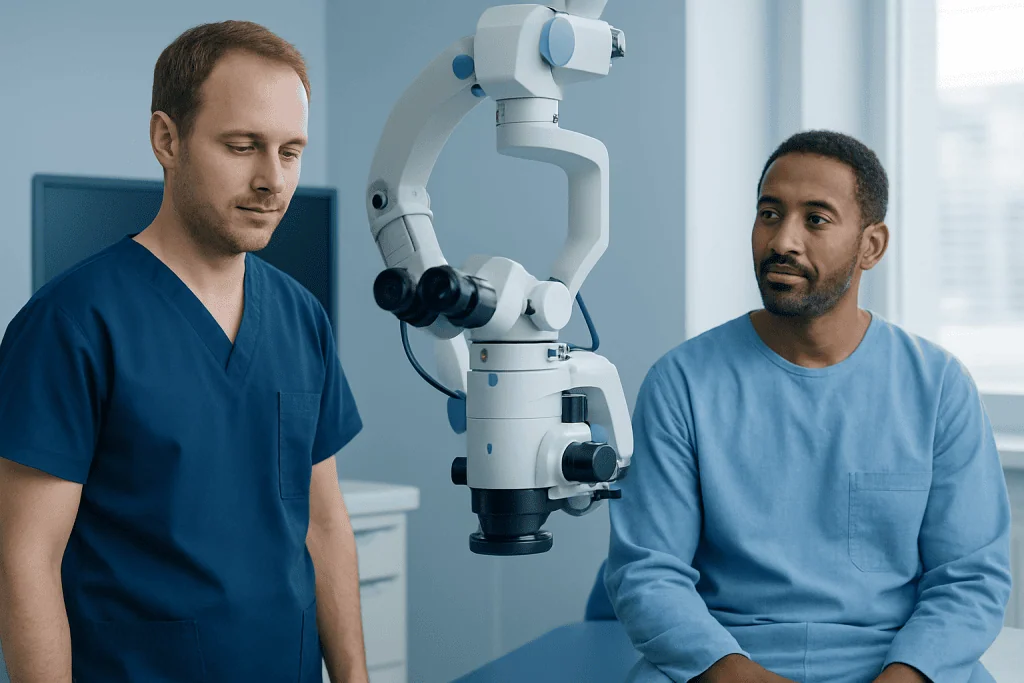
Good candidates for phalloplasty are people who have a clear reason for penile reconstruction and realistic expectations about what surgery can achieve. This includes transgender men and some nonbinary people seeking gender-affirming genital surgery, as well as individuals who need reconstruction after injury, cancer, infection, or a congenital difference. The decision is highly individual and should be made with experienced specialists.
Doctors usually review overall physical health, mental health, smoking status, weight stability, skin and blood vessel quality at possible donor sites, and any chronic medical conditions that could affect healing. Patients are often asked to stop nicotine use well before surgery because nicotine can reduce blood flow and increase the risk of flap problems and wound complications.
Assessment may also include discussions about fertility, sexual goals, urination goals, prior surgeries, and whether hormone therapy is being used. Depending on the reason for surgery, the care team may involve plastic surgery, urology, mental health professionals, rehabilitation specialists, and wound-care teams. For patients exploring gender-affirming options, related procedures may be discussed alongside gender confirmation surgery.
- Motivation and goals are clearly understood.
- Overall health is good enough for a major operation and anesthesia.
- The patient can take part in recovery, wound care, and follow-up.
- There is an appropriate donor site for tissue transfer.
- The patient understands that additional stages may be needed.
How the Procedure Works

The basic principle of phalloplasty is tissue transfer. Surgeons take skin, fat, blood vessels, and sometimes nerves from a donor site such as the forearm, thigh, or back and shape this tissue into a phallus. The flap remains healthy because its blood supply is either kept attached or reconnected using microsurgery. The choice of donor site affects scar location, sensation potential, thickness of the tissue, and the overall surgical plan.
One common decision is whether urethral lengthening is included. Urethral lengthening creates a longer urinary channel so a person may be able to urinate through the tip of the phallus. This step can be meaningful for some patients, but it also increases the complexity of surgery and can raise the chance of urinary complications such as fistula or narrowing. Some people choose phalloplasty without urethral lengthening.
Nerve connections may be performed to support the return of sensation over time. Sensory recovery is gradual and varies from person to person. Later stages may include shaping procedures, glans contouring, scrotoplasty, testicular implants, or penile prosthesis placement. In reconstructive cases related to urinary or genital conditions, specialists may also evaluate for associated issues within hypospadias or other urologic abnormalities when relevant.
Step-by-Step: What Happens During Phalloplasty
Before surgery, the patient usually has imaging, blood tests, anesthesia review, and detailed surgical marking of the donor site and recipient area. The team discusses the flap type, expected scars, hospital stay, pain control, and plans for drains or urinary catheters. In many centers, compression garments, physical therapy guidance, and skin preparation instructions are also reviewed ahead of time.
During the operation, surgeons first prepare the donor flap and then create the phallus. Microsurgical techniques may be used to connect tiny blood vessels and nerves. If planned, the urethra may be reconstructed, and additional steps such as scrotoplasty may be performed in the same stage or saved for a later procedure. Catheters are commonly placed to protect urinary healing.
After surgery, the patient is monitored closely in the hospital so the team can check flap blood flow, wound healing, urine drainage, and pain control. Early follow-up focuses on protecting the flap, preventing infection, and identifying problems quickly. If further refinement is desired, later procedures may be scheduled after initial healing is complete. Some patients may also be under the care of specialists in reconstructive surgery for staged planning and functional restoration.
Recovery Timeline and Aftercare
Phalloplasty recovery is gradual. The first phase is the hospital stay, which may last several days depending on the complexity of surgery and overall healing. During this time, staff monitor circulation to the flap, manage pain, encourage safe movement, and teach wound and catheter care. Swelling, bruising, tiredness, and limited mobility are expected early on.
In the first few weeks at home, activity is usually restricted. Heavy lifting, strenuous exercise, and pressure on surgical areas are generally avoided. Follow-up visits are important because doctors need to check incisions, donor-site healing, urinary function, and any drains or catheters. The timing of catheter removal depends on the surgical plan and healing progress.
Over the next several months, scars begin to mature, swelling continues to improve, and sensation may slowly change as nerves recover. Some people return to desk-based work earlier than physically demanding work, but the timeline varies widely. If further stages are planned, they are usually scheduled only after tissues have healed adequately and the care team confirms that recovery is stable.
- First days: hospital monitoring, pain control, flap checks, limited movement.
- First weeks: home recovery, wound care, activity restrictions, follow-up visits.
- First months: ongoing healing, scar management, gradual return to activity.
- Later stages: refinement procedures or implants if desired and medically appropriate.
Benefits, Risks, and Possible Complications
The benefits of phalloplasty depend on why it is being done. For some people, it can improve body congruence and reduce distress related to anatomy. For others, it can restore form and some function after cancer, trauma, or congenital conditions. The procedure may also support goals such as standing urination or future penetrative function, although outcomes vary and often require staged treatment.
Like any major surgery, phalloplasty carries risks. General surgical risks include bleeding, infection, pain, blood clots, poor wound healing, and anesthesia-related problems. Specific risks include partial or total flap loss, donor-site scarring, decreased or altered sensation, asymmetry, urethral fistula, urethral stricture, urinary leakage, and the need for revision surgery. These complications do not happen to everyone, but they are an important part of informed consent.
Careful patient selection, smoking cessation, close follow-up, and treatment by experienced multidisciplinary teams can help reduce risks. Patients with urinary concerns may also need coordinated urologic care, particularly if there is a history of urethral stricture or prior genital surgery. When expectations, anatomy, and surgical technique are well matched, satisfaction is more likely to be aligned with the patient’s goals.
Preparation, Self-care, and When to Seek Medical Care
Preparation begins well before the operation. Patients are usually advised to stop smoking or using nicotine, optimize nutrition, manage chronic conditions such as diabetes or high blood pressure, and discuss all medications and supplements with their doctor. Planning for time off work, transportation, home support, and follow-up appointments can make recovery smoother and safer.
Self-care after phalloplasty usually includes keeping surgical areas clean and dry as instructed, taking medicines exactly as prescribed, protecting the donor site, avoiding pressure or trauma, and attending every scheduled follow-up visit. Emotional support can also be important. Many patients benefit from counseling, peer support, or regular check-ins with their medical team during recovery.
Medical care should be sought promptly for fever, increasing redness, severe swelling, heavy bleeding, foul-smelling drainage, worsening pain, sudden color change in the flap, inability to drain urine, chest pain, or shortness of breath. These symptoms do not always mean a serious complication, but they should be assessed quickly. Near the end of the treatment journey, some people choose care in centers experienced in complex plastic and reconstructive surgery; Acibadem International’s multidisciplinary specialists and JCI-accredited hospitals diagnose and treat patients coming from abroad.
Frequently asked questions
Is phalloplasty done in one surgery?
Often, no. Phalloplasty is commonly performed in stages so the body has time to heal between steps and the team can assess function and appearance. Some parts may be combined in one operation, but many patients need more than one procedure.
How long does phalloplasty recovery take?
Early recovery usually takes several weeks, while fuller healing often takes months. The timeline depends on the flap used, whether urethral reconstruction was performed, and whether any complications or later stages are needed.
Can a person urinate standing after phalloplasty?
Some patients may be able to urinate standing if urethral lengthening is part of the procedure and healing goes well. However, not everyone chooses this option, and urinary complications can affect the final result. The surgeon can explain whether this goal is realistic in an individual case.
Will there be sensation after phalloplasty?
Sensation may improve gradually over time, especially when nerves are connected during surgery. Recovery of feeling is variable, and it can take many months. Some sensation may come from the surrounding tissues as healing progresses.
What are the most common risks of phalloplasty?
Risks include bleeding, infection, scarring, wound-healing problems, urinary fistula or stricture, and the need for revision surgery. Donor-site issues and changes in sensation can also occur. The exact risk profile depends on the person’s health and the surgical technique used.
Who should not have phalloplasty right away?
A person may need to delay surgery if they have uncontrolled medical conditions, active infection, poor circulation, or ongoing nicotine use. Surgery may also be postponed if more preparation is needed to clarify goals, improve health, or complete recommended assessments.
References
- World Professional Association for Transgender Health
- American Urological Association
- American Society of Plastic Surgeons
- National Health Service
- Mayo Clinic
This article is for general information only and is not a substitute for professional medical advice. Please consult a qualified doctor about your individual situation.
Oncology care in Turkey — second opinion and treatment plan
JCI-accredited · board-certified surgeons · reply within 24h
Add us as a Preferred Source to see more of our trusted health content across Google Search, AI Overviews and Discover.