Phantom Pain Explained: Common Triggers and Red Flags
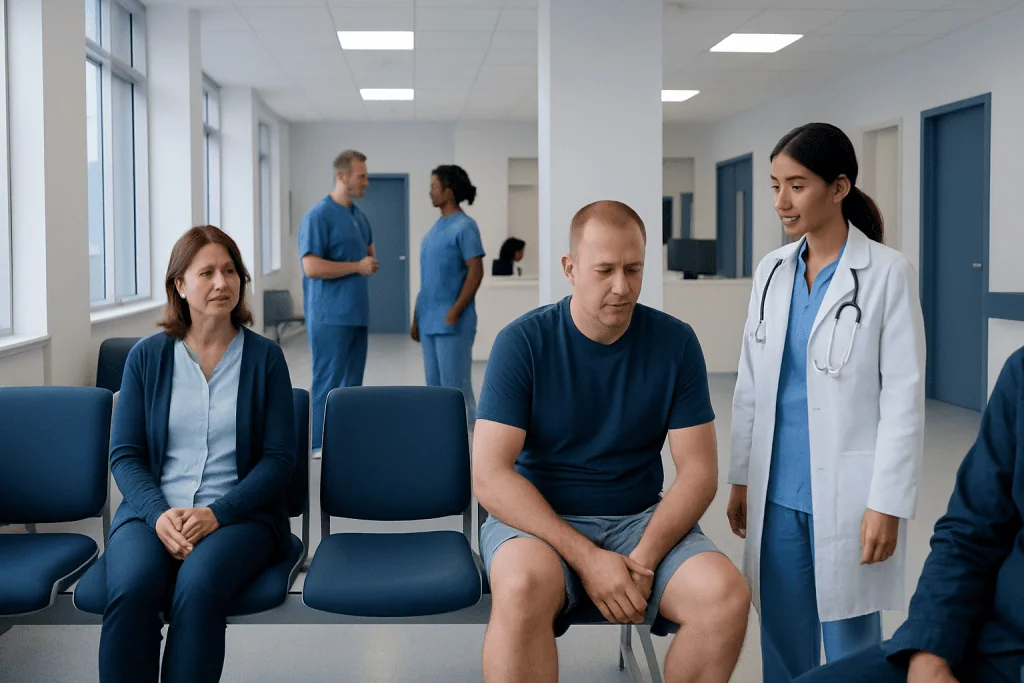
Phantom pain is a real nerve-related pain that can occur after amputation or loss of a body part. It may feel burning, stabbing, cramping, shooting, or squeezing, and symptoms can come and go or become persistent.
Key Takeaways
- Phantom pain is a real nerve-related pain that can occur after amputation or loss of a body part.
- It may feel burning, stabbing, cramping, shooting, or squeezing, and symptoms can come and go or become persistent.
- Common triggers include pressure on the residual limb, stress, poor sleep, temperature changes, and problems such as a poorly fitting prosthesis.
- Treatment often combines medications, rehabilitation, mirror therapy, desensitization techniques, and specialist pain management.
- New, worsening, or unusual pain should be checked to rule out infection, skin breakdown, circulation issues, or another cause of pain.
Phantom pain is real pain felt in a body part that is no longer there, most often after an amputation. It usually reflects changes in nerves, the spinal cord, and the brain rather than a problem "in the imagination," and many people benefit from a combination of pain care, rehabilitation, and support.
Overview: What Phantom Pain Means
Phantom pain is pain that seems to come from a body part that has been removed or is no longer physically present. It is most often discussed after the loss of an arm or leg, but it can also occur after the removal of a breast, an eye, or even teeth. The sensation is real, not imagined, and may be felt as if it is located in the missing fingers, foot, or another absent area.
This happens because the nervous system continues to process signals related to the missing body part. After an amputation, nerves at the site of surgery, the spinal cord, and the brain can all adapt in ways that sometimes create pain signals. For some people, the discomfort is brief and mild. For others, it becomes more frequent or more intense and can affect sleep, mobility, mood, and rehabilitation.
Phantom pain is different from phantom sensation, which is the awareness that the missing body part is still there without pain. A person may feel that toes are curled, a hand is clenched, or the limb is moving. Phantom sensations are common and do not always require treatment, but painful symptoms deserve proper assessment because several overlapping causes can contribute.
What Phantom Pain Feels Like
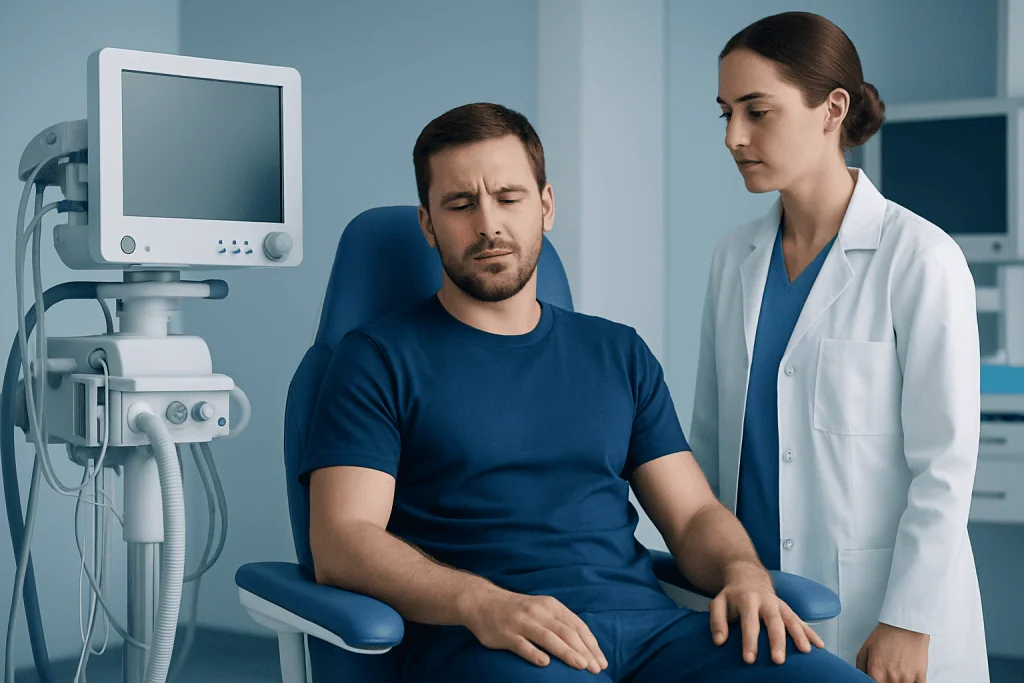
People describe phantom pain in different ways. It may feel sharp and electric, burning, throbbing, cramping, twisting, squeezing, or like pins and needles. The pain can be brief and sudden, or it can linger for hours. Some people notice that the pain follows a pattern, while others experience unpredictable episodes.
The pain often seems to come from the farthest part of the missing limb, such as the fingers or toes. This can feel surprising, but it reflects how the brain maps the body. Some individuals also notice that touching the residual limb, moving certain muscles, or emotional stress seems to bring on the sensation.
Symptoms may include:
- Burning or searing pain
- Shooting or stabbing episodes
- Cramping or tightening
- Itching, tingling, or pins-and-needles feelings
- A sense that the missing limb is in an uncomfortable position
- Pain that worsens at night or interferes with sleep
Because pain after amputation is not always phantom pain, it is important to distinguish it from residual limb pain. Residual limb pain affects the remaining part of the limb and may be related to skin irritation, wound healing, pressure points, nerve injury, or a prosthesis problem. In some cases, both types occur together.
Common Triggers and Why They Happen

Phantom pain often reflects a mix of biological and practical factors rather than one single trigger. The nervous system may become more sensitive after surgery or injury. Nerves cut during amputation can form irritated endings, and the brain can continue to interpret signals as coming from the missing part. This overlap is one reason symptoms can feel complex and sometimes change over time.
Everyday triggers are also common. Pressure or friction on the residual limb, muscle tension, stress, poor sleep, and fatigue can all make pain more noticeable. Some people report that cold weather or sudden temperature changes trigger episodes. Others notice pain when a prosthesis fits poorly or when the skin is irritated.
Common triggers may include:
- Pressure on the residual limb or scar
- A poorly fitting prosthesis
- Stress, anxiety, or emotional strain
- Lack of sleep or physical exhaustion
- Cold temperatures or weather changes
- Infection, swelling, or skin breakdown in the residual limb
- Muscle spasms or prolonged sitting in one position
Some people are more likely to develop phantom pain if they had severe pain in the limb before amputation, ongoing nerve pain, or complications affecting healing. Conditions such as neuropathy may also influence how the nerves process pain. Recognizing patterns and triggers can help guide treatment and daily self-management.
How Doctors Evaluate Phantom Pain
Diagnosis begins with a detailed history. A doctor will ask when the pain started, what it feels like, how long it lasts, and what seems to trigger or relieve it. They may also ask about sleep, mood, prosthesis use, rehabilitation progress, and pain before amputation. This conversation helps separate phantom pain from residual limb pain or another medical issue.
The physical examination focuses on the residual limb and the rest of the nervous system. The clinician may look for scar sensitivity, skin irritation, swelling, infection, circulation problems, or pressure points from a prosthesis. If there are signs of nerve irritation, the evaluation may overlap with the assessment used for peripheral neuropathy or other nerve-related pain conditions.
Tests are not always needed, but they may be helpful if the symptoms are changing or if another problem is suspected. Depending on the situation, doctors may use imaging, blood tests, or nerve studies to check for infection, bone changes, neuroma, or vascular complications. The goal is not only to confirm phantom pain but also to identify treatable contributors that can make symptoms worse.
Because pain can affect mood and function, assessment may include emotional health and rehabilitation needs as well. A multidisciplinary approach often provides the clearest picture, especially when pain has become persistent or is limiting independence.
Treatment Options for Phantom Pain
Treatment usually works best when it combines more than one strategy. The right plan depends on the timing of symptoms, the type of pain, the condition of the residual limb, and the person’s overall health. Many people improve when pain specialists, rehabilitation experts, surgeons, and prosthetics professionals work together.
Doctors may recommend medications that calm nerve-related pain, along with non-drug therapies. Rehabilitation approaches can include mirror therapy, graded motor imagery, desensitization, massage around the residual limb if appropriate, stretching, posture work, and prosthesis adjustment. For some people, a referral for pain management is helpful when symptoms are persistent or difficult to control.
If the pain is linked to a nerve problem such as a neuroma or trapped nerve, further evaluation may be needed. In selected cases, clinicians may consider injections, nerve-targeted procedures, or advanced therapies. People with broader nerve symptoms may also benefit from a neurology assessment, while those recovering after limb loss often need structured physical therapy and rehabilitation to improve comfort, balance, and daily function.
Treatment may take time, and it often requires adjustment. A symptom diary can be useful for tracking triggers, timing, sleep quality, prosthesis use, and response to therapy. This helps the care team refine the plan in a practical, personalized way.
Self-care, Prevention, and Daily Coping
Although phantom pain cannot always be prevented, careful aftercare may reduce triggers and support recovery. Good wound care, healthy sleep habits, gradual rehabilitation, and early attention to residual limb problems are all helpful. If a prosthesis is used, regular checks for fit and pressure points can prevent unnecessary irritation.
Daily self-care may include gentle desensitization techniques advised by a clinician, relaxation exercises, and pacing activities to avoid exhaustion. Some people find it useful to keep warm in cold weather, change position regularly, and build a consistent sleep routine. Stress management matters because pain and stress can reinforce each other.
Helpful strategies may include:
- Inspecting the residual limb daily for redness, skin breakdown, swelling, or drainage
- Using the prosthesis only as advised and reporting fit problems promptly
- Following a rehabilitation plan for stretching, strengthening, and gait training
- Practicing relaxation, breathing exercises, or mindfulness
- Keeping a record of pain triggers and responses to treatment
- Talking openly about sleep difficulties, anxiety, or low mood
When symptoms are affecting quality of life, patients should not feel they need to simply tolerate them. Ongoing support can make a meaningful difference, and multidisciplinary specialists at Acibadem International’s JCI-accredited hospitals diagnose and treat phantom pain for international patients when coordinated care is needed.
When to Seek Medical Care
Phantom pain itself is common after amputation, but not every painful episode should be assumed to be phantom pain. Medical review is important if pain is new, becoming more frequent, or no longer responding to usual strategies. It is also important when the symptoms are stopping a person from sleeping, walking, using a prosthesis, or participating in rehabilitation.
Urgent or prompt medical attention is needed if there are signs that another problem may be present. These can include redness, warmth, fever, drainage, rapidly increasing swelling, severe tenderness, a wound that is not healing, sudden color changes, or a cold residual limb. These symptoms may suggest infection, poor circulation, skin injury, or another condition that needs treatment.
People should also seek care if they have numbness, weakness, spreading pain, major mood changes, or thoughts of self-harm. Persistent pain can affect mental health, and support is part of treatment. A qualified doctor can determine whether the symptoms are due to phantom pain, residual limb pain, a nerve problem, or a different cause and can recommend the safest next steps.
Frequently asked questions
Is phantom pain real or psychological?
Phantom pain is real. It is linked to changes in nerves, the spinal cord, and the brain after loss of a body part, even though emotional stress can influence how strongly pain is felt. It is not simply imagined.
How long does phantom pain last?
The duration varies widely. Some people have short-term symptoms early after amputation, while others have episodes that come and go for months or longer. Early assessment and treatment may help reduce its impact on daily life.
What is the difference between phantom pain and residual limb pain?
Phantom pain feels as though it is coming from the missing body part. Residual limb pain is felt in the remaining limb and may be caused by wound healing, skin irritation, pressure from a prosthesis, or nerve irritation. A person can have both at the same time.
Can stress make phantom pain worse?
Yes. Stress, anxiety, poor sleep, and fatigue can increase the nervous system's sensitivity and make pain feel more intense or more frequent. Managing stress does not mean the pain is psychological; it is one part of overall symptom control.
Does phantom pain mean there is a problem with the amputation site?
Not always, but it is important not to assume all pain is phantom pain. Skin breakdown, infection, swelling, neuroma, or a poorly fitting prosthesis can also cause pain. A doctor can help identify whether another treatable issue is present.
What treatments can help phantom pain?
Treatment may include medications for nerve-related pain, mirror therapy, rehabilitation, prosthesis adjustment, desensitization techniques, and specialist pain care. The most effective plan is often individualized and may combine several approaches rather than relying on one treatment alone.
References
- National Institute of Neurological Disorders and Stroke
- National Institute for Health and Care Excellence
- American Academy of Physical Medicine and Rehabilitation
- Mayo Clinic
- Cleveland Clinic
This article is for general information only and is not a substitute for professional medical advice. Please consult a qualified doctor about your individual situation.
Joint and spine care in Turkey — expert assessment & treatment
JCI-accredited · board-certified surgeons · reply within 24h
Add us as a Preferred Source to see more of our trusted health content across Google Search, AI Overviews and Discover.