Phantosmia: An Evidence-Based Guide for Patients

Phantosmia means perceiving a smell that is not actually in the environment. Common triggers include sinus inflammation, upper respiratory infections, allergies, migraine, and some medications.
Key Takeaways
- Phantosmia means perceiving a smell that is not actually in the environment.
- Common triggers include sinus inflammation, upper respiratory infections, allergies, migraine, and some medications.
- Most cases are not emergencies, but sudden symptoms with neurological signs need prompt medical assessment.
- Diagnosis may involve an ear, nose, and throat exam, smell history, imaging, or neurological evaluation.
- Treatment focuses on the underlying cause, such as nasal disease, infection, migraine, or another medical condition.
Phantosmia is the sensation of smelling an odor when no external source is present. It is often linked to temporary nasal or sinus issues, but in some cases it can relate to migraine, medication effects, or conditions affecting the nervous system, so proper evaluation matters if symptoms persist.
What Is Phantosmia?
Phantosmia is the medical term for smelling an odor that is not actually present. People often describe the smell as smoky, burnt, musty, rotten, metallic, or chemical. The sensation may come and go, last for minutes or longer, or affect one nostril more than the other.
This symptom is sometimes called a “phantom smell.” It is different from simply noticing a real odor that others do not recognize right away, and it is also different from taste changes, although smell and taste are closely linked. Because the nose and brain work together to detect odors, phantosmia can arise from problems in the nasal passages, the smell receptors, or the brain pathways that process smell.
In many people, phantosmia is related to a short-term issue such as a cold, sinus irritation, or recovery after a viral infection. In others, it may point to migraine, head injury, medication effects, or less commonly a neurological disorder. The symptom itself is real, even when no odor source exists, and a medical evaluation can help identify the reason.
How Phantosmia May Feel and What Symptoms Can Occur With It
The main symptom is smelling something that is not in the environment. The odor may be unpleasant or, less often, neutral. Some people notice it only occasionally, while others find that it interferes with eating, sleep, concentration, or daily comfort.
Phantosmia can occur on its own or with other symptoms. Associated symptoms often provide clues about the cause. For example, nasal blockage, facial pressure, and thick mucus suggest a sinus or nasal problem, while headache, light sensitivity, or visual changes may suggest migraine.
Other symptoms that may appear alongside phantosmia include:
- Nasal congestion or postnasal drip
- Reduced sense of smell or taste
- Recent cold, flu, or other upper respiratory infection
- Allergy symptoms such as sneezing and itching
- Headache or migraine symptoms
- Dizziness, ear pressure, or facial pain
- History of head injury
When smell disturbance is combined with a reduced ability to detect real odors, doctors may also consider related smell disorders such as anosmia, which means loss of smell. Distinguishing between these changes helps guide testing and treatment.
Common Causes and Risk Factors

Phantosmia has many possible causes, and not all are serious. A common explanation is inflammation inside the nose or sinuses. This may happen with allergies, sinus infections, nasal polyps, or irritation after a viral illness. Swelling can affect how odor signals reach the brain, creating distorted or false smell sensations.
Neurological and sensory causes are also possible. Migraine can alter smell perception before, during, or between headache episodes. Head injury may disturb the smell nerves. Some people develop phantom smells after viral infections that temporarily change smell function. Certain medications may also affect smell, though this is not the most common reason.
Less often, phantosmia may be linked to seizure activity, neurodegenerative disease, or a growth affecting smell pathways. These causes are uncommon, but they are considered when symptoms are persistent, one-sided, associated with other neurological signs, or unexplained after an ENT evaluation. Conditions affecting smell may overlap with sinusitis or structural nasal problems that require targeted care.
Risk factors can include recent respiratory infection, chronic allergies, smoking exposure, migraine history, nasal disease, prior head trauma, and older age. However, phantosmia can occur in people without any obvious risk factor, which is one reason an individualized assessment is important.
How Doctors Diagnose Phantosmia
Diagnosis begins with a careful history. A doctor will ask what the smell is like, whether it affects one or both nostrils, how long it lasts, what triggers it, and whether it began after an infection, migraine, medication change, or injury. Associated symptoms such as congestion, facial pain, reduced smell, headache, seizures, or memory changes can be especially helpful.
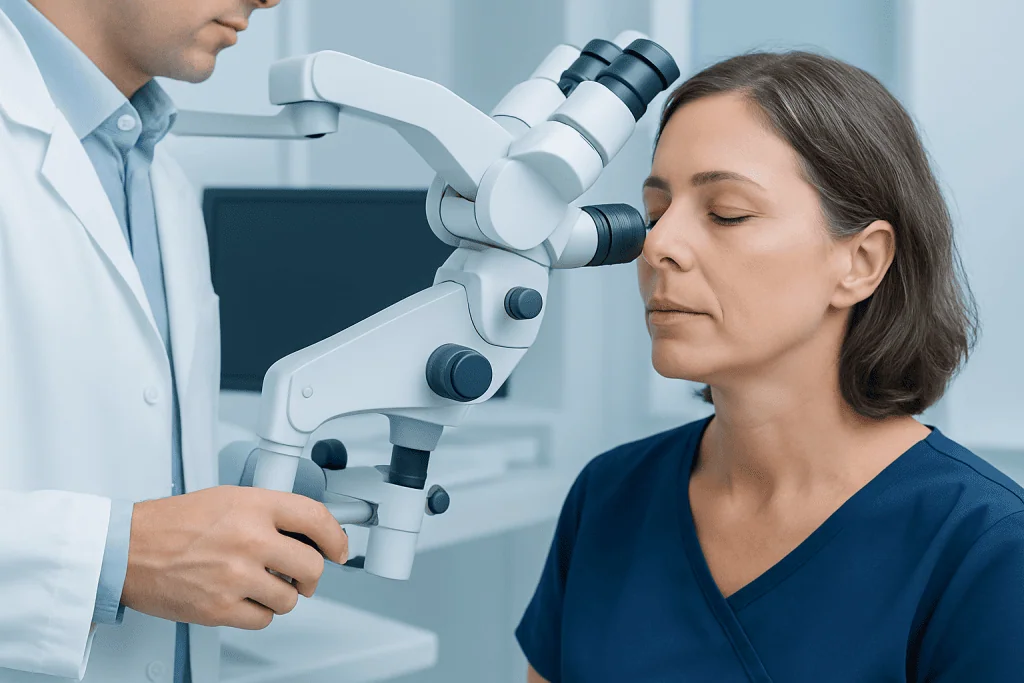
A physical examination usually includes the nose, mouth, throat, and neurological system. An ear, nose, and throat specialist may perform nasal endoscopy to look for inflammation, polyps, infection, or structural blockage. If a nasal or sinus cause is suspected, the doctor may consider imaging or tests directed at sinus disease.
When symptoms are persistent, unusual, or accompanied by neurological concerns, additional evaluation may be needed. This can include smell testing, brain imaging, or referral to neurology. In some cases, imaging methods used in MRI help assess the structures involved in smell, especially if there is concern about the brain, nerves, or deep sinus areas.
Diagnosis aims to find the underlying cause rather than labeling the symptom alone. A clear explanation of what is likely causing phantosmia often helps patients understand what to expect and what treatment options may be useful.
Treatment Options for Phantosmia
Treatment depends on the cause. If the problem is related to nasal inflammation, allergy, or sinus disease, management may include saline irrigation, allergy treatment, or medicines recommended by a doctor to reduce swelling and improve airflow. If there is infection, treatment is based on the clinical picture rather than the smell symptom alone.
When phantosmia follows a viral illness or another temporary smell disturbance, symptoms may improve gradually with time. Some patients benefit from smell rehabilitation strategies under medical guidance, especially if true smell loss or distortion is also present. If migraine is the cause, treating and preventing migraine episodes may reduce phantom smells.
Persistent nasal blockage or sinus disease may need specialist care. In selected cases, a doctor may recommend endoscopic sinus surgery if there is a structural problem, chronic sinus disease, or nasal polyps that do not respond well to medical treatment. This is not routine for all patients and is considered only when the underlying nasal condition supports it.
If evaluation suggests a neurological cause, treatment focuses on that condition. For example, seizure-related symptoms are treated differently from migraine or ENT-related causes. In international centers such as Acibadem International, multidisciplinary specialists in ENT, neurology, and radiology work together in JCI-accredited hospitals to evaluate and treat patients with complex smell disorders when needed.
Self-Care, Daily Coping, and Prevention
Self-care does not replace medical diagnosis, but it can make symptoms easier to manage. Keeping the nasal passages moist with saline rinses or sprays, avoiding smoke and strong chemical irritants, and treating allergies as advised may reduce symptoms when nasal inflammation is involved. Good hydration and rest can also support recovery after a respiratory infection.
Some people find that identifying patterns is useful. A symptom diary can track when phantom smells occur, whether one nostril is affected, and whether episodes relate to headache, certain environments, infections, or medications. This information can help a doctor see whether there may be a migraine, medication, or sinus pattern.
General prevention focuses on reducing known triggers and protecting smell function. Helpful steps may include:
- Avoiding tobacco smoke and unnecessary chemical exposure
- Managing allergies and chronic sinus symptoms early
- Using protective headgear when appropriate to reduce head injury risk
- Reviewing new medicines with a doctor if symptoms started after a change
- Seeking timely care for persistent smell loss or repeated sinus problems
Because smell strongly affects appetite and safety, patients should also pay attention to practical issues. Working smoke detectors, checking food freshness by date rather than smell alone, and asking family members to verify household odors can be sensible precautions while symptoms continue.
When to Seek Medical Care
Phantosmia should be discussed with a doctor if it lasts more than a short period, keeps returning, affects eating or quality of life, or follows a head injury. Medical review is also important when symptoms happen with significant nasal blockage, recurrent sinus infections, or clear loss of normal smell.
Prompt medical attention is needed if phantosmia begins suddenly along with weakness, confusion, difficulty speaking, seizure-like activity, severe headache, or other new neurological symptoms. These signs do not always mean a serious condition, but they require urgent assessment to rule out problems involving the brain or nervous system.
Patients with persistent ENT symptoms may benefit from specialist evaluation and testing, and some may need imaging or coordinated neurological assessment. In selected situations, related nasal disease may overlap with conditions treated through septoplasty or other ENT procedures if structural blockage is contributing to symptoms.
Frequently asked questions
Is phantosmia dangerous?
Phantosmia is often caused by non-emergency conditions such as sinus inflammation, allergies, or recovery after an infection. However, if it is persistent, one-sided, or accompanied by neurological symptoms like weakness, confusion, or seizure-like activity, prompt medical assessment is important.
Can a sinus infection cause phantosmia?
Yes. Sinus infection, chronic sinus inflammation, nasal polyps, and allergies can all affect odor signaling and trigger phantom smells. Treating the underlying nasal or sinus problem may help the symptom improve.
What do people with phantosmia usually smell?
Many people describe burnt, smoky, rotten, metallic, musty, or chemical odors. The exact smell varies from person to person, and it may be intermittent or persistent.
Does phantosmia go away on its own?
Sometimes it does, especially when it follows a cold, viral infection, or temporary nasal irritation. If symptoms last, recur frequently, or affect quality of life, medical evaluation is recommended to look for a treatable cause.
How is phantosmia diagnosed?
Diagnosis starts with a detailed history and physical examination. Depending on the symptoms, a doctor may recommend ENT assessment, nasal endoscopy, smell testing, imaging, or neurological evaluation.
Can migraine cause phantom smells?
Yes, migraine can sometimes affect smell perception and lead to phantom smells in some people. If episodes happen with headaches, light sensitivity, nausea, or visual changes, a doctor may consider migraine as part of the evaluation.
This article is for general information only and is not a substitute for professional medical advice. Please consult a qualified doctor about your individual situation.
Explore treatments in Turkey — costs, top hospitals & a free quote
JCI-accredited · board-certified surgeons · reply within 24h
Add us as a Preferred Source to see more of our trusted health content across Google Search, AI Overviews and Discover.

More from the Health Library

Phytoestrogens: A Complete Medical Overview

Epstein Barr Virus: A Complete Medical Overview

Newborn Normal Sugar Level: What Patients Need to Know

Barnacles on Humans — Explained by Medical Evidence, Not Myths

Lupron: A Complete Medical Overview