Php for Anorexia Recovery: A Week-by-Week Timeline

A partial hospitalization program provides structured eating-disorder treatment for several hours on multiple days each week while the person returns home afterward. PHP may be appropriate when outpatient care is not enough but around-the-clock inpatient monitoring is not currently required.
Key Takeaways
- A partial hospitalization program provides structured eating-disorder treatment for several hours on multiple days each week while the person returns home afterward.
- PHP may be appropriate when outpatient care is not enough but around-the-clock inpatient monitoring is not currently required.
- Early recovery often focuses on nutritional rehabilitation and medical safety; emotional and behavioral recovery usually takes longer.
- The recovery timeline differs widely because anorexia nervosa affects the body, thoughts, emotions and daily functioning.
- Urgent medical assessment is needed for fainting, chest pain, severe weakness, confusion, dehydration or thoughts of self-harm.
PHP for anorexia recovery is a partial hospitalization program that offers intensive daytime medical, nutritional and psychological care without an overnight hospital stay. Recovery does not follow one fixed schedule, but many people use PHP to establish safer eating patterns, address medical effects of malnutrition and build skills for continued outpatient care.
Overview: What Is PHP for Anorexia Recovery?
PHP for anorexia recovery refers to a partial hospitalization program, an intensive form of eating-disorder care that takes place during the day and allows a person to return home or to supportive housing afterward. It commonly includes supervised meals and snacks, individual therapy, group therapy, family involvement when appropriate, nutrition counseling and regular medical monitoring. The goal is to provide more structure than standard outpatient appointments while supporting gradual return to everyday routines.
PHP is not a single procedure or a guaranteed week-by-week cure. It is a coordinated treatment setting for anorexia nervosa, a serious eating disorder characterized by restricted food intake, intense concerns about weight or shape, and effects on physical and emotional health. A treatment team adapts the plan as nutritional needs, medical findings, safety concerns and personal circumstances change.
For many people, the first weeks are centered on regular nourishment and reducing immediate medical risks. Later work often focuses more strongly on eating-disorder thoughts, body image distress, emotions, relationships and relapse prevention. Recovery can involve setbacks, and needing a change in the level of care is not a failure.
How a Partial Hospitalization Program Works
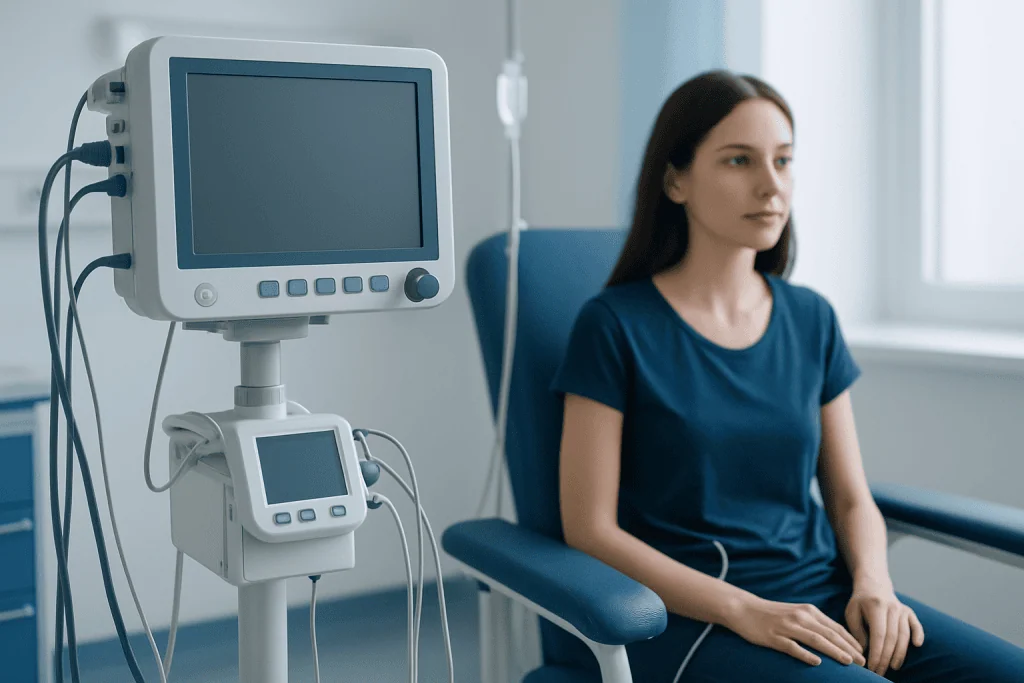
A PHP generally brings together professionals from several disciplines. Depending on the service, this may include a psychiatrist, physician, psychologist or therapist, registered dietitian, nurse, social worker and occupational or family therapist. The team assesses physical health and mental health together because malnutrition can affect the heart, digestion, bone health, concentration, mood and energy.
Days in PHP are structured. A person may attend planned meals and snacks, meet with a dietitian, participate in cognitive behavioral, family-based or other evidence-informed therapy, and practice coping skills in groups. Meal support is intended to reduce isolation and help patients work through anxiety, urges to restrict, and other eating-disorder behaviors in a clinically supervised environment.
Treatment also addresses the transition outside the program. Teams may help patients develop a home meal plan, identify supportive people, plan for school or work demands, and prepare for difficult situations such as restaurant meals, body-image triggers or stressful life events. If there is medical instability or an urgent safety concern, the team may recommend inpatient or emergency care instead.
Who May Be a Candidate for PHP?

PHP can be considered for someone with anorexia nervosa who needs more support than weekly outpatient therapy and nutrition visits can provide. This may include persistent restriction, escalating eating-disorder thoughts, difficulty completing meals independently, repeated relapse, significant disruption to school, work or relationships, or limited progress in outpatient care.
Before admission, clinicians usually assess vital signs, hydration, recent nutritional intake, laboratory results when indicated, psychiatric symptoms, self-harm risk, substance use, family or home support, and the ability to travel safely to and from the program. They also consider whether the person can manage evenings and nights outside a supervised setting.
PHP is generally not the right starting point when immediate hospital-level medical stabilization is needed. Markedly abnormal vital signs, serious electrolyte problems, severe dehydration, fainting, confusion, acute cardiac symptoms, inability to maintain safety, or high suicide risk may require emergency assessment or inpatient treatment. The appropriate level of care should always be determined by qualified clinicians.
Step by Step: What Happens in PHP Treatment?
The process usually begins with a detailed assessment. The team reviews eating patterns, weight history, medical symptoms, mental health conditions, medications, previous treatment and personal goals. A physical examination, blood tests, electrocardiogram or other evaluations may be used when clinically needed to identify complications of malnutrition and to guide safe nutritional rehabilitation.
Next, the team creates an individualized care plan. This may include a structured meal plan, monitored meals, therapy targets, medical follow-up and a plan for involving parents, partners or other support people. Patients are encouraged to share what makes eating difficult, including food fears, sensory issues, gastrointestinal symptoms, trauma history, anxiety or social pressures, so care can be tailored respectfully.
During the program, progress is reviewed regularly rather than judged only by body weight. The team may look at meal completion, physical stability, distress tolerance, reduced compensatory behaviors, sleep, mood, participation in life and readiness for a lower level of care. Discharge planning begins early, with arrangements for outpatient medical care, therapy, dietetic support and practical strategies for ongoing recovery.
Week-by-Week Timeline for PHP for Anorexia Recovery
Week 1: Assessment, safety and structure. The first week often includes medical evaluation, establishing a regular eating schedule and learning the daily PHP routine. Eating may feel emotionally difficult, and temporary digestive discomfort such as bloating, fullness or constipation can occur as the body readjusts. The clinical team monitors symptoms and explains what requires attention.
Weeks 2 to 4: Nutritional consistency and skill building. The focus commonly shifts toward completing meals and snacks with support, reducing restrictive behaviors and using coping skills during distress. Therapy may explore perfectionism, anxiety, low mood, body image, rigid food rules or relationship patterns. Medical markers and energy may begin to improve, but emotional relief does not always happen at the same pace as physical stabilization.
Weeks 4 to 8: Increasing flexibility beyond the program. When medically appropriate, patients may practice more independent meals, challenge feared foods and manage situations outside PHP. Family sessions or support-person education can help create a recovery-oriented home environment. The pace is individualized; some people need longer periods of intensive support, while others step down sooner based on clinical progress and safety.
After PHP: Step-down and long-term recovery. Many people move to intensive outpatient treatment or regular outpatient appointments. Continued therapy and nutrition care help consolidate gains and recognize early warning signs. Recovery is usually measured over months and sometimes years, not only by the duration of one program.
Benefits, Limitations and Possible Risks
A key benefit of PHP is intensive support without a full overnight admission. It can provide repeated practice with meals, prompt access to a multidisciplinary team and frequent opportunities to address behaviors before they become more entrenched. It may also allow some connection with home life, education or work, depending on the individual treatment schedule and health status.
However, PHP can be demanding. It requires regular attendance, travel, emotional engagement and a reasonably safe environment outside program hours. Some people may initially feel more distressed as they begin eating more regularly or face feared situations. These reactions should be discussed openly with the team, which can adjust support and monitor for complications.
Nutritional rehabilitation in a severely malnourished person must be medically supervised because rapid metabolic shifts can lead to refeeding syndrome, a potentially serious complication. Clinicians assess risk and monitor carefully. PHP may not provide enough support for everyone, and a higher level of care may be recommended if physical or psychiatric safety worsens.
How Long Does It Take the Body to Recover From Starvation?
The body begins responding to consistent nourishment within days to weeks, but full recovery from starvation does not have a fixed timetable. Hydration, energy, concentration, digestion, circulation and some laboratory abnormalities may improve as nutritional intake becomes more regular. The pace depends on the degree and duration of malnutrition, medical conditions, age, activity level and whether complications are present.
Some physical effects take substantially longer to improve. Hormonal function, bone health, strength, gastrointestinal comfort and temperature regulation may recover over months or longer, and some complications require specialist follow-up. Weight restoration, when clinically indicated, is only one part of physical recovery; medical monitoring remains important even when a person appears outwardly well.
Because refeeding can involve medical risks, a person who has been eating very little, losing weight quickly or experiencing symptoms such as fainting or weakness should not attempt major nutritional changes alone. A doctor and eating-disorder-informed dietitian can develop a safer plan and decide whether outpatient, PHP, inpatient or emergency care is appropriate.
What Is the Average Recovery Rate for Anorexia Nervosa?
There is no single, reliable average recovery rate for anorexia nervosa because research uses different definitions of recovery, follows people for different lengths of time and includes patients with varying illness severity. Studies commonly show that many people improve with appropriate treatment, while others have a longer, relapsing course and need ongoing care. A meaningful recovery may include medical stability, adequate nutrition, reduced eating-disorder behaviors, improved functioning and less distress around food and body image.
It is more helpful to view recovery as possible but individual rather than to compare one person with a population statistic. Earlier access to specialized treatment, consistent medical follow-up, nutritional rehabilitation, psychological therapy and support from family or trusted others can all be important. Co-occurring depression, anxiety, trauma, obsessive symptoms or substance use should also be assessed and treated.
Anorexia nervosa is treatable, and a return to a fuller life is possible even after a prolonged illness. Progress can be uneven, so a temporary worsening of symptoms should be treated as a signal to seek additional support rather than as evidence that recovery cannot happen.
When to Seek Medical Care
Anyone who suspects anorexia nervosa or has persistent food restriction, intense fear of weight gain, rapid weight change, missed menstrual periods, dizziness, weakness or preoccupation with food and body shape should arrange a medical and mental health assessment. Early care can identify medical complications and connect the person with appropriate eating-disorder support.
Urgent medical care is needed for fainting, chest pain, shortness of breath, a racing or irregular heartbeat, severe dehydration, confusion, seizures, inability to keep food or fluids down, or thoughts of self-harm or suicide. In an emergency, local emergency services or the nearest emergency department should be used.
Acibadem International’s multidisciplinary specialists and JCI-accredited hospitals support international patients who need assessment and treatment planning for eating disorders and related medical concerns. Care should be coordinated with qualified local and specialist clinicians to ensure safe follow-up before, during and after any treatment program.
Frequently asked questions
What does PHP mean in anorexia treatment?
PHP means partial hospitalization program. It is a structured daytime treatment setting that provides intensive therapy, meal support, nutrition care and medical monitoring while the person does not stay overnight in hospital.
How long do people usually stay in PHP for anorexia recovery?
Length of stay varies according to medical stability, meal completion, psychological symptoms, home support and progress toward treatment goals. Some people attend for several weeks, while others require a longer course or a transition to another level of care.
Can a person work or attend school during PHP?
PHP schedules are often intensive and may make full-time work or school difficult at first. The treatment team can help discuss realistic adjustments and a gradual return to responsibilities when health and recovery needs allow.
Is weight restoration the only goal of anorexia treatment?
No. When clinically needed, nutritional restoration is important for physical safety, but treatment also addresses eating-disorder behaviors, anxiety, mood, body image, relationships and daily functioning. Recovery is broader than a number on a scale.
What happens if PHP is not enough support?
If a person becomes medically unstable, cannot stay safe outside program hours or needs closer nutritional monitoring, clinicians may recommend inpatient hospitalization or emergency evaluation. This is a safety-based adjustment in care, not a personal failure.
Can anorexia nervosa fully improve?
Many people experience substantial improvement and can achieve long-term recovery with specialized, sustained treatment. The course varies, and some people need ongoing support or renewed care during periods of relapse, but recovery remains possible.
References
- National Institute of Mental Health
- National Eating Disorders Association
- American Psychiatric Association
- Academy for Eating Disorders
- World Health Organization
This article is for general information only and is not a substitute for professional medical advice. Please consult a qualified doctor about your individual situation.
Explore treatments in Turkey — costs, top hospitals & a free quote
JCI-accredited · board-certified surgeons · reply within 24h
Add us as a Preferred Source to see more of our trusted health content across Google Search, AI Overviews and Discover.

More from the Health Library



Related Specialists
Prof. Dr. Alp Demireller
Otorhinolaryngology
Dr. Caner Ünlüer
Neurosurgery
Dr. Sirri Özkan
General Surgery
Assoc. Prof. Dr. Hande Şenem Deveci
Otorhinolaryngology