Phrenology: An Evidence-Based Guide for Patients

Phrenology is not an evidence-based medical practice. Skull shape does not reliably show personality, intelligence, or mental illness.
Key Takeaways
- Phrenology is not an evidence-based medical practice.
- Skull shape does not reliably show personality, intelligence, or mental illness.
- Modern diagnosis of brain and mental health conditions uses clinical assessment and validated tests.
- Historical interest in phrenology does not make it scientifically accurate.
- People with neurological or mental health symptoms should seek proper medical evaluation.
Phrenology is an old theory that claimed bumps and contours of the skull could reveal personality, intelligence, or mental illness. Modern medicine does not support phrenology, and healthcare professionals do not use it to diagnose brain, mental health, or neurological conditions.
Overview: what phrenology means today
Phrenology is a discredited theory from the 18th and 19th centuries. It proposed that the shape of the skull reflects the development of different parts of the brain, and that these skull features could be used to judge a person’s character, abilities, or behavior. In modern medicine, this idea has been tested and rejected.
For patients, the key point is simple: phrenology is not a medical test, and it cannot diagnose brain disease, mental health conditions, learning differences, or personality traits. A doctor would not use head shape or skull bumps to determine intelligence, emotional tendencies, or neurological health.
Although the word still appears in history books, museums, and online discussions, phrenology should be understood as part of the history of ideas rather than a valid healthcare tool. Today, evidence-based care relies on neurological examination, mental health assessment, imaging when needed, and laboratory or cognitive testing depending on the concern.
How phrenology began and why it became popular
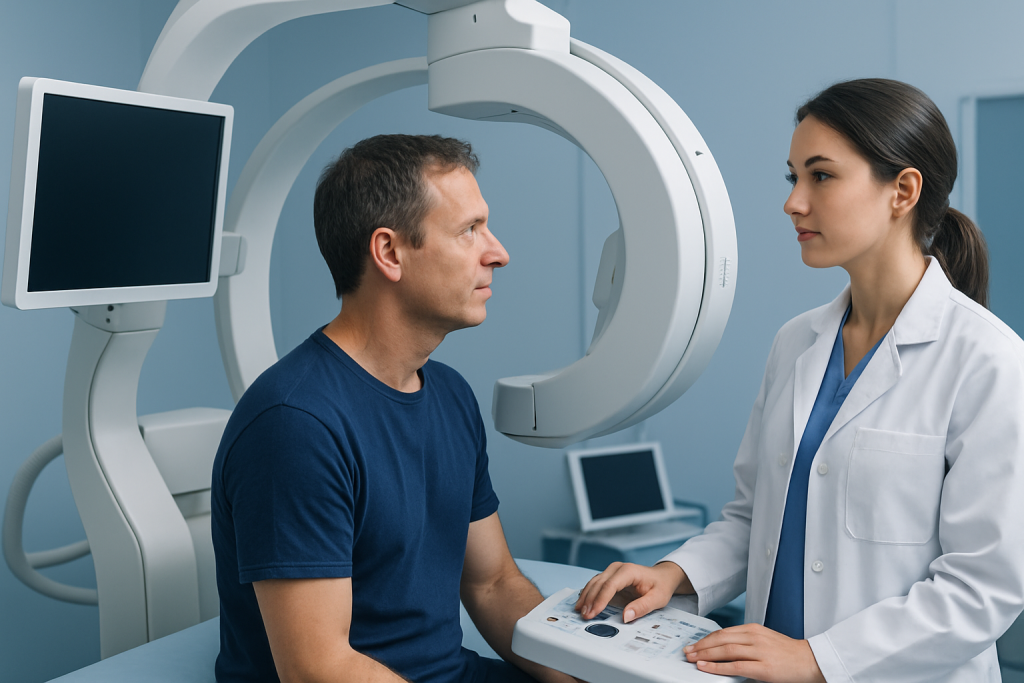
Phrenology developed in Europe, largely through the work of Franz Joseph Gall and later followers. They suggested that the brain contained separate mental “organs” responsible for traits such as language, affection, combativeness, or caution. They then claimed that a more developed area of the brain would push outward on the skull, creating a visible or palpable bump.
At the time, scientific methods were far less rigorous than they are today. This allowed attractive but unproven ideas to spread widely. Phrenology became popular because it seemed to offer a simple explanation for complex human behavior, personality, and social differences.
It also gained attention because it appeared orderly and measurable. People hoped it might help with education, employment, criminal justice, and medicine. However, later research showed that the basic assumptions were flawed: skull shape does not map personality, and brain function is far more complex than phrenology claimed.
Its history also carries an important ethical lesson. Phrenology was sometimes misused to justify prejudice and unequal treatment. This is one reason modern medicine emphasizes evidence, fairness, and careful interpretation of data rather than judging people by appearance.
Why phrenology is not scientific
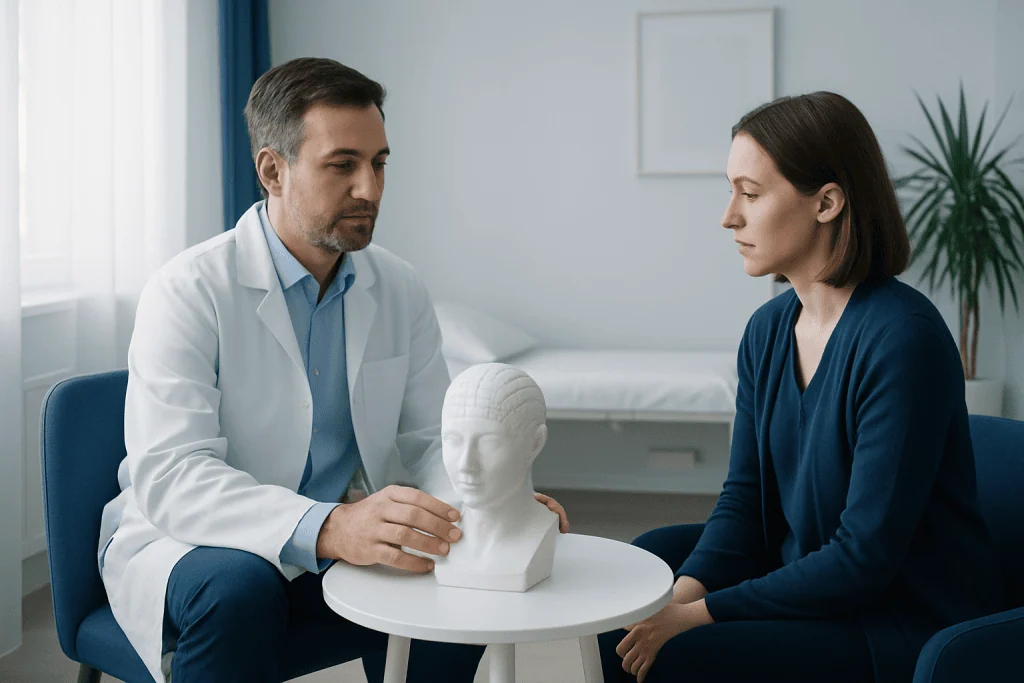
Phrenology is not accepted because it fails the basic standards of modern science. A scientific medical theory must be testable, reproducible, and supported by reliable evidence. Phrenology does not meet these standards. Studies and advances in anatomy, neuroscience, and psychology have shown that skull contours cannot be used to infer personality or diagnose disease.
One major problem is that the skull is not a precise surface map of mental traits. The thickness and shape of the skull vary for many reasons, including genetics, growth, age, and prior injury. These features do not provide a dependable window into how a person thinks, feels, or behaves.
Another problem is that human brain function is distributed and interconnected. Some areas of the brain do have specialized roles, but complex abilities such as decision-making, emotion, language, and memory depend on networks rather than simple isolated “organs” in the way phrenology described.
Modern neuroscience uses methods such as clinical examination, neuropsychological testing, and imaging when appropriate. If a person has symptoms such as headaches, weakness, seizures, memory problems, or mood changes, proper assessment may include evaluation for conditions like brain tumors or other neurological disorders rather than any form of skull reading.
Common myths and misunderstandings
A common misunderstanding is that phrenology was “partly right” because different brain regions can have different functions. While it is true that modern neuroscience recognizes some localization of function, this does not validate phrenology. The older theory made unsupported claims about measuring personality from skull shape, and those claims remain false.
Another myth is that a prominent forehead, asymmetrical skull, or bumps on the head reveal intelligence or mental illness. This is not how doctors assess health. Head shape alone cannot diagnose anxiety, depression, developmental conditions, dementia, or neurological disease.
People may also confuse phrenology with legitimate fields. It is not the same as neurology, psychiatry, neuropsychology, or brain imaging. Unlike phrenology, these disciplines use validated methods, standardized criteria, and ongoing research to understand symptoms and guide treatment.
Finally, some online personality content presents “head shape analysis” as harmless self-discovery. Even when framed casually, such claims can be misleading if they suggest medical or psychological accuracy. It is healthier and safer to rely on evidence-based evaluation for any real concern.
What doctors use instead of phrenology
If a patient has symptoms involving thinking, mood, movement, sensation, or behavior, doctors use structured medical assessment rather than physical guesses based on the skull. This usually begins with a detailed history, including when symptoms started, how they affect daily life, and whether there is any relevant family or medical background.
A clinician may then perform a physical and neurological examination. Depending on the situation, evaluation may include mental health screening, cognitive testing, blood tests, hearing or vision assessment, sleep evaluation, or imaging studies. In some cases, MRI scanning or other imaging can help identify structural problems in the brain.
When symptoms suggest a condition affecting the nervous system, patients may be referred for specialist care in neurology evaluation. If concern centers on mood, behavior, or distress, a mental health professional may assess for conditions such as anxiety, depression, trauma-related disorders, or other psychiatric illnesses using established diagnostic criteria.
Treatment depends on the actual cause. For example, headaches, seizures, or weakness may require neurological investigation, while emotional symptoms may respond to therapy, lifestyle measures, medication, or combined care. The value of modern medicine lies in identifying the true reason for symptoms rather than assigning meaning to skull shape.
When to seek medical care
It is sensible to seek medical care if a person has new, persistent, or worsening symptoms involving the brain, nerves, or mental health. Examples include frequent or severe headaches, seizures, fainting, weakness, numbness, major memory changes, confusion, speech difficulty, or problems with balance.
Medical advice is also important for sustained low mood, intense anxiety, personality changes, hallucinations, unusual behavior, or a decline in school or work functioning. These symptoms may have many possible causes, and a proper assessment helps guide next steps.
Urgent care is especially important if symptoms begin suddenly, follow a head injury, or include loss of consciousness, one-sided weakness, trouble speaking, chest pain, or thoughts of self-harm. These situations should not be explained away by myths or non-medical theories.
For patients who need specialist assessment, evidence-based pathways may include brain and nerve surgery consultation for structural disorders or referral to specialists experienced in conditions such as epilepsy when seizures are suspected.
Prevention, self-care, and finding trustworthy information
There is no health benefit to phrenology, so prevention in this context means avoiding misinformation. Patients can protect themselves by checking whether a health claim is supported by established medical organizations, peer-reviewed research, and qualified professionals. Claims that appearance alone reveals personality, morality, or diagnosis should be viewed with caution.
It also helps to choose information sources that explain uncertainty clearly. Reliable health education will distinguish history from current science, describe limits of testing, and avoid sweeping claims. A trustworthy source will not promise to reveal hidden traits or diagnose disease from skull shape.
For self-care, the focus should remain on overall brain and mental well-being: adequate sleep, regular physical activity, social connection, stress management, and appropriate medical follow-up for any ongoing condition. If questions arise about concentration, mood, memory, or headaches, documenting symptoms over time can help a clinician assess them more accurately.
Patients seeking international care may wish to know that Acibadem International’s multidisciplinary specialists and JCI-accredited hospitals evaluate neurological and related conditions using evidence-based methods for international patients. The most appropriate care always begins with an individualized medical assessment, not with phrenology.
Frequently asked questions
Is phrenology real or medically accepted?
No. Phrenology is a historical theory that has been discredited by modern science. It is not accepted as a valid way to assess personality, intelligence, or disease.
Can skull shape reveal personality traits?
No reliable evidence shows that skull bumps or head shape reveal character or behavior. Personality is influenced by many biological, psychological, and social factors, and it cannot be read from the skull.
Why do people still talk about phrenology?
People still discuss phrenology because it is part of the history of science and medicine. It is also sometimes mentioned in popular culture, but historical interest does not make it medically accurate.
Is phrenology the same as neuroscience?
No. Neuroscience is an evidence-based field that studies the brain and nervous system using modern research methods. Phrenology made unsupported claims that have not held up to scientific testing.
What should someone do if they have neurological symptoms?
They should seek assessment from a qualified healthcare professional. Depending on the symptoms, evaluation may involve a primary care doctor, neurologist, psychiatrist, psychologist, or emergency services if symptoms are sudden or severe.
Did phrenology contribute anything useful to medicine?
Its main value today is historical rather than clinical. While it reflected an early interest in linking the brain to behavior, its actual methods and conclusions are not considered valid or safe for diagnosis.
This article is for general information only and is not a substitute for professional medical advice. Please consult a qualified doctor about your individual situation.
Explore treatments in Turkey — costs, top hospitals & a free quote
JCI-accredited · board-certified surgeons · reply within 24h
Add us as a Preferred Source to see more of our trusted health content across Google Search, AI Overviews and Discover.

More from the Health Library

Im Muscle Injection: An Evidence-Based Guide for Patients

Flecainide: What Patients Need to Know
Chaga: An Evidence-Based Guide for Patients

Endomorph Body Type: An Evidence-Based Guide for Patients

Ondansetron: A Complete Medical Overview