Physical Therapy Exercises for Headaches: How It Works, Results and What to Expect

Physical therapy is most often helpful for tension-type and cervicogenic headaches, especially when neck pain or reduced movement is present. Assessment is important because not every headache is caused by muscles, posture or the cervical spine.
Key Takeaways
- Physical therapy is most often helpful for tension-type and cervicogenic headaches, especially when neck pain or reduced movement is present.
- Assessment is important because not every headache is caused by muscles, posture or the cervical spine.
- Treatment commonly combines education, gentle mobility work, strengthening, posture retraining and a home exercise plan.
- Exercises should be individualized and should not significantly worsen headache symptoms.
- Sudden, severe or unusual headaches need prompt medical assessment rather than self-treatment.
Physical therapy exercises for headaches may help people whose headaches are linked to neck stiffness, posture, muscle tension or movement problems. A tailored program can improve neck and upper-back function, reduce triggers and support long-term headache management alongside medical care when needed.
Overview: How Physical Therapy Exercises for Headaches Work
Physical therapy exercises for headaches are structured movements and self-management techniques designed to address contributing problems in the neck, shoulders, upper back and daily movement habits. They are most likely to help when headaches occur with neck discomfort, prolonged screen or desk work, restricted neck motion, poor endurance of the deep neck muscles, or tenderness in muscles around the head and shoulders.
Physical therapy does not treat every type of headache. Migraine, cluster headache, medication-overuse headache and headaches caused by medical conditions may need different treatments. However, a person can have migraine together with neck pain or a cervicogenic component, and physical therapy may then be one part of a broader care plan.
The main aim is not simply to “fix posture.” A physical therapist looks for modifiable factors such as painful movement, muscle sensitivity, reduced strength, sleep positions, work setup and activity patterns. Treatment is adjusted over time according to symptoms, function and the person’s headache pattern.
What Does a Physical Therapist Do for Headaches?
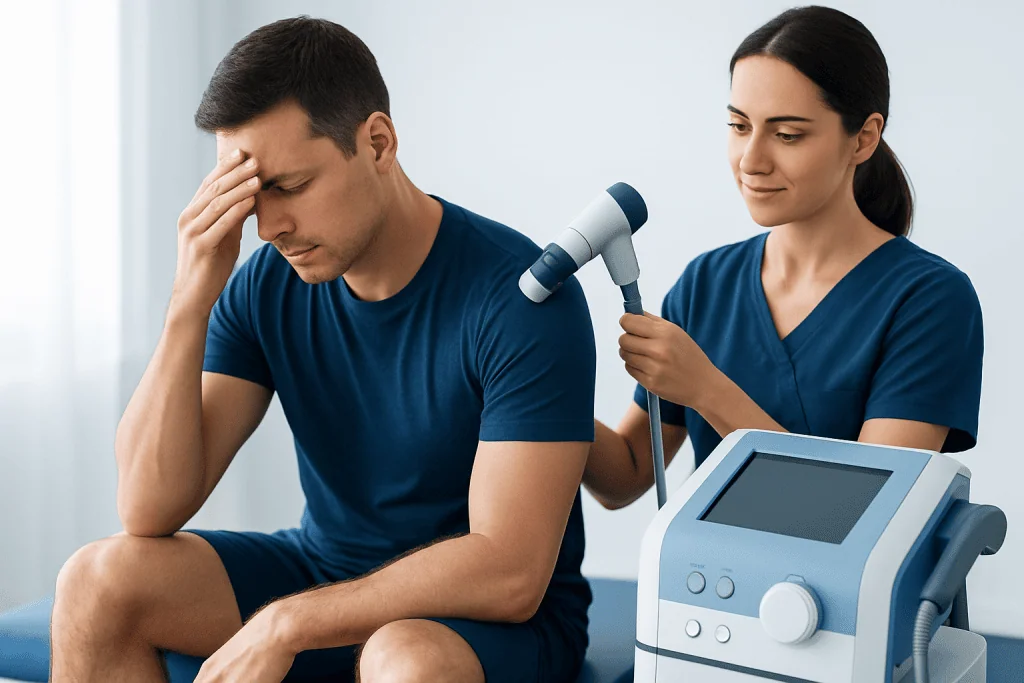
A physical therapist begins by asking about the timing, location, quality and frequency of headaches, as well as neck pain, dizziness, jaw symptoms, sleep, work demands and previous injuries. They assess neck and upper-back movement, muscle strength and endurance, posture during usual tasks, balance when appropriate, and whether certain movements reproduce familiar symptoms.
For a headache thought to involve the neck, the therapist may use education, graded exercises, manual techniques and practical changes to daily routines. Manual therapy can include carefully selected joint mobilization or soft-tissue techniques. These approaches are usually paired with active exercise, because long-term improvement depends on restoring confidence, movement and muscle capacity.
A therapist also helps identify when rehabilitation is not the right starting point. New neurological symptoms, a sudden severe headache, headache after significant injury, fever with neck stiffness, or a major change in a familiar headache pattern require medical assessment. Persistent or difficult headaches may benefit from evaluation in a headache medicine service alongside rehabilitation.
Who May Benefit and What Are the 5 C's of Headaches?
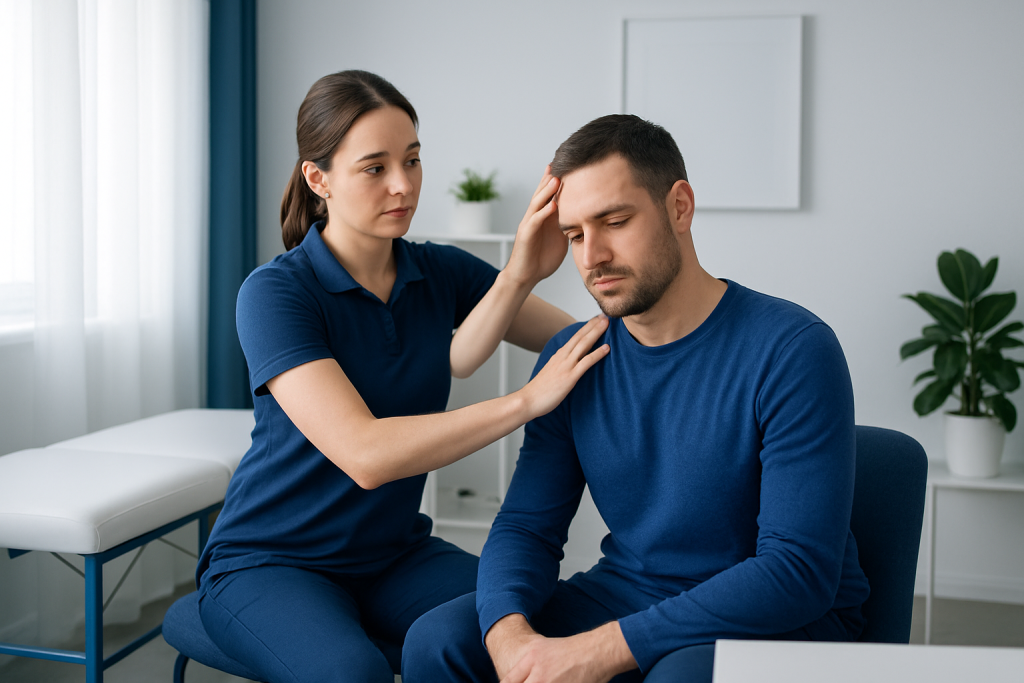
People may be candidates for physical therapy when headaches are associated with neck pain, pain at the base of the skull, symptoms brought on by neck position or sustained activity, reduced cervical movement, or a history of neck strain. Cervicogenic headache commonly starts in the neck and may spread toward the head or face, while tension-type headache often involves pressure or tightness around the head with tenderness in neck and shoulder muscles.
The “5 C’s of headaches” is not a single universally accepted medical diagnostic system. In clinical discussions, it may be used as a memory aid for taking a history: character, chronicity or course, contributing factors, accompanying symptoms and context. Different clinicians may use the letters differently, so it should not replace a formal assessment or diagnostic criteria.
A useful headache review considers the characteristics of the pain, changes over time, associated symptoms such as nausea or light sensitivity, possible triggers, medication use, health history and examination findings. A headache diary can help reveal patterns and show whether therapy, exercise, hydration, sleep routines or other treatments are making a meaningful difference.
Physical therapy may be unsuitable as the only approach when headache features suggest migraine requiring preventive treatment, medication overuse, infection, vascular disease or another medical cause. A doctor can help determine whether imaging, laboratory testing, specialist consultation or a combined treatment plan is appropriate.
What to Expect: Assessment, Exercises and Recovery Timeline
The first appointment usually includes a detailed assessment and shared treatment plan. The therapist identifies activities that aggravate symptoms and establishes practical goals, such as tolerating computer work, driving, exercise or sleep with fewer headaches. They may also advise on pacing: gradually returning to activities rather than avoiding all neck movement out of fear of provoking symptoms.
Early exercises are generally gentle and controlled. Examples may include small-range neck rotations, chin-nod exercises for deep neck muscle control, shoulder-blade setting, thoracic extension movements and breathing techniques to reduce unnecessary neck and shoulder tension. The correct exercise, range and frequency vary widely from person to person; exercises that cause significant or lasting worsening should be reviewed.
As symptoms and tolerance improve, the program often progresses to strengthening and endurance work for the neck, shoulder-blade and upper-back muscles. Therapists may also assess the workplace, phone use, lifting techniques, sleep posture and general activity levels. For some people, regular aerobic activity is added gradually because it can support overall pain management, sleep and stress regulation.
Recovery timelines vary. Some people notice improved movement or reduced neck discomfort within several sessions, while a more stable reduction in headache burden often requires consistent practice over weeks. Results depend on the headache type, other health conditions, sleep, stress, medication use and whether the exercise plan is followed safely and regularly.
Can Exercise Help a Headache Go Away?
Exercise can help some headaches, but its effect depends on the cause and the individual. Gentle movement, a short walk, neck mobility work or relaxation-focused exercises may ease a tension-type or neck-related headache, particularly when prolonged sitting and muscle tension are contributing factors. Regular physical activity may also help reduce headache frequency for some people over time.
During a migraine attack, vigorous exercise can worsen symptoms for some individuals, especially if nausea, light sensitivity, dehydration or fatigue is present. Others find that gentle movement is tolerable. It is reasonable to stop an activity if pain escalates, dizziness develops or the person feels unwell, and to use the migraine plan advised by their clinician.
For headaches linked to neck dysfunction, a physical therapist may provide individualized physical therapy and rehabilitation that combines exercise with education and monitored progression. The goal is to make daily movement more comfortable and resilient, rather than relying on one exercise as an immediate cure.
Hydration, regular meals, sleep consistency and sensible pacing may also reduce common headache triggers. These measures are supportive, not substitutes for medical evaluation when headaches are severe, frequent, changing or accompanied by warning signs.
The Finger Trick for Headaches: What It Can and Cannot Do
The “finger trick” for headaches usually refers to applying pressure or massage with the fingers to the temples, the muscles at the base of the skull, the forehead or the hand. Some people find gentle self-massage temporarily soothing, particularly when muscles around the jaw, scalp, neck or shoulders feel tense. Slow breathing while using light pressure may add a relaxation benefit.
There is no finger-pressure technique that can reliably diagnose, stop or cure all headaches. Pressing firmly on painful areas can irritate sensitive tissues, and pressure should not be used over an injured area, a rash, a swollen region or an area that feels unusually tender for no clear reason. It should also never delay evaluation of severe or unusual symptoms.
A therapist can show safer self-release techniques if muscle sensitivity is part of the problem. These may include brief, gentle pressure followed by relaxed neck movement, rather than prolonged forceful pressure. People with jaw clenching or jaw pain may also need assessment of jaw habits and related muscle tension.
Benefits, Limitations and Possible Risks
Potential benefits of physical therapy include better neck mobility, improved muscle endurance, reduced pain sensitivity, greater confidence with movement and fewer activity-related headache triggers. It may also help people understand how sleep, prolonged positions, stress, jaw tension and work demands interact with symptoms. These gains can support medical headache treatment but do not guarantee complete relief.
Temporary soreness or a mild short-lived increase in symptoms can occur when beginning a new exercise program or manual technique. The plan should be modified if pain is sharp, severe, prolonged or clearly different from the person’s usual symptoms. High-velocity neck manipulation is not necessary for most rehabilitation programs, and any hands-on treatment should be discussed in relation to the person’s health history and preferences.
People should tell the therapist about osteoporosis, inflammatory arthritis, recent trauma, connective-tissue disorders, blood-thinning medication, prior stroke or transient ischemic attack, cancer history, neurological symptoms and significant dizziness. This information helps the clinician select safe techniques and decide whether medical review is needed first.
Acibadem International’s multidisciplinary specialists and JCI-accredited hospitals can assess headache concerns and coordinate neurological, rehabilitation and other relevant care for international patients when appropriate.
When to Seek Medical Care
Medical assessment is important for a first severe headache, a sudden “thunderclap” headache that peaks rapidly, or a headache that is distinctly different from usual symptoms. Urgent care is also needed for headache with weakness, numbness, facial drooping, trouble speaking, fainting, seizure, confusion, vision loss, severe dizziness, fever and neck stiffness, or after a significant head or neck injury.
A doctor should also review headaches that are becoming more frequent, interfere with normal life, begin after age 50, occur during pregnancy or soon after delivery, or are associated with cancer, immune suppression or a major change in medication use. Frequent use of pain-relief medicines can itself contribute to recurring headaches and should be discussed with a clinician.
For ongoing neck-related symptoms, a clinician may recommend a coordinated plan involving neurology evaluation and rehabilitation. A clear diagnosis helps ensure that exercises are directed toward the right problem and that other headache treatments are considered when needed.
Frequently asked questions
What does a physical therapist do for headaches?
A physical therapist evaluates whether neck movement, muscle function, posture during activities or other musculoskeletal factors may be contributing to headache symptoms. Treatment may include education, gentle mobility exercises, strengthening, activity pacing and selected hands-on techniques. They also identify signs that require medical or neurological assessment.
What are the 5 C's of headaches?
The 5 C's are not a universally standardized headache diagnostic tool. They may be used as a memory aid for discussing pain characteristics, its course over time, contributing factors, accompanying symptoms and the person’s clinical context. A complete diagnosis requires a healthcare professional to consider the full history and examination.
Can exercise help a headache go away?
Gentle exercise can help some tension-type or neck-related headaches, particularly when stiffness and prolonged sitting are contributing factors. Regular activity may also support long-term headache prevention for some people. However, strenuous exercise can worsen symptoms during some migraine attacks, so the response should be monitored.
What is the finger trick for headaches?
This phrase usually describes gentle pressure or massage using the fingers on the temples, scalp, neck or hand. It may provide brief comfort for some people with muscle tension, but it is not a proven cure for headaches. Firm pressure should be avoided if it increases pain or if symptoms are severe or unusual.
Which headaches respond best to physical therapy?
Physical therapy is often considered for cervicogenic headaches and tension-type headaches, especially when neck pain, limited movement or muscle tenderness are present. It may also be used as supportive care for people with migraine who have coexisting neck dysfunction. A healthcare professional should determine the headache type before starting treatment.
How often should headache exercises be done?
The right frequency depends on the exercise, symptoms and individual health status. A physical therapist may start with brief, low-intensity sessions and adjust the plan according to response. Exercises should not cause substantial or long-lasting worsening of headache symptoms.
References
- American Headache Society
- International Headache Society
- American Physical Therapy Association
- National Institute of Neurological Disorders and Stroke
- World Health Organization
This article is for general information only and is not a substitute for professional medical advice. Please consult a qualified doctor about your individual situation.
Joint and spine care in Turkey — expert assessment & treatment
JCI-accredited · board-certified surgeons · reply within 24h
Add us as a Preferred Source to see more of our trusted health content across Google Search, AI Overviews and Discover.