Pickwickian Syndrome: Early Signs, Risk Factors, and How It Is Treated

Pickwickian syndrome is the older name for obesity hypoventilation syndrome. Common clues include loud snoring, excessive daytime sleepiness, morning headaches, and shortness of breath.
Key Takeaways
- Pickwickian syndrome is the older name for obesity hypoventilation syndrome.
- Common clues include loud snoring, excessive daytime sleepiness, morning headaches, and shortness of breath.
- Many people with this condition also have obstructive sleep apnea, but the two are not exactly the same.
- Diagnosis usually involves blood tests, sleep studies, and evaluation of oxygen and carbon dioxide levels.
- Treatment often includes positive airway pressure during sleep, weight management, and care for related heart and lung problems.
Pickwickian syndrome, now more commonly called obesity hypoventilation syndrome, is a breathing disorder in which excess body weight interferes with normal breathing, especially during sleep. Early recognition matters because treatment can improve oxygen levels, sleep quality, daytime alertness, and overall health.
What is pickwickian syndrome?
Pickwickian syndrome is an older term for obesity hypoventilation syndrome. It happens when excess body weight makes it harder for the body to breathe deeply and effectively, leading to low oxygen levels and a buildup of carbon dioxide in the blood. The problem is often worse during sleep, when breathing naturally becomes slower and more shallow.
This condition is more than simple snoring or tiredness. It is a medical disorder that affects the lungs, breathing muscles, sleep quality, and sometimes the heart. Many people with pickwickian syndrome also have sleep apnea, especially obstructive sleep apnea, but obesity hypoventilation syndrome involves daytime breathing problems as well.
The term “Pickwickian” came from a literary description of sleepiness and obesity, but doctors now usually prefer the more precise medical name. Even so, many patients still search for “pickwickian syndrome,” so understanding both names can make discussions with healthcare professionals easier.
Early signs and symptoms to notice
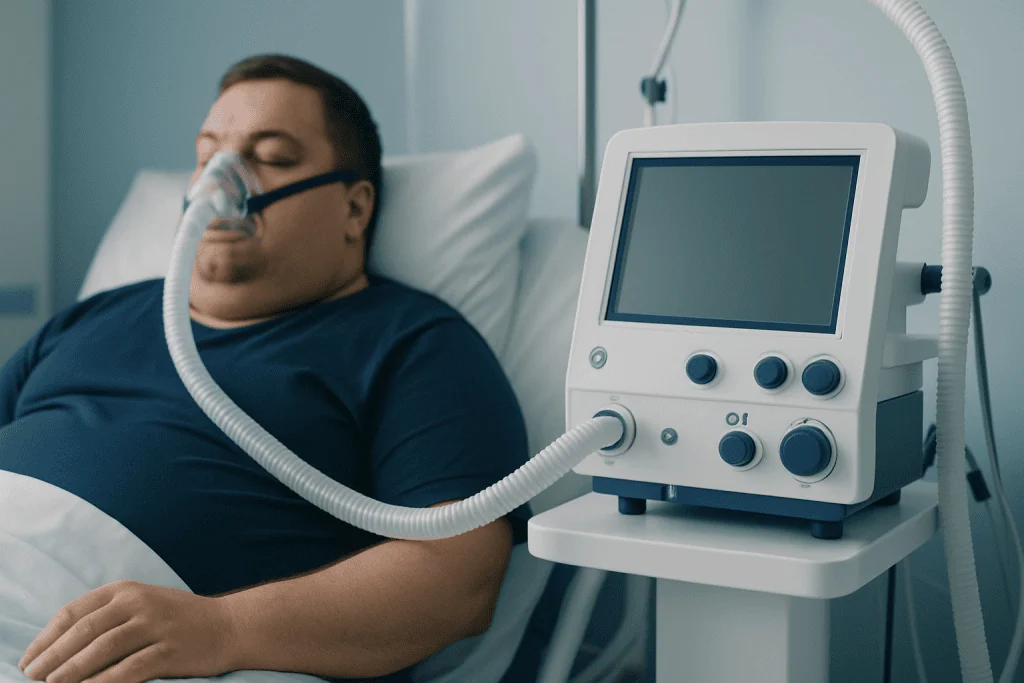
Symptoms often develop gradually, which is one reason the condition may be overlooked. A person may blame poor sleep, stress, or weight gain alone, without realizing that breathing is being affected. Family members or bed partners sometimes notice the earliest signs first.
Common symptoms can include:
- Loud, frequent snoring
- Pauses in breathing during sleep
- Excessive daytime sleepiness
- Morning headaches
- Waking up unrefreshed
- Shortness of breath, especially with activity
- Trouble concentrating or memory problems
- Swelling in the legs or ankles in more advanced cases
Some people also develop a bluish tinge to the lips or fingertips when oxygen levels are low, or they may feel unusually fatigued even after a full night in bed. Over time, untreated low oxygen and high carbon dioxide can place strain on the heart and blood vessels.
Because these symptoms overlap with other disorders, diagnosis should not be based on symptoms alone. Persistent sleepiness, unexplained morning headaches, or worsening breathlessness are good reasons to seek medical assessment.
Why it happens: causes and risk factors

The main cause of pickwickian syndrome is the combined effect of obesity and reduced ventilation. Extra weight around the chest wall and abdomen can physically limit lung expansion. This makes breathing more labor-intensive, especially when lying down or sleeping. In some people, the brain’s normal drive to breathe may also become less responsive to rising carbon dioxide levels.
Obstructive sleep apnea is closely linked to this condition. During sleep, the upper airway may repeatedly narrow or collapse, further lowering oxygen levels and disrupting normal breathing. However, not everyone with sleep apnea has obesity hypoventilation syndrome, and not everyone with obesity develops it.
Important risk factors include:
- Obesity, especially severe obesity
- Large neck circumference or upper body fat distribution
- Obstructive sleep apnea
- Reduced physical activity or deconditioning
- Use of sedatives, alcohol, or opioid medications that suppress breathing
- Underlying lung or neuromuscular conditions that affect ventilation
Doctors also consider other conditions that may worsen symptoms, such as chronic lung disease, heart disease, hypothyroidism, and fluid retention. Identifying these factors helps shape a treatment plan that addresses the whole picture rather than only the sleep-related symptoms.
How doctors diagnose pickwickian syndrome
Diagnosis begins with a careful medical history and physical examination. The clinician will ask about snoring, daytime fatigue, witnessed breathing pauses, morning headaches, and shortness of breath. Body weight, blood pressure, oxygen level, and signs of heart or lung strain are also reviewed.
A key part of diagnosis is confirming daytime hypoventilation. This usually means showing elevated carbon dioxide in the blood while awake, often through an arterial blood gas test. Blood oxygen levels may also be low. A sleep study is commonly recommended to identify associated sleep apnea and understand what happens to breathing during the night.
Other tests may include chest imaging, pulmonary function tests, electrocardiography, and blood tests to look for related causes or complications. Doctors may also assess for obesity-related conditions that can influence treatment decisions, including obesity itself and cardiometabolic disease.
Because symptoms can resemble other respiratory or sleep disorders, diagnosis should be made by a qualified physician, often with input from sleep medicine, pulmonary, internal medicine, or cardiology specialists. An accurate diagnosis is important because treatment can be very effective when matched to the person’s needs.
Treatment options and long-term management
Treatment aims to improve breathing, normalize oxygen and carbon dioxide levels, reduce strain on the heart, and help the person feel more alert and functional during the day. Management often combines respiratory support during sleep with weight reduction and treatment of related medical problems.
For many patients, the first-line treatment is positive airway pressure at night. This may involve sleep apnea treatment using CPAP or, in some cases, bilevel positive airway pressure if additional ventilatory support is needed. These devices help keep the airway open and can support more effective breathing while asleep.
Weight management is also central. Even modest weight loss may improve symptoms, and larger reductions can lead to meaningful changes in breathing and sleep quality. Depending on the situation, care may include nutrition counseling, structured lifestyle programs, supervised exercise, and, for selected patients, obesity surgery when conservative measures are not enough.
Some people need supplemental oxygen, but oxygen alone is not usually the main treatment because it does not correct the underlying hypoventilation. Doctors also manage coexisting conditions such as high blood pressure, heart strain, diabetes, and cardiology care needs when present. Near the end of the care pathway, multidisciplinary assessment can be valuable; Acibadem International’s JCI-accredited hospitals and specialists diagnose and treat this condition for international patients.
Daily self-care and prevention strategies
There is no single way to prevent every case, but several practical steps can lower risk and support treatment. The most important long-term strategy is reaching and maintaining a healthier body weight under medical guidance. This can reduce pressure on the chest and abdomen and improve sleep-related breathing.
Helpful self-care measures include:
- Using prescribed CPAP or bilevel ventilation consistently every night
- Following a structured weight-management plan
- Staying physically active as advised by a doctor
- Avoiding alcohol or sedative medicines close to bedtime unless specifically approved
- Sleeping on a schedule and addressing poor sleep habits
- Attending regular follow-up visits to check oxygen, carbon dioxide, and device effectiveness
People should not stop breathing support treatment on their own just because they feel better after a few nights or weeks. Symptoms often improve before the underlying risk is fully controlled. Ongoing follow-up helps confirm that treatment remains effective over time.
Household support can also help. Bed partners may notice mask problems, worsening snoring, or signs that breathing remains interrupted. Involving family members can make long-term treatment easier and more sustainable.
Possible complications if it is not treated
Untreated pickwickian syndrome can gradually affect more than sleep. Persistently low oxygen and high carbon dioxide may increase the risk of high blood pressure in the lungs, right-sided heart strain, worsening daytime fatigue, and repeated hospital care for breathing problems.
Some people develop poor concentration, mood changes, reduced work performance, and a higher risk of accidents because of severe daytime drowsiness. Others may notice worsening exercise tolerance, leg swelling, or signs of fluid retention. These changes are not inevitable, but they are important reasons not to ignore ongoing symptoms.
The good news is that many complications can be reduced with timely care. When breathing is better supported and contributing conditions are treated, patients often experience clearer thinking, improved energy, and better sleep quality.
When to seek medical care
Medical care is appropriate if a person has loud snoring, frequent pauses in breathing during sleep, persistent daytime sleepiness, morning headaches, or unexplained shortness of breath. These symptoms are especially important when they occur in someone who is overweight or has known sleep apnea.
Prompt assessment is also important if there is worsening fatigue, confusion, blue lips, chest discomfort, leg swelling, or reduced ability to perform daily activities. In severe cases, breathing problems can become urgent, particularly if sleepiness is extreme or oxygen levels are very low.
A healthcare professional can determine whether symptoms are due to pickwickian syndrome or another condition and can arrange appropriate testing. Early evaluation often leads to more effective treatment and may help prevent long-term complications.
Frequently asked questions
Is pickwickian syndrome the same as sleep apnea?
Not exactly. Pickwickian syndrome usually refers to obesity hypoventilation syndrome, which involves poor breathing and high carbon dioxide levels while awake, often along with sleep-disordered breathing. Many people with it also have obstructive sleep apnea, but the conditions are not identical.
Can pickwickian syndrome be cured?
It can often be managed very effectively, and in some cases symptoms improve substantially with sustained weight loss and proper breathing support during sleep. Whether it is considered fully resolved depends on the underlying causes and follow-up test results. Ongoing medical supervision is important.
Who is most at risk for pickwickian syndrome?
The highest risk is seen in people with obesity, especially when excess weight affects the chest and abdomen and when obstructive sleep apnea is also present. Sedative medications, alcohol use, and certain lung or neuromuscular problems may further increase risk.
How is pickwickian syndrome tested?
Doctors usually combine a clinical evaluation with blood tests that measure oxygen and carbon dioxide, plus a sleep study to assess breathing during sleep. Additional tests may be used to check heart function, lung function, and other possible contributors.
Does everyone with obesity get pickwickian syndrome?
No. Obesity is a major risk factor, but only some people develop this breathing disorder. Other factors, such as airway obstruction during sleep, reduced ventilatory drive, body fat distribution, and coexisting medical conditions, also play a role.
What treatments help most?
Positive airway pressure during sleep, such as CPAP or bilevel ventilation, is a cornerstone of treatment for many patients. Weight management is also essential, and care may include treatment of related conditions affecting the heart, lungs, or metabolism.
References
- American Academy of Sleep Medicine
- American Thoracic Society
- National Heart, Lung, and Blood Institute
- Centers for Disease Control and Prevention
- Mayo Clinic
This article is for general information only and is not a substitute for professional medical advice. Please consult a qualified doctor about your individual situation.
Medical weight-loss options in Turkey — costs & eligibility
JCI-accredited · board-certified surgeons · reply within 24h
Add us as a Preferred Source to see more of our trusted health content across Google Search, AI Overviews and Discover.
Check your numbers in seconds
BMI, calories, due date, blood pressure and 30+ more clinical calculators — free, instant, doctor-reviewed ranges.