Piezogenic Papules: What Patients Need to Know
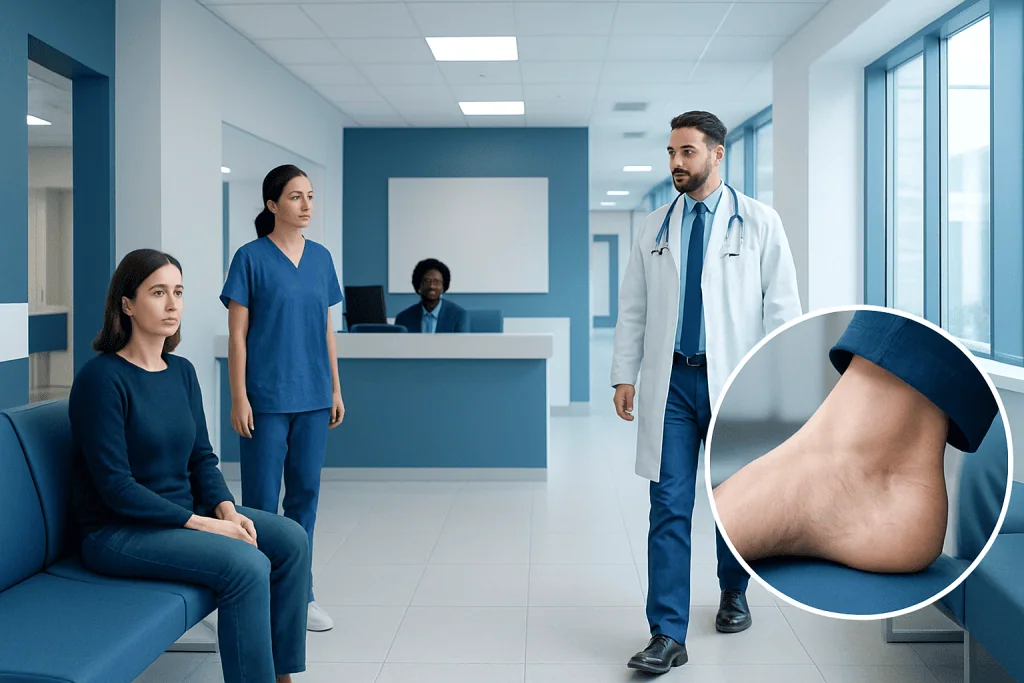
Piezogenic papules are pressure-related bumps, most commonly seen on the heels when standing. Many cases cause no symptoms and do not need treatment.
Key Takeaways
- Piezogenic papules are pressure-related bumps, most commonly seen on the heels when standing.
- Many cases cause no symptoms and do not need treatment.
- Pain may develop in people who stand for long periods, run often, or have weaker connective tissue support.
- Diagnosis is usually clinical, based on how the bumps appear with pressure and flatten at rest.
- Supportive footwear, cushioning, activity modification, and weight management can help reduce discomfort.
- A doctor should assess persistent pain, sudden changes, or bumps that do not behave like typical piezogenic papules.
Piezogenic papules are small soft bumps that appear when pressure pushes fat through connective tissue, most often on the heels. They are usually harmless, but pain, skin changes, or uncertainty about the diagnosis are good reasons to speak with a doctor.
Overview: what piezogenic papules are
Piezogenic papules are small, soft, skin-colored bumps that commonly appear on the sides or back of the heels when a person stands or puts weight on the feet. They develop when normal fat tissue beneath the skin is pushed outward through tiny gaps in the connective tissue. In many people, they are a harmless finding rather than a disease.
The name helps explain the condition: “piezo” refers to pressure, and these papules become more visible when pressure is applied. They often flatten or become less noticeable when the person sits, lifts the foot, or lies down. This pressure-dependent appearance is one of the main clues doctors use to recognize them.
Although piezogenic papules are usually associated with the heels, similar pressure-related bumps can occasionally appear in other areas exposed to repeated force. Most are painless, but some people develop tenderness or aching, especially after prolonged standing, walking, or exercise.
Because heel bumps can have several causes, patients may worry about cysts, warts, or inflammatory skin conditions. A careful exam can usually distinguish piezogenic papules from other explanations for heel lesions, including some forms of heel pain that affect nearby structures but have a different cause.
How piezogenic papules look and feel
The typical papules are small, round or slightly irregular, soft protrusions under the skin. They are often the same color as the surrounding skin or slightly yellowish, and they tend to appear in clusters. They are most visible when standing barefoot, rising onto the toes, or otherwise loading the heel.
Many people notice them by chance and have no discomfort at all. When symptoms do occur, they may include localized tenderness, a pressure sensation, aching after activity, or discomfort while wearing certain shoes. Pain is usually mechanical, meaning it is triggered or worsened by weight-bearing.
Symptoms can vary from day to day. A person may have papules that look prominent but do not hurt, while another may have fewer visible bumps yet more pain because of pressure on small blood vessels or nerves in the area. Friction, intense exercise, and hard surfaces can make symptoms more noticeable.
- Most often found on the heels
- Usually appear only with standing or pressure
- Often painless, but sometimes tender
- May be more noticeable after long periods on the feet
Why they happen: causes and risk factors

Piezogenic papules form when repeated pressure pushes the heel’s subcutaneous fat through weak points in the surrounding connective tissue. This can happen in healthy people without any underlying illness. In simple terms, the heel pad is designed to absorb force, but over time or under heavier stress, some of that tissue may bulge outward.
They are more likely to be noticed in people who spend a lot of time standing, walking, or running. Athletes, service workers, and others with repetitive foot loading may see them more clearly or have more symptoms. Body weight can also influence the amount of pressure on the heel.
Some individuals may have connective tissue that is naturally more flexible or less supportive. In certain cases, piezogenic papules have been reported alongside connective tissue disorders, though most people with these papules do not have a serious inherited condition. Doctors may consider a broader assessment if papules occur together with very stretchy skin, joint hypermobility, easy bruising, or a strong family history of connective tissue problems.
Foot structure and footwear may contribute as well. Minimal cushioning, worn-out shoes, or activities on hard surfaces can increase local pressure. In painful cases, clinicians may also check for coexisting mechanical problems in the foot or ankle that change weight distribution.
How doctors diagnose piezogenic papules
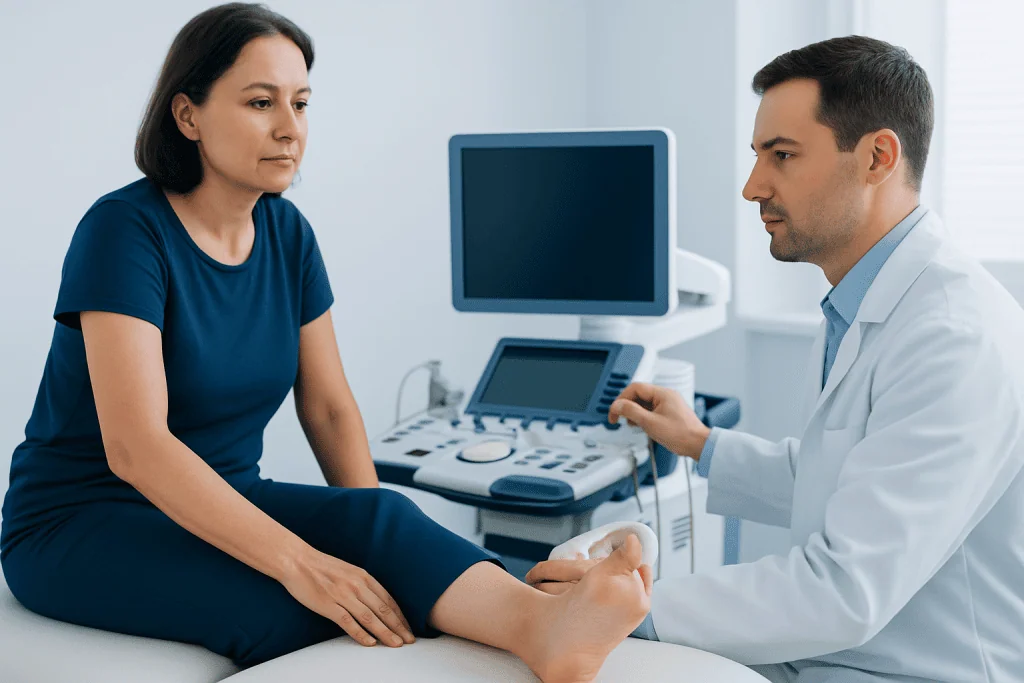
Diagnosis is usually made during a physical examination. A doctor will often ask the patient to stand so the papules become visible, then sit or lift the foot to see whether they flatten. This simple pressure test is often enough to identify classic piezogenic papules.
The medical history matters too. Questions may cover when the bumps first appeared, whether they are painful, what activities make them worse, and whether there are signs of another condition affecting the skin, joints, or connective tissue. The aim is to confirm a benign pressure-related finding and rule out less typical causes of heel lesions.
Further testing is not always needed. If the appearance is unusual, the papules are fixed rather than pressure-dependent, or there is significant pain, a doctor may consider imaging or referral to a dermatologist, orthopedist, or podiatry specialist. Imaging can sometimes help if there is uncertainty about the source of heel pain or concern about other soft-tissue problems.
Doctors may also distinguish piezogenic papules from warts, cysts, rheumatoid nodules, xanthomas, or other skin and soft-tissue lesions. When heel pain is the main complaint, evaluation may overlap with assessment for Achilles tendonitis or other common causes of discomfort in the same region.
Treatment options and symptom relief
Most piezogenic papules do not need active treatment. If they are painless, reassurance and observation are usually enough. Knowing that the bumps are benign and pressure-related can itself be very helpful, especially for patients who feared a tumor, infection, or another serious problem.
When papules are painful, treatment focuses on reducing pressure and improving heel support. This may include cushioned shoes, heel cups, soft insoles, avoiding prolonged standing when possible, and adjusting high-impact exercise. For some people, symptoms improve with simple measures that reduce repeated stress on the heel pad.
If symptoms are linked to foot mechanics, clinicians may suggest orthotic support or referral for rehabilitation approaches such as physical therapy and rehabilitation. Exercise plans may be modified to reduce impact while maintaining fitness. In selected cases where structural foot issues are contributing, a broader orthopedic evaluation may be appropriate, sometimes alongside services related to orthopedics and traumatology.
Rarely, persistent painful cases may need specialist management. The exact approach depends on the person’s anatomy, symptoms, and whether another condition is present. Any invasive treatment should be considered carefully, since many patients respond well to conservative care and do not require procedures.
Self-care, footwear, and prevention strategies
Self-care aims to reduce the pressure that makes piezogenic papules more visible and, in some people, painful. Supportive footwear with adequate heel cushioning is often the most practical step. Shoes that have lost their shock absorption may need replacing, especially for people who walk or stand on hard surfaces for much of the day.
Activity modification can also help. A person with symptoms may benefit from alternating high-impact exercise with lower-impact activities, taking regular sitting breaks, and avoiding long periods barefoot on hard floors. If excess body weight is adding strain to the heels, gradual lifestyle-based weight management may lessen symptoms over time.
Simple home strategies may include rest after symptom flare-ups and keeping a record of which activities trigger pain. Patients should avoid self-diagnosing every heel bump as a piezogenic papule, since warts, calluses, and other conditions can look similar to an untrained eye.
For people with recurring foot discomfort, a medical assessment may uncover additional factors such as gait changes, inflammation, or tendon overload. In some cases, support from foot and ankle care services may be helpful if symptoms are persistent or if another heel problem is suspected.
When to seek medical care
Medical care is a good idea if heel bumps are painful, keep returning, interfere with walking, or do not clearly match the usual pattern of piezogenic papules. Patients should also seek assessment if the bumps appear without pressure, become red or inflamed, bleed, ulcerate, or change quickly in size or shape. These features are not typical and deserve a professional opinion.
A doctor should also be consulted if there are symptoms beyond the heel, such as widespread joint hypermobility, frequent sprains, unusual skin fragility, or a family history of connective tissue disorders. While piezogenic papules are often harmless, these associated signs may justify a broader evaluation.
If the main problem is significant heel pain rather than the appearance of the papules, it is important to consider other causes. The pain may come from nearby tendons, fascia, joints, or nerves rather than the papules themselves. A careful examination helps guide the next steps and prevents unnecessary worry.
Near the end of the care pathway, patients who need multidisciplinary assessment may be seen by dermatology, orthopedics, rehabilitation, or imaging specialists. Acibadem International’s multidisciplinary specialists in JCI-accredited hospitals diagnose and treat foot and skin-related conditions for international patients when further evaluation is needed.
Frequently asked questions
Are piezogenic papules dangerous?
Usually not. Piezogenic papules are commonly a benign pressure-related finding, especially when they appear only on standing and do not cause symptoms. A doctor should assess them if they are painful, changing, inflamed, or uncertain in appearance.
Do piezogenic papules go away on their own?
They may become less noticeable when pressure is removed, but they often persist over time. In many people, they do not need to fully disappear because they cause no harm. Symptomatic cases may improve with cushioning, footwear changes, and reduced heel stress.
Why do piezogenic papules hurt in some people but not others?
Pain may occur when pressure affects small nerves or blood vessels, or when the heel is exposed to repeated stress. Foot mechanics, activity level, body weight, and connective tissue support can all influence symptoms. Some people have visible papules with no discomfort at all.
Can runners or athletes get piezogenic papules more often?
Yes, repeated impact and prolonged loading of the heel can make piezogenic papules more likely to appear or become symptomatic. They can be seen in runners, athletes, and people whose jobs involve long hours standing. Proper shoes and recovery time may help reduce symptoms.
How are piezogenic papules different from plantar warts?
Piezogenic papules are soft bulges of fat tissue that usually appear with pressure and flatten at rest. Plantar warts are caused by a viral infection and tend to remain present regardless of position, often with a rough surface. A doctor can usually tell the difference during an exam.
Do piezogenic papules mean someone has a connective tissue disorder?
Not usually. Most people with piezogenic papules do not have a serious connective tissue disease. However, if they occur along with joint hypermobility, very stretchy skin, easy bruising, or a relevant family history, a clinician may consider further evaluation.
This article is for general information only and is not a substitute for professional medical advice. Please consult a qualified doctor about your individual situation.
Explore treatments in Turkey — costs, top hospitals & a free quote
JCI-accredited · board-certified surgeons · reply within 24h
Add us as a Preferred Source to see more of our trusted health content across Google Search, AI Overviews and Discover.

More from the Health Library

Cleanser Oil: A Complete Medical Overview

Stopping Lying: An Evidence-Based Guide for Patients

Ck Lab Test: An Evidence-Based Guide for Patients

Scabs on Scalp: A Complete Medical Overview

Benign Mole: An Evidence-Based Guide for Patients