Pinto Beans — Explained by Medical Evidence, Not Myths

Pinto beans are rich in fiber, plant protein, folate, iron, magnesium, and potassium. They may help support cholesterol control, blood sugar balance, bowel regularity, and fullness after meals.
Key Takeaways
- Pinto beans are rich in fiber, plant protein, folate, iron, magnesium, and potassium.
- They may help support cholesterol control, blood sugar balance, bowel regularity, and fullness after meals.
- Gas and bloating are common at first, especially if legumes are introduced quickly.
- Dry pinto beans must be cooked thoroughly; undercooked beans can cause digestive illness.
- People with kidney disease, certain digestive disorders, or specific diet restrictions may need individualized advice.
Pinto beans are a nutritious legume that can support digestive, heart, and metabolic health when prepared properly and eaten as part of a balanced diet. Medical evidence suggests they are a useful source of fiber, plant protein, vitamins, and minerals, but they may not suit everyone equally and should be cooked safely.
What are pinto beans, and are they healthy?
Pinto beans are a type of legume commonly eaten in many traditional cuisines. From a medical nutrition perspective, they are generally considered a healthy food because they provide complex carbohydrates, plant protein, dietary fiber, and a range of vitamins and minerals with relatively little saturated fat. For most people, pinto beans can be part of a heart-conscious, balanced eating pattern.
What makes pinto beans especially useful is their nutritional density. They deliver energy slowly, which can help with satiety and steadier blood sugar responses compared with more refined carbohydrate foods. They also contain compounds naturally found in plants, including polyphenols and other bioactive substances that are being studied for their potential role in long-term health.
Like many healthy foods, pinto beans are not a cure-all. Their effects depend on portion size, how they are prepared, what they are eaten with, and a person’s overall health. For example, pinto beans cooked with large amounts of salt or processed meats will not have the same overall health profile as beans prepared with vegetables, herbs, and moderate sodium.
Pinto beans nutrition: what they provide

Pinto beans are valued because they combine several important nutrients in one food. They are particularly known for their high fiber content, which supports digestion and can help people feel full after eating. They also provide plant-based protein, making them useful for people who eat less meat or want more variety in their protein sources.
In addition, pinto beans contain folate, iron, magnesium, potassium, phosphorus, and other micronutrients that support normal body functions. Folate is important for cell growth and is especially relevant during pregnancy. Magnesium and potassium help with muscle, nerve, and cardiovascular function, while iron supports oxygen transport in the blood.
The exact nutrition profile varies with serving size and preparation method. Canned pinto beans may be convenient, but they can contain added sodium. Dry beans often allow more control over ingredients. Rinsing canned beans can help reduce some surface sodium, and combining beans with vegetables, whole grains, and healthy fats can create a more balanced meal.
- Fiber for bowel regularity and fullness
- Plant protein for muscle and tissue support
- Folate for cell development
- Iron for red blood cell function
- Magnesium and potassium for heart and muscle health
Evidence-based health benefits of pinto beans
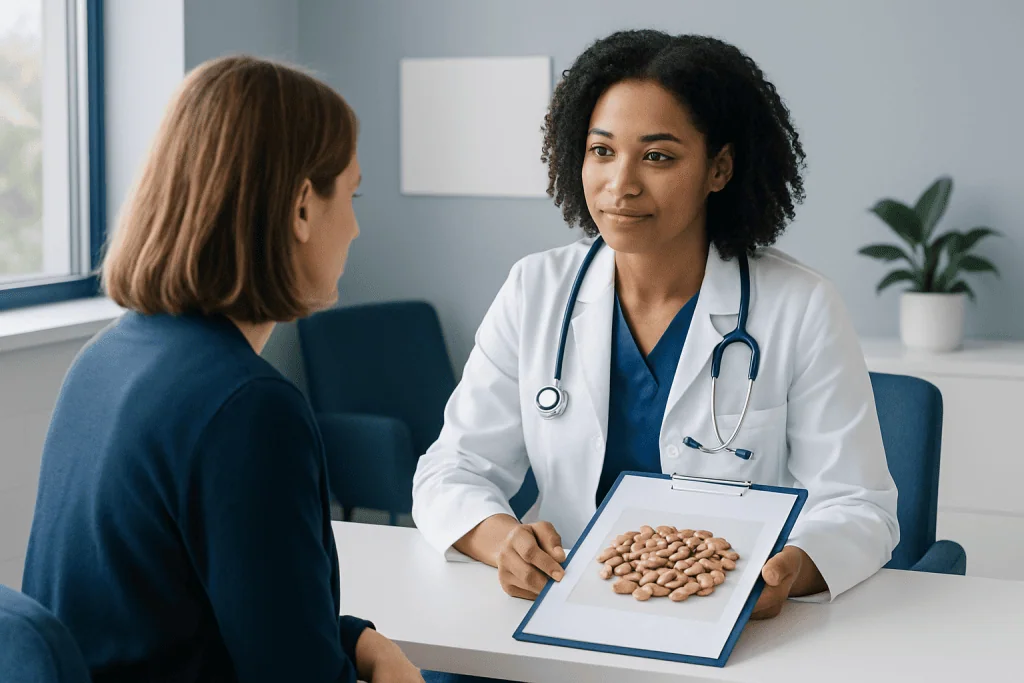
Research on legumes as a food group suggests that foods such as pinto beans may support cardiometabolic health. Their soluble and insoluble fibers can help with cholesterol management and digestive health, while their slow-digesting carbohydrate profile may improve meal-to-meal blood sugar control. This makes pinto beans a helpful option in eating plans designed to reduce risk factors for chronic disease.
Pinto beans may also support weight management in a practical way. High-fiber, high-protein foods often increase satiety, which can reduce the urge to snack soon after eating. They are not a weight-loss treatment on their own, but they can fit well into medically guided obesity treatment plans that emphasize sustainable eating habits.
There is also growing interest in how beans affect gut health. Their fiber and resistant starch can feed beneficial gut bacteria, which may contribute to healthier bowel function and a more balanced intestinal environment. People with bowel sensitivity, however, may need to introduce beans slowly. Those with persistent digestive symptoms should be evaluated for conditions such as irritable bowel syndrome or other gastrointestinal disorders.
Possible downsides, side effects, and who should be cautious
The most common side effects of pinto beans are gas, bloating, and abdominal discomfort, especially in people who do not regularly eat legumes. This happens because some of the carbohydrates in beans are fermented by bacteria in the colon. These symptoms are usually not dangerous, but they can be uncomfortable. Gradually increasing intake and drinking enough water often helps.
Another important issue is food safety. Dry pinto beans should be soaked if desired and then cooked thoroughly until soft. Undercooked beans can contain natural compounds called lectins, which may trigger nausea, vomiting, or diarrhea. Slow cookers may not always reach a high enough temperature early in cooking, so safe preparation methods matter.
Some people may need individualized advice before eating larger amounts of beans. Those with advanced kidney disease may need guidance about potassium, phosphorus, or protein intake. People with inflammatory bowel conditions, severe reflux, or ongoing abdominal pain may tolerate beans differently. In selected cases, a doctor may recommend nutritional assessment, blood tests, or digestive evaluation, and imaging such as MRI may be used when symptoms point to another underlying cause rather than food intolerance alone.
Pinto beans and blood sugar, heart health, and digestion
Pinto beans are often discussed in relation to blood sugar because they digest more slowly than many refined starches. Their fiber and protein content can reduce sharp rises in blood glucose after meals, particularly when they replace highly processed carbohydrates. For people with diabetes or prediabetes, this can be a useful dietary strategy, though medication and meal planning should always be individualized.
They may also support heart health in several ways. Diets rich in legumes are commonly associated with better cholesterol patterns and improved overall diet quality. Pinto beans are naturally low in cholesterol and low in saturated fat, and they can serve as a substitute for some processed or fatty animal protein sources.
Digestive effects can be both beneficial and challenging. In many people, regular bean intake improves stool consistency and bowel regularity because of the fiber content. In others, especially those with chronic bloating or altered bowel habits, beans may worsen symptoms unless introduced carefully. If digestive complaints are frequent or severe, doctors may consider assessment by specialists in gastroenterology to rule out food intolerance, malabsorption, or another gastrointestinal condition.
How to cook and eat pinto beans in a healthy way
For dry pinto beans, sorting and rinsing before cooking is a standard first step. Soaking can shorten cooking time and may improve texture, though it is not always essential. Beans should then be boiled or pressure-cooked until fully tender. Proper cooking improves digestibility and reduces the risk linked to undercooked legumes.
Canned pinto beans can be a practical alternative, especially for people who want convenience. Choosing lower-sodium varieties and rinsing them before use can make them better suited to heart-conscious eating patterns. Healthy ways to serve pinto beans include adding them to soups, grain bowls, salads, vegetable dishes, or simple stews.
Preparation matters as much as the beans themselves. Dishes high in sodium, cream, or processed meats can reduce the overall health value of the meal. A more balanced approach is to pair pinto beans with vegetables, whole grains, olive oil, herbs, and moderate seasoning. For people who are new to beans, starting with small portions and increasing gradually may reduce bloating.
- Cook dry beans until fully soft
- Rinse canned beans to reduce some sodium
- Increase portions gradually if legumes are new to the diet
- Pair with vegetables and whole grains for balanced meals
- Limit heavily salted or highly processed add-ins
When to seek medical care
Pinto beans commonly cause mild gas or bloating, and this alone usually does not require urgent medical attention. However, medical advice is important if symptoms are severe, persistent, or out of proportion to what would be expected after eating beans. Examples include repeated vomiting, significant abdominal pain, dehydration, blood in the stool, unintentional weight loss, or symptoms that continue even after avoiding trigger foods.
People should also seek care if they suspect a food allergy, although true bean allergy is less common than simple intolerance. Warning signs can include hives, swelling, wheezing, or trouble breathing after eating. These symptoms need prompt evaluation, and severe reactions require emergency care.
Anyone with diabetes, kidney disease, chronic digestive disease, or a medically restricted diet may benefit from personalized nutrition advice before making major dietary changes. Near the end of the care pathway, multidisciplinary specialists at Acibadem International and its JCI-accredited hospitals diagnose and treat digestive and metabolic conditions for international patients when further assessment is needed.
Frequently asked questions
Are pinto beans good for weight loss?
Pinto beans can support weight management because they are filling and provide fiber and protein. They are not a weight-loss treatment by themselves, but they may help reduce hunger when included in balanced meals.
Do pinto beans raise blood sugar?
Pinto beans usually have a gentler effect on blood sugar than many refined carbohydrate foods. Their fiber and protein can slow digestion, but portion size and the rest of the meal still matter.
Why do pinto beans cause gas?
They contain certain carbohydrates that are fermented by gut bacteria, which can produce gas. This is common and often improves when beans are introduced gradually and eaten regularly over time.
Are canned pinto beans as healthy as dry beans?
Canned pinto beans can still be nutritious and are a convenient option. The main issue is that some canned products contain more sodium, so choosing lower-salt versions and rinsing them can help.
Can everyone eat pinto beans?
Most people can eat pinto beans safely, but not everyone tolerates them the same way. People with kidney disease, certain digestive conditions, or individualized diet restrictions may need advice from a doctor or dietitian.
What is the healthiest way to eat pinto beans?
A healthy approach is to cook them thoroughly and combine them with vegetables, whole grains, and moderate amounts of healthy fats. Meals that are very high in salt or processed meats may reduce their overall health value.
References
- World Health Organization
- U.S. Department of Agriculture
- American Heart Association
- National Institute of Diabetes and Digestive and Kidney Diseases
- Academy of Nutrition and Dietetics
This article is for general information only and is not a substitute for professional medical advice. Please consult a qualified doctor about your individual situation.
Explore treatments in Turkey — costs, top hospitals & a free quote
JCI-accredited · board-certified surgeons · reply within 24h
Add us as a Preferred Source to see more of our trusted health content across Google Search, AI Overviews and Discover.
Check your numbers in seconds
BMI, calories, due date, blood pressure and 30+ more clinical calculators — free, instant, doctor-reviewed ranges.

More from the Health Library

Nitrite Positive Urine: An Evidence-Based Guide for Patients

Leafy Greens — Explained by Medical Evidence, Not Myths

Pumpkin Seeds High in Magnesium: A Complete Medical Overview

Newborn Lip Blister: An Evidence-Based Guide for Patients

Intensive Bowel Support Probiotic — Explained by Medical Evidence, Not Myths