Placenta: An Evidence-Based Guide for Patients

The placenta connects the pregnant person and baby, but their blood does not usually mix directly. It supplies oxygen and nutrients, removes waste, and produces hormones that support pregnancy.
Key Takeaways
- The placenta connects the pregnant person and baby, but their blood does not usually mix directly.
- It supplies oxygen and nutrients, removes waste, and produces hormones that support pregnancy.
- Common placenta-related conditions include placenta previa, placental abruption, and placenta accreta spectrum.
- Regular prenatal care helps monitor placental health and fetal growth.
- Vaginal bleeding, severe abdominal pain, or reduced fetal movement need urgent medical evaluation.
The placenta is a temporary organ that develops during pregnancy to deliver oxygen and nutrients to the baby, remove waste, and support hormone production. Most placentas work normally, but some conditions can affect pregnancy and need prompt medical attention.
Overview: what the placenta is and why it matters
The placenta is an organ that forms in the uterus during pregnancy. It attaches to the uterine wall and connects to the baby through the umbilical cord. Its main job is to support the baby’s growth by delivering oxygen and nutrients, removing waste products, and producing hormones that help maintain pregnancy.
Although the placenta allows exchange between the pregnant person and the baby, their blood does not usually mix directly. Instead, nutrients and gases pass across a thin barrier within the placenta. This highly specialized structure acts as a lifeline throughout pregnancy and is normally delivered shortly after the baby is born.
The placenta can vary in shape, location, and exact appearance while still being normal. It may attach to the front, back, top, or side of the uterus. In some pregnancies, however, the placenta develops or implants in a way that increases the risk of bleeding, problems with fetal growth, or complications during delivery.
How the placenta works during pregnancy
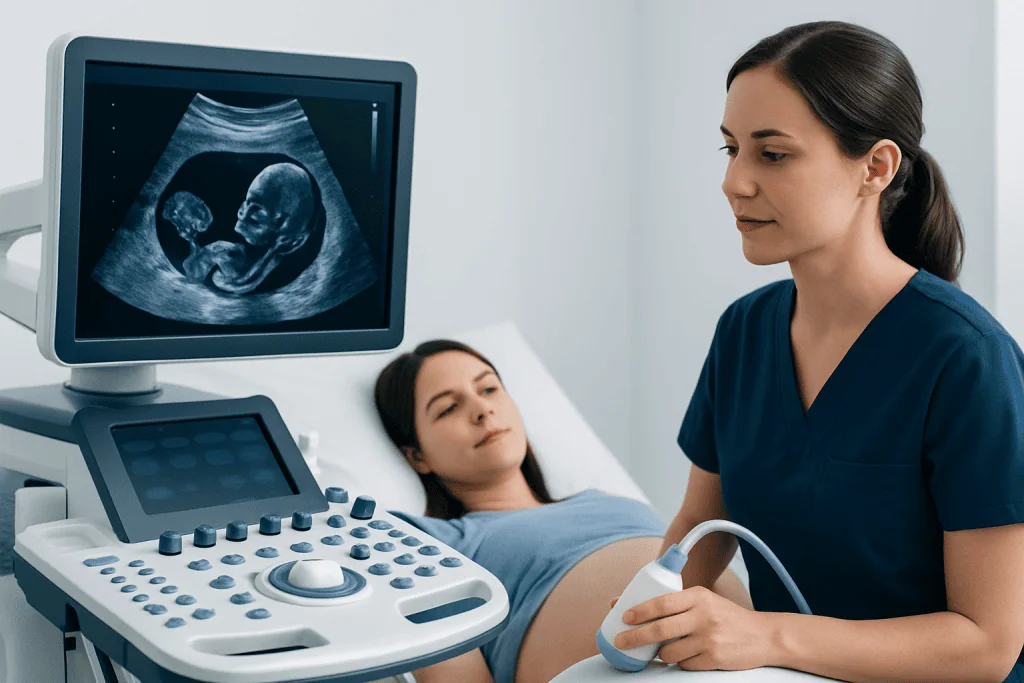
The placenta begins forming soon after implantation of the fertilized egg. As pregnancy progresses, it develops a rich network of blood vessels that allows efficient exchange between the mother’s circulation and the baby’s circulation. Through this system, oxygen and nutrients such as glucose, amino acids, and fatty acids reach the baby.
At the same time, the placenta helps remove carbon dioxide and waste products from the baby’s blood so they can be cleared by the mother’s body. It also has an important hormone-producing role. Hormones made by the placenta help maintain the uterine lining, support fetal development, and prepare the body for childbirth and breastfeeding.
The placenta also has some protective functions, though it is not a complete barrier. Some infections, medications, alcohol, nicotine, and other substances can cross the placenta and affect the baby. That is why healthy lifestyle choices, medication review, and regular prenatal care are important throughout pregnancy.
- Supplies oxygen to the baby
- Transfers nutrients needed for growth
- Removes waste products
- Produces pregnancy-supporting hormones
- Helps support immune and protective functions
Common placenta problems and their symptoms
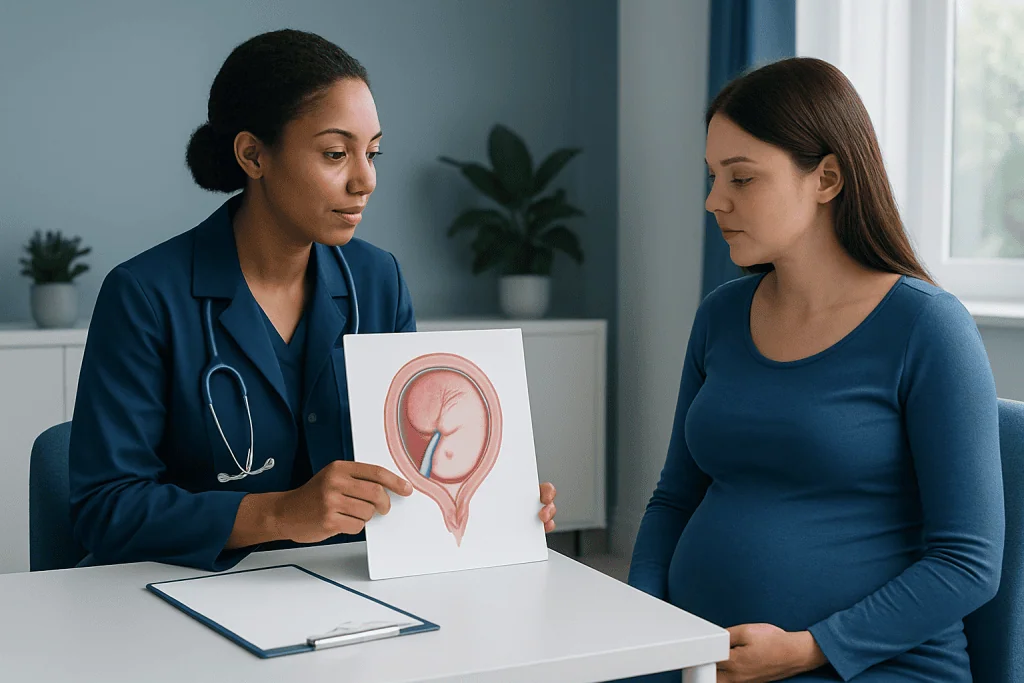
Several medical conditions can affect the placenta. One of the best known is placenta previa, in which the placenta partially or completely covers the cervix. This can cause painless vaginal bleeding later in pregnancy and may affect the safest method of delivery. Another important condition is placental abruption, where the placenta separates from the uterine wall too early. This may cause abdominal pain, uterine tenderness, contractions, and bleeding, although bleeding is not always visible.
Placenta accreta spectrum happens when the placenta grows too deeply into the uterine wall. It may not cause clear symptoms during pregnancy, but it can lead to serious bleeding at the time of delivery because the placenta does not separate normally. In some cases, ultrasound or MRI raises suspicion before birth so the delivery can be carefully planned.
Other placental concerns include placental insufficiency, in which the placenta does not deliver enough oxygen and nutrients for normal growth, and retained placenta after childbirth. Placental insufficiency may be suspected if the baby is measuring small or fetal movements change. Retained placenta can cause bleeding and infection risk after delivery.
Symptoms that may suggest a placenta-related problem include vaginal bleeding, sudden abdominal or back pain, frequent contractions, reduced fetal movement, or signs of preterm labor. These symptoms do not always mean there is a placental disorder, but they should not be ignored.
Causes and risk factors
Placenta-related conditions do not have a single cause. They usually develop through a combination of implantation patterns, uterine anatomy, maternal health factors, and events during pregnancy. Many people who develop a placental complication did nothing to cause it, and early recognition is more helpful than self-blame.
Risk factors for placenta previa can include prior cesarean birth, previous uterine surgery, multiple pregnancy, and a placenta implanted low in the uterus early in pregnancy. Placental abruption is more likely in people with high blood pressure, trauma, smoking, cocaine use, or a history of abruption. Placenta accreta spectrum is more common after prior cesarean delivery, especially when paired with placenta previa.
Conditions affecting blood flow and maternal health can also influence placental function. These may include chronic hypertension, preeclampsia, diabetes, kidney disease, autoimmune disorders, or clotting disorders. In some pregnancies, no clear risk factor is identified.
- Previous cesarean section or uterine surgery
- High blood pressure or preeclampsia
- Smoking or substance exposure
- Multiple pregnancy
- History of placental complications
- Maternal medical conditions that affect blood vessels
How doctors diagnose placenta conditions
Diagnosis usually begins with prenatal visits, symptom review, and ultrasound. Ultrasound is the main imaging test used to check the placenta’s location, appearance, and relationship to the cervix. It can also assess fetal growth, amniotic fluid, and blood flow patterns. If placenta previa is suspected, transvaginal ultrasound may be used because it gives a clearer view and is generally considered safe when performed by trained professionals.
In some cases, doctors may recommend MRI to better define possible placenta accreta spectrum or other complex findings. Blood tests may also be used to evaluate anemia after bleeding or to monitor maternal health. Fetal monitoring can help assess the baby’s well-being, especially if there is concern about placental insufficiency, abruption, or reduced fetal movement.
Diagnosis often depends on the stage of pregnancy. A low-lying placenta seen in the second trimester may move upward as the uterus grows, so repeat imaging is common. The purpose of monitoring is not only to name the condition, but also to guide timing of delivery, reduce bleeding risk, and support the safest care plan for both parent and baby.
When specialized imaging or treatment planning is needed, care may involve experts in perinatology and high-risk obstetrics. If significant bleeding occurs or surgery is expected, multidisciplinary preparation can be important.
Treatment options and pregnancy management
Treatment depends on the specific placental condition, the severity of symptoms, the baby’s gestational age, and the health of the pregnant person. Some findings only need close follow-up. For example, a low-lying placenta without bleeding may be monitored with repeat ultrasound. In other situations, hospital observation, fetal monitoring, activity modification, or planning an earlier delivery may be appropriate.
For placenta previa, treatment focuses on preventing and managing bleeding and deciding the safest time and route of delivery. Cesarean birth is often needed if the placenta covers the cervix. In placental abruption, management varies widely. Mild cases may be monitored carefully, while severe cases can require urgent delivery. Placenta accreta spectrum often needs delivery in a center prepared for possible heavy bleeding and complex surgery.
If the placenta is not functioning well and the baby is not growing normally, doctors may recommend more frequent scans, nonstress testing, or planned delivery when the risks of staying pregnant become greater than the risks of birth. Some pregnancies also need expert neonatal support, depending on gestational age and fetal condition.
Treatment may include coordinated care with specialists in obstetrics and gynecology, advanced fetal imaging, anesthesia, blood bank services, and newborn care. Acibadem International’s multidisciplinary specialists and JCI-accredited hospitals diagnose and treat placenta-related conditions for international patients when complex pregnancy care is needed.
Prevention and self-care during pregnancy
Not all placental problems can be prevented, but healthy prenatal care lowers risk and improves early detection. Attending scheduled prenatal appointments allows doctors to monitor blood pressure, fetal growth, and placental location. Taking medications only as advised by a qualified clinician is also important, because some substances can affect pregnancy and placental function.
General self-care measures include avoiding smoking, alcohol, and recreational drugs; managing chronic conditions such as hypertension or diabetes; eating a balanced diet; and seeking guidance before travel or strenuous activity if a placental condition has already been diagnosed. People with bleeding or contractions should follow their doctor’s instructions closely, which may include pelvic rest or temporary activity limits in selected cases.
Tracking fetal movement in the third trimester can also be helpful, especially when recommended by a clinician. A clear drop in the baby’s usual movement pattern should prompt medical review. Good self-care is not a substitute for medical evaluation, but it supports safer pregnancy management.
- Keep all prenatal visits and recommended ultrasounds
- Avoid tobacco, alcohol, and non-prescribed drugs
- Manage blood pressure, diabetes, and other chronic conditions
- Report bleeding, pain, or reduced fetal movement promptly
- Ask before taking new medicines or supplements
When to seek medical care
Immediate medical care is important for vaginal bleeding during pregnancy, especially in the second or third trimester. Urgent evaluation is also needed for severe abdominal pain, a hard or tender uterus, strong regular contractions, fainting, trauma to the abdomen, or any sudden decrease in fetal movement. These symptoms can have different causes, but placental problems are among the conditions doctors need to rule out quickly.
Non-urgent medical advice is still worthwhile for milder concerns, such as intermittent spotting, questions after an ultrasound finding, or uncertainty about activity restrictions. A doctor or midwife can explain what the placental finding means, whether follow-up imaging is needed, and how it may affect delivery planning.
After birth, care should also be sought for heavy bleeding, fever, severe pelvic pain, or feeling unwell, as retained placenta or postpartum complications may need treatment. If surgery becomes necessary because of placenta-related complications, options such as cesarean section may be part of a planned and closely monitored approach.
Frequently asked questions
What does the placenta do?
The placenta is the organ that supports the baby during pregnancy. It delivers oxygen and nutrients, removes waste products, and produces hormones that help the pregnancy continue normally.
Can a placenta problem harm the baby?
Some placenta problems can affect the baby’s growth, oxygen supply, or the timing of delivery. With regular monitoring and timely treatment, many pregnancies can still be managed safely.
Is vaginal bleeding always a sign of placenta previa or abruption?
No. Bleeding in pregnancy can happen for several reasons, including conditions unrelated to the placenta. However, any bleeding during pregnancy should be assessed by a qualified clinician because placenta-related causes can be serious.
Can the placenta move during pregnancy?
The placenta itself does not move on its own, but its position relative to the cervix can appear to change as the uterus grows. This is why a low-lying placenta seen earlier in pregnancy may no longer be low later on.
How is placental health checked?
Doctors usually assess the placenta with ultrasound during prenatal care. They may also monitor fetal growth, blood flow, maternal symptoms, and fetal heart patterns if there is concern about placental function.
Can placental problems be prevented?
Not all placental disorders can be prevented. Still, prenatal care, control of chronic conditions, and avoiding smoking and harmful substances can reduce risk and help problems be found earlier.
References
- American College of Obstetricians and Gynecologists
- Society for Maternal-Fetal Medicine
- National Institute of Child Health and Human Development
- World Health Organization
- Centers for Disease Control and Prevention
This article is for general information only and is not a substitute for professional medical advice. Please consult a qualified doctor about your individual situation.
Explore treatments in Turkey — costs, top hospitals & a free quote
JCI-accredited · board-certified surgeons · reply within 24h
Add us as a Preferred Source to see more of our trusted health content across Google Search, AI Overviews and Discover.
Check your numbers in seconds
BMI, calories, due date, blood pressure and 30+ more clinical calculators — free, instant, doctor-reviewed ranges.