Pleural Effusion After Heart Bypass Surgery: Shortness of Breath and Treatment

Pleural effusion can occur after coronary artery bypass grafting because of inflammation, fluid shifts, bleeding, heart failure, or less commonly infection or other complications. Symptoms may include shortness of breath, reduced exercise tolerance, chest heaviness, cough, or discomfort when taking a deep breath.
Key Takeaways
- Pleural effusion can occur after coronary artery bypass grafting because of inflammation, fluid shifts, bleeding, heart failure, or less commonly infection or other complications.
- Symptoms may include shortness of breath, reduced exercise tolerance, chest heaviness, cough, or discomfort when taking a deep breath.
- Diagnosis usually involves a physical examination and chest imaging, and sometimes ultrasound-guided fluid sampling to identify the cause.
- Treatment ranges from careful monitoring and medicines to drainage procedures when the effusion is large, persistent, infected, or causing significant symptoms.
- Patients should seek prompt medical advice for worsening breathlessness, fever, chest pain, fainting, rapid weight gain, or oxygen levels lower than advised by their care team.
Pleural effusion after heart bypass surgery means extra fluid has collected in the space around the lung, which can make breathing feel harder during recovery. It is often manageable, but new or worsening shortness of breath should always be assessed by a healthcare professional.
Overview
Pleural effusion is a buildup of fluid in the pleural space, the thin area between the lung and the chest wall. After coronary artery bypass grafting, often called CABG or heart bypass surgery, a small amount of pleural fluid is relatively common during recovery. It may be found on a chest X-ray even when a person has only mild symptoms or no symptoms at all.
The fluid can collect on one side or both sides of the chest. After bypass surgery, it is often more noticeable on the left side, especially if the left internal mammary artery was used as a graft. In many patients, a small effusion gradually improves as the body heals and inflammation settles.
However, pleural effusion can also contribute to shortness of breath after bypass surgery, particularly if the amount of fluid is moderate or large. Because breathlessness after heart surgery can have several possible causes, including lung, heart, blood clot, rhythm, or anemia-related problems, it is important for the surgical or cardiology team to evaluate symptoms rather than assuming the cause.
Symptoms and How It Feels
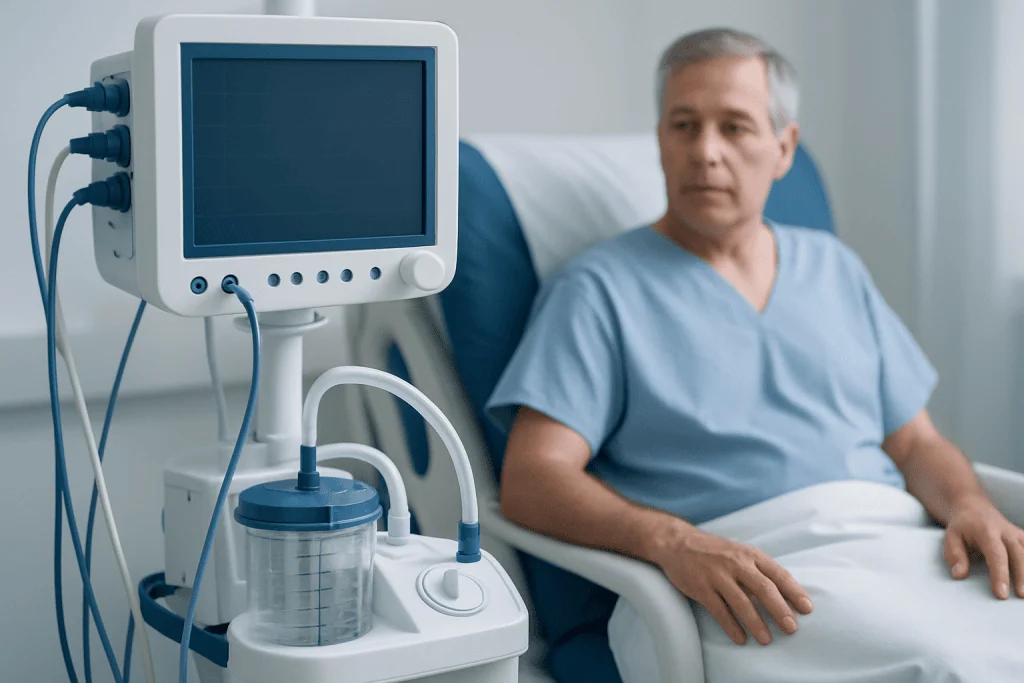
Symptoms depend on how much fluid is present, how quickly it develops, and the patient’s overall heart and lung function. A small pleural effusion may be discovered during routine follow-up imaging and may not cause any noticeable discomfort. Larger effusions can limit how fully the lung expands, leading to a feeling of breathlessness or reduced stamina.
Common symptoms can include shortness of breath when walking, climbing stairs, or lying flat; a dry cough; a sense of chest tightness or heaviness; or discomfort with deep breathing. Some people notice they cannot take as deep a breath as before surgery, or they become more easily tired during cardiac rehabilitation exercises.
Symptoms that deserve prompt medical attention include breathlessness that is worsening rather than improving, fever, chills, increasing chest pain, coughing up blood, fainting, new confusion, bluish lips, or oxygen saturation below the level recommended by the care team. These symptoms do not always mean a serious complication is present, but they should be checked quickly and carefully.
Why Pleural Effusion Can Happen After Bypass Surgery
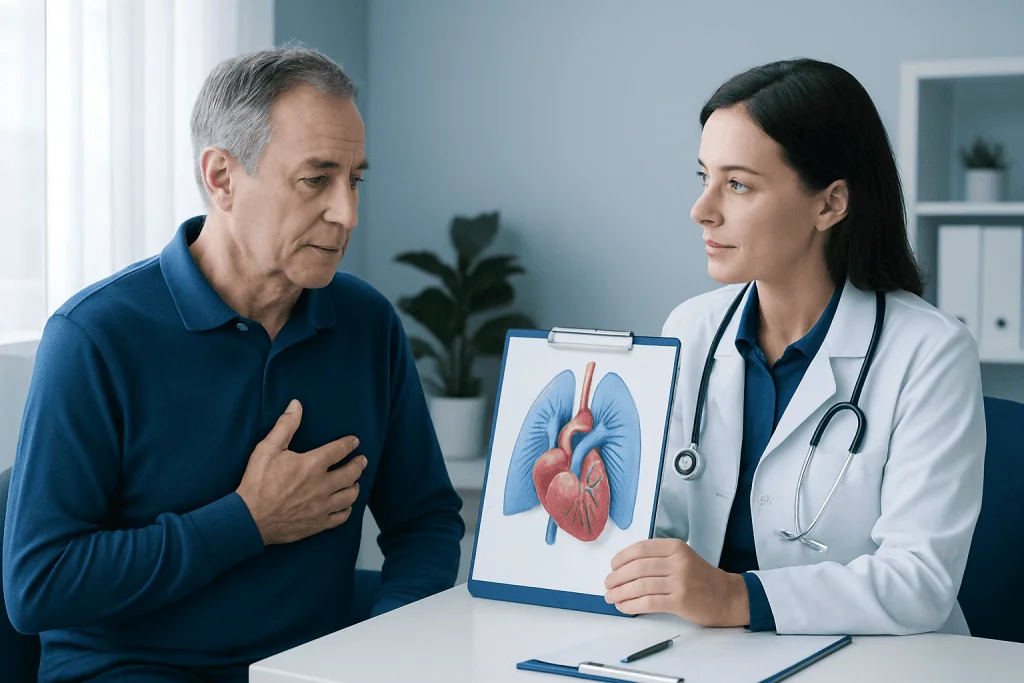
Several normal healing processes can contribute to pleural fluid after CABG. Surgery causes inflammation in the chest, and the pleural lining may react by producing extra fluid. Fluid shifts during and after surgery, temporary changes in kidney function, intravenous fluids, and reduced mobility can also contribute to fluid accumulation.
Other causes need specific consideration. Heart failure or reduced pumping efficiency can lead to fluid buildup around the lungs, especially if there is swelling in the legs or rapid weight gain. Bleeding into the pleural space, although less common, may occur early after surgery and is assessed carefully in the hospital. Postpericardiotomy syndrome, an inflammatory reaction that can occur after heart surgery, may cause pleural or pericardial fluid and sometimes fever or chest discomfort.
Less common but important causes include pneumonia, pulmonary embolism, chylothorax, kidney problems, or medication-related fluid retention. Risk can be influenced by age, pre-existing lung disease, heart failure, kidney disease, longer or more complex surgery, and how well the lungs expand after surgery. The exact cause is best determined by combining symptoms, examination findings, imaging, and sometimes fluid analysis.
Diagnosis: Tests That Help Identify the Cause
The evaluation usually begins with a review of symptoms, oxygen levels, temperature, heart rhythm, weight changes, and the surgical recovery timeline. During the physical examination, a clinician may hear reduced breath sounds or dullness over the lower chest where fluid is present. The doctor will also look for signs of heart failure, infection, anemia, or other causes of breathlessness.
A chest X-ray is often the first imaging test used to detect fluid around the lung. Thoracic ultrasound can show the size and location of the effusion more clearly and helps guide safe drainage if needed. Computed tomography may be recommended when the diagnosis is uncertain or when doctors need to assess for pneumonia, blood clot, complex fluid, or other chest problems.
Additional tests may include blood tests, electrocardiography, echocardiography, or measurement of oxygen levels at rest and with activity. If the effusion is large, persistent, one-sided, associated with fever, or unclear in cause, thoracentesis may be performed. In this procedure, a needle is used to remove a sample of pleural fluid for analysis, which can help distinguish inflammatory fluid, infection, blood, chyle, or fluid related to heart failure.
Treatment Options
Treatment depends on the size of the effusion, symptoms, timing after surgery, and the suspected cause. Small, uncomplicated effusions may only require observation, follow-up appointments, and repeat imaging to confirm improvement. Breathing exercises, walking as advised, and participation in supervised cardiac rehabilitation can help the lungs expand and support recovery.
If fluid overload or heart failure is contributing, doctors may adjust medicines such as diuretics or review salt and fluid intake. If inflammation is suspected, anti-inflammatory treatment may be considered by the treating physician, depending on kidney function, bleeding risk, stomach protection needs, and other medications. If infection is present, antibiotics and sometimes drainage are needed.
When a pleural effusion is large or causing significant shortness of breath, thoracentesis can remove fluid and often provides symptom relief. Some patients require a chest tube if the fluid is thick, infected, bloody, or repeatedly accumulating. Rarely, recurrent or complicated effusions require more specialized procedures, but most post-bypass pleural effusions improve with careful diagnosis and appropriate management.
Patients should not change heart medicines, stop blood thinners, or start anti-inflammatory medicines without medical guidance after bypass surgery. These medicines may interact with recovery, kidney function, bleeding risk, and graft protection. The safest plan is individualized by the cardiac surgery, cardiology, pulmonology, and rehabilitation teams.
Recovery, Breathing Exercises, and Self-Care
Recovery after bypass surgery is a gradual process, and breathing may feel different for several weeks. Good pain control is important because chest discomfort can make a person take shallow breaths, which may worsen lung expansion. Patients should use the incentive spirometer, coughing techniques, and walking program recommended by their team.
Helpful self-care steps often include monitoring weight, swelling, temperature, wound healing, and exercise tolerance. Keeping follow-up visits allows clinicians to track whether the effusion is improving. Patients should also follow individualized advice about fluid intake, salt, medications, and cardiac rehabilitation.
- Take medicines exactly as prescribed and ask before using over-the-counter pain relievers or anti-inflammatory drugs.
- Practice deep-breathing exercises as instructed, especially after periods of rest.
- Increase activity gradually, stopping if breathlessness is unusual, severe, or associated with chest pain or dizziness.
- Sleep in a comfortable position as advised; some people breathe easier with the upper body slightly elevated during early recovery.
- Report rapid weight gain, swelling, fever, or worsening shortness of breath promptly.
Emotional reassurance also matters. Mild breathlessness during early recovery can be frightening, but it is often explainable and treatable. Clear communication with the care team helps patients understand what is expected and what needs urgent review.
When to See a Doctor
Any new, persistent, or worsening shortness of breath after heart bypass surgery should be discussed with a healthcare professional. This is especially important if breathlessness limits basic activities, occurs at rest, or is different from what the patient was told to expect during discharge. Early assessment can identify whether the cause is pleural effusion or another treatable issue.
Urgent medical evaluation is recommended for severe breathing difficulty, chest pain that is new or worsening, fainting, coughing up blood, high fever, rapid heartbeat with weakness, sudden swelling, or oxygen levels below the threshold set by the care team. Patients who recently had surgery should avoid waiting several days to see whether these symptoms pass on their own.
For international patients needing coordinated assessment, Acibadem International’s multidisciplinary specialists and JCI-accredited hospitals can evaluate and treat pleural effusion and other causes of breathlessness after cardiac surgery. Care may involve cardiology, cardiac surgery, pulmonology, radiology, and rehabilitation teams working together to plan safe follow-up and treatment.
Frequently asked questions
Is pleural effusion after heart bypass surgery common?
A small pleural effusion can occur after CABG and may be found on routine imaging during recovery. Many small effusions improve as healing progresses. The importance of the finding depends on the size of the effusion, symptoms, timing, and the patient’s heart and lung condition.
Can pleural effusion cause shortness of breath after bypass surgery?
Yes. Fluid around the lung can reduce lung expansion and make breathing feel more difficult, especially during walking or lying flat. However, shortness of breath after bypass surgery can also be caused by anemia, heart rhythm changes, heart failure, pneumonia, blood clots, or deconditioning, so medical assessment is important.
Will the fluid go away on its own?
Small, uncomplicated pleural effusions often improve with time, breathing exercises, walking, and treatment of any underlying fluid overload or inflammation. Doctors may monitor symptoms and repeat imaging to confirm improvement. Larger, persistent, or symptomatic effusions may need additional treatment or drainage.
What is thoracentesis, and is it always needed?
Thoracentesis is a procedure in which a clinician removes pleural fluid with a needle, usually using ultrasound guidance. It can help relieve breathlessness and provide fluid for laboratory testing. It is not always needed; the decision depends on the amount of fluid, symptoms, and whether the cause is clear.
Can pleural effusion after bypass surgery be dangerous?
Many post-bypass pleural effusions are manageable and not dangerous when appropriately monitored. Concern is higher if the effusion is large, infected, bloody, rapidly worsening, or linked to heart failure or another complication. Prompt evaluation helps doctors identify the cause and choose the safest treatment.
What should patients do at home if breathing becomes worse?
Patients should contact their cardiac surgery or cardiology team promptly if breathlessness worsens, exercise tolerance drops, or symptoms are not improving as expected. They should seek urgent care for severe shortness of breath, chest pain, fainting, fever, coughing blood, or low oxygen levels. Medications should not be changed without medical advice after bypass surgery.
References
- American Heart Association
- European Society of Cardiology
- British Thoracic Society
- Society of Thoracic Surgeons
- Mayo Clinic
This article is for general information only and is not a substitute for professional medical advice. Please consult a qualified doctor about your individual situation.
Heart Bypass Surgery in Turkey — costs, top hospitals & a free quote
JCI-accredited · board-certified surgeons · reply within 24h
Add us as a Preferred Source to see more of our trusted health content across Google Search, AI Overviews and Discover.