Pneumocystis Carinii Pneumonia Pcp Treatment: How It Works, Results and What to Expect

PCP is a lung infection caused by Pneumocystis jirovecii, formerly called Pneumocystis carinii. Treatment is usually started promptly when PCP is strongly suspected, particularly in people with impaired immunity.
Key Takeaways
- PCP is a lung infection caused by Pneumocystis jirovecii, formerly called Pneumocystis carinii.
- Treatment is usually started promptly when PCP is strongly suspected, particularly in people with impaired immunity.
- The main treatment is an antimicrobial medicine; corticosteroids may be added when oxygen levels are low.
- Recovery varies with the severity of illness, immune status and how quickly treatment begins.
- PCP does not usually spread from person to person in the way common respiratory viruses do.
- People with new or worsening shortness of breath, fever or low oxygen levels need urgent medical assessment.
Pneumocystis carinii pneumonia PCP treatment usually involves prompt prescription antimicrobial therapy, often with oxygen and hospital monitoring when breathing is significantly affected. Early assessment is important because PCP can become serious in people with a weakened immune system, but effective treatment and prevention are available.
Overview: How Pneumocystis Carinii Pneumonia PCP Treatment Works
Pneumocystis carinii pneumonia PCP treatment targets a fungal organism now known as Pneumocystis jirovecii. The older name, Pneumocystis carinii, is still widely used in searches and medical discussions, while PCP or PJP may be used in clinical settings. This infection primarily affects people whose immune systems are weakened by HIV, cancer treatment, organ transplantation, long-term immune-suppressing medicines, certain inflammatory diseases or inherited immune disorders.
The main treatment is a prescription antimicrobial medicine that stops the organism from growing and helps the immune system clear the infection. Treatment is often started before every test result is available when symptoms, imaging and immune history make PCP likely. This is because delaying treatment may allow inflammation in the lungs to worsen.
Care is tailored to the person’s oxygen level, symptoms, other health conditions and ability to take oral medication. Mild illness may sometimes be managed with closely supervised outpatient treatment, whereas moderate or severe disease commonly requires hospital care, supplemental oxygen and regular reassessment.
Who May Need Treatment and How PCP Is Diagnosed
PCP is most likely to occur when the body has reduced ability to control infections. Clinicians consider it in a person with gradual worsening breathlessness, dry cough, fever, fatigue and reduced oxygen levels, especially when there is a known immune-suppressing condition or treatment. Symptoms may develop over days to weeks and can be less typical in some patients.
Diagnosis usually combines a clinical assessment with blood oxygen measurements, chest imaging and laboratory testing. A chest X-ray may show diffuse changes, although it can occasionally appear normal early in the illness. A CT scan can provide more detail when needed. Samples of sputum, induced sputum or fluid collected during bronchoscopy may be tested for Pneumocystis.
Doctors also investigate possible coexisting problems, such as bacterial or viral pneumonia, fluid in the lungs, medication effects or other opportunistic infections. Blood tests help evaluate kidney function, blood cell counts, inflammation and treatment safety. A specialist in infectious diseases, pulmonology, oncology, transplant medicine or HIV care may be involved according to the underlying condition.
- People with HIV and a significantly weakened immune system may need assessment for PCP.
- Patients receiving high-dose or prolonged corticosteroids and other immune-suppressing medicines may be at increased risk.
- People with blood cancers, solid-organ transplants or stem cell transplants may need preventive treatment during higher-risk periods.
What Happens During PCP Treatment: Step by Step

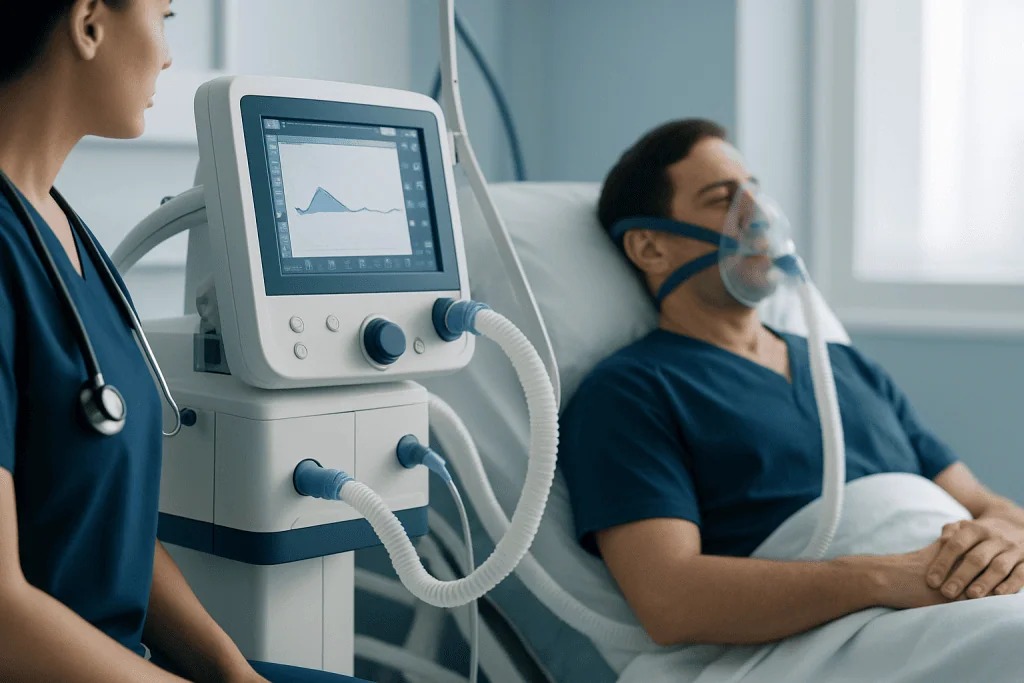
The first step is to assess how severely the infection is affecting breathing. Clinicians measure oxygen saturation and may perform blood gas testing to understand oxygen and carbon dioxide levels. A person with marked breathlessness, low oxygen or signs of respiratory distress is usually treated in hospital, where oxygen therapy and rapid escalation of care are available if needed.
The preferred antimicrobial treatment for many patients is trimethoprim-sulfamethoxazole, often called TMP-SMX. It may be given by mouth for stable patients or intravenously for severe illness or when oral medicines cannot be tolerated. The course is generally longer than treatment for many routine bacterial pneumonias, and the medical team monitors response and potential side effects throughout.
If TMP-SMX is unsuitable because of allergy, kidney concerns, low blood cell counts, interactions or intolerance, clinicians may use another evidence-based regimen. The best alternative depends on illness severity and the individual’s medical history. Treatment choices should not be changed or stopped without medical advice, as incomplete treatment can lead to persistent infection or deterioration.
For moderate to severe PCP with reduced oxygen levels, corticosteroids may be prescribed alongside antimicrobial therapy. These medicines do not directly kill the organism; instead, they reduce harmful lung inflammation that can occur as treatment begins. Supportive care may also include fluids when appropriate, treatment of fever, nutritional support and management of the condition that weakened the immune system.
Benefits, Risks and Monitoring During Treatment
The principal benefit of pneumocystis carinii pneumonia PCP treatment is control of a potentially life-threatening infection and improvement in breathing. Many people gradually feel less feverish and less short of breath after treatment begins, but improvement is not always immediate. In more severe cases, symptoms and oxygen needs can temporarily worsen before the lungs begin to recover.
All antimicrobial medicines can cause side effects. TMP-SMX may cause nausea, rash, fever, elevated potassium, changes in kidney function or reductions in certain blood cells. Serious skin reactions are uncommon but require urgent medical attention. Alternative medicines have their own possible effects, which may include blood-related changes, liver effects, digestive symptoms or effects on blood sugar, depending on the medicine used.
Regular blood tests may be used to monitor kidney and liver function, electrolytes and blood counts. Clinicians also review all other medicines to reduce interaction risks. People should promptly report a new rash, facial swelling, severe diarrhea, fainting, palpitations, confusion, worsening cough or increasing breathlessness.
When the infection is linked to HIV, starting or adjusting antiretroviral therapy is an important part of longer-term care. The timing is individualized because restoring immune function can occasionally trigger inflammation. For people receiving immune-suppressing treatment for another condition, the treating team carefully balances infection control with the need to manage the underlying disease.
How Long Does It Take to Recover From Pneumocystis Pneumonia (PCP)?
Recovery from PCP varies widely. Many patients begin to show clinical improvement within the first week of effective treatment, but fatigue, reduced exercise tolerance and shortness of breath can continue for several weeks. People who had severe low oxygen levels, required intensive care or have ongoing immune suppression may need a longer recovery period.
A treatment course often lasts about three weeks, although the precise plan depends on the regimen and the patient’s circumstances. Completing the prescribed course is important even if symptoms improve earlier. Follow-up may include oxygen checks, blood tests and review of the underlying reason for immune suppression.
After recovery, clinicians may recommend preventive medicine for people who remain at high risk. Prevention is particularly important for some people living with HIV until immune function improves and for selected transplant, cancer or rheumatology patients during immune-suppressive therapy. The prevention plan is individualized and reviewed as immune status changes.
What Is the Survival Rate for Patients With Pneumocystis Pneumonia?
There is no single survival rate that accurately applies to every person with PCP. Outlook depends strongly on how early the infection is recognized, the degree of oxygen impairment, the cause and severity of immune suppression, other infections or illnesses, and whether intensive respiratory support is needed. Prompt diagnosis and appropriate treatment improve the likelihood of recovery.
PCP is generally associated with better outcomes when it is identified before severe respiratory failure develops. The illness can be more difficult to manage in people with advanced immune suppression, serious underlying disease or delayed access to care. For this reason, clinicians take new breathlessness or falling oxygen levels seriously in at-risk individuals.
It is helpful to discuss personal prognosis with the treating team, who can interpret oxygen needs, imaging findings, laboratory results and response to therapy. They can also explain steps to reduce the chance of recurrence after the acute infection has been treated.
How Serious Is PCP Pneumonia?
PCP pneumonia can be serious because it causes inflammation that interferes with oxygen moving from the lungs into the blood. Early symptoms can be mild or gradual, but some people become increasingly short of breath and may develop respiratory failure without treatment. The risk is highest in people with markedly weakened immune defenses.
Not every case requires intensive care, and many patients recover with timely antimicrobial therapy and supportive treatment. However, it should not be managed as an ordinary cold or self-treated at home. Anyone at increased risk of PCP should contact a clinician promptly if fever, persistent dry cough, breathlessness or unexplained low oxygen readings develop.
Care may involve several specialties, including infectious diseases, respiratory medicine, critical care and the team managing the underlying immune condition. Acibadem International’s multidisciplinary specialists and JCI-accredited hospitals provide diagnostic evaluation and treatment planning for international patients with complex infectious and respiratory conditions.
Is Pneumocystis Pneumonia Contagious?
PCP is not generally considered contagious in the same way as influenza, COVID-19 or many common bacterial pneumonias. Most people are exposed to Pneumocystis at some point in life without becoming ill because a healthy immune system usually controls it. Disease usually develops when immune defenses are significantly reduced.
The precise ways the organism is acquired and transmitted are still being studied. There is evidence that airborne spread may occur under some circumstances, but routine household isolation for a person with PCP is not typically recommended in the same way as it is for infections with clear person-to-person respiratory transmission.
Hospitals may use infection-control measures based on the patient’s symptoms and the possibility of other respiratory infections. Hand hygiene, respiratory etiquette and avoiding contact with people who have contagious respiratory illnesses remain sensible for everyone, especially people with weakened immunity.
When to Seek Medical Care
Urgent medical assessment is needed for shortness of breath at rest, blue or gray lips, chest pain, confusion, fainting, inability to speak in full sentences, a rapidly worsening cough or a low oxygen reading when one is available. These symptoms can indicate significant breathing impairment and should not wait for a routine appointment.
People with HIV, a transplant, cancer, long-term immune-suppressing treatment or another condition that affects immunity should contact their clinician promptly for fever, new dry cough, unusual fatigue or increasing breathlessness. Early evaluation can identify PCP and other treatable causes of respiratory symptoms.
After acute treatment, follow-up appointments are important to confirm recovery, monitor medicine effects and decide whether preventive therapy is needed. Patients should ask their clinical team when normal activity can be resumed and whether repeat imaging or oxygen testing is appropriate for their situation.
Frequently asked questions
What is the first-line treatment for PCP pneumonia?
For many patients, the first-line treatment is trimethoprim-sulfamethoxazole, also called TMP-SMX. The medicine may be taken orally or given intravenously depending on illness severity and the person’s ability to take tablets. A clinician chooses the regimen and monitors for side effects and interactions.
Why are corticosteroids sometimes used for PCP?
Corticosteroids may be added when PCP causes significant low oxygen levels. They reduce inflammation in the lungs during treatment and can help lower the risk of respiratory deterioration in appropriately selected patients. They are not needed for every case and should only be used under medical supervision.
Can PCP pneumonia come back after treatment?
PCP can recur if a person remains significantly immunocompromised after completing treatment. Preventive antimicrobial therapy may be recommended for people at continued risk, such as some patients with HIV, transplants, cancer or immune-suppressing medication use. The need for prevention is reviewed regularly with the treating clinician.
Can PCP be treated at home?
Some stable patients with mild illness may be treated outside hospital with close medical follow-up. However, PCP can worsen and may lower oxygen levels even when symptoms initially seem manageable. Anyone with significant breathlessness, low oxygen or severe weakness generally needs hospital assessment.
How do doctors know whether PCP treatment is working?
Doctors assess symptoms, breathing effort, oxygen requirements and physical examination findings. They may repeat blood tests and oxygen measurements to monitor safety and clinical progress. Imaging is not always repeated immediately because radiologic changes can improve more slowly than symptoms.
Who should receive PCP prevention medicine?
Prevention is considered for people whose risk is high because of severe immune suppression. This can include selected people living with HIV, transplant recipients, patients receiving particular cancer therapies and people taking prolonged high-dose immune-suppressing medicines. The decision depends on the underlying condition, medicines and immune test results.
References
- Centers for Disease Control and Prevention
- National Institutes of Health
- World Health Organization
- Merck Manual Professional Edition
- American Thoracic Society
This article is for general information only and is not a substitute for professional medical advice. Please consult a qualified doctor about your individual situation.
Pneumonia in Turkey — costs, top hospitals & a free quote
JCI-accredited · board-certified surgeons · reply within 24h
Add us as a Preferred Source to see more of our trusted health content across Google Search, AI Overviews and Discover.