Pneumonia Treatment: Diagnosis, Outlook, and Modern Treatment Approaches

Pneumonia treatment depends on whether the infection is bacterial, viral, or less commonly fungal. Diagnosis usually combines a medical history, physical exam, pulse oximetry, and often a chest X-ray.
Key Takeaways
- Pneumonia treatment depends on whether the infection is bacterial, viral, or less commonly fungal.
- Diagnosis usually combines a medical history, physical exam, pulse oximetry, and often a chest X-ray.
- Mild cases may be treated at home, but severe pneumonia can require oxygen, IV fluids, or hospital care.
- Older adults, infants, pregnant people, and those with chronic disease have a higher risk of complications.
- Vaccination, hand hygiene, smoking cessation, and timely medical review help prevent severe illness.
Pneumonia treatment is tailored to the cause of infection, the person’s age, overall health, and how severe the illness is. Many people recover with medicines, rest, and fluids, while more serious cases may need oxygen, monitoring, or hospital-based care.
Overview: What Pneumonia Treatment Involves
Pneumonia treatment means treating an infection that inflames the air sacs in one or both lungs. The right approach depends on what is causing the infection, how severe symptoms are, and whether the person has other health conditions such as asthma, chronic lung disease, heart disease, diabetes, or a weakened immune system. Doctors also consider age, oxygen levels, and whether the person can safely recover at home.
In many cases, treatment includes supportive care such as rest, fluids, fever control, and close follow-up. If bacteria are the likely cause, antibiotics are commonly used. If a virus is responsible, antibiotics are not helpful unless there is also a bacterial infection, so care may focus on symptom relief and breathing support. Some people need monitoring in hospital, especially if they are short of breath, dehydrated, confused, or have low oxygen levels.
Pneumonia can range from mild to serious, but modern care is effective for most people when diagnosis and treatment are timely. A doctor may also look for related lung conditions or complications and may compare symptoms with other respiratory illnesses such as bronchitis when evaluating cough, fever, and chest discomfort.
Symptoms and How Pneumonia Can Feel
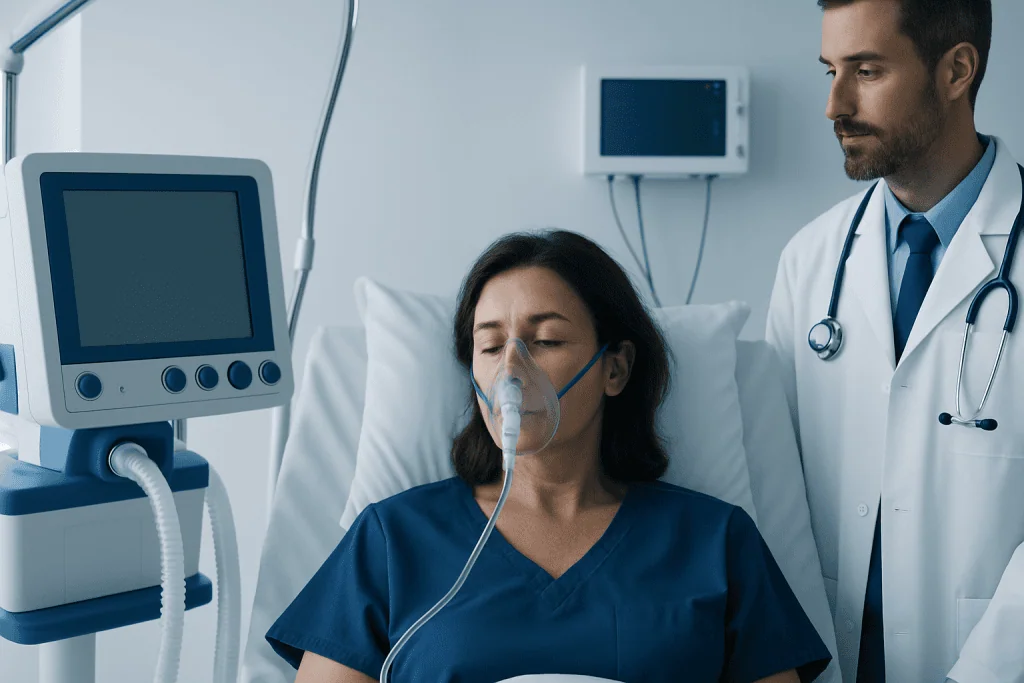
Pneumonia symptoms often begin with cough, fever, chills, fatigue, and shortness of breath. Some people bring up mucus or phlegm, while others have a dry cough. Chest pain that becomes worse with deep breathing or coughing can also occur. In older adults, symptoms may be less typical and may include confusion, weakness, or a sudden decline in daily functioning.
The way pneumonia feels can vary widely. A mild case may seem like a bad cold or flu that is not improving, while a more severe infection can make breathing feel labored even at rest. Children may breathe faster than usual, seem unusually sleepy, refuse fluids, or have flaring nostrils and chest retractions with breathing.
Because symptoms overlap with other lung and airway illnesses, it is not always possible to tell from symptoms alone what the cause is. If cough, fever, and breathlessness are significant or persistent, medical assessment is important. Prompt evaluation helps guide the most appropriate pneumonia treatment and reduces the chance of complications.
Causes, Types, and Risk Factors
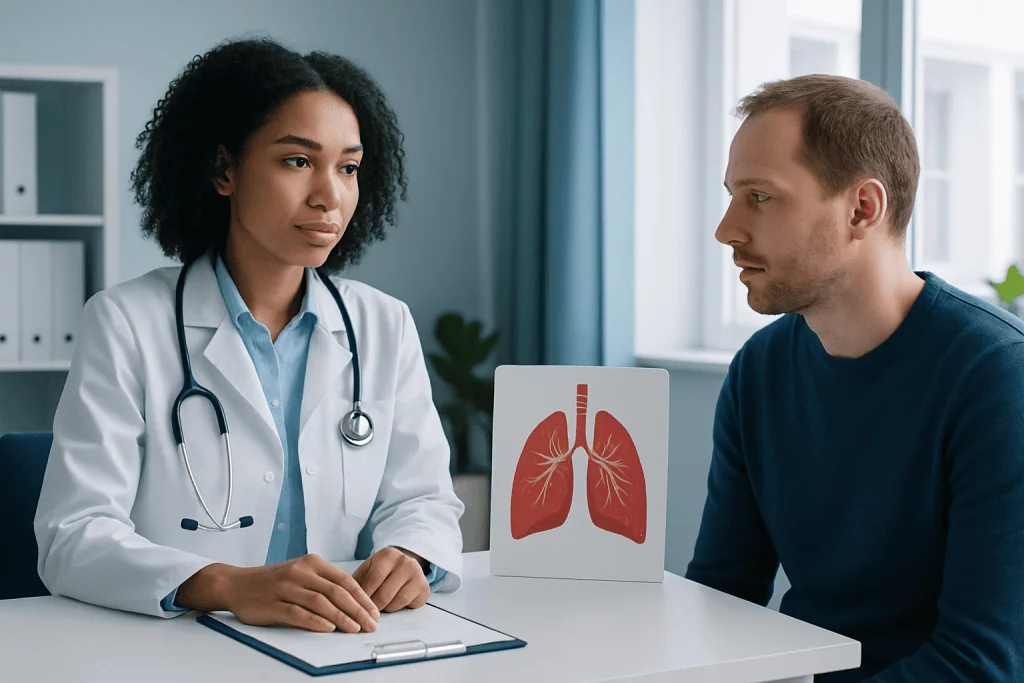
Pneumonia is most often caused by bacteria or viruses, and less commonly by fungi. Bacterial pneumonia may develop on its own or after a viral infection. Viral pneumonia can occur with influenza, respiratory syncytial virus, or other common respiratory viruses. Fungal pneumonia is more likely in people with specific immune problems or environmental exposures. Treatment differs because the cause affects which medicines, if any, are useful.
Doctors may also classify pneumonia by where it was acquired. Community-acquired pneumonia begins outside a hospital or care facility. Hospital-acquired and healthcare-associated pneumonia can involve different germs and may need different treatment choices. Another form, aspiration pneumonia, happens when food, liquid, or stomach contents enter the lungs, often in people with swallowing difficulties or reduced consciousness.
Risk is higher in infants, adults over 65, smokers, and people with chronic medical conditions. The chance of severe illness also increases in those with chronic obstructive pulmonary disease, heart disease, kidney disease, diabetes, cancer, or weakened immunity. A person with underlying COPD may have more severe breathing symptoms and may need closer monitoring during recovery.
- Recent viral illness, especially flu
- Smoking or exposure to secondhand smoke
- Chronic lung or heart disease
- Weakened immune system
- Difficulty swallowing or a high aspiration risk
- Very young or older age
How Pneumonia Is Diagnosed
Diagnosis starts with a medical history and physical examination. A doctor asks about fever, cough, mucus, chest pain, shortness of breath, recent infections, travel, exposures, medications, and any long-term illnesses. Listening to the lungs with a stethoscope can reveal crackles or other abnormal breath sounds, but these findings alone are not enough to confirm pneumonia.
Tests are used to understand how serious the illness is and what may be causing it. A chest X-ray is commonly used to look for infection in the lungs. Pulse oximetry measures oxygen in the blood and helps determine whether the lungs are getting enough oxygen into the body. Blood tests, sputum tests, or viral swabs may be ordered in selected cases, especially if symptoms are severe, the person is being admitted to hospital, or the diagnosis is uncertain.
Some people need more advanced evaluation, particularly if they have severe shortness of breath, chest pain, recurrent infections, or concern for a complication such as fluid around the lungs. In those situations, doctors may use chest X-ray and, when appropriate, further imaging such as CT scan to assess the lungs in more detail. The goal is not only to confirm pneumonia, but also to guide safe and effective treatment.
Modern Pneumonia Treatment Approaches
Modern pneumonia treatment is individualized rather than one-size-fits-all. For mild cases, home treatment may be appropriate with oral medicines when indicated, fluids, rest, and guidance on when to seek urgent care. For more severe disease, treatment may include oxygen, IV fluids, closer observation, and support for breathing. Some patients benefit from care by a team that includes internal medicine, pulmonology, infectious disease, and critical care specialists.
Antibiotics are used when bacterial pneumonia is suspected or confirmed. They do not treat viral pneumonia, so using them only when needed is important. Antiviral medicines may be considered in certain viral infections, particularly influenza, when started at the right time and in the right clinical setting. Fungal pneumonia requires different prescription medicines that are chosen based on the likely organism and the patient’s immune status.
Supportive treatment is an essential part of recovery. This may include fever reducers, hydration, nutrition, and breathing support if oxygen levels are low. People with significant breathing difficulty may need hospital monitoring and, in some cases, noninvasive or mechanical ventilation. If there is a buildup of infected or inflammatory fluid around the lungs, doctors may arrange procedures or imaging-guided drainage, sometimes with support from interventional radiology.
Recovery time varies. Some people feel much better within days, while fatigue and cough can continue for several weeks. Follow-up may be advised if symptoms are slow to improve, if the person is older, if they smoke, or if there is concern about an underlying lung problem. Near the end of the care journey, some international patients may choose evaluation at Acibadem International, where multidisciplinary specialists at JCI-accredited hospitals diagnose and treat respiratory infections and related complications.
Recovery, Self-care, and Prevention
Self-care matters during and after pneumonia treatment. Adequate rest helps the body recover, and good hydration can make mucus easier to clear. A person should take prescribed medicines exactly as directed and avoid stopping antibiotics early unless a doctor advises it. Smoking and vaping can irritate healing lungs and are best avoided.
It is common for stamina to return gradually. Even after fever improves, coughing and tiredness may continue for a while. Gentle activity can usually resume step by step as breathing and energy improve, but strenuous exercise should wait until symptoms are clearly settling. If symptoms worsen after initial improvement, medical review is important because this can suggest a complication or a different diagnosis.
Prevention reduces the risk of future pneumonia. Recommended vaccines can help protect against influenza, COVID-19, and certain bacterial causes of pneumonia. Handwashing, covering coughs, avoiding close contact when sick, and managing chronic illnesses well are also important. For people with swallowing problems or frequent chest infections, a doctor may recommend further evaluation to lower aspiration risk and prevent recurrent pneumonia.
When to Seek Medical Care
Medical care should be sought promptly if there is shortness of breath, fast breathing, bluish lips, chest pain, confusion, dehydration, or persistent high fever. Infants, older adults, pregnant people, and anyone with significant heart, lung, kidney, or immune system disease should contact a doctor sooner rather than later if pneumonia is suspected. These groups can become unwell more quickly, even if early symptoms seem mild.
Urgent assessment is also important if symptoms are not improving with treatment, if oxygen levels are low, or if cough and fever return after getting better. Coughing up blood, severe weakness, or inability to drink enough fluids should not be ignored. A doctor can decide whether home care is still safe or whether hospital-based evaluation is needed.
After recovery, follow-up may be recommended if symptoms linger, if there have been repeated infections, or if imaging needs to be reviewed. The aim is to confirm that the lungs are healing well and to identify any condition that may have contributed to the infection in the first place.
Frequently asked questions
What is the usual treatment for pneumonia?
The usual treatment for pneumonia depends on the cause and how severe the infection is. It may include rest, fluids, fever control, and antibiotics for bacterial pneumonia, while viral pneumonia is often managed with supportive care and sometimes antiviral medicine.
How long does it take to recover from pneumonia?
Recovery time varies from person to person. Some people improve within a few days, but cough, tiredness, and reduced stamina can last for several weeks, especially in older adults or those with other health conditions.
Can pneumonia be treated at home?
Yes, mild pneumonia can often be treated at home if breathing is stable, oxygen levels are adequate, and the person can drink fluids and take medicines. A doctor should still confirm the diagnosis and explain when urgent reassessment is needed.
Do all people with pneumonia need antibiotics?
No. Antibiotics help treat bacterial pneumonia, but they do not treat viral pneumonia. Doctors decide whether antibiotics are appropriate based on symptoms, examination, test results, and the person’s overall risk.
When is pneumonia serious enough for hospital treatment?
Hospital treatment may be needed if there is low oxygen, severe shortness of breath, confusion, dehydration, low blood pressure, or concern about complications. Very young children, older adults, and people with chronic disease may need hospital care sooner than others.
Can pneumonia come back after treatment?
Yes, pneumonia can recur, especially if there is an underlying lung problem, swallowing difficulty, smoking exposure, or a weakened immune system. Recurrent infections should be evaluated by a doctor to look for contributing factors and prevention strategies.
References
- World Health Organization
- Centers for Disease Control and Prevention
- National Heart, Lung, and Blood Institute
- American Thoracic Society
- Infectious Diseases Society of America
This article is for general information only and is not a substitute for professional medical advice. Please consult a qualified doctor about your individual situation.
Pneumonia in Turkey — costs, top hospitals & a free quote
JCI-accredited · board-certified surgeons · reply within 24h
Add us as a Preferred Source to see more of our trusted health content across Google Search, AI Overviews and Discover.