Pneumonitis: Symptoms, Causes, and Treatment Options

Pneumonitis means inflammation in the lungs, and it is different from pneumonia, which is usually an infection. Common symptoms include dry cough, shortness of breath, chest discomfort, fatigue, and sometimes fever.
Key Takeaways
- Pneumonitis means inflammation in the lungs, and it is different from pneumonia, which is usually an infection.
- Common symptoms include dry cough, shortness of breath, chest discomfort, fatigue, and sometimes fever.
- Triggers can include medications, radiation therapy, moldy organic dusts, chemical fumes, and autoimmune disease.
- Diagnosis often relies on medical history, imaging, oxygen checks, and sometimes pulmonary function tests or bronchoscopy.
- Treatment focuses on stopping the trigger, managing inflammation, and monitoring for complications such as scarring.
Pneumonitis is inflammation of the lung tissue that is usually not caused by a typical bacterial infection. It can develop after exposure to certain medicines, radiation therapy, allergens, or irritating substances, and treatment usually involves identifying the trigger, reducing inflammation, and supporting breathing.
Overview: What Pneumonitis Means
Pneumonitis is inflammation of the lung tissue, especially the tiny air sacs and surrounding structures where oxygen passes into the blood. In everyday practice, the term is often used when the inflammation is caused by something other than a routine infection, such as a medication, radiation treatment, allergens, or inhaled irritants. Because the lungs become irritated and less efficient at exchanging oxygen, breathing can feel more difficult than usual.
Many people confuse pneumonitis with pneumonia. The two can look similar because both may cause cough, fever, and breathing problems, and both can produce changes on chest imaging. The key difference is that pneumonia is usually caused by an infection, while pneumonitis is mainly an inflammatory reaction. In some situations, doctors may need time and testing to tell them apart.
Pneumonitis may start suddenly after a clear exposure, or it may develop gradually over weeks to months. Some cases improve once the trigger is removed, while others can become persistent and lead to lung scarring, also called pulmonary fibrosis. Early evaluation matters because prompt treatment may help reduce ongoing inflammation and protect lung function.
Symptoms and How They May Feel
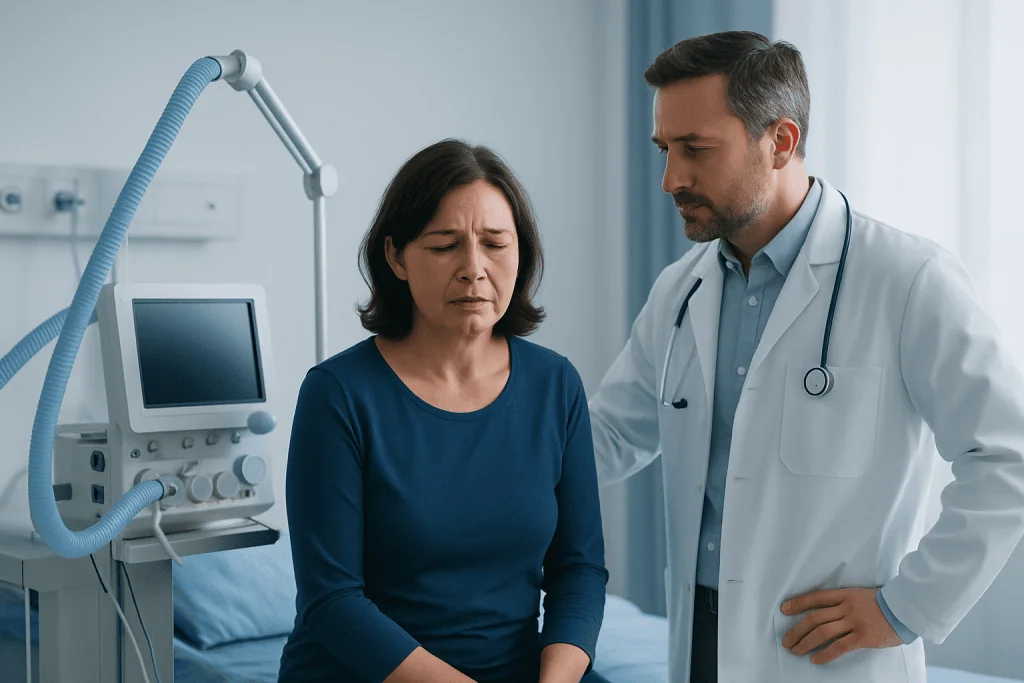
The most common pneumonitis symptoms are dry cough and shortness of breath. A person may notice getting winded during activities that used to feel easy, such as climbing stairs or walking at a normal pace. Some also describe chest tightness or vague chest discomfort rather than sharp pain.
Other symptoms can include fatigue, low-grade fever, and a general feeling of being unwell. When the condition is linked to an inhaled trigger, symptoms may worsen after time spent in a specific setting, such as a workplace, farm, workshop, or home with mold exposure. In chronic cases, symptoms may come on so gradually that they are first mistaken for deconditioning, aging, or asthma.
Severity varies widely. Mild cases may cause only an annoying cough, while more significant inflammation can reduce oxygen levels and make speaking, walking, or sleeping difficult. If the lungs become scarred over time, breathlessness may persist even after the original trigger is removed. Some people being evaluated for pneumonitis also need testing for related conditions such as interstitial lung disease, because the pattern of lung inflammation and scarring can overlap.
- Dry cough
- Shortness of breath, especially with exertion
- Fatigue or reduced exercise tolerance
- Low-grade fever
- Chest tightness or discomfort
- In more advanced cases, low oxygen levels
Causes and Risk Factors

Pneumonitis has several possible causes, and finding the trigger is one of the most important parts of care. Drug-induced pneumonitis can happen with certain cancer medicines, immunotherapy, some antibiotics, and other medications that affect the immune system or lung tissue. Radiation pneumonitis may appear weeks to months after radiation treatment to the chest area. These forms are not contagious.
Another important group is hypersensitivity pneumonitis, which happens when the immune system reacts to inhaled organic particles. These may come from mold, bird proteins, farming dust, humidifiers, or other environmental exposures. Repeated contact can keep the lungs inflamed. Chemical fumes, smoke, and occupational dusts may also irritate the lungs and trigger inflammation in susceptible individuals.
Some people develop pneumonitis in the setting of autoimmune or connective tissue diseases, where the immune system attacks the body’s own tissues. Risk can also be influenced by the type and intensity of exposure, prior lung disease, smoking history, age, and overall immune health. Because symptoms may resemble other lung problems, doctors may also consider conditions such as pulmonary fibrosis when there is concern about chronic scarring or long-term breathlessness.
How Doctors Diagnose Pneumonitis
Diagnosis begins with a careful history. Doctors ask when symptoms started, whether they followed a new medicine or radiation treatment, and whether there are exposures to birds, mold, hot tubs, farm dust, chemicals, or workplace irritants. This step is especially important because there is no single test that proves every case of pneumonitis.
Imaging is usually central to the evaluation. A chest X-ray may show inflammation, but a high-resolution CT scan can provide much more detail and may reveal patterns that suggest pneumonitis rather than infection or another lung disease. Oxygen levels are often checked with a pulse oximeter, and blood tests may be used to look for infection, autoimmune disease, or inflammation, depending on the situation.
Doctors may also use pulmonary function testing to see how well the lungs move air and transfer oxygen. In more complex cases, bronchoscopy may be recommended to collect samples from the lungs and help exclude infection, bleeding, or cancer-related causes. If a person has persistent shortness of breath, a specialist may advise pulmonary function testing or advanced chest imaging such as a CT scan to clarify the diagnosis and guide treatment.
Because pneumonitis can resemble pneumonia, heart problems, asthma, or other inflammatory lung disorders, diagnosis sometimes depends on combining several findings rather than relying on one result. Follow-up imaging or repeat breathing tests may be needed to see whether inflammation is improving after the suspected trigger is removed.
Treatment Options and Recovery
Pneumonitis treatment depends on the cause and severity. The first step is often to stop or avoid the trigger whenever possible, such as pausing a medication under medical supervision, limiting exposure to allergens, or addressing workplace or home irritants. Mild cases may improve with careful monitoring and supportive care, especially if symptoms are caught early.
When inflammation is more significant, doctors often use corticosteroids to calm the immune response. These medicines can be very helpful, but they need medical guidance because the dose and duration vary by cause and by the person’s overall health. Oxygen therapy may be needed if oxygen levels are low, and some people benefit from inhaled treatments or pulmonary rehabilitation to improve stamina and breathing efficiency.
If the underlying cause is linked to cancer therapy or chest treatment, care is usually coordinated among lung specialists, oncologists, and radiologists. In selected cases, further evaluation with procedures such as bronchoscopy helps rule out infection before increasing anti-inflammatory treatment. When scarring develops, treatment focuses on preserving lung function, reducing symptoms, and monitoring for progression.
Recovery is variable. Some people improve within days to weeks after the trigger is removed, while others need a longer treatment course and repeated follow-up. Persistent symptoms do not always mean permanent damage, but they should be reassessed so that complications such as fibrosis, low oxygen, or an alternative diagnosis are not missed.
Prevention and Self-care
Prevention is based on reducing avoidable exposures and staying alert to new symptoms. People who work with dust, birds, moldy materials, chemicals, or fumes may need improved ventilation, protective equipment, or workplace assessment. At home, addressing dampness, mold growth, and poorly maintained humidifiers can lower risk for hypersensitivity-related lung inflammation.
Medication-related pneumonitis cannot always be prevented, but early recognition helps. A person starting a medicine known to affect the lungs should report new cough, breathlessness, or unexplained fatigue promptly rather than waiting for symptoms to become severe. The same is true after radiation therapy to the chest, when delayed lung inflammation can appear weeks or months later.
Self-care does not replace medical treatment, but it can support recovery. Rest, avoiding smoking and secondhand smoke, staying hydrated, and following follow-up appointments all matter. Some people benefit from breathing exercises or supervised rehabilitation as advised by their doctor. Vaccination against common respiratory infections may also be discussed, since illnesses can add strain to already inflamed lungs.
When to Seek Medical Care
Medical review is appropriate for a cough or shortness of breath that is new, persistent, or worsening, especially after a new medication, cancer treatment, environmental exposure, or radiation therapy. Even mild symptoms can be worth discussing if they continue for more than a short period or interfere with normal daily activity.
Urgent care is important if breathing becomes difficult at rest, lips or fingertips look bluish, oxygen levels are low if measured at home, or there is confusion, severe weakness, or chest pain. These symptoms can signal significant lung inflammation or another serious condition that needs immediate evaluation.
Because pneumonitis can overlap with infection and other lung disorders, timely assessment helps doctors choose the safest treatment. Near the end of the care pathway, some patients may be referred to centers with respiratory, radiology, oncology, and immunology expertise. Acibadem International’s multidisciplinary specialists and JCI-accredited hospitals evaluate and treat pneumonitis and related lung conditions for international patients when coordinated specialist care is needed.
Frequently asked questions
Is pneumonitis the same as pneumonia?
No. Pneumonia is usually caused by an infection, while pneumonitis is inflammation of the lungs that is often triggered by medicines, radiation, allergens, or irritants. The symptoms can overlap, so a doctor may need imaging and other tests to tell the difference.
Can pneumonitis go away on its own?
Some mild cases improve after the trigger is removed, especially if the problem is recognized early. However, ongoing symptoms should be assessed by a doctor because untreated inflammation can sometimes lead to lasting lung damage.
How long does pneumonitis last?
The timeline depends on the cause and how severe the inflammation is. Some people improve within days or weeks, while others need longer treatment and follow-up over several months.
What does pneumonitis feel like?
Many people notice a dry cough, shortness of breath, chest tightness, and unusual fatigue. Symptoms may be subtle at first and become more noticeable during exercise or daily activities.
Can medications cause pneumonitis?
Yes. Certain medicines, including some cancer therapies and immune-related drugs, can inflame the lungs in a small number of people. A new cough or breathing change after starting a medication should be reported promptly.
Is pneumonitis contagious?
Pneumonitis itself is generally not contagious because it is usually an inflammatory reaction, not a routine infection. The main concern is identifying and removing the trigger while managing the lung inflammation.
References
- National Heart, Lung, and Blood Institute
- American Lung Association
- American Thoracic Society
- National Cancer Institute
- Mayo Clinic
This article is for general information only and is not a substitute for professional medical advice. Please consult a qualified doctor about your individual situation.
Explore treatments in Turkey — costs, top hospitals & a free quote
JCI-accredited · board-certified surgeons · reply within 24h
Add us as a Preferred Source to see more of our trusted health content across Google Search, AI Overviews and Discover.

More from the Health Library



Related Specialists

Funda Özdemir
Physical Medicine & Rehabilitation
Dr. Hülya Altıntaş
Neurology
Prof. Dr. Süleyman Cansun Demir
Gynecology & Obstetrics
Büşra Zeybek
Physical Medicine & Rehabilitation