Poached Eggs Egg Poacher: A Complete Medical Overview

Poached eggs can provide high-quality protein, vitamins, and minerals. The main medical concern is possible bacterial contamination if eggs are undercooked.
Key Takeaways
- Poached eggs can provide high-quality protein, vitamins, and minerals.
- The main medical concern is possible bacterial contamination if eggs are undercooked.
- Infants, older adults, pregnant people, and those with weakened immune systems should avoid undercooked eggs.
- Using an egg poacher does not remove risk unless the egg reaches a safe internal level of doneness.
- Medical care is advisable if symptoms after eating eggs include dehydration, high fever, blood in stool, or persistent vomiting.
Poached eggs made with an egg poacher can be a nutritious meal, but the main health question is food safety rather than the cooking tool itself. The key points are proper egg handling, thorough cooking when needed, and extra caution for people at higher risk of foodborne illness.
Overview: Are Poached Eggs Made in an Egg Poacher Healthy?
Poached eggs made in an egg poacher can be part of a healthy diet. Eggs are naturally rich in protein and contain nutrients such as vitamin B12, choline, selenium, and riboflavin. Because poaching uses little or no added fat, it is often seen as a lighter cooking method than frying.
From a medical point of view, the more important issue is not whether an egg is poached in a pan or in an egg poacher, but whether it is handled and cooked safely. Soft or runny yolks may appeal to many people, yet undercooked eggs can sometimes carry bacteria such as Salmonella. This means that the health value of poached eggs depends on both nutrition and food safety.
For most healthy adults, fully cooked poached eggs can be a practical source of protein in breakfasts, salads, grain bowls, or light evening meals. However, people with certain health conditions or higher infection risk may need to avoid eggs that remain partly raw. If digestive symptoms occur after eating eggs, a doctor may assess for foodborne illness or other digestive causes, including gastroenteritis.
Nutritional Benefits of Poached Eggs
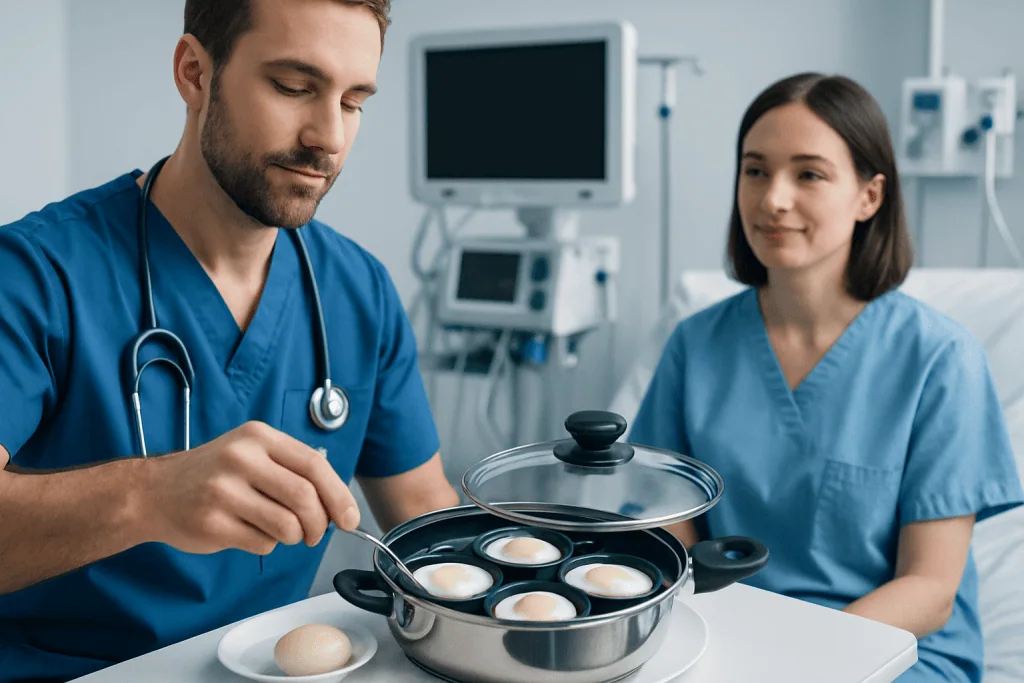
Eggs are considered a nutrient-dense food because they provide several important nutrients in a relatively small serving. Protein in eggs supports muscles, immune function, and tissue repair. Choline is especially important for brain and nerve function, and many people do not get enough of it in their diets.
Poaching preserves the basic nutrition of the egg without requiring much oil or butter. For people trying to reduce excess saturated fat or total calories from cooking fats, poached eggs may fit well into an overall balanced eating plan. They can also help with satiety, meaning they may help a person feel full for longer when paired with vegetables, whole grains, or fruit.
Even so, eggs are only one part of a healthy diet. The overall meal matters. Poached eggs served with whole-grain toast, greens, or beans may support better cardiometabolic health than eggs served with highly processed meats and refined carbohydrates. People with known cholesterol disorders, diabetes, or cardiovascular disease may benefit from discussing their overall eating pattern with a clinician rather than focusing on a single food alone.
Food Safety Concerns: Undercooked Eggs and Infection Risk
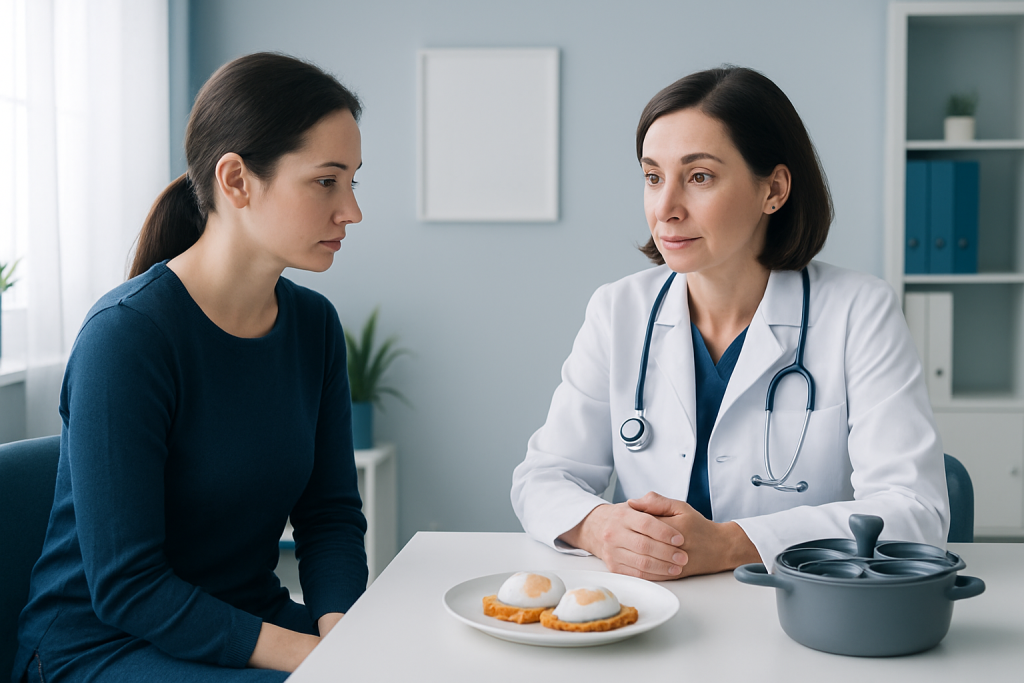
The main medical concern linked to poached eggs egg poacher meals is undercooking. If the white or yolk remains partly raw, bacteria that may be present in or on the egg can survive. Although many eggs are safe, the risk is not zero, which is why food safety guidance often recommends fully cooking eggs until both white and yolk are firm, especially for vulnerable groups.
Symptoms of foodborne illness from contaminated eggs can include stomach cramps, diarrhea, nausea, vomiting, and fever. These symptoms may begin hours to days after eating the food. In some cases, they are mild and improve with rest and hydration. In others, especially in frail or high-risk individuals, infection can be more serious.
An egg poacher can make preparation easier and more consistent, but it does not guarantee safety by itself. Cooking time, water temperature, egg size, and the design of the poacher all affect how well the egg cooks. If a person frequently develops abdominal pain, bloating, or bowel changes after meals, doctors may also consider unrelated digestive conditions such as irritable bowel syndrome, rather than assuming eggs are the only cause.
People at increased risk of complications from foodborne illness include:
- Pregnant people
- Infants and young children
- Older adults
- People receiving chemotherapy
- People with weakened immune systems
- People with advanced liver, kidney, or chronic illness
Who Should Be More Careful with Poached Eggs?
Some people can eat eggs more freely than others, but certain groups should be especially cautious with soft-poached or runny eggs. Pregnancy changes immune response, and foodborne illness can have greater consequences during this time. Likewise, people being treated for cancer, those taking immunosuppressive medications, or individuals living with transplant-related immune suppression may be less able to fight infection.
Older adults and very young children can also become dehydrated more quickly if they develop vomiting or diarrhea after food poisoning. For them, a seemingly minor illness may lead to weakness, confusion, or need for medical care. In these groups, fully cooked eggs are generally the safer option.
Some people also confuse food poisoning with food allergy or intolerance. A true egg allergy can cause hives, swelling, wheezing, vomiting, or other allergic reactions soon after eating eggs. This is different from infection and may require evaluation by a specialist. If there are symptoms such as trouble breathing, facial swelling, or sudden widespread rash, emergency care is needed.
How to Prepare Poached Eggs More Safely
Safer preparation starts before cooking. Eggs should be purchased from reliable sources, stored refrigerated, and checked for cracks. Hands, utensils, and the poaching device should be clean before use. Cracked or dirty eggs are more likely to be contaminated and are best avoided.
When using an egg poacher, the goal is to cook the egg thoroughly enough for the white to be completely set and, when safety is important, for the yolk not to remain runny. Exact timing varies by appliance and method, so visual cues are useful. If the egg is still very soft in the center, it may be undercooked. Some people choose pasteurized eggs when they want a softer texture with reduced risk.
General food safety habits also matter after cooking. Poached eggs should be eaten soon after preparation rather than kept at room temperature for long periods. Leftovers should be stored and reheated appropriately. For persistent digestive symptoms or concern about the stomach or intestines, doctors may sometimes use tests such as endoscopy or colonoscopy when clinically indicated, though these are not routine for simple food poisoning.
Helpful safety practices include:
- Refrigerate eggs promptly
- Avoid eggs with cracked shells
- Wash hands before and after handling raw eggs
- Clean the egg poacher thoroughly after each use
- Cook eggs fully for high-risk individuals
- Consider pasteurized eggs if softer eggs are preferred
Symptoms After Eating Eggs: What Doctors Consider
If symptoms occur after eating poached eggs, doctors usually look at timing, severity, and associated features. Sudden nausea, vomiting, diarrhea, stomach cramps, or fever after a questionable meal may point to foodborne illness. If only one meal was involved and symptoms improve within a short period, supportive care such as hydration may be all that is needed.
However, eggs are not always the true cause. Rich side dishes, sauces, or another contaminated food eaten at the same time may be responsible. In some people, recurrent symptoms after multiple meals may suggest acid reflux, gallbladder disease, lactose intolerance from accompanying foods, or a chronic digestive issue rather than egg-related infection alone.
Evaluation may include a physical examination and review of symptoms, fluid intake, medications, and other medical conditions. In more severe cases, stool testing, blood tests, or imaging may be used. If symptoms involve severe upper abdominal pain or repeated vomiting, doctors may also investigate problems beyond infection, including biliary or stomach conditions.
When to Seek Medical Care
Medical assessment is important if symptoms after eating eggs are severe, prolonged, or affecting hydration. Warning signs include high fever, blood in the stool, significant weakness, signs of dehydration, persistent vomiting, severe abdominal pain, or symptoms lasting more than a few days. Infants, pregnant people, older adults, and immunocompromised patients should contact a healthcare professional earlier because complications can develop faster.
Emergency care is needed for symptoms of a serious allergic reaction, such as trouble breathing, swelling of the lips or throat, fainting, or sudden dizziness. These symptoms are not typical of simple food poisoning and may indicate anaphylaxis.
For people who have repeated digestive symptoms after eating eggs or other foods, a planned medical review can help clarify whether the issue is infection, intolerance, allergy, or an underlying gastrointestinal condition. Near the end of the care pathway, multidisciplinary specialists at Acibadem International and its JCI-accredited hospitals evaluate digestive complaints and food-related symptoms for international patients when more detailed assessment is needed.
Frequently asked questions
Are poached eggs healthier than fried eggs?
Poached eggs can be a lighter option because they usually require little or no added fat. Nutritionally, the egg itself remains similar, but the overall meal and portion sizes matter more than the cooking method alone.
Does an egg poacher make eggs safer to eat?
An egg poacher can help with convenience and consistency, but it does not automatically make eggs safer. Safety depends on correct storage, hygiene, and cooking the egg thoroughly enough for the person eating it.
Can runny poached eggs cause food poisoning?
Yes, undercooked eggs may carry a risk of foodborne illness if bacteria are present. The risk is higher for people who are pregnant, older, very young, or immunocompromised.
Who should avoid soft-poached eggs?
Pregnant people, infants and young children, older adults, and people with weakened immune systems are generally advised to avoid undercooked eggs. Fully cooked eggs are the safer choice for these groups.
What symptoms after eating poached eggs should raise concern?
Concerning symptoms include severe vomiting, diarrhea that does not improve, high fever, blood in the stool, dehydration, or intense abdominal pain. Medical care is also important if symptoms affect a high-risk person or last more than a few days.
Are pasteurized eggs a better choice for poaching?
Pasteurized eggs may reduce the risk linked to bacteria and can be a helpful option for people who prefer a softer egg texture. Even then, good storage and clean preparation remain important.
References
- World Health Organization
- Centers for Disease Control and Prevention
- U.S. Food and Drug Administration
- U.S. Department of Agriculture
- National Institute of Diabetes and Digestive and Kidney Diseases
This article is for general information only and is not a substitute for professional medical advice. Please consult a qualified doctor about your individual situation.
Explore treatments in Turkey — costs, top hospitals & a free quote
JCI-accredited · board-certified surgeons · reply within 24h
Add us as a Preferred Source to see more of our trusted health content across Google Search, AI Overviews and Discover.
Check your numbers in seconds
BMI, calories, due date, blood pressure and 30+ more clinical calculators — free, instant, doctor-reviewed ranges.

More from the Health Library

Wakame — Explained by Medical Evidence, Not Myths

Microneedling with Prp: A Complete Medical Overview

Phleboliths — Explained by Medical Evidence, Not Myths
Ripe Avocado: An Evidence-Based Guide for Patients

Cavity Nose: What Patients Need to Know