Poo Colour Green: An Evidence-Based Guide for Patients

Green stool is usually caused by food, supplements, or faster bowel transit. Bile is naturally green, and stool may stay green if it passes too quickly through the intestines.
Key Takeaways
- Green stool is usually caused by food, supplements, or faster bowel transit.
- Bile is naturally green, and stool may stay green if it passes too quickly through the intestines.
- Short-lived green poo without other symptoms is often not a sign of serious illness.
- Medical review is important if green stool lasts more than a few days or comes with pain, fever, blood, or dehydration.
- Infants, older adults, and people with ongoing digestive conditions may need earlier assessment.
Poo colour green is often harmless and commonly happens after eating green foods, taking iron, or when stool moves through the gut more quickly than usual. If green stool is persistent or occurs with diarrhea, pain, fever, blood, dehydration, or weight loss, it should be assessed by a doctor.
Overview: What Does Poo Colour Green Mean?
Poo colour green usually means that stool has either been influenced by food pigments or has moved through the digestive tract quickly enough that bile has not been fully broken down. In many people, this is temporary and not dangerous. Common triggers include leafy green vegetables, food colorings, iron supplements, and episodes of diarrhea.
Stool color naturally varies. Shades of brown are most common because bile changes as it travels through the intestines. Bile starts out yellow-green, so if stool passes through faster than usual, it may keep a greener color. This can happen during a stomach bug, after certain medicines, or during periods of stress-related bowel changes.
Green stool is best understood in context. A single green bowel movement after eating spinach or foods with green dye is very different from persistent green stool with abdominal pain, fever, or weight loss. Looking at color together with stool frequency, consistency, diet, and other symptoms helps clarify whether it is likely harmless or needs medical attention.
How Stool Gets Its Color
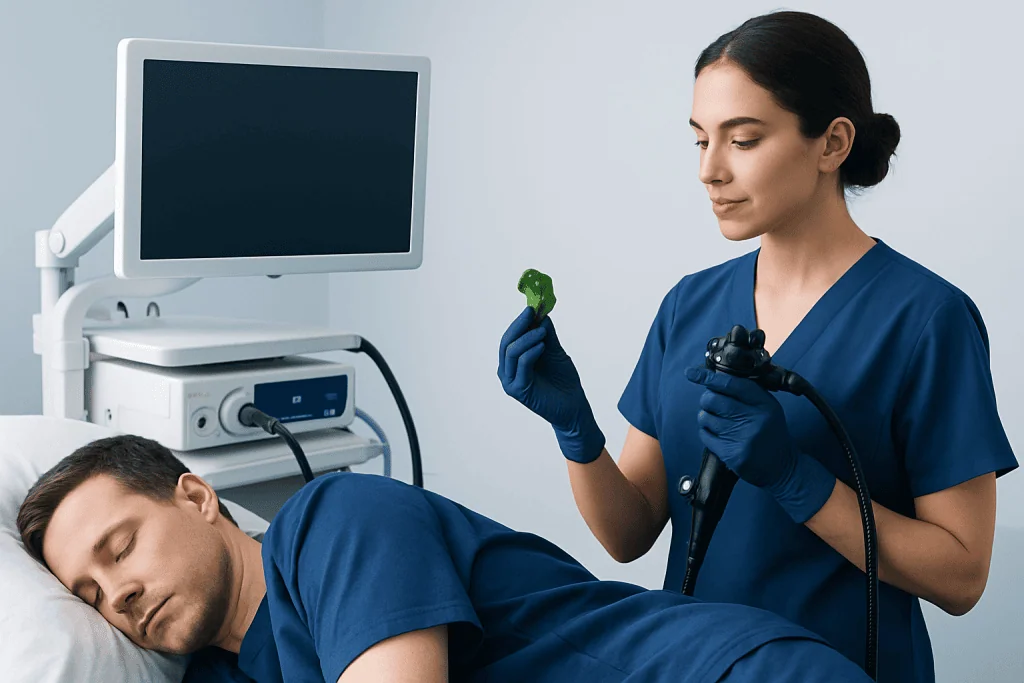
Stool color is influenced by bile, food, fluids, and how long waste stays in the intestines. Bile is made by the liver and stored in the gallbladder. It helps digest fats and begins as a yellow-green fluid. As digestion proceeds, bile pigments are chemically changed by the intestines and gut bacteria, which usually leads to the familiar brown color of stool.
When bowel contents move through too quickly, there is less time for these color changes to happen. The result can be green or greenish-brown stool. This is one reason diarrhea often causes green poo. It does not automatically mean there is a serious problem, but it does suggest that transit through the gut may be faster than usual.
Food pigments can also play a role. Green vegetables such as spinach, kale, and broccoli contain chlorophyll, which may alter stool color, especially in larger amounts. Artificial coloring in drinks, frosting, candies, and some packaged foods can do the same. Iron tablets and some antibiotics may also affect stool appearance.
Common Causes of Green Stool

The most common causes of poo colour green are dietary. Foods rich in green pigments, smoothies, juices, and supplements are frequent explanations. Artificial food dyes can be even more noticeable than natural pigments. If green stool appears soon after a change in diet and there are no other symptoms, it is often temporary.
Another common reason is rapid intestinal transit. Diarrhea, viral gastroenteritis, food intolerance, or bowel irritation can move stool through the intestines before bile is fully processed. Some people also notice green stool during periods of irritable bowel symptoms, especially when stools are looser or more frequent. Patients with conditions such as Crohn’s disease may also experience stool color changes when inflammation affects bowel function.
Medicines and supplements are another important cause. Iron supplements can darken stool and sometimes make it appear greenish. Certain antibiotics may alter gut bacteria and stool color indirectly. Less often, green stool may occur alongside malabsorption, infections, or after digestive procedures. If there is ongoing diarrhea, a doctor may evaluate for intestinal inflammation or infections and decide whether colonoscopy or other tests are needed.
- Leafy green vegetables and chlorophyll-rich foods
- Food colorings in sweets, drinks, or processed foods
- Iron supplements or multivitamins containing iron
- Diarrhea or fast gut transit
- Antibiotics or other medicines that affect digestion
- Digestive disorders and some bowel infections
Symptoms That Matter Alongside Green Poo
Green stool on its own is often not concerning. More useful than the color itself is what happens around it. Doctors usually ask how long the change has lasted, whether the stool is loose or formed, and whether symptoms such as pain, vomiting, fever, blood, or dehydration are present. A short-lived change without other symptoms is commonly related to food or a brief digestive upset.
Loose stools, urgency, bloating, nausea, or cramping may suggest that bowel transit is faster than normal. This can happen with a stomach infection, food poisoning, intolerance, or functional bowel symptoms. If there is persistent diarrhea, especially with weakness or reduced fluid intake, the main concern becomes dehydration and the cause of the bowel disturbance rather than the green color itself.
Certain associated symptoms deserve more attention. Blood in stool, black tarry stool, severe abdominal pain, fever, unexplained weight loss, ongoing vomiting, or symptoms lasting more than several days should not be ignored. In children, older adults, and people with weakened immune systems, assessment may be needed sooner because fluid loss and infection can become more significant.
How Doctors Diagnose the Cause
Diagnosis begins with a careful history. A doctor will often ask about recent diet, supplements, travel, antibiotic use, bowel habit changes, and any signs of infection or inflammation. This step is important because many cases of green stool can be explained without complex testing. A food diary or timeline of symptoms can be helpful.
If symptoms are mild and short-lived, tests may not be needed. When green stool persists, especially with diarrhea or systemic symptoms, a doctor may recommend stool studies, blood tests, or imaging. Stool tests can look for infection, inflammation, or blood. Blood tests may help assess dehydration, anemia, or signs of inflammation.
Further evaluation depends on the broader picture. Ongoing symptoms may lead to referral for gastroenterology assessment. In some cases, a doctor may consider whether issues involving the gallbladder, liver, pancreas, or intestines are contributing, including conditions such as gallstones when bile flow or digestion is being evaluated. The goal is not simply to explain color, but to identify whether there is an underlying digestive problem that needs treatment.
Treatment and What Usually Helps
Treatment for poo colour green depends on the cause. If it is clearly linked to food or supplements and there are no concerning symptoms, no medical treatment may be needed. The stool often returns to its usual color within a day or two after the dietary trigger changes. Reassurance and observation are often enough.
If diarrhea is present, the main priority is replacing fluids and allowing the gut to recover. Simple meals, oral hydration, and avoiding foods that worsen symptoms may help. Medicines should only be used based on a doctor’s advice, especially if there is fever, blood in the stool, or concern for infection. If a supplement such as iron seems responsible, a clinician can advise whether it should be adjusted.
When an underlying condition is found, treatment is directed at that condition. For example, infections may need targeted management, inflammatory bowel conditions may need specialist care, and structural digestive concerns may need imaging or endoscopic evaluation. In patients who need advanced assessment or treatment planning, Acibadem International’s multidisciplinary specialists in JCI-accredited hospitals care for international patients with digestive symptoms, including access to endoscopy when clinically appropriate.
Self-Care and Prevention
Not every case of green stool can be prevented, but a few practical steps can reduce unnecessary concern and support digestive health. Paying attention to recent meals, supplements, and hydration can often explain a color change. If a new vitamin, sports drink, green juice, or iron tablet has been started, it may be useful to note whether the change settles over the next few days.
Staying well hydrated is especially important during diarrhea. Water, oral rehydration solutions, and light meals may help recovery. Good hand hygiene, careful food preparation, and safe travel food habits can reduce the risk of stomach infections that may lead to green stool. People taking regular medicines should not stop them without medical advice, but they should mention stool changes to their doctor if these changes continue.
People with recurring digestive symptoms may benefit from routine medical review rather than self-diagnosing based on stool color alone. Persistent changes in bowel habits can reflect conditions other than a temporary dietary effect. Monitoring stool pattern, pain, appetite, and weight provides better information than color by itself.
When to Seek Medical Care
Medical care is recommended if poo colour green lasts more than a few days without a clear dietary reason, keeps coming back, or occurs with significant diarrhea. It is also sensible to seek advice if the person has fever, moderate to severe abdominal pain, repeated vomiting, signs of dehydration, or feels generally unwell. These features can point to infection or another digestive problem that needs attention.
Urgent assessment is important if there is blood in the stool, black tarry stool, severe weakness, fainting, chest symptoms, or inability to keep fluids down. Infants, frail older adults, pregnant people, and those with immune suppression may need earlier review because the effects of dehydration and infection can be more serious in these groups.
Even when the cause turns out to be harmless, getting appropriate medical advice can provide reassurance and prevent important conditions from being missed. A qualified doctor can decide whether the change is likely related to diet, supplements, bowel transit, or a condition needing further evaluation.
Frequently asked questions
Is green poo always a sign of illness?
No. Green stool is often caused by foods, food coloring, iron supplements, or stool moving quickly through the gut. If it is brief and there are no other symptoms, it is commonly harmless.
Why is my poop green if I have diarrhea?
Diarrhea can speed up bowel transit, which means bile does not have enough time to change from green to brown. This is a common reason for green stool during a stomach bug or other short-term digestive upset.
Can iron tablets make stool green?
Yes, iron supplements can change stool color and may make it appear dark green or greenish-black. This is often a known side effect, but a doctor should be told if there are other symptoms such as pain, constipation, or signs of bleeding.
How long should green stool last before seeing a doctor?
If green stool lasts more than a few days, keeps recurring, or has no obvious dietary explanation, medical advice is reasonable. Earlier review is important if there is diarrhea, fever, pain, blood, dehydration, or weight loss.
Can stress cause green stool?
Stress itself does not directly color stool, but it can affect bowel habits in some people. If stress leads to faster bowel movements or diarrhea, stool may appear green because bile has less time to break down.
Is green stool different in babies and children?
It can be. In babies and children, green stool may relate to feeding patterns, formula, iron, infections, or normal variation. Because children can become dehydrated more quickly, a pediatrician should be consulted if there is ongoing diarrhea, poor feeding, fever, or lethargy.
References
- National Institute of Diabetes and Digestive and Kidney Diseases
- National Health Service
- Mayo Clinic
- American College of Gastroenterology
- Cleveland Clinic
This article is for general information only and is not a substitute for professional medical advice. Please consult a qualified doctor about your individual situation.
Medical weight-loss options in Turkey — costs & eligibility
JCI-accredited · board-certified surgeons · reply within 24h
Add us as a Preferred Source to see more of our trusted health content across Google Search, AI Overviews and Discover.

More from the Health Library


Related Specialists

Dr. Alen Palancıoğlu
Oral Dental & Maxillofacial Surgery
Assoc. Prof. Dr. Işık Türkalp
Clinical Laboratory
Dr. Berna Türkay
Anesthesiology
Prof. Dr. Özlem Çelik
Endocrinology