Popliteal — Explained by Medical Evidence, Not Myths

Popliteal means related to the space behind the knee. Symptoms in the popliteal area can include pain, swelling, tightness, or a lump.
Key Takeaways
- Popliteal means related to the space behind the knee.
- Symptoms in the popliteal area can include pain, swelling, tightness, or a lump.
- Common causes include Baker’s cyst, muscle or tendon strain, arthritis-related fluid buildup, and less commonly blood vessel or nerve problems.
- Diagnosis depends on the symptoms and may include a physical exam, ultrasound, or MRI.
- Treatment focuses on the cause and may range from rest and physical therapy to drainage, medication, or surgery.
- Sudden swelling, severe pain, numbness, or signs of poor circulation need prompt medical assessment.
Popliteal refers to the area behind the knee, called the popliteal fossa. In everyday health discussions, the term often comes up when describing pain, swelling, a cyst, or blood vessel and nerve problems in the back of the knee.
What does popliteal mean?
Popliteal is a medical word that means “related to the area behind the knee.” This hollowed space is called the popliteal fossa. It contains important structures, including muscles and tendons, lymph nodes, fat, nerves, and major blood vessels such as the popliteal artery and popliteal vein.
When someone searches for “popliteal,” they are usually trying to understand a symptom or diagnosis involving the back of the knee rather than the word itself. For example, a clinician may mention popliteal pain, a popliteal cyst, or a popliteal artery problem. The meaning depends on which structure in that area is affected.
The popliteal region helps the knee bend and allows blood flow and nerve signals to travel between the thigh and lower leg. Because several tissues lie close together there, different conditions can produce similar symptoms, such as tightness, swelling, or discomfort when walking or fully bending the knee.
Understanding the term is useful, but symptoms matter more than the label. A lump behind the knee may be a fluid-filled cyst, while calf swelling and tenderness may point to a vein problem. Careful medical assessment helps identify the exact cause and the most appropriate next step.
Symptoms linked to the popliteal area
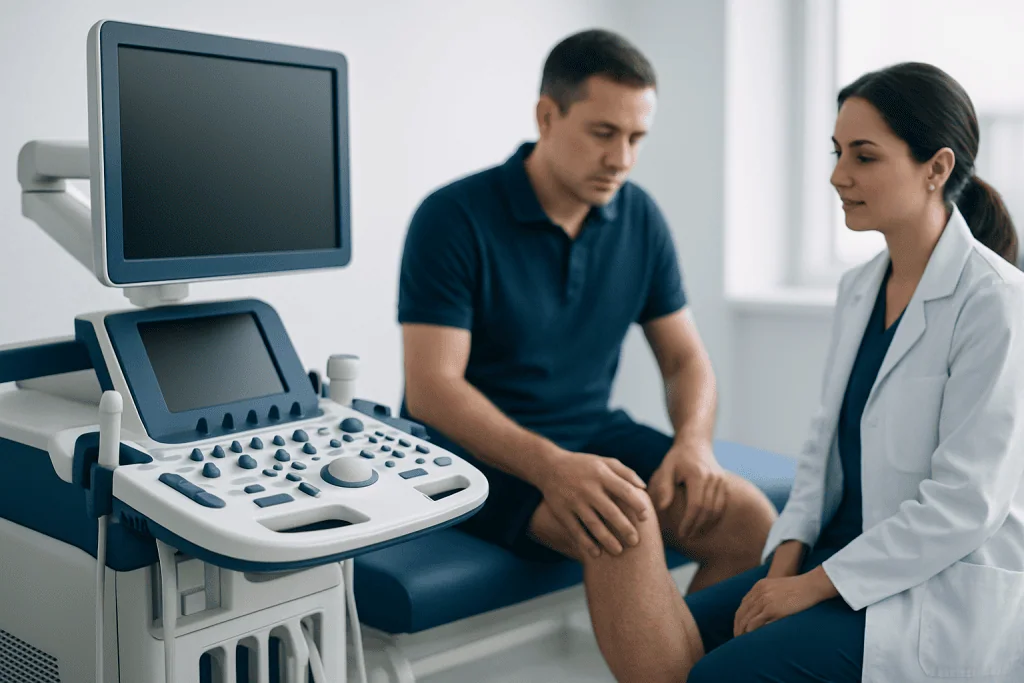
Symptoms in the popliteal area vary depending on whether the source is a joint problem, a cyst, an injury, a blood vessel issue, or nerve compression. Some people notice only mild tightness behind the knee, while others develop visible swelling, pain during movement, or a feeling of pressure when standing for a long time.
Common symptoms may include discomfort at the back of the knee, a soft or firm lump, stiffness, reduced range of motion, or pain that becomes more noticeable when squatting, climbing stairs, or straightening the leg. If the underlying issue is inflammation inside the knee joint, symptoms may come and go and may flare after physical activity.
Vascular or nerve-related symptoms can feel different. A person may notice calf swelling, cramping with walking, coolness in the foot, color changes, numbness, tingling, or weakness. These symptoms deserve prompt attention because they may reflect reduced circulation or pressure on nearby nerves.
- Pain or tightness behind the knee
- Swelling or a noticeable lump
- Stiffness and limited bending or straightening
- Calf discomfort or a feeling of fullness
- Numbness, tingling, or weakness in the lower leg
- Changes in skin color or temperature in the foot
Common causes and risk factors

One of the most common causes of a popliteal lump is a Baker’s cyst, also called a popliteal cyst. This is a fluid-filled swelling that develops when extra joint fluid collects at the back of the knee. It often occurs alongside arthritis, cartilage damage, or meniscus problems. In many cases, the cyst itself is not dangerous, but it can become painful or limit movement. For related information, readers may also see Baker’s cyst.
Muscle and tendon conditions can also affect the popliteal area. Overuse, sports injuries, hamstring strain, calf strain, or irritation of tendons crossing behind the knee may cause pain without a visible lump. Sudden twisting, repetitive exercise, or returning to activity too quickly can raise the risk.
Joint disorders are another frequent cause. Osteoarthritis, rheumatoid arthritis, and meniscal tears can increase fluid production inside the knee and lead to swelling or a popliteal cyst. In some people, symptoms behind the knee are actually a sign of an underlying knee condition rather than a separate disease. In certain cases, assessment for knee pain helps identify the true source.
Less common but more urgent causes include blood clots in the leg, aneurysm of the popliteal artery, or nerve compression. Risk factors for these problems may include smoking, vascular disease, prolonged immobility, clotting disorders, recent surgery, or trauma. These possibilities are important because they may require faster diagnosis and treatment than routine muscle strain or a cyst.
How doctors diagnose popliteal problems
Diagnosis starts with a detailed history and physical examination. A doctor usually asks when the symptoms began, whether there was an injury, if the swelling changes over time, and whether there are signs such as locking, clicking, fever, numbness, or trouble walking. The knee and calf are then examined for tenderness, warmth, range of motion, pulse quality, and the presence of a mass.
Imaging is often helpful because different conditions in the popliteal area can feel similar. Ultrasound is commonly used to look for a Baker’s cyst, evaluate soft tissue swelling, and check the veins if a blood clot is a concern. Doppler ultrasound can also help assess blood flow in the popliteal artery and vein.
If the problem seems to come from structures inside the knee joint, MRI may be recommended. MRI provides more detail about cartilage, menisci, ligaments, tendons, and cysts. X-rays may also be used if arthritis or bony changes are suspected, even though they do not directly show soft tissue problems.
Occasionally, blood tests are needed if there is concern about inflammatory arthritis or infection. The exact testing plan depends on the symptoms and the clinical findings. The main goal is to distinguish common causes from conditions that need urgent care, especially vascular problems or a ruptured cyst that can mimic a clot.
Treatment options depend on the cause
Treatment for popliteal symptoms is guided by the underlying diagnosis. Mild muscle or tendon strain often improves with activity modification, short-term rest, ice, gentle stretching, and a gradual return to exercise. Physical therapy may help restore flexibility, improve muscle balance, and reduce strain around the knee.
If a Baker’s cyst is present, treatment is often aimed at the knee problem causing excess fluid rather than the cyst alone. This may include anti-inflammatory treatment, exercises, or care for arthritis or meniscus injury. In selected cases, a doctor may recommend aspiration or image-guided injection, depending on the cyst, symptoms, and associated knee findings. Some patients with persistent structural knee problems may be evaluated for knee replacement or other orthopedic care when appropriate.
When imaging shows a torn meniscus, ligament injury, or other internal knee damage, treatment may range from rehabilitation to surgery. Minimally invasive procedures such as knee arthroscopy can be considered in carefully selected patients to diagnose or treat certain knee conditions. The choice depends on the severity of symptoms, daily function, age, and overall joint health.
Vascular causes need a different approach. A blood clot, popliteal artery aneurysm, or significant circulation problem may require urgent medical management or intervention. If the issue is vascular, a specialist may discuss options such as medication, monitoring, or procedures including vascular surgery. Self-diagnosis is not reliable in these situations, so new or concerning symptoms should be assessed by a qualified doctor.
Self-care and prevention
Not every popliteal symptom can be prevented, but some practical habits may lower the chance of overuse injury or recurrent knee-related swelling. Regular strengthening of the thigh and hip muscles, flexibility work for the hamstrings and calves, and gradual progression of activity can reduce stress on the knee. Supportive footwear and attention to exercise technique may also help.
People with arthritis or recurring knee irritation may benefit from weight management, low-impact exercise, and early treatment of flare-ups. Walking, cycling, swimming, and guided physiotherapy are often easier on the joints than sudden high-impact activity. If swelling behind the knee appears repeatedly, it is sensible to look for the joint problem driving it rather than treating the swelling alone.
General vascular health matters too. Staying active, avoiding tobacco, managing blood pressure, and following advice for diabetes or cholesterol support healthy circulation in the legs. During long travel or prolonged sitting, moving the legs regularly may help reduce clot risk in people who are vulnerable.
Home care is most appropriate for mild, short-lived symptoms without red flags. However, if there is increasing pain, marked swelling, or symptoms that interfere with walking or sleep, medical review is the safer course. A tailored plan can prevent a minor problem from becoming more persistent.
When to seek medical care
Medical care is recommended if popliteal pain or swelling does not improve, keeps returning, or limits daily activities. A doctor should also evaluate any new lump behind the knee, especially if the diagnosis is unclear or the symptoms are worsening over time. Early assessment can help separate a common cyst or strain from a less common vascular or nerve-related problem.
Urgent medical attention is important if symptoms begin suddenly or are severe. This includes rapid swelling of the knee or calf, significant redness or warmth, inability to bear weight, sudden numbness, weakness, a cold foot, or color change in the leg. These signs may suggest a clot, a ruptured cyst, a circulation problem, or an acute injury.
Fever, severe tenderness, or symptoms after recent surgery also deserve prompt evaluation. People with a history of clotting disorders, vascular disease, or inflammatory joint disease should be especially cautious when new symptoms develop behind the knee.
For international patients who need further evaluation, Acibadem International’s multidisciplinary specialists and JCI-accredited hospitals diagnose and treat knee, vascular, and soft tissue conditions with care plans tailored to the underlying cause.
Frequently asked questions
Is popliteal a disease?
No. Popliteal is an anatomical term that refers to the area behind the knee. It may be used in the name of a symptom, structure, or condition, such as popliteal pain or a popliteal cyst.
What is a popliteal cyst?
A popliteal cyst, often called a Baker’s cyst, is a fluid-filled swelling behind the knee. It usually develops when a knee problem such as arthritis or a meniscus tear causes extra joint fluid to collect.
Can popliteal pain go away on its own?
Yes, mild popliteal pain caused by overuse or a minor strain may settle with rest and gradual recovery. If pain persists, returns, or comes with swelling or a lump, medical assessment is advisable.
Is swelling behind the knee always a Baker’s cyst?
No. Although a Baker’s cyst is a common cause, swelling behind the knee can also result from injury, inflammation, blood vessel problems, or less commonly a blood clot nearby. That is why new or unexplained swelling should not be assumed to be harmless.
What tests are used for popliteal problems?
Doctors often begin with a physical exam and may use ultrasound to assess a cyst, soft tissue swelling, or blood flow. MRI may be helpful when the suspected source is inside the knee joint, such as a meniscus or ligament problem.
When is popliteal pain an emergency?
It needs urgent attention if there is sudden severe pain, rapid swelling, a cold or pale foot, weakness, numbness, or calf symptoms that raise concern for a clot or circulation problem. Fever or inability to bear weight also warrants prompt medical care.
This article is for general information only and is not a substitute for professional medical advice. Please consult a qualified doctor about your individual situation.
Joint and spine care in Turkey — expert assessment & treatment
JCI-accredited · board-certified surgeons · reply within 24h
Add us as a Preferred Source to see more of our trusted health content across Google Search, AI Overviews and Discover.

More from the Health Library

Proximal Phalanx — Explained by Medical Evidence, Not Myths

Penicillin: A Complete Medical Overview

Dolly Parton Health: An Evidence-Based Guide for Patients

Depression: An Evidence-Based Guide for Patients

Pop That Zit Pimple — Explained by Medical Evidence, Not Myths