Post Menstrual Syndrome: A Complete Clinical Guide for Patients

Post menstrual syndrome is not an official medical diagnosis, but the symptom pattern is real and may have several causes. Common symptoms include fatigue, low mood, bloating, headaches, cramps, acne, breast tenderness, and trouble concentrating after a period ends.
Key Takeaways
- Post menstrual syndrome is not an official medical diagnosis, but the symptom pattern is real and may have several causes.
- Common symptoms include fatigue, low mood, bloating, headaches, cramps, acne, breast tenderness, and trouble concentrating after a period ends.
- Tracking timing, severity, and associated symptoms across at least two to three cycles can help clarify whether symptoms are cycle-related.
- Persistent, severe, or unusual symptoms may point to conditions such as PMDD, thyroid problems, anemia, endometriosis, or pelvic infection.
- Treatment depends on the cause and may include lifestyle changes, pain relief, hormonal treatment, or care for an underlying condition.
- A doctor should assess heavy bleeding, severe pain, fever, fainting, or symptoms that interfere with daily life.
Post menstrual syndrome is a patient-used term for physical or emotional symptoms that happen just after a menstrual period or continue beyond it. It is not a formal diagnosis on its own, but it can reflect normal hormonal shifts, persistent PMS-type symptoms, or an underlying gynecologic or general health condition that deserves evaluation.
Overview: what post menstrual syndrome means
Post menstrual syndrome is a nonmedical term many people use when they feel unwell after a period has ended. In practice, it refers to physical, emotional, or cognitive symptoms that appear in the days after menstruation or continue from the premenstrual phase into the early part of the next cycle. Although the term is widely used online, it is not an official diagnosis in the same way as premenstrual syndrome (PMS) or premenstrual dysphoric disorder (PMDD).
The most helpful way to understand post menstrual syndrome is as a symptom pattern rather than a single disease. Hormone levels change throughout the menstrual cycle, and some people are especially sensitive to those shifts. In other cases, symptoms after a period may be linked to blood loss, stress, sleep disruption, migraine, pelvic disorders, thyroid conditions, or mood disorders rather than the period itself.
Because the timing can overlap with the end of menstruation, patients sometimes wonder whether they still have PMS, whether their hormones are “out of balance,” or whether something more serious is going on. A careful review of symptoms, cycle timing, and general health usually helps identify whether this is part of a normal variation or a sign that further assessment is needed.
Typical symptoms and how they may feel
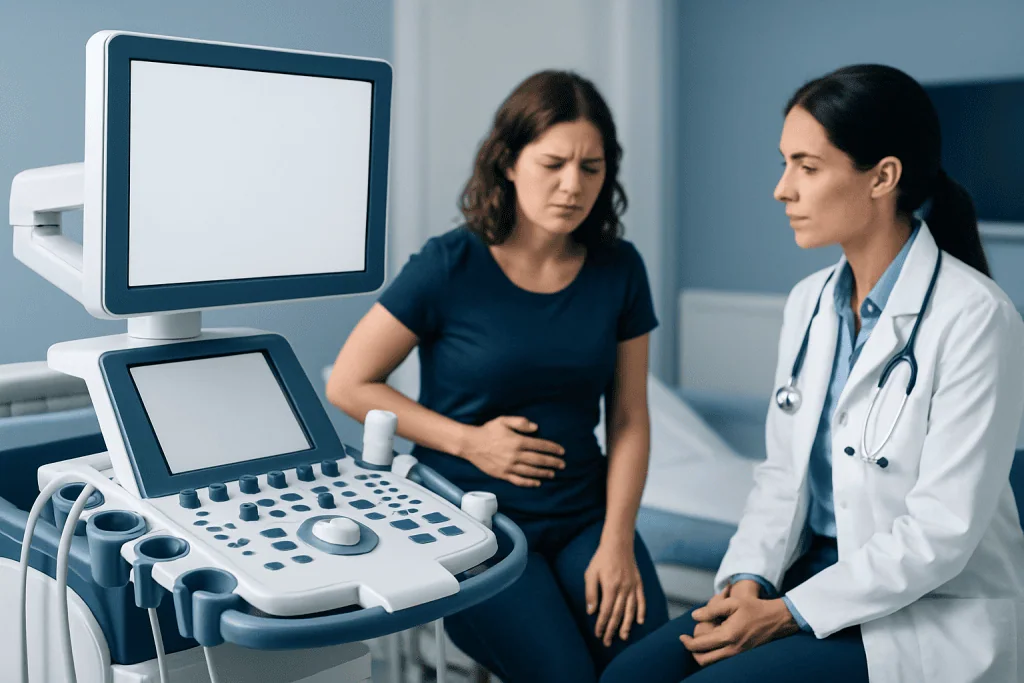
Symptoms described as post menstrual syndrome can vary from one cycle to the next. Some are mainly physical, such as low energy, bloating, pelvic discomfort, headaches, acne flares, or breast tenderness. Others are more emotional or cognitive, including irritability, anxiety, tearfulness, poor concentration, and a feeling of mental “fog.”
For some people, the symptoms are mild and short-lived, lasting a day or two after bleeding stops. For others, they continue long enough to affect work, study, exercise, social plans, or sleep. This is one reason doctors often ask not just what the symptoms are, but how much they interfere with daily life.
Commonly reported symptoms include:
- Fatigue or low stamina
- Abdominal bloating or digestive discomfort
- Pelvic cramps or lower back pain
- Headache or migraine
- Breast fullness or tenderness
- Mood changes, irritability, or sadness
- Trouble focusing or feeling mentally slowed
- Acne or skin changes
Symptoms that are severe, new, or accompanied by warning signs such as fever, very heavy bleeding, fainting, or sharp one-sided pelvic pain should not be assumed to be a simple hormonal issue. They may need prompt medical evaluation.
Why symptoms can happen after a period
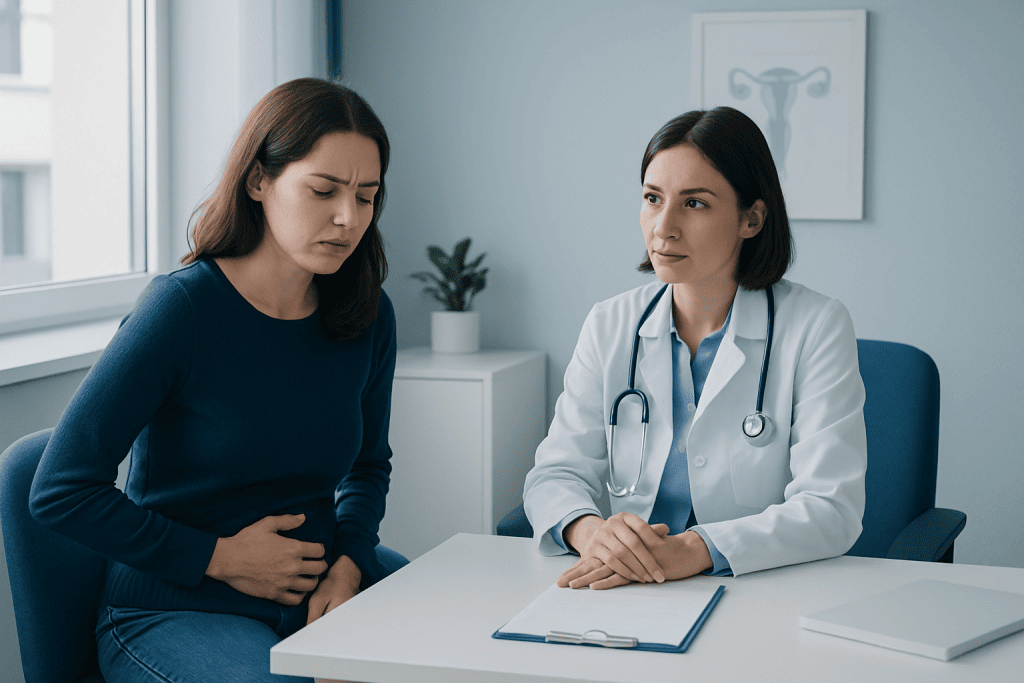
Several biological changes may explain why a person feels worse after menstruation rather than before it. Estrogen and progesterone do not simply switch on and off; they rise and fall in a dynamic pattern across the cycle. Some people may feel symptoms as these levels recover after bleeding, while others are more affected by the physical effects of menstruation itself, such as fluid shifts, sleep disturbance, or iron loss from heavier bleeding.
Another possibility is that symptoms that began before the period never fully resolved. This can happen with PMS, especially when stress, poor sleep, pain conditions, or migraines are also present. In some people, mood symptoms are the most noticeable feature. In others, pelvic pain or headaches dominate, which may lead a clinician to consider related conditions such as endometriosis or a menstrual migraine pattern.
Not all symptoms after a period are gynecologic. Fatigue and dizziness can be associated with anemia, especially in those with heavy periods. Mood changes may reflect anxiety or depression that worsens around the cycle but is present at other times too. Thyroid disease, chronic stress, medication side effects, poor nutrition, and disrupted sleep can all contribute to symptoms that seem hormone-related at first.
Rarely, ongoing pelvic pain, abnormal discharge, or bleeding between periods may suggest infection, fibroids, ovarian cysts, or other conditions that need specific care. This is why a broad medical view is often more useful than focusing on hormones alone.
Risk factors and possible related conditions
Some people are more likely to notice post-period symptoms than others. A personal history of PMS, PMDD, migraine, anxiety, depression, or painful periods can increase sensitivity to cycle-related changes. Heavy menstrual bleeding may also raise the chance of fatigue, weakness, or lightheadedness after a period because of fluid and iron loss.
Certain gynecologic conditions may overlap with this symptom pattern. Persistent cramping, pelvic pressure, painful sex, or prolonged bleeding can sometimes be linked to fibroids, adenomyosis, or endometriosis. If periods are irregular, very painful, or associated with acne and unwanted hair growth, clinicians may also consider polycystic ovary syndrome (PCOS), which can affect hormones and cycle patterns even when symptoms are not limited to the days before a period.
Lifestyle and environmental factors matter as well. Poor sleep, high stress, skipped meals, low physical activity, excess alcohol, and caffeine sensitivity can all worsen bloating, headaches, low mood, and fatigue. These do not mean the symptoms are “just stress,” but they can make a hormonally sensitive time in the cycle feel more difficult.
Because symptoms often have more than one cause, doctors usually look for patterns instead of a single trigger. A person may, for example, have mild PMS, heavy periods that contribute to low iron, and migraine headaches that are sensitive to hormone changes.
How doctors evaluate post menstrual symptoms
Assessment begins with a detailed history. A clinician will usually ask when symptoms start, how long they last, whether they improve between cycles, and whether they are mainly physical, emotional, or both. Information about bleeding pattern, pain, sexual health, contraception, pregnancy possibility, sleep, stress, and any history of thyroid disease, anemia, migraine, or mood disorders can be very helpful.
Keeping a symptom diary for two to three menstrual cycles is often one of the best diagnostic tools. Recording bleeding days, pain, mood changes, headaches, bowel symptoms, and energy levels can show whether symptoms are truly tied to the cycle or are present throughout the month. This can help distinguish PMS or PMDD from other causes of fatigue or mood change.
Depending on the symptoms, evaluation may include a physical examination, pelvic examination, pregnancy testing, blood tests for anemia or thyroid function, and sometimes pelvic ultrasound. If symptoms are dominated by heavy bleeding or significant pelvic pain, imaging may help identify fibroids, ovarian cysts, or other structural causes. Some patients may also be referred for a gynecology check-up or further evaluation in specialized women’s health care.
There is no single lab test that confirms “post menstrual syndrome.” The goal is to rule out other causes, identify any treatable condition, and match treatment to the most likely explanation for the symptom pattern.
Treatment options and symptom relief
Treatment depends on the cause, severity, and the patient’s goals. When symptoms are mild and clearly linked to the menstrual cycle, simple supportive measures may be enough. These can include rest, hydration, regular meals, physical activity, stress management, and nonprescription pain relief when appropriate. Some people benefit from reducing triggers such as poor sleep, excess salt, or alcohol around the time of their period.
If symptoms are more disruptive, doctors may suggest hormonal treatment to regulate ovulation or reduce menstrual symptoms. This may be relevant when there is a clear cyclical pattern or when heavy bleeding and cramps are major contributors. Depending on the person’s health profile, contraception options may be discussed as part of a broader gynecology care plan.
When an underlying condition is found, treatment is directed at that condition. For example, anemia may require iron assessment and treatment, migraines may need a headache management plan, and pelvic disorders may require targeted therapies. Persistent mood symptoms may improve with psychological support, lifestyle measures, or mental health treatment when indicated. If structural problems such as fibroids are present, more focused treatment may be discussed, sometimes after uterine fibroid embolization is considered in suitable cases.
Self-treatment should not replace medical advice when symptoms are severe, progressive, or unusual. A tailored plan is often the most effective approach because the same symptom pattern can have very different causes in different people.
Prevention, self-care, and cycle tracking
Not every case can be prevented, but consistent self-care can reduce the intensity of symptoms for many people. A balanced diet, regular exercise, steady sleep routine, and techniques that lower stress may help the body tolerate hormonal changes more comfortably. Eating regularly and staying hydrated can be especially useful for fatigue, headaches, and irritability in the days around and after a period.
Cycle tracking is one of the most practical tools patients can use. A phone app or simple calendar can record the first and last day of bleeding, pain level, mood symptoms, headaches, and any medicines taken. Over time, this can reveal whether symptoms occur only after a period, start before menstruation and continue, or happen unpredictably throughout the month.
General self-care measures may include:
- Prioritizing sleep before, during, and after the period
- Using gentle physical activity such as walking or stretching
- Limiting smoking and excess alcohol
- Choosing regular meals with iron-rich foods if periods are heavy
- Applying heat for cramps or pelvic discomfort
- Seeking support for anxiety, stress, or mood symptoms
Near the end of the care journey, some patients prefer coordinated support across gynecology, endocrinology, imaging, and mental health. Acibadem International’s multidisciplinary specialists and JCI-accredited hospitals diagnose and treat cycle-related and gynecologic conditions for international patients when a more detailed assessment is needed.
When to seek medical care
Medical review is appropriate if symptoms after a period are frequent, intense, or interfere with work, school, sleep, or relationships. A doctor can help determine whether the pattern fits PMS, PMDD, migraine, anemia, thyroid disease, or a gynecologic condition. Persistent symptoms should not be dismissed simply because they happen around the menstrual cycle.
Prompt medical care is especially important for warning signs such as very heavy bleeding, passing large clots, severe pelvic pain, fever, fainting, chest pain, shortness of breath, or sudden one-sided pain. These features can point to conditions that need urgent attention rather than routine menstrual discomfort.
It is also sensible to seek care if periods become markedly irregular, symptoms are getting worse over time, there is bleeding between periods, or there is concern about pregnancy, infection, or a pelvic mass. In these situations, timely evaluation can help clarify the cause and guide safe treatment.
Frequently asked questions
Is post menstrual syndrome a real medical condition?
It is a real symptom experience, but it is not a formal medical diagnosis with one specific cause. Doctors usually treat it as a pattern of symptoms occurring after a period and then look for explanations such as hormonal shifts, persistent PMS-type symptoms, anemia, migraine, or an underlying gynecologic condition.
How is post menstrual syndrome different from PMS?
PMS classically happens in the days before a period and improves once menstruation begins. Post menstrual syndrome refers to symptoms that continue after the period starts or appear after it ends, so the timing is different even if some symptoms overlap.
Can hormonal changes after a period cause fatigue or low mood?
Yes, some people are sensitive to hormonal changes throughout the menstrual cycle, not only before bleeding. Fatigue or mood changes after a period can also be influenced by sleep, stress, blood loss, headaches, nutrition, and mental health, so a broad assessment is often useful.
When should symptoms after a period be checked by a doctor?
A medical review is sensible if symptoms are severe, repeated every cycle, or affect normal activities. Heavy bleeding, fainting, fever, worsening pelvic pain, bleeding between periods, or sudden severe pain should be assessed promptly.
Can post menstrual symptoms be a sign of another condition?
Yes. Depending on the symptoms, doctors may consider anemia, thyroid disorders, endometriosis, fibroids, PCOS, migraine, infection, or mood disorders. This is why tracking symptoms and discussing them with a qualified clinician can be helpful.
What can help relieve post menstrual syndrome symptoms at home?
Many people feel better with good sleep, hydration, regular meals, gentle exercise, and heat for cramps. A symptom diary, balanced nutrition, and avoiding known headache or stress triggers may also help, but persistent symptoms deserve professional advice.
References
- American College of Obstetricians and Gynecologists
- National Institute for Health and Care Excellence
- Office on Women's Health
- Mayo Clinic
- World Health Organization
This article is for general information only and is not a substitute for professional medical advice. Please consult a qualified doctor about your individual situation.
Explore treatments in Turkey — costs, top hospitals & a free quote
JCI-accredited · board-certified surgeons · reply within 24h
Add us as a Preferred Source to see more of our trusted health content across Google Search, AI Overviews and Discover.