

Postponed Elective Cosmetic Surgery: Procedure, Recovery and Results

Elective cosmetic surgery may be postponed for health, safety, personal, scheduling or recovery-planning reasons. A rescheduled procedure usually requires an updated assessment, and some tests or preoperative instructions may need to be repeated.
Key Takeaways
- Elective cosmetic surgery may be postponed for health, safety, personal, scheduling or recovery-planning reasons.
- A rescheduled procedure usually requires an updated assessment, and some tests or preoperative instructions may need to be repeated.
- Recovery varies substantially by procedure, the extent of surgery, individual healing and whether procedures are combined.
- Following activity restrictions, wound-care instructions and follow-up appointments supports safer healing.
- Urgent medical review is needed for warning signs such as breathing difficulty, chest pain, uncontrolled bleeding, fever or rapidly worsening swelling.
Postponed elective cosmetic surgery is usually rescheduled once the reason for delay has been reviewed and the person is medically and practically ready for a safe recovery. A new consultation helps confirm that the planned procedure, timing, expected results and aftercare plan remain appropriate.
Overview: what postponed elective cosmetic surgery means
Postponed elective cosmetic surgery means that a planned procedure is delayed and moved to a later date rather than performed as originally scheduled. This may happen because of a temporary illness, a change in medical findings, medication use, smoking or nicotine exposure, pregnancy, an incomplete preoperative evaluation, travel considerations or a personal decision that more time is needed.
In most cases, postponement is a safety-focused decision, not a sign that surgery can never be performed. The surgeon and care team reassess the person’s current health, goals and readiness for recovery before confirming a new plan. Elective surgery is optional, so timing should allow informed decision-making and practical support during healing.
Rescheduling is also an opportunity to revisit expectations. Cosmetic surgery can improve a feature that concerns a person, but it cannot guarantee a particular appearance or resolve broader emotional difficulties. A qualified plastic surgeon can explain what is realistically achievable for the individual’s anatomy and chosen procedure.
How rescheduling works and who may be ready
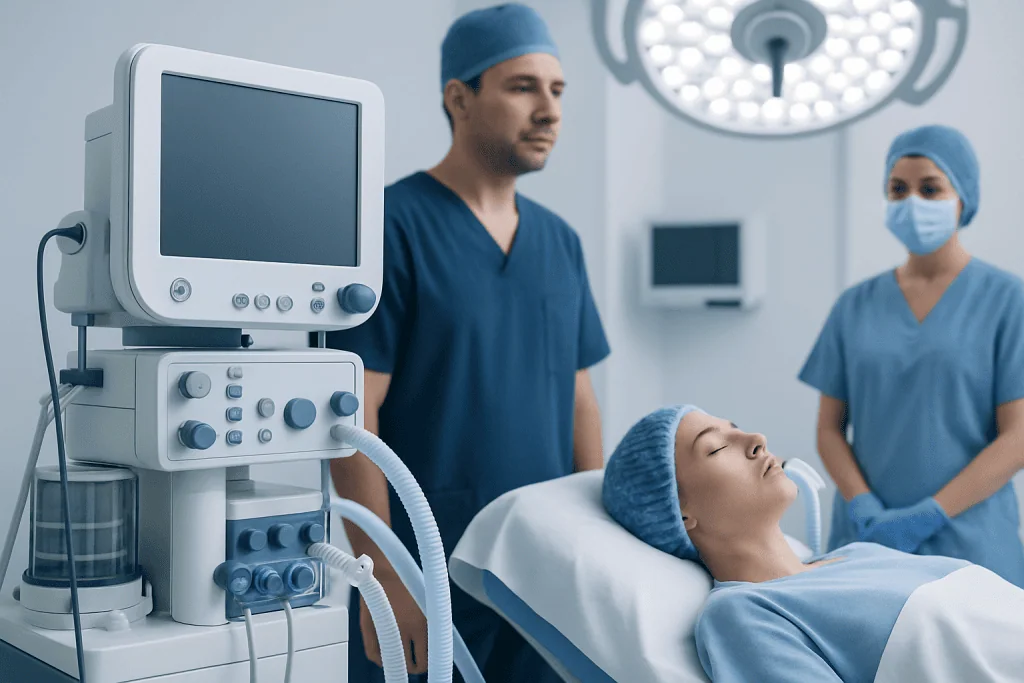
Before postponed elective cosmetic surgery is rescheduled, the care team typically reviews why it was delayed. A short delay after a cold may be sufficient for one person, while others may need a longer period to improve nutrition, stabilize a medical condition, stop nicotine products, complete testing or arrange reliable postoperative support.
Suitable candidates are generally adults in stable physical health who understand the benefits, limitations and risks of surgery. They should have realistic goals, be able to follow recovery instructions and disclose all medicines, supplements, allergies, previous operations and health conditions. Some medicines or supplements can affect bleeding, anesthesia or healing, so they should only be changed with advice from the prescribing clinician and surgeon.
Smoking, vaping and other nicotine products can reduce blood flow and increase wound-healing complications. A surgeon may ask a person to stop nicotine use well before surgery and throughout recovery. Pregnancy, active infection, poorly controlled chronic illness or significant life stress may also lead the team to recommend waiting.
For patients travelling for care, the plan should include adequate time near the hospital after surgery, a safe place to recover and clearance from the surgeon before long-distance travel. Acibadem International’s multidisciplinary specialists and JCI-accredited hospitals diagnose and treat patients, including international patients, with individualized surgical and recovery planning.
Procedure planning: step by step after a postponement

The process begins with an updated consultation. The surgeon reviews changes in health, weight, medications and priorities; examines the relevant area; and discusses whether the original operation remains the best approach. Depending on the time elapsed and the procedure, updated blood tests, imaging, photographs or anesthesia review may be required.
Once the person is cleared, the team confirms the surgery date and gives preoperative instructions. These may include guidance on eating and drinking before anesthesia, bathing, medication management, arranging transport home and identifying an adult who can help during the first stage of recovery. The person should ask what symptoms to expect, when work and exercise can resume, and what follow-up visits are planned.
On the day of surgery, the procedure may be performed under local anesthesia with sedation or general anesthesia, depending on its type and extent. The surgeon follows the agreed surgical plan, then monitors early recovery before discharge or an overnight stay when appropriate. The exact steps vary widely between facial surgery, breast surgery, body contouring and less invasive treatments.
People considering a rescheduled operation can review the details of plastic surgery treatment options with their surgeon, including whether staging procedures rather than combining them would better match their health and recovery needs.
Recovery timeline and expected results
Recovery begins immediately after surgery, when drowsiness, discomfort, swelling and bruising may occur. Pain control, wound care, compression garments and activity limits differ by procedure. The first days commonly require rest, assistance with daily activities and avoiding driving if taking sedating pain medicine or if the surgeon has not cleared driving.
During the first one to two weeks, many people can gradually return to light household activity, but visible bruising or swelling may still be present. Follow-up appointments allow the surgical team to check incisions, dressings and healing. Returning to desk work, lifting, exercise, swimming and other activities should follow the surgeon’s specific guidance rather than a fixed online timeline.
Over the following weeks to months, swelling usually continues to settle and scars mature gradually. Final results may take several months or longer, particularly after operations involving substantial tissue repositioning or body contouring. Weight changes, aging, sun exposure and lifestyle factors can influence how long results last.
Because recovery can be different after each procedure, postponing surgery may be sensible when a person cannot protect enough time for healing. A realistic schedule includes time away from strenuous work, caregiving duties, travel and social obligations, as well as access to follow-up care.
Risks, benefits and informed choices
Potential benefits of cosmetic surgery include a change in appearance that better aligns with a person’s goals and, for some people, improved confidence. Benefits are individual and should be balanced against the fact that every operation has limits and may not produce an exact imagined result.
Possible surgical risks include bleeding, infection, fluid collection, wound-healing problems, unfavorable scarring, numbness or altered sensation, asymmetry, anesthesia-related complications, blood clots and the need for revision surgery. The likelihood and seriousness of these risks depend on the procedure, health status, nicotine use, surgical complexity and postoperative care.
Combining procedures can reduce the number of anesthesia events and recovery periods for selected candidates, but it can also lengthen surgery and recovery. A surgeon may recommend staging operations when this is safer or more manageable. A postponement provides time to discuss these choices without pressure.
It is important to use a properly qualified, experienced surgeon and an accredited surgical setting. A person should feel comfortable asking about the surgeon’s qualifications, the expected scar pattern, anesthesia arrangements, likely recovery needs, alternatives and the plan if a complication develops.
Common recovery questions
What is the hardest cosmetic surgery to recover from? There is no single procedure that is hardest for everyone. More extensive operations, such as a body lift, abdominoplasty, combined body-contouring surgery or major facial surgery, can involve more discomfort, movement restrictions, swelling and longer recovery because larger areas are treated. Individual health, pain tolerance, the exact technique and whether procedures are combined matter greatly.
How long does it take to recover from elective surgery? Initial recovery may take days to several weeks, while complete healing and final results can take months. Less invasive procedures may allow a quick return to routine activities, whereas larger operations may require several weeks before normal work or exercise is appropriate. The operating surgeon’s instructions are the safest guide for an individual timeline.
What are the top 5 worst surgeries to recover from? Ranking surgery recovery is not medically precise because experiences differ. Procedures often considered more demanding include abdominoplasty, body lift surgery, extensive liposuction, facelift surgery and breast reconstruction or major breast revision surgery. These operations may involve significant swelling, activity restrictions, drains or compression garments, but many people recover well with careful planning and follow-up.
What is the easiest plastic surgery to recover from? Non-surgical treatments and minor procedures performed under local anesthesia generally have shorter downtime than larger operations. However, “easy” does not mean risk-free: even small procedures require appropriate assessment, aftercare and attention to warning symptoms. The best option is the one that safely matches the person’s goals and medical circumstances.
When to seek medical care
Before a rescheduled procedure, a person should contact the surgeon if they develop a new illness, fever, cough, rash, dental infection, pregnancy, medication change, nicotine use or a new diagnosis. These changes may affect anesthesia, infection risk or wound healing, and the team can advise whether surgery should proceed or be delayed again.
After surgery, the person should seek urgent medical advice for worsening rather than improving pain, persistent vomiting, a fever, spreading redness, foul-smelling drainage, sudden marked swelling, opening of an incision, uncontrolled bleeding or new numbness that concerns them. Emergency assessment is needed for chest pain, shortness of breath, fainting, coughing blood or one-sided leg swelling, as these can indicate serious complications.
Routine follow-up remains important even when healing appears normal. Questions about scars, swelling, activity, garments or return to work are best discussed early with the surgical team. Prompt communication can often address concerns before they become more difficult to manage.
Frequently asked questions
Why might elective cosmetic surgery be postponed?
Cosmetic surgery may be postponed because of an infection, changes in health, abnormal preoperative findings, nicotine use, medication concerns, pregnancy or insufficient time for recovery. It may also be delayed for personal reasons, such as travel, work responsibilities or uncertainty about the decision. The purpose is to improve safety and readiness, not to rush an elective procedure.
Do preoperative tests need to be repeated after surgery is postponed?
They may need to be repeated, depending on the procedure, the person’s health and how much time has passed. The surgeon or anesthesia team decides which assessments remain valid and whether new tests are needed. People should report any health or medication changes since the original evaluation.
Can a person exercise after cosmetic surgery?
Light walking is often encouraged soon after many operations to support circulation, but the timing depends on the procedure and the individual. Strenuous exercise, lifting and movements that strain incisions are usually restricted for a period of time. The surgeon should provide personalized instructions about safely returning to activity.
Will postponing cosmetic surgery affect the final result?
A delay does not usually worsen the eventual result and may improve safety when it allows health issues or practical recovery barriers to be addressed. However, changes in weight, skin quality, pregnancy, aging or medical conditions may affect the surgical plan. An updated consultation helps clarify what result is realistic at the new date.
How can someone prepare for recovery after rescheduling surgery?
Preparation includes arranging transportation, help at home, time away from demanding responsibilities and access to prescribed supplies. It is also helpful to prepare easy meals, a comfortable recovery area and a list of questions for the care team. Following nicotine, medication and fasting instructions is an important part of preparation.
Is it safe to travel after cosmetic surgery?
Travel timing depends on the operation, anesthesia, risk of blood clots, mobility and the need for follow-up care. Long journeys soon after surgery may not be advisable, especially after more extensive procedures. The person should obtain direct clearance from the operating surgeon before travelling, particularly by air.
References
- American Society of Plastic Surgeons
- American Society of Anesthesiologists
- U.S. Food and Drug Administration
- World Health Organization
This article is for general information only and is not a substitute for professional medical advice. Please consult a qualified doctor about your individual situation.
Explore treatments in Turkey — costs, top hospitals & a free quote
JCI-accredited · board-certified surgeons · reply within 24h
Add us as a Preferred Source to see more of our trusted health content across Google Search, AI Overviews and Discover.

More from the Health Library



Related Specialists

Prof. Dr. Fatih Oğuz Önder
Gastroenterology
Assoc. Prof. Dr. Onur Taşar
Cardiology
Prof. Dr. Özlem Çelik
Endocrinology
Yağız Meteoğlu
Physical Medicine & Rehabilitation