Potty Chair — Explained by Medical Evidence, Not Myths
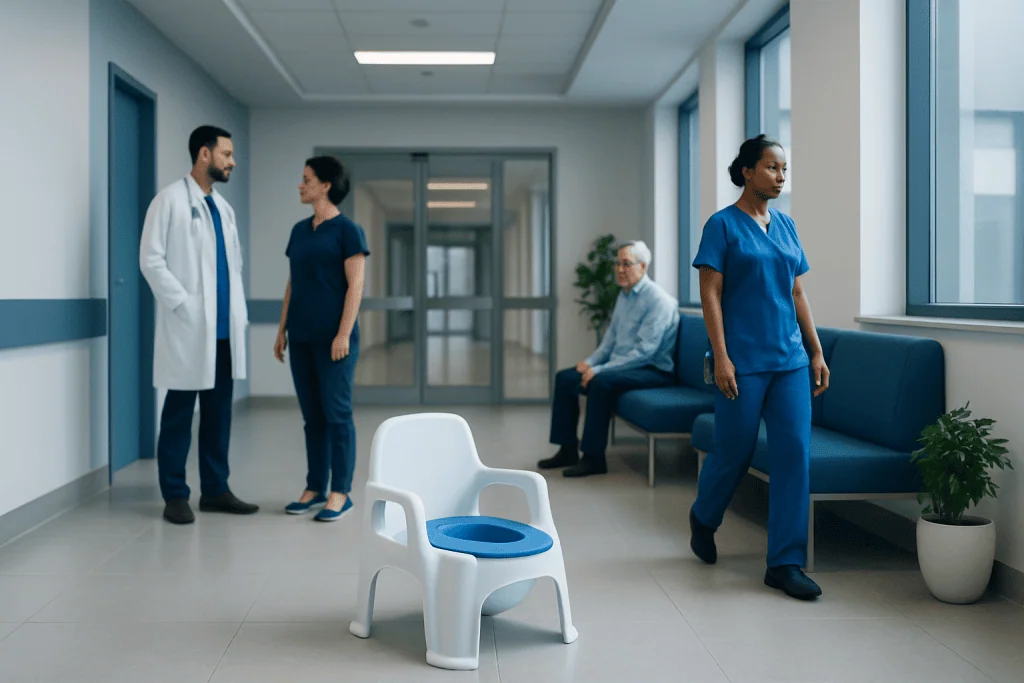
A potty chair is one safe option for toilet training, but a child toilet seat insert with a stable footstool can work equally well. Most children benefit from starting when they show developmental readiness rather than at a fixed age.
Key Takeaways
- A potty chair is one safe option for toilet training, but a child toilet seat insert with a stable footstool can work equally well.
- Most children benefit from starting when they show developmental readiness rather than at a fixed age.
- Feet support, a relaxed posture, and unhurried toilet time can make bowel movements easier.
- Punishment, shaming, and forcing a child to sit can increase stress and may worsen stool withholding.
- Constipation, pain with bowel movements, and major setbacks deserve discussion with a pediatric clinician.
A potty chair is a small child-sized toilet that may help toilet training by providing a stable, comfortable place for a child to sit with feet supported. Medical evidence supports a calm, child-led approach: readiness, routine, positive reinforcement, and avoiding pressure matter more than the specific type of potty used.
What Is a Potty Chair and Does It Help?
A potty chair is a small, portable toilet designed for young children. It sits low to the floor, usually has a removable bowl for cleaning, and allows a child to place both feet firmly on the ground. For many families, this can make the transition from diapers feel less intimidating than using an adult toilet.
There is no evidence that one particular potty chair design reliably makes toilet training faster. What matters most is whether the child feels safe, comfortable, and involved, and whether caregivers use a predictable, low-pressure routine. A child-sized seat placed on the regular toilet, combined with a secure footstool, is also an appropriate option.
A potty chair is therefore a tool rather than a requirement. The best choice is one that is stable, easy to clean, suitable for the child’s size, and acceptable to the family’s daily routines. If a child strongly dislikes one option, caregivers can calmly offer the alternative rather than turning the choice into a struggle.
Readiness Matters More Than Age
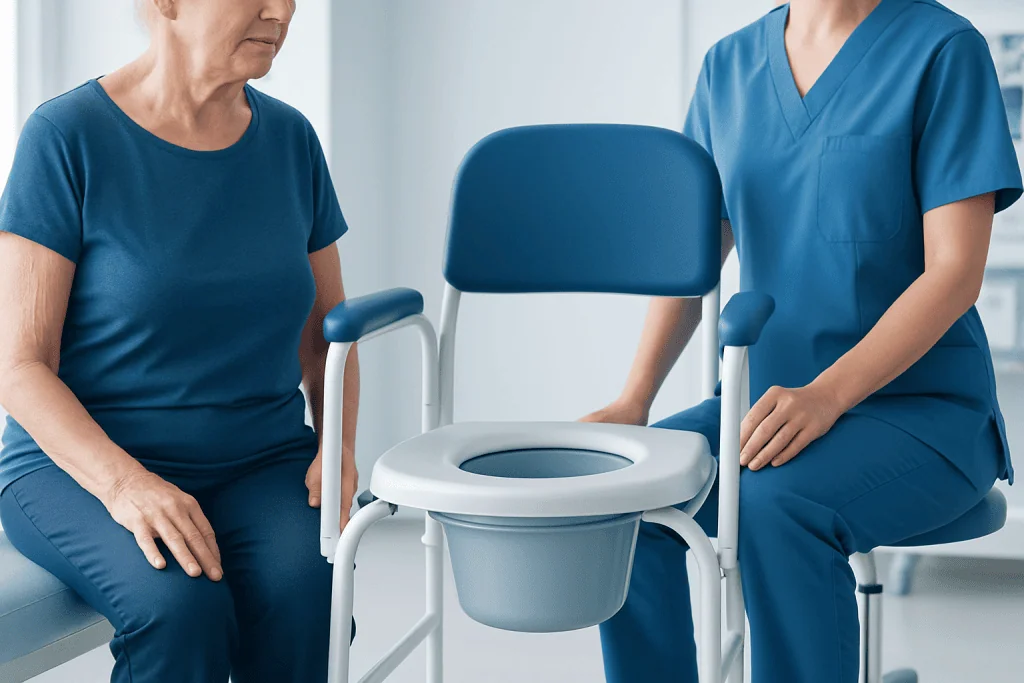
Toilet learning is a developmental process, not a test of parenting or a milestone that must be reached on a particular birthday. Many children begin showing readiness during the toddler years, but the timing varies widely. Starting before a child is developmentally prepared can lead to frustration for both the child and caregiver.
Common signs of readiness include staying dry for longer periods, noticing or communicating that they have urinated or passed stool, showing interest in the bathroom, being able to sit and stand with reasonable stability, and following simple instructions. A child may also begin pulling clothing up and down with some help. No single sign is essential; the overall pattern is more useful.
Temporary pauses are normal. Travel, a new sibling, a change in childcare, illness, or other stressful events can affect toilet habits. If resistance becomes strong, it is usually kinder and more effective to stop structured attempts for a short period and return to the process later without blame.
How to Choose and Set Up a Potty Chair Safely
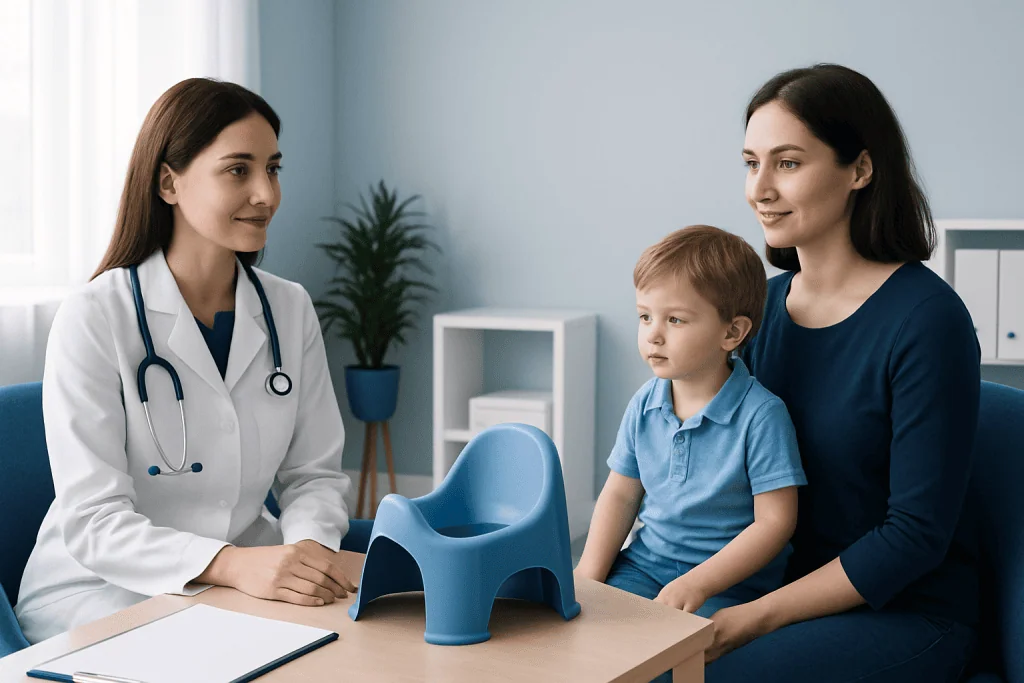
A suitable potty chair should have a broad, non-slip base and should not wobble when the child sits down or gets up. It should be simple enough to clean thoroughly after each use. Avoid placing it on raised surfaces, near stairs, or in locations where a child could reach unsafe objects, cords, cleaning products, or hot water.
Comfort and body position are clinically relevant, especially for bowel training. When a child’s feet are supported and knees are slightly higher than the hips, the pelvic floor can relax more easily. A floor-level potty naturally supports this posture. With a toilet-seat insert, a sturdy footstool is important because dangling feet may make a child feel insecure and can make stool passage more difficult.
Caregivers can place the potty in a calm, accessible bathroom area or, initially, in another private and easy-to-clean space if this helps the child become familiar with it. Handwashing should follow every attempt, not only successful use. The potty bowl should be emptied into the toilet, cleaned with household soap and water or according to product instructions, and stored hygienically.
A Calm, Evidence-Informed Toilet Training Routine
Early success is more likely when a child is invited rather than commanded to use the potty chair. Caregivers can introduce simple words for urine, stool, and body sensations, allow the child to watch age-appropriate modeling from a trusted caregiver, and explain that the potty is a place where urine and stool go. Books or simple routines may help some children understand the change.
Brief, regular opportunities are often enough. Sitting for a few minutes after meals can be useful because eating naturally stimulates bowel activity. Sitting before bath time, before leaving home, or at other predictable moments may also fit family life. The child should never be held on the potty or required to remain seated for a long time.
Positive attention should focus on cooperation and learning, not only on producing urine or stool. Calm phrases such as “You sat on the potty” or “You told me you needed to go” can build confidence. Small, non-food rewards may be acceptable for some families, but elaborate reward systems are not necessary and can become stressful if the child begins to feel pressured to perform.
Accidents are expected during learning. A neutral response, clean clothes, and a return to the routine teach more than criticism does. Punishment, humiliation, or withholding affection can create anxiety around toileting and may contribute to avoidance or stool withholding.
Bowel Habits, Constipation, and Stool Withholding
Comfortable bowel movements are central to successful toilet training. A child who has had a painful, hard stool may begin to avoid the potty or toilet, hold stool in, cross their legs, stiffen their body, hide, or refuse to sit. This is not usually deliberate misbehavior; it can be a protective response to discomfort.
Constipation can cause infrequent stools, hard or large stools, painful passage, abdominal discomfort, or stool smears in underwear. Smearing may occur when softer stool leaks around retained stool, and it should not be assumed to be a behavioral problem. Families should seek clinical advice rather than trying to manage persistent symptoms with punishment or prolonged toilet sitting.
Offering water regularly, serving fiber-containing foods such as fruits, vegetables, beans, and whole grains where appropriate, and maintaining regular active play can support healthy bowel habits. However, diet changes alone may not resolve established constipation. A pediatric clinician can assess the child and advise whether a structured constipation plan is needed.
Common Myths About Potty Chairs
Myth: A child must be trained by a certain age. Children develop bladder and bowel control at different rates. Comparing a child with siblings, peers, or family expectations may add pressure without improving readiness. Developmental abilities, temperament, health, and life circumstances all influence timing.
Myth: Accidents mean a child is being defiant. Accidents are a normal part of acquiring a new skill. They may happen because a child becomes absorbed in play, cannot reach the bathroom in time, is tired, or is still learning to recognize body signals. A calm response supports learning and protects the child’s self-esteem.
Myth: Keeping a child on the potty until they go will teach them faster. Prolonged or forced sitting can make toileting unpleasant. Short, relaxed opportunities are preferable. A child who is afraid, upset, or physically uncomfortable should be allowed to get up and try again later.
Myth: Nighttime dryness should happen as soon as daytime training begins. Nighttime bladder control often develops later and depends partly on biological maturation. Bedwetting in younger children is common, and nighttime training should not be forced simply because daytime potty use is progressing.
When to Seek Medical Care
A parent or caregiver should contact a pediatric clinician if a child has ongoing pain when passing stool or urine, blood in the stool, repeated vomiting, a swollen abdomen, unexplained weight loss, fever with urinary symptoms, or marked changes in thirst or urination. Urgent assessment is appropriate if a child appears very unwell, has severe abdominal pain, or cannot pass urine.
Medical advice is also helpful for constipation lasting more than a short period, frequent stool withholding, repeated stool leakage, persistent toilet refusal, or a major regression after the child had been using the toilet comfortably. These concerns may have physical, emotional, developmental, or environmental contributors, and assessment can help identify a supportive plan.
Children with developmental differences, mobility limitations, sensory sensitivities, or chronic health conditions may need individualized toilet training strategies. Pediatric clinicians can coordinate guidance with relevant specialists when needed. Acibadem International’s multidisciplinary specialists and JCI-accredited hospitals support international patients who need assessment of childhood bowel, bladder, or developmental concerns.
Frequently asked questions
At what age should a child start using a potty chair?
There is no single correct age to begin. A potty chair can be introduced when a child shows several readiness signs, such as interest in the bathroom, awareness of wet or soiled diapers, and the ability to sit steadily. Beginning before readiness is present may make the process more stressful.
Is a potty chair better than a toilet-seat insert?
Neither option is medically superior for every child. A potty chair may feel secure because it is low to the ground, while a toilet-seat insert may be more convenient for some families. In either case, stable foot support is important, particularly for comfortable bowel movements.
How long should a child sit on a potty chair?
Short, relaxed sits are generally best, often only a few minutes. A child should not be forced to remain seated or kept there until they pass urine or stool. Regular opportunities after meals or at predictable times are more helpful than lengthy sessions.
What should caregivers do when a child has a potty-training accident?
Caregivers should respond calmly, help the child change clothes, and continue the usual routine. Negative comments, punishment, or shame can make a child anxious and less willing to try. Gentle reminders and praise for communicating body needs are more constructive.
Can potty training cause constipation?
Toilet training itself does not directly cause constipation, but pressure, fear, or a previous painful bowel movement can lead a child to hold stool. Stool withholding can then worsen constipation. A clinician should assess persistent hard stools, pain, stool leakage, or refusal to pass stool.
Should a child be potty trained before starting preschool?
Policies vary between childcare settings, but a child’s health and developmental readiness should remain the priority. Some children need more time or support, and many settings can work with families during the learning process. Caregivers can ask the preschool about its toileting policies and discuss any concerns with the child’s clinician.
References
- American Academy of Pediatrics
- National Institute of Diabetes and Digestive and Kidney Diseases
- National Health Service
- Mayo Clinic
This article is for general information only and is not a substitute for professional medical advice. Please consult a qualified doctor about your individual situation.
Explore treatments in Turkey — costs, top hospitals & a free quote
JCI-accredited · board-certified surgeons · reply within 24h
Add us as a Preferred Source to see more of our trusted health content across Google Search, AI Overviews and Discover.

More from the Health Library



Related Specialists

Prof. Dr. A. Çağrı Büke
Infectious Diseases & Clinical Microbiology
Dr. Güven Genç
Orthopedic Surgery & Traumatology
Dr. Yasemin Kural
Dermatology
Prof. Dr. Funda Vesile Çorapcıoğlu
Pediatric Oncology