Poverty and Children’s Health: Physical and Mental Effects
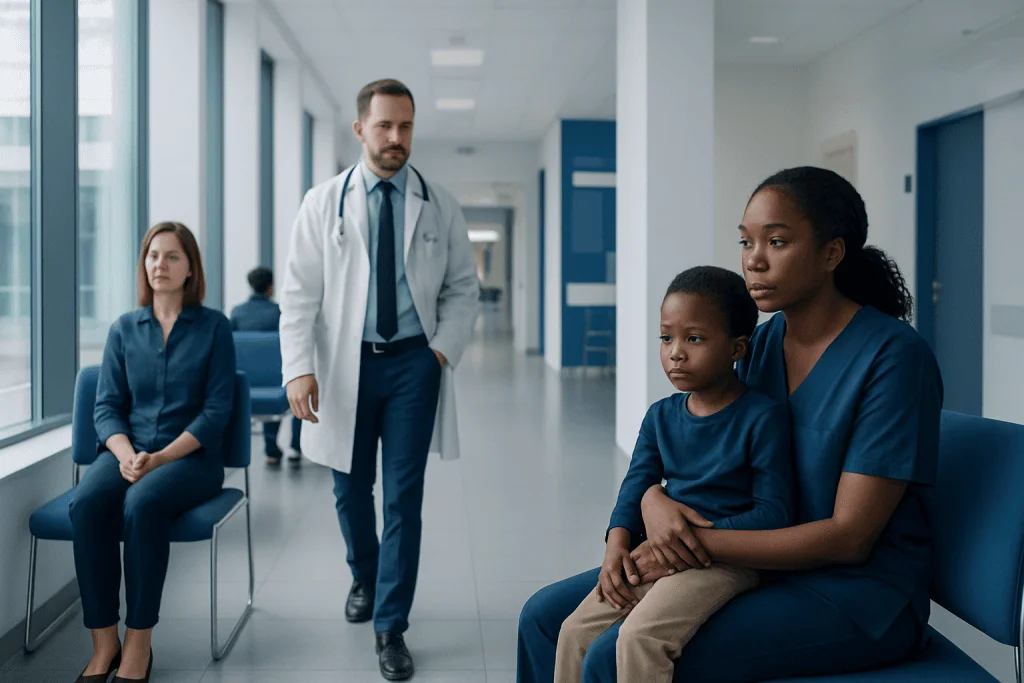
Poverty can influence physical growth, nutrition, sleep, immunity, and long-term health. Children living in poverty may face higher stress, anxiety, depression, and learning difficulties.
Key Takeaways
- Poverty can influence physical growth, nutrition, sleep, immunity, and long-term health.
- Children living in poverty may face higher stress, anxiety, depression, and learning difficulties.
- Health effects often relate to limited access to nutritious food, safe housing, education, and healthcare.
- Early support, regular medical care, and stable daily routines can reduce some of the risks.
- Families should seek professional help if a child shows changes in mood, behavior, growth, or school performance.
Poverty can affect a child's body, mind, and future opportunities in many connected ways. Understanding these effects can help families, communities, and healthcare professionals support healthier development and earlier care.
Overview
Poverty and children’s health are closely connected because a child’s health depends on much more than medical treatment alone. Safe housing, nutritious food, clean air, stable caregiving, education, and access to healthcare all shape growth and development. When these needs are harder to meet, the effects can be seen in both physical and mental health.
Not every child who grows up in poverty will experience the same problems, and many children show great resilience when they receive support from family, school, healthcare professionals, and the wider community. Even so, poverty increases the risk of health challenges that can begin early in life and continue into adolescence and adulthood.
Doctors often describe poverty as a social determinant of health. This means it can influence daily living conditions in ways that affect the body and brain over time. Recognizing these links is important because early action can improve outcomes and help children thrive.
How Poverty Affects Physical Health
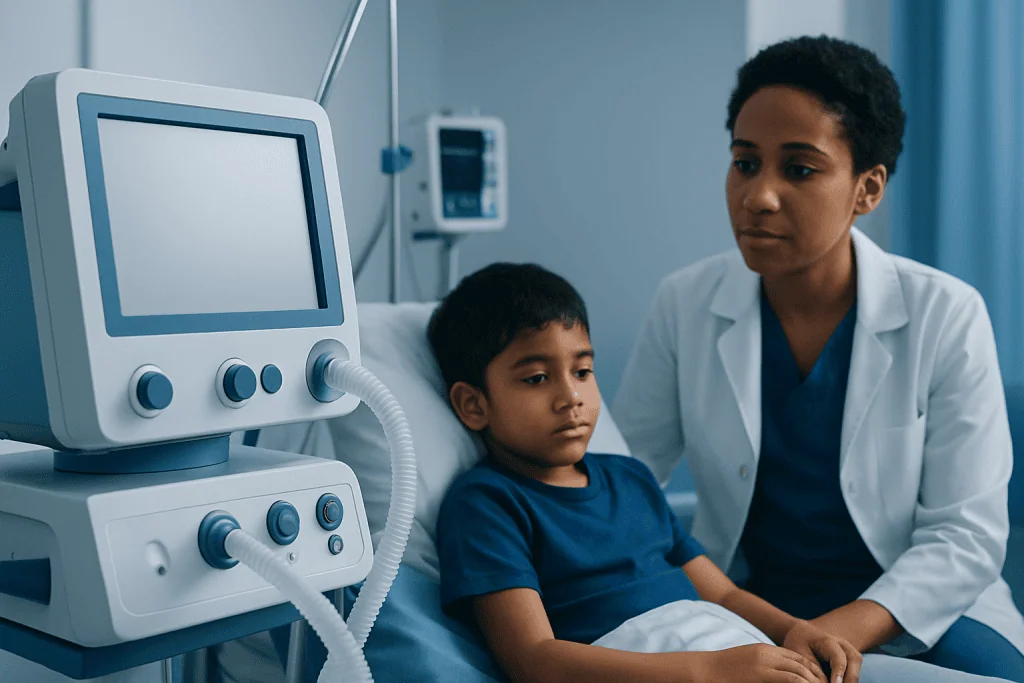
Children living in poverty may be more likely to experience poor nutrition, slower growth, and a higher risk of certain illnesses. Limited access to balanced meals can affect energy, concentration, bone development, and the immune system. In some children, poverty is linked to undernutrition; in others, it may contribute to overweight and obesity when affordable food options are low in nutrients and high in calories.
Housing conditions also matter. Dampness, mold, crowding, poor heating or cooling, and exposure to pollution can increase the risk of respiratory symptoms, skin problems, infections, and sleep disruption. A child who does not sleep well or has repeated infections may find it harder to learn, play, and take part in daily activities.
Preventive healthcare may also be harder to access. Missed checkups, delayed vaccinations, untreated dental problems, and difficulty obtaining medicines or specialist care can allow small health issues to become more serious. Children with chronic conditions such as asthma may have more frequent symptoms if treatment, follow-up, or environmental control is inconsistent.
Over time, long-term stress associated with poverty can affect the body itself. Ongoing stress can influence hormones, sleep, appetite, and inflammation, which may contribute to future risks involving heart health, metabolism, and immunity later in life.
Effects on Mental Health and Emotional Development
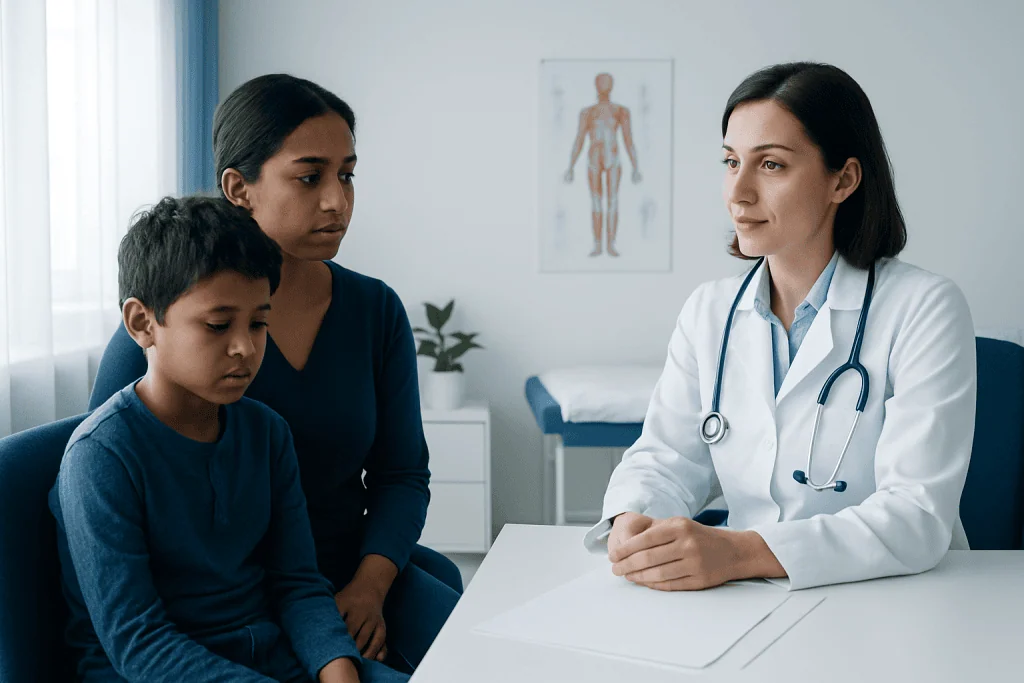
Poverty can place children under repeated emotional strain. Worry about food, housing, safety, family finances, or parental stress may affect how secure a child feels. Some children become anxious, withdrawn, or sad, while others may show irritability, anger, or behavior changes that are easily misunderstood.
Chronic stress in childhood can influence brain development, attention, emotional regulation, and memory. This does not mean damage is unavoidable, but it does mean that supportive relationships and early intervention are especially important. Children who feel listened to, protected, and cared for are often better able to manage stress and recover from setbacks.
Mental health effects may appear in different ways at different ages. Younger children may have sleep problems, clinginess, tantrums, or developmental delays. School-age children may struggle with concentration, friendships, self-esteem, or classroom behavior. Teenagers may show signs of anxiety, depression, hopelessness, or risk-taking behavior.
If concerns about low mood, severe stress, or lasting behavior changes arise, families may benefit from assessment by specialists in child and adolescent psychiatry. Early emotional support can improve coping, school participation, and family well-being.
Learning, Behavior, and Development
A child’s development depends on a combination of nutrition, language exposure, emotional security, physical health, and opportunities to learn and play. Poverty can affect all of these at once. For example, frequent illness, food insecurity, housing instability, and caregiver stress may reduce a child’s ability to focus, explore, and build new skills.
Some children may reach language, motor, or social milestones later than expected. Others may appear restless, inattentive, or frustrated at school. These difficulties are not a sign of low potential. Instead, they may reflect stress, unmet health needs, inconsistent attendance, or a lack of supportive resources during key developmental periods.
School performance can also be affected by practical barriers such as limited access to books, internet, transport, study space, or after-school support. Hearing or vision problems may go unnoticed for longer if routine screening is delayed. In some cases, a developmental assessment or pediatric neurology review may help clarify whether symptoms relate to learning differences, stress, sleep problems, or another medical issue.
Why These Health Effects Happen
The health effects of poverty rarely come from one single cause. More often, several challenges occur together and build over time. These may include food insecurity, unstable housing, neighborhood violence, parental job insecurity, limited access to quality childcare, reduced healthcare access, and fewer safe places for exercise and play.
Family stress is another important factor. Parents and caregivers under financial strain may be carrying intense emotional and practical burdens. This does not mean they are not caring for their children well; rather, it highlights how social conditions can place extra pressure on the whole family. Supporting caregivers often helps children too.
Environmental exposures may also play a role. Poor air quality, tobacco smoke exposure, lead, unsafe water, overcrowding, and noise can all affect physical and mental health. Children are particularly sensitive to these factors because their bodies and brains are still developing.
In healthcare, these influences are sometimes considered alongside other social determinants of health. Understanding the broader picture helps clinicians look beyond symptoms alone and identify the everyday factors that may be affecting a child’s growth, mood, and resilience.
Diagnosis and Assessment
There is no single test for the health effects of poverty. Instead, doctors assess a child’s overall well-being by looking at growth, nutrition, development, behavior, mood, sleep, school functioning, and medical history. They may ask about living conditions, diet, access to healthcare, and family stress in a respectful and confidential way.
Physical assessment may include height and weight tracking, developmental screening, vision and hearing checks, and evaluation for conditions such as anemia, dental problems, infections, or chronic respiratory issues. Mental health screening may be helpful if a child shows anxiety, low mood, trauma-related symptoms, or major behavior changes.
Depending on the child’s needs, care may involve pediatricians, mental health professionals, dietitians, social workers, developmental specialists, and school support teams. This kind of multidisciplinary approach can be especially helpful when symptoms affect several areas of life at once.
Because poverty can overlap with conditions such as depression or learning and behavioral concerns, assessment should focus on the whole child rather than on one symptom alone. A careful evaluation can guide practical support as well as medical treatment where needed.
Support, Treatment, and Practical Ways to Help
The best support depends on the child’s specific needs. Treatment may include management of medical conditions, nutritional guidance, mental health care, developmental therapies, and school-based support. Just as importantly, families may need help connecting with community resources for food, housing, financial support, transport, or childcare.
For physical health concerns, regular pediatric follow-up can help track growth, update vaccinations, and treat chronic conditions early. If stress, sadness, or anxiety is affecting a child’s daily life, psychological support or family counseling may be recommended. Some children benefit from structured assessment and support through pediatric care and child mental health services working together.
At home, steady routines can make a meaningful difference. Predictable mealtimes, sleep schedules, school attendance, active play, and calm communication can help children feel safer and more regulated. Caregivers should be reassured that small, consistent steps matter, even when larger circumstances are difficult.
Near the end of the care pathway, families who need coordinated specialist input may consider centers with pediatric, mental health, and diagnostic services in one place. Acibadem International’s multidisciplinary specialists and JCI-accredited hospitals diagnose and treat children with a wide range of physical and emotional health concerns for international patients.
When to Seek Medical Advice
Families should seek medical advice if a child is not growing well, is often ill, has frequent sleep problems, seems unusually tired, or shows changes in eating habits. A doctor should also assess repeated headaches, stomach aches, breathing problems, developmental concerns, or school difficulties that do not improve.
Emotional and behavioral warning signs also deserve attention. These include persistent sadness, severe worry, withdrawal from friends or activities, aggression, sudden drop in school performance, self-harm talk, or major changes in sleep and appetite. Young children may show distress through regression, clinginess, or frequent tantrums.
If there are concerns about safety, neglect, abuse, housing crisis, food insecurity, or severe mental health symptoms, urgent support may be needed. Families should contact a qualified healthcare professional or local emergency services if a child is in immediate danger or at risk of harming themselves or others.
Frequently asked questions
How does poverty affect a child's physical health?
Poverty can affect nutrition, sleep, immunity, growth, and access to preventive healthcare. Children may be more likely to experience frequent illness, dental problems, respiratory symptoms, or delayed treatment for medical concerns.
Can poverty affect a child's mental health?
Yes. Ongoing stress related to finances, housing, food insecurity, or family strain can increase the risk of anxiety, low mood, behavior changes, and difficulty coping. Supportive relationships and early mental health care can make a significant difference.
Do all children living in poverty develop health problems?
No. Many children are resilient and do well, especially when they have stable caregivers, school support, and access to healthcare. Poverty raises risk, but it does not determine a child's future on its own.
What signs should parents watch for?
Parents can watch for poor growth, frequent illness, sleep problems, falling school performance, mood changes, withdrawal, or behavior that seems very different from usual. Persistent symptoms or concerns should be discussed with a doctor.
What kind of help can improve outcomes for children in poverty?
Helpful support may include regular pediatric care, vaccinations, nutrition guidance, mental health services, developmental assessment, and school-based support. Practical help with food, housing, transport, and caregiver stress can also improve a child's health.
When should a child see a mental health professional?
A child should be assessed if sadness, anxiety, anger, sleep problems, school refusal, or behavior changes last for weeks or interfere with daily life. Immediate help is needed if there is self-harm talk, severe distress, or concern for safety.
References
- World Health Organization
- UNICEF
- American Academy of Pediatrics
- Centers for Disease Control and Prevention
- National Institute of Mental Health
This article is for general information only and is not a substitute for professional medical advice. Please consult a qualified doctor about your individual situation.
Explore treatments in Turkey — costs, top hospitals & a free quote
JCI-accredited · board-certified surgeons · reply within 24h
Add us as a Preferred Source to see more of our trusted health content across Google Search, AI Overviews and Discover.

More from the Health Library



Related Specialists

Kübra Otabaş
Physical Medicine & Rehabilitation
Assoc. Prof. Dr. Esma Kobak Tur
Neurology
Dr. Ioseb Gabunia
Inpatient Clinic Physicians Clinical Service
Assoc. Prof. Dr. Önder Doksöz
Pediatric Cardiology