Ppd Positive: An Evidence-Based Guide for Patients

A positive PPD test does not automatically mean a person has active tuberculosis disease or is contagious. The test is interpreted by measuring raised, firm swelling rather than redness at the injection site.
Key Takeaways
- A positive PPD test does not automatically mean a person has active tuberculosis disease or is contagious.
- The test is interpreted by measuring raised, firm swelling rather than redness at the injection site.
- A clinician considers the size of the reaction together with TB exposure, medical history, symptoms, and risk factors.
- Chest imaging and, when needed, sputum tests help rule out active TB after a positive result.
- Treatment for latent TB can lower the chance of developing active TB disease in the future.
A ppd positive result means the immune system reacted to proteins used in a tuberculosis skin test. It may indicate tuberculosis infection, but it cannot by itself show whether a person has inactive latent TB infection or active TB disease, so follow-up evaluation is important.
What Does a PPD Positive Result Mean?
A ppd positive result means that a person’s immune system reacted to the purified protein derivative (PPD) placed under the skin during a tuberculosis skin test. This reaction can suggest infection with the bacteria that cause tuberculosis (TB), called Mycobacterium tuberculosis. It does not, however, diagnose active TB disease on its own and does not mean that a person is necessarily infectious.
Many people with a positive result have latent tuberculosis infection. In latent infection, TB bacteria are present in the body but inactive. The person feels well, has no TB symptoms, and cannot spread TB to others. A smaller number of people may have active TB disease, which requires prompt medical assessment and treatment. Further tests are therefore needed to determine what the result means for the individual.
The PPD test is also called the tuberculin skin test or Mantoux test. It is commonly used in TB screening, although a tuberculosis blood test may be preferred in some situations. A healthcare professional should interpret every result in the context of the person’s health history, rather than relying on the word positive alone.
How the PPD Skin Test Is Read
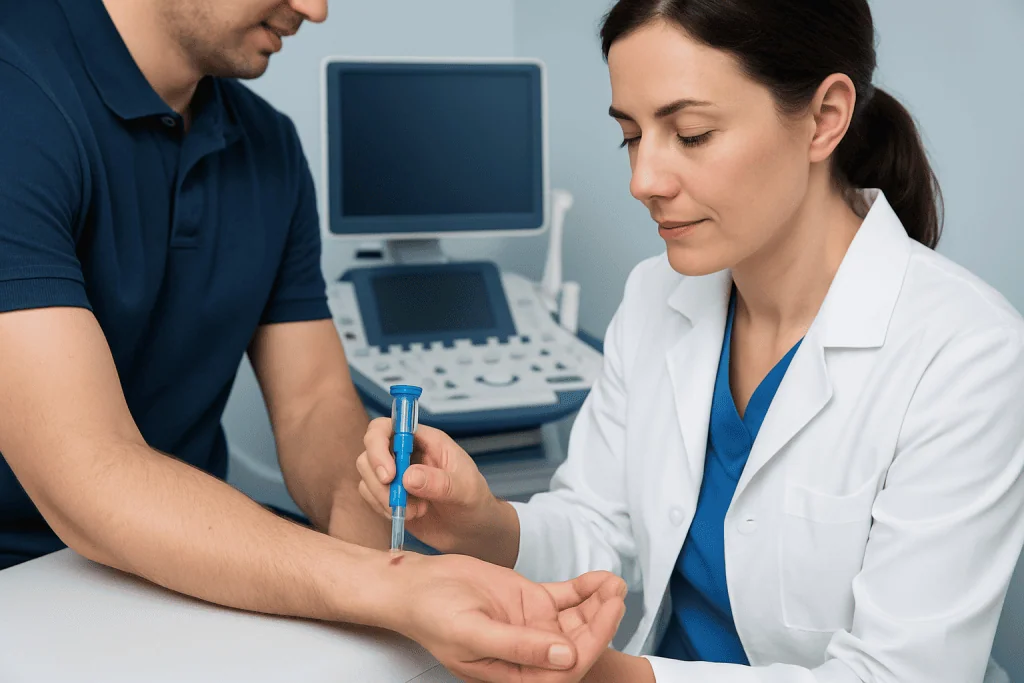
During a PPD test, a small amount of testing fluid is injected just beneath the skin, usually on the inner forearm. The person must return to a healthcare professional 48 to 72 hours later to have the site examined. The result is based on the diameter of the firm, raised area of swelling, called induration, measured in millimeters.
Redness, bruising, itching, or a flat rash is not what determines whether the test is positive. It is the palpable raised swelling that matters. A result cannot be interpreted accurately from a photograph or by checking the arm at home, because trained measurement and clinical context are essential.
The threshold for calling a result positive depends on a person’s likelihood of TB infection and risk of progressing to disease. In general, a smaller reaction may be considered positive for people with close TB exposure, certain immune-suppressing conditions, or specific chest imaging findings. A larger reaction may be required for people with fewer known risk factors. The clinician will use locally recommended criteria and the person’s individual circumstances.
Why a PPD Test Can Be Positive

A positive PPD test most often reflects a previous immune response to TB bacteria. Infection may have occurred recently or many years earlier, and a skin test cannot determine when exposure happened. People may be tested because of contact with someone who has TB, employment or school screening, travel or residence in places where TB is more common, or assessment before starting medicines that affect the immune system.
A previous bacille Calmette-Guérin (BCG) vaccine can sometimes contribute to a positive skin test, particularly when vaccination was more recent or repeated. Because BCG is used in many countries to help protect children against severe forms of TB, it is important to tell the clinician if it was received. However, a positive result should not automatically be dismissed as being caused by BCG, especially when TB exposure or other risk factors are present.
In people who have received BCG, a TB blood test called an interferon-gamma release assay (IGRA) is often useful because it is less likely to be affected by BCG vaccination. Less commonly, a PPD test can be falsely positive because of exposure to certain non-tuberculosis mycobacteria. A clinician may recommend a blood test when clarification is needed.
Latent TB Infection and Active TB Disease
Latent TB infection and active TB disease are different conditions. With latent infection, the immune system contains the bacteria and there are usually no symptoms. The person does not spread TB through ordinary contact. Even so, bacteria can become active later, particularly if the immune system becomes weakened, so preventive treatment may be recommended.
Active TB disease occurs when TB bacteria multiply and cause illness. TB most often affects the lungs, but it can involve other parts of the body. Possible symptoms of pulmonary TB include a cough that lasts several weeks, coughing up blood or mucus, chest pain, fever, night sweats, tiredness, reduced appetite, or unintentional weight loss. These symptoms can also have causes other than TB, but they should be assessed without delay.
A positive PPD cannot distinguish latent infection from active disease. It is also possible for people with active TB, especially those with weakened immune systems or very recent infection, to have a negative or unclear skin test. This is why symptoms, exposure history, examination findings, and additional testing all matter when TB is being considered.
What Follow-Up Tests May Be Needed?
After a ppd positive result, a clinician will ask about symptoms, previous TB testing, BCG vaccination, contact with TB, travel, work, living conditions, and medical conditions or medicines that affect immunity. They will also perform an examination and decide which tests are appropriate. This approach helps identify those who need urgent assessment and those likely to have latent infection.
A chest X-ray is commonly used to look for signs of active or previous TB in the lungs. If the X-ray is abnormal or the person has symptoms suggestive of TB, the next step may include testing sputum, the mucus coughed up from the lungs. Laboratory testing can look for TB bacteria and may identify which medicines are likely to work if active disease is found.
An IGRA blood test may be used as an additional or alternative test, particularly for people vaccinated with BCG or those who may not be able to return for skin-test reading. Neither a skin test nor an IGRA alone confirms active disease. People should attend all recommended appointments and share prior results if available, as this can prevent unnecessary repeat testing.
Treatment and Everyday Care
If active TB is excluded and latent TB infection is diagnosed, a clinician may recommend treatment to reduce the future risk of active disease. Treatment involves one or more antibiotics taken for a prescribed period. The choice of regimen depends on factors such as age, pregnancy status, liver health, other medicines, possible drug interactions, and whether the person may have been exposed to drug-resistant TB.
It is important to take treatment exactly as prescribed and to discuss side effects promptly with the treating team. Some TB medicines can affect the liver or interact with other treatments, including hormonal contraception, anticoagulants, and medicines used after transplantation. A clinician may arrange blood tests or follow-up visits when appropriate.
People with latent TB do not need isolation and can continue normal daily activities unless advised otherwise for another reason. If active TB is diagnosed or strongly suspected, the medical team will explain infection-control steps, treatment, and when it is safe to resume close contact with others. A person should not start, stop, or share TB medicines without professional guidance.
When to Seek Medical Care
A person with a positive PPD should arrange follow-up with a qualified healthcare professional, even when they feel completely well. This is particularly important after close contact with someone who has active TB, before starting immune-suppressing treatment, or for people living with HIV, diabetes, chronic kidney disease, or other conditions that can increase the risk of TB becoming active.
Medical care should be sought promptly if there is a persistent cough, coughing up blood, chest pain, fever, night sweats, unexplained weight loss, or significant fatigue. These symptoms do not necessarily mean TB, but timely evaluation can identify the cause and guide appropriate care. If a clinician is concerned about potentially infectious TB, they may advise temporary precautions while tests are completed.
People who have documented prior positive TB testing often remain positive on future PPD tests, even after successful treatment. In most cases, repeating the skin test is not useful. Instead, they should keep records of the positive test, chest imaging, and any treatment received, and discuss future occupational or travel screening requirements with a clinician. Acibadem International’s multidisciplinary specialists and JCI-accredited hospitals can assess positive TB screening results and coordinate appropriate testing and care for international patients.
Frequently asked questions
Does a positive PPD mean I have tuberculosis?
Not necessarily. A positive PPD indicates an immune reaction that may be due to TB infection, but it cannot show whether the infection is latent or active. A clinical assessment, chest X-ray, and sometimes laboratory tests are needed to clarify the result.
Can I spread TB if my PPD test is positive?
People with latent TB infection do not spread TB to other people. Transmission is a concern when a person has active TB disease, most commonly active disease in the lungs or throat. Further evaluation after a positive test helps determine whether active disease is present.
Does the BCG vaccine cause a positive PPD test?
BCG vaccination can contribute to a positive PPD result, especially in some circumstances. However, healthcare professionals do not assume that BCG is the only explanation, because vaccinated people can still acquire TB infection. An IGRA blood test may help provide additional information.
What size PPD reaction is considered positive?
The answer depends on the person’s TB exposure history and medical risk factors. Clinicians use different measurement thresholds for people at higher risk, moderate risk, or low risk of infection. The raised swelling is measured, not the surrounding redness.
Will my PPD test always stay positive?
Many people continue to have a positive PPD result for years, including after treatment for latent TB or active TB. Repeating the skin test usually does not show whether treatment worked. Medical records of prior testing, imaging, and treatment are more useful for future screening.
Is treatment needed if I feel well after a positive PPD?
A person may feel completely well with latent TB infection, but treatment can still be recommended to reduce the risk of developing active TB later. The decision is individualized after active TB has been excluded. A clinician will consider the person’s risk factors, overall health, and possible medicine interactions.
This article is for general information only and is not a substitute for professional medical advice. Please consult a qualified doctor about your individual situation.
Explore treatments in Turkey — costs, top hospitals & a free quote
JCI-accredited · board-certified surgeons · reply within 24h
Add us as a Preferred Source to see more of our trusted health content across Google Search, AI Overviews and Discover.

More from the Health Library

Micropenis: A Complete Medical Overview

Rosemary — Explained by Medical Evidence, Not Myths

Thigh Chafing: A Complete Medical Overview

Sperm Cell — Explained by Medical Evidence, Not Myths

Box Jellyfish Stinging: A Complete Medical Overview