Pranayama: An Evidence-Based Guide for Patients
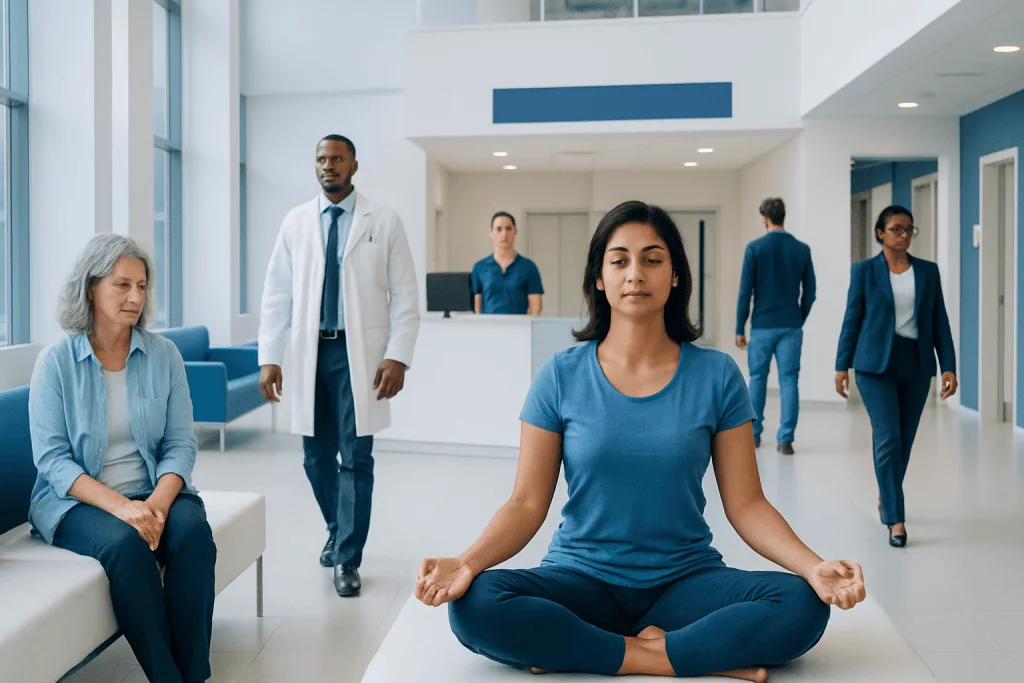
Pranayama refers to intentional breathing techniques used to regulate the breath and support mind-body relaxation. Research suggests pranayama may help reduce stress and improve breathing efficiency in some people.
Key Takeaways
- Pranayama refers to intentional breathing techniques used to regulate the breath and support mind-body relaxation.
- Research suggests pranayama may help reduce stress and improve breathing efficiency in some people.
- Not every technique suits every person; forceful or prolonged breath-holding may be unsafe for some medical conditions.
- Beginners usually do best with slow, gentle, comfortable breathing rather than advanced methods.
- People with heart, lung, neurological, or anxiety-related symptoms should ask a clinician which practices are appropriate.
Pranayama is a structured breathing practice from yoga that uses pace, depth, and attention to influence breathing patterns and relaxation. Evidence suggests it may help some people with stress, breathing awareness, and overall well-being, but it is not a substitute for medical care and should be adapted for individual health conditions.
What pranayama is and how it may help
Pranayama is a group of breathing practices that aim to make breathing slower, steadier, and more intentional. In practical terms, it usually involves changing how long a person inhales and exhales, breathing through one or both nostrils in a set pattern, or pausing briefly between breaths. Many people use pranayama as part of yoga, but it can also be practiced on its own as a relaxation and self-regulation technique.
From a medical perspective, pranayama is best understood as a form of guided breathing training. Slow, controlled breathing may influence the autonomic nervous system, the part of the body involved in heart rate, stress responses, and relaxation. This is one reason some people feel calmer, more focused, or more physically settled after practice.
Evidence on pranayama is growing, although study quality varies. Some research suggests it may support stress reduction, improve perceived well-being, and help breathing mechanics in selected groups. However, pranayama is not a cure for disease, and its effects can differ depending on the technique used, a person’s baseline health, and whether practice is supervised and consistent.
Common types of pranayama
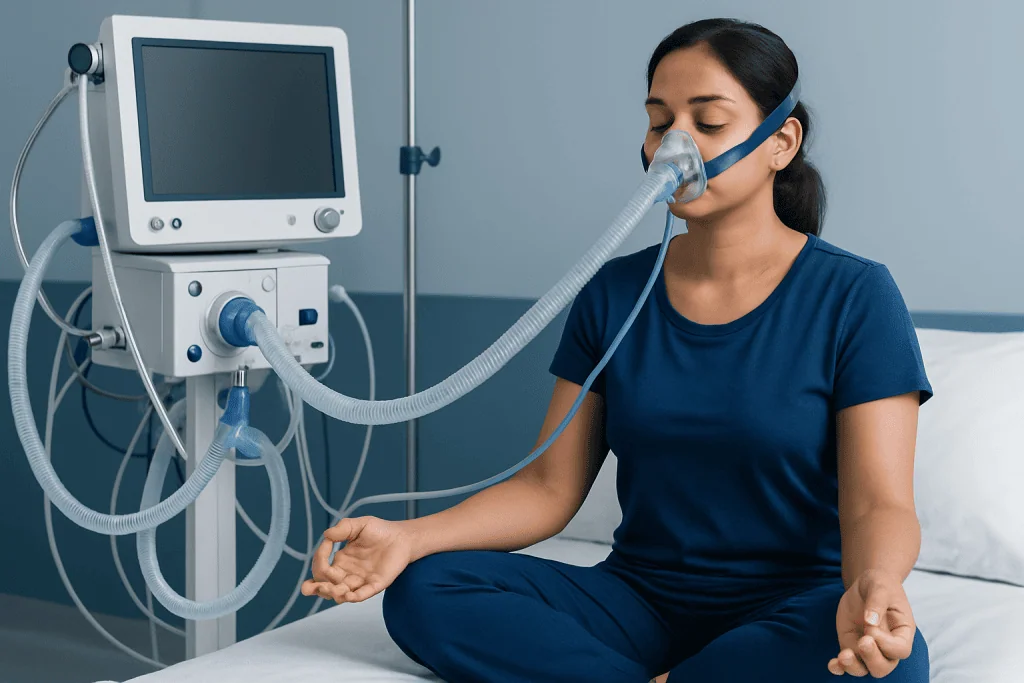
Pranayama is not a single exercise. It includes several techniques, ranging from simple slow breathing to more specialized practices. For patients and beginners, the safest starting point is usually gentle, unforced breathing with a comfortable rhythm.
Common forms include diaphragmatic breathing, in which the abdomen expands gently with inhalation; paced breathing, where exhalation may be slightly longer than inhalation; and alternate nostril breathing, often practiced slowly without strain. Some traditions also include humming exhalation, cooling breaths, and more vigorous methods.
Not all practices are suitable for everyone. Forceful breathing, rapid breathing, or long breath retention may trigger dizziness, chest discomfort, or anxiety in some people. Individuals with respiratory disease, cardiovascular disease, pregnancy, uncontrolled blood pressure, panic symptoms, or recent surgery should be especially cautious and avoid advanced techniques unless a qualified clinician or experienced instructor has advised them.
- Gentle slow breathing: often suitable for beginners
- Diaphragmatic breathing: helps bring attention to abdominal movement
- Alternate nostril breathing: may support focus and calm when practiced softly
- Humming exhalation: may promote relaxation for some people
- Forceful or rapid breathing: best avoided without individualized guidance
What the evidence says
Studies suggest that pranayama may offer measurable benefits in some settings, especially for stress management and relaxation. Slow breathing practices may lower perceived stress, improve comfort with breathing, and support a calmer physiologic state. Some studies also suggest modest benefits for sleep quality, attention, and quality of life, although results are not always consistent.
Research in respiratory health is of particular interest. Breathing exercises, including some pranayama-style methods, may help selected patients improve breath control, chest wall movement, and awareness of breathing patterns. In people living with respiratory symptoms, such techniques may sometimes complement standard care for conditions such as asthma or other breathing concerns, but they should not replace prescribed medicines or action plans.
Evidence is also being explored in cardiovascular health, mental health, and rehabilitation. Even so, many studies are small, use different techniques, or combine pranayama with yoga, meditation, or exercise, making it hard to draw broad conclusions. The most balanced view is that pranayama can be a useful supportive practice for some people when taught safely and used alongside evidence-based medical care.
Potential benefits and realistic limits
When practiced appropriately, pranayama may help people feel more aware of their breathing and less reactive to everyday stress. A slower breath can make it easier to relax muscle tension, settle the mind before sleep, or pause during moments of worry. For some individuals, this can support overall wellness and adherence to other healthy routines such as exercise, recovery, or mindfulness.
There may also be practical benefits for symptom management. People who breathe shallowly when stressed may learn to use the diaphragm more effectively, which can improve comfort and reduce the sense of “air hunger” caused by tension. In some rehabilitation settings, controlled breathing is also used together with posture, mobility work, and exercise training.
At the same time, it is important to be realistic. Pranayama does not treat infections, reopen blocked arteries, replace therapy, or reverse serious lung disease on its own. If a person has significant shortness of breath, chest pain, repeated fainting, or symptoms that suggest panic attacks, heart disease, or sleep-disordered breathing, evaluation may be needed for conditions such as sleep apnea or other medical causes rather than relying only on self-guided breathing exercises.
Who should be careful and possible side effects
Although pranayama is often described as gentle, it is not risk-free. Breathing too quickly or too deeply can lower carbon dioxide levels and lead to lightheadedness, tingling, chest tightness, or a sense of panic. Breath-holding may be uncomfortable or inappropriate for people with heart rhythm problems, uncontrolled high blood pressure, some lung conditions, pregnancy, or certain neurological disorders.
People with active respiratory illness, severe anxiety with hyperventilation, recent eye surgery, untreated ear problems, or major cardiovascular symptoms should be especially cautious. If a technique causes dizziness, pain, distress, or worsening shortness of breath, it should be stopped. Comfortable breathing should never feel like straining.
For people who already have a diagnosed condition, it can be helpful to ask a doctor or rehabilitation specialist which methods are appropriate. In some cases, a clinician may suggest structured breathing support as part of care, such as physical therapy and rehabilitation or respiratory training, especially when symptoms relate to posture, deconditioning, or recovery after illness.
How to practice pranayama safely
A safe beginner approach is simple: sit comfortably with the spine supported, relax the shoulders, and breathe through the nose if possible. The goal is not to take the deepest breath possible, but to let the breath become smooth and easy. Many people start by noticing the natural breath for one to two minutes before slightly slowing the exhalation.
One practical method is gentle diaphragmatic breathing. A person may place one hand on the chest and one on the abdomen, inhale comfortably so the abdomen rises a little, then exhale slowly without forcing the air out. Another option is paced breathing, such as inhaling for a comfortable count and exhaling for a slightly longer count, provided there is no strain.
Helpful safety principles include practicing in a calm environment, avoiding sessions immediately after heavy meals, stopping if symptoms develop, and building gradually rather than chasing intensity. If a person has chronic respiratory symptoms, formal assessment such as pulmonary function tests may be part of the broader medical evaluation before adding structured breathing work. Patients with persistent chest, sleep, or breathing concerns may also benefit from specialist review and, in selected cases, sleep laboratory assessment if nighttime breathing is affected.
- Choose a quiet, seated, well-supported position
- Keep the breath smooth, silent, and comfortable
- Start with 5 to 10 minutes rather than long sessions
- Avoid forceful breathing or prolonged breath-holding as a beginner
- Stop if there is dizziness, pain, distress, or worsening breathlessness
Using pranayama as part of a broader health plan
Pranayama tends to work best when it is viewed as one supportive part of health care, not a stand-alone solution. It may fit well alongside regular physical activity, good sleep habits, balanced nutrition, and treatments recommended by a doctor. For some people, it can be a practical tool before sleep, during stressful moments, or as part of recovery and rehabilitation routines.
Consistency matters more than complexity. A short daily practice of comfortable breathing is usually more useful than occasional intense sessions. Some patients also benefit from learning with a qualified yoga therapist, respiratory therapist, or clinician who can adapt the method to pain, fatigue, anxiety, mobility limits, or existing disease.
If symptoms are ongoing or unclear, medical assessment should come first. In suitable cases, multidisciplinary teams can help determine whether breathing exercises are appropriate and how they should be integrated into care. Acibadem International’s multidisciplinary specialists and JCI-accredited hospitals diagnose and treat related breathing, sleep, and rehabilitation needs for international patients.
When to seek medical care
Pranayama should not delay evaluation for potentially serious symptoms. A person should seek prompt medical care for chest pain, severe or sudden shortness of breath, blue lips, fainting, new confusion, or symptoms that occur with exertion and do not settle with rest. These symptoms may indicate a problem that needs urgent assessment.
Non-urgent medical advice is also important when breathing exercises repeatedly cause dizziness, panic, palpitations, or worsening cough. People should speak with a healthcare professional if they have asthma that is not well controlled, suspected sleep apnea, frequent nighttime waking with gasping, or ongoing breathlessness after an illness.
It is also sensible to ask a clinician before starting pranayama if there is known heart disease, chronic lung disease, uncontrolled blood pressure, pregnancy, recent surgery, or significant anxiety symptoms. An individualized plan can help a person practice more safely and choose techniques that are appropriate for their health status.
Frequently asked questions
What is pranayama in simple terms?
Pranayama is a set of controlled breathing techniques used to guide the pace and pattern of the breath. Many people use it to support relaxation, focus, and breathing awareness.
Can pranayama improve health?
Pranayama may support stress relief, relaxation, and breath control in some people. It can be a helpful wellness practice, but it should not replace standard treatment for medical conditions.
Is pranayama safe for everyone?
Not always. Gentle breathing methods are often well tolerated, but forceful breathing and long breath-holding may be unsuitable for some people, especially those with heart, lung, blood pressure, pregnancy, or anxiety-related concerns.
How long should a beginner practice pranayama?
Many beginners do well with 5 to 10 minutes of calm, comfortable practice once a day. It is usually better to start small and build gradually than to practice intensely.
Can pranayama help with anxiety?
Slow, steady breathing may help some people feel calmer and less physically tense. However, certain breathing patterns can worsen lightheadedness or panic in sensitive individuals, so techniques should be gentle and stopped if symptoms increase.
Should pranayama replace inhalers or other prescribed treatment?
No. Pranayama may complement medical care, but it should not replace prescribed medicines, therapy, or follow-up with a clinician. People with asthma or other chronic conditions should continue their treatment plan unless a doctor advises otherwise.
This article is for general information only and is not a substitute for professional medical advice. Please consult a qualified doctor about your individual situation.
Explore treatments in Turkey — costs, top hospitals & a free quote
JCI-accredited · board-certified surgeons · reply within 24h
Add us as a Preferred Source to see more of our trusted health content across Google Search, AI Overviews and Discover.
Check your numbers in seconds
BMI, calories, due date, blood pressure and 30+ more clinical calculators — free, instant, doctor-reviewed ranges.

More from the Health Library
Stroke Test: What Patients Need to Know
Shingles in the Eye: An Evidence-Based Guide for Patients
Chlorophyll — Explained by Medical Evidence, Not Myths
Dark Coloured Eyes: An Evidence-Based Guide for Patients
Face Sign of HIV: An Evidence-Based Guide for Patients