Prbc Medical Abbreviation: What Patients Need to Know

PRBC means packed red blood cells, not whole blood. A PRBC transfusion may be used for significant anemia, active bleeding, or symptoms related to low oxygen-carrying capacity.
Key Takeaways
- PRBC means packed red blood cells, not whole blood.
- A PRBC transfusion may be used for significant anemia, active bleeding, or symptoms related to low oxygen-carrying capacity.
- Blood type matching and safety checks are essential before every transfusion.
- Most transfusions are completed under close clinical monitoring for possible reactions.
- The need for transfusion depends on symptoms, medical condition, bleeding, and laboratory results rather than one test result alone.
The PRBC medical abbreviation stands for packed red blood cells. PRBCs are a blood component used in transfusions to raise red blood cell levels and help the body carry oxygen when anemia or blood loss is significant.
What Does PRBC Mean in Medical Terms?
The PRBC medical abbreviation means packed red blood cells. These are red blood cells collected from donated blood and separated from most of the plasma, platelets, and other blood components. A PRBC unit contains concentrated red cells, which are responsible for carrying oxygen from the lungs to tissues throughout the body.
Doctors may recommend a PRBC transfusion when a person has anemia, has lost blood through an injury or surgery, or cannot produce enough healthy red blood cells. The purpose is to improve the blood’s oxygen-carrying capacity. It is not automatically required for every low hemoglobin result; the decision is individualized and considers the person’s symptoms, overall health, cause of anemia, and whether bleeding is continuing.
PRBC is sometimes written as pRBC, RBC, or red cell concentrate in hospital records. Although the terms may vary slightly by laboratory or healthcare system, they generally refer to a red blood cell component prepared for transfusion rather than a transfusion of whole blood.
Why Packed Red Blood Cells Are Given
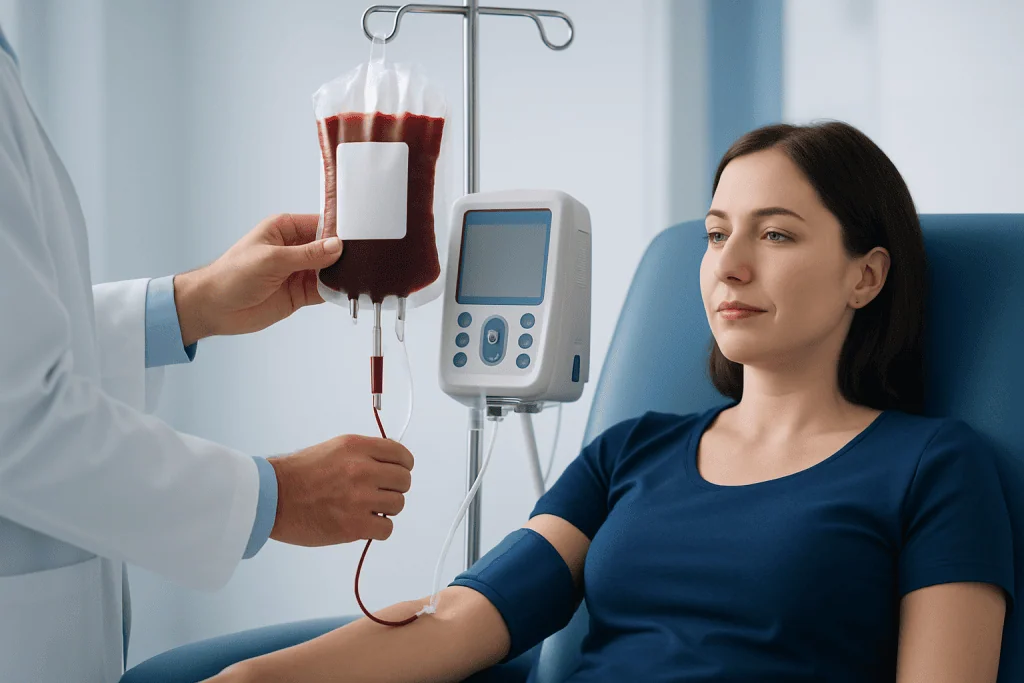
Red blood cells contain hemoglobin, a protein that binds oxygen. When red blood cell levels are too low, organs and muscles may receive less oxygen than they need. This can contribute to tiredness, weakness, shortness of breath with activity, dizziness, a fast heartbeat, chest discomfort in some people, or reduced ability to recover after illness or surgery.
PRBC transfusion may be considered in several settings, including substantial blood loss after trauma or surgery, bleeding from the digestive tract, complications of childbirth, and severe symptomatic anemia. It can also be needed when the bone marrow does not make enough blood cells, when cancer treatment affects blood production, or when certain blood disorders cause red cells to break down or be lost more quickly than normal.
Not all anemia is treated with transfusion. For example, iron deficiency may often be managed with dietary changes, iron replacement, and investigation of the cause of iron loss. Vitamin deficiencies, chronic kidney disease, inflammation, and inherited blood conditions also require cause-specific assessment. A transfusion may provide timely support, but it does not necessarily correct the underlying reason for anemia.
- Acute blood loss: bleeding that is heavy, ongoing, or causing circulatory instability.
- Severe or symptomatic anemia: low red blood cells accompanied by significant symptoms or reduced oxygen delivery.
- Reduced red blood cell production: some bone marrow, kidney, cancer-related, or treatment-related conditions.
- Red blood cell destruction: selected conditions in which red cells are broken down faster than they can be replaced.
How Doctors Decide Whether a PRBC Transfusion Is Needed

Healthcare professionals use both clinical assessment and blood tests when considering PRBCs. Hemoglobin and hematocrit tests help show the concentration of red blood cells in the bloodstream. However, a laboratory value is only one part of the decision. A person’s age, heart or lung health, symptoms, rate of blood loss, blood pressure, oxygen status, and planned surgery may all be relevant.
In stable adults, clinicians commonly use a careful, restrictive approach to transfusion when appropriate, meaning they avoid giving blood unless its expected benefit outweighs its potential risks. People with active bleeding, severe symptoms, certain heart conditions, or complex medical needs may need a different plan. The treating team may repeat blood tests and reassess symptoms after a unit is given before deciding whether more blood is necessary.
Before transfusion, the laboratory performs testing to identify the patient’s blood group and check compatibility with donor blood. This is often called type and screen or crossmatching. These steps are designed to reduce the chance that the immune system will react against transfused red cells. In urgent emergencies, blood may be provided quickly while additional compatibility testing continues according to established safety protocols.
What Happens During a PRBC Transfusion?
A PRBC transfusion is usually given through an intravenous line in a hospital, outpatient infusion setting, or other supervised clinical environment. Before it begins, staff confirm the patient’s identity and carefully verify the prescribed blood component. Baseline temperature, pulse, blood pressure, and other observations are typically recorded.
The blood is infused at a controlled rate through specially designed tubing and a filter. The care team checks the patient more closely at the beginning of the transfusion, when many reactions would first become apparent. The total time can vary depending on the patient’s condition, the volume prescribed, the intravenous access, and whether a slower infusion is needed for safety.
Patients should tell the nurse or doctor immediately if they notice itching, rash, feverishness, chills, shortness of breath, chest or back pain, nausea, unusual anxiety, dark urine, or a new feeling of being unwell. These symptoms do not always mean a serious reaction is occurring, but they require prompt assessment. The infusion may be paused while the team checks the patient and the blood product.
Following transfusion, clinicians may check symptoms and repeat hemoglobin testing when appropriate. Some people feel more energetic or less breathless as oxygen delivery improves, while others may notice a more gradual change. Recovery also depends on the underlying cause of anemia and whether it is being treated.
Safety, Side Effects, and Possible Risks
Modern blood transfusion practice includes donor screening, laboratory testing, blood component processing, careful storage, identity checks, and compatibility testing. These measures make transfusion safer, but no medical treatment is completely without risk. The care team recommends PRBCs when the likely benefit is considered greater than the possible harms.
Mild reactions can include fever, chills, itching, hives, or a rash. These may be manageable with medical assessment and supportive treatment. More serious reactions are uncommon but can include immune reactions caused by incompatibility, fluid overload, lung-related complications, or severe allergic reactions. The risk of fluid overload may be higher in people with heart failure, kidney disease, older age, or a history of fluid retention, so transfusion speed and volume may be adjusted.
Infections transmitted through screened blood are very rare in settings with robust blood safety systems, but the risk cannot be said to be zero. Repeated transfusions can sometimes lead to iron overload or the development of antibodies against red blood cell antigens. For this reason, people who need regular transfusions may require ongoing monitoring and a tailored transfusion plan.
Patients are encouraged to ask why a transfusion is being advised, what alternatives may be suitable, and what monitoring will occur. In non-emergency circumstances, informed consent is generally obtained before blood is administered. People who have had a previous transfusion reaction should tell their healthcare team before any future transfusion.
Preparing for and Recovering After Transfusion
There is usually little special preparation needed for a PRBC transfusion, but patients should provide a complete medical history. This includes prior transfusions, known reactions to blood products, pregnancy history, medicines, allergies, heart or kidney conditions, and symptoms of infection or fluid retention. A clinician may order blood tests before and after treatment to guide care safely.
During the transfusion, patients should remain available for regular checks and report any new symptoms without waiting. Drinking fluids, eating, and taking regular medicines may be appropriate in many cases, but the individual care team should provide specific instructions. Some medicines or intravenous fluids may need to be timed carefully around the transfusion.
Afterward, most people can return to their usual activities based on how they feel and the reason they needed blood. Rest may be helpful after illness, surgery, or significant blood loss. It is important to attend follow-up appointments because identifying and treating the underlying cause of anemia helps reduce the chance of recurrent symptoms or future transfusions.
For international patients, Acibadem International’s multidisciplinary specialists and JCI-accredited hospitals can evaluate anemia and blood-loss concerns, coordinate transfusion care when clinically indicated, and support follow-up planning.
When to Seek Medical Care
Urgent medical assessment is important for heavy or ongoing bleeding, fainting, severe weakness, confusion, new chest pain, severe shortness of breath, or a rapid worsening in general condition. These symptoms can have many causes, but they may indicate significant blood loss or reduced oxygen delivery and should not be managed at home.
Anyone receiving a transfusion should alert the clinical team immediately about fever, chills, rash, breathing difficulty, chest pain, back pain, swelling, or a sudden change in how they feel. If symptoms develop after leaving the care setting, the person should contact the treating service promptly or seek urgent care, especially if symptoms are severe.
A non-urgent medical appointment is also appropriate for persistent fatigue, pallor, dizziness, breathlessness on exertion, unusually heavy menstrual bleeding, black or bloody stools, or unexplained weight loss. These symptoms may be related to anemia or another condition that needs evaluation. A doctor can arrange appropriate blood tests and investigate possible sources of blood loss or impaired red blood cell production.
Frequently asked questions
Is PRBC the same as whole blood?
No. PRBCs contain concentrated red blood cells with most plasma removed, while whole blood includes red cells, plasma, platelets, and other components. Component therapy allows clinicians to provide the part of blood that is most appropriate for the patient’s needs.
What is the purpose of a PRBC transfusion?
A PRBC transfusion increases the number of circulating red blood cells and can improve oxygen delivery to tissues. It may be used for significant anemia, major blood loss, or symptoms related to low red blood cell levels.
How long does a PRBC transfusion take?
The duration varies according to the prescribed volume, the patient’s health, and the infusion rate selected by the clinical team. It is generally administered over several hours with regular monitoring, and it may be given more slowly in people at risk of fluid overload.
Will one unit of PRBC correct anemia?
One unit may raise hemoglobin, but whether it fully corrects anemia depends on the starting level, body size, ongoing bleeding, fluid balance, and the cause of anemia. Clinicians often reassess symptoms and blood tests before deciding if another unit is needed.
What blood type can receive PRBCs?
The safest choice is usually red blood cells that are compatible with the patient’s ABO and Rh blood type. The blood bank performs testing before transfusion to identify suitable donor blood and reduce the risk of an immune reaction.
Can PRBC transfusion cause side effects?
Yes, although many people receive PRBCs without serious problems. Possible effects include fever, chills, itching, rash, breathing symptoms, or fluid overload; staff monitor closely so concerns can be recognized and treated promptly.
References
- World Health Organization
- AABB
- National Heart, Lung, and Blood Institute
- National Health Service
- U.S. Food and Drug Administration
This article is for general information only and is not a substitute for professional medical advice. Please consult a qualified doctor about your individual situation.
Explore treatments in Turkey — costs, top hospitals & a free quote
JCI-accredited · board-certified surgeons · reply within 24h
Add us as a Preferred Source to see more of our trusted health content across Google Search, AI Overviews and Discover.
Check your numbers in seconds
BMI, calories, due date, blood pressure and 30+ more clinical calculators — free, instant, doctor-reviewed ranges.