Pre Menopausal: What Patients Need to Know

Pre menopausal changes usually begin in the 40s, but they can start earlier for some women. Periods may become irregular, and symptoms can include hot flashes, sleep changes, mood shifts, and vaginal dryness.
Key Takeaways
- Pre menopausal changes usually begin in the 40s, but they can start earlier for some women.
- Periods may become irregular, and symptoms can include hot flashes, sleep changes, mood shifts, and vaginal dryness.
- Diagnosis is based mainly on symptoms, age, and menstrual history rather than a single blood test.
- Treatment depends on symptom severity and may include lifestyle measures, nonhormonal options, or hormone therapy for selected patients.
- Heavy bleeding, bleeding after sex, severe pain, or symptoms that disrupt daily life should be evaluated.
Pre menopausal commonly refers to the years leading up to menopause, when estrogen and progesterone start to fluctuate and menstrual cycles may become less predictable. Many changes are a normal part of aging, but bothersome symptoms or unexpected bleeding should be assessed by a qualified doctor.
Overview: what pre menopausal means
Pre menopausal is a term many patients use to describe the time before menopause, especially when early hormone-related changes begin. In medical practice, this stage is often called perimenopause or the menopause transition. It is the period when the ovaries gradually change how much estrogen and progesterone they produce, which can affect menstrual cycles and cause symptoms such as hot flashes or sleep disturbance.
Menopause itself is reached after 12 consecutive months without a menstrual period, provided there is no other medical explanation. The pre menopausal years can last for several years before that point. Some women notice only mild changes, while others have symptoms that affect work, relationships, sleep, or quality of life.
This transition is a normal biological process, not a disease. Still, it is important not to assume that every new symptom is “just hormones.” Conditions such as thyroid disease, pregnancy, anemia, fibroids, or other gynecologic concerns can sometimes look similar and should be considered when symptoms are unusual or troublesome.
Common signs and symptoms
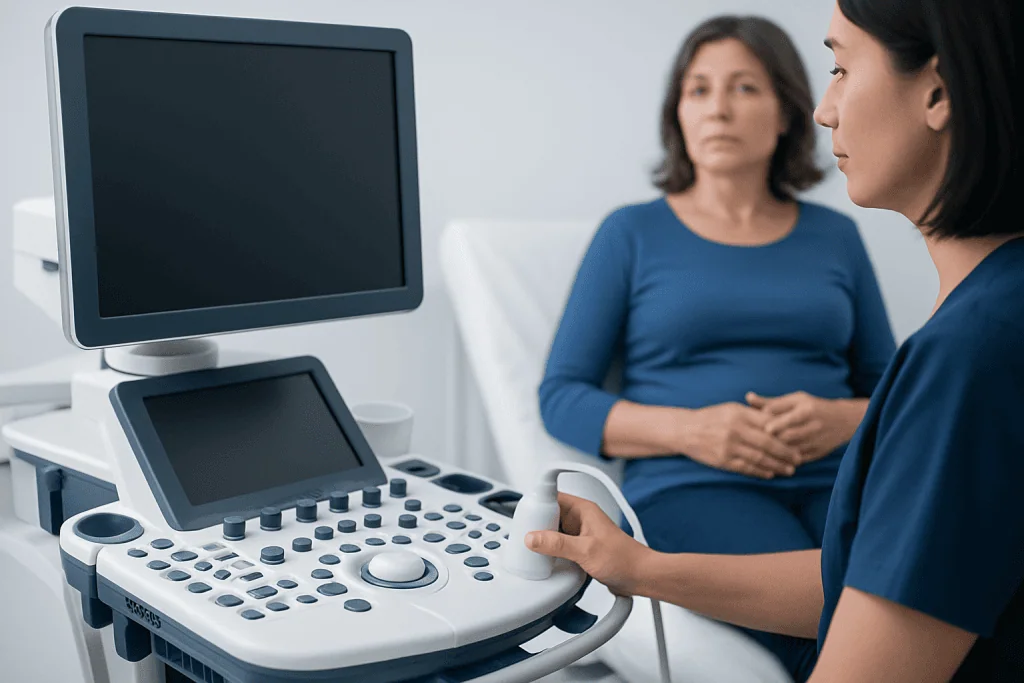
The most common sign of being pre menopausal is a change in menstrual patterns. Cycles may become shorter or longer, bleeding may become lighter or heavier, and periods may be skipped occasionally. For some women, the first noticeable sign is not a period change but a new symptom such as feeling unusually warm at night or waking frequently from sleep.
Hormone fluctuations can affect several body systems. Hot flashes, night sweats, breast tenderness, headaches, mood changes, difficulty concentrating, lower libido, and vaginal dryness can all occur. Sleep problems are especially common and may be linked to night sweats, stress, or changing hormone levels themselves.
Some symptoms are less obvious but still meaningful. Joint aches, palpitations, skin dryness, urinary urgency, and recurrent urinary discomfort can appear around this time. Vaginal and urinary changes may overlap with vaginal irritation and inflammation or other conditions, so persistent discomfort should be assessed rather than self-diagnosed.
- Irregular periods or skipped periods
- Hot flashes and night sweats
- Sleep disturbance and fatigue
- Mood changes, irritability, or anxiety
- Vaginal dryness or discomfort during sex
- Changes in libido, concentration, or memory
Why it happens and who may notice it earlier

Pre menopausal changes happen because ovarian function gradually shifts with age. Estrogen and progesterone do not decline in a smooth, predictable way at first. Instead, they often fluctuate, which can lead to symptoms that seem to come and go. Ovulation may become less regular, and this is one reason periods can become unpredictable.
For many women, this transition starts in the 40s, though timing varies widely. Some experience changes in the late 30s, while others do not notice symptoms until closer to menopause. Family history can influence timing, and smoking is associated with earlier menopause. Certain cancer treatments, surgery involving the ovaries, or some medical conditions can also lead to an earlier transition.
Stress does not cause menopause, but it can worsen how symptoms are felt, especially sleep problems, palpitations, and mood changes. Body weight, general health, medications, and chronic conditions may also influence the experience. In some cases, menstrual changes thought to be pre menopausal may actually be related to polycystic ovary syndrome or another hormonal condition, which is why proper evaluation matters.
How doctors evaluate pre menopausal symptoms
Diagnosis is usually based on a woman’s age, symptom pattern, and menstrual history. A clinician will ask when periods started changing, whether symptoms are cyclical or constant, whether pregnancy is possible, and whether there are warning signs such as heavy bleeding, pelvic pain, or bleeding after intercourse. This conversation often provides more useful information than a single hormone test.
Blood tests may be used when the diagnosis is unclear or when another condition needs to be ruled out. Depending on the situation, a doctor may check pregnancy status, thyroid function, blood count, iron levels, or other hormone tests. Follicle-stimulating hormone may sometimes be measured, but it can rise and fall during the transition, so it is not always reliable on its own.
If bleeding is unusually heavy, prolonged, or frequent, further testing may be needed to look for structural causes such as fibroids, polyps, or uterine lining changes. This may include a pelvic exam, ultrasound, or sampling of the uterine lining in selected cases. When symptoms suggest a broader hormonal issue, patients may also benefit from endocrinology and metabolic evaluation.
Treatment options and symptom relief
Treatment depends on which symptoms are present, how severe they are, and the woman’s overall health goals. Some women mainly need reassurance and education, while others benefit from a personalized plan to improve sleep, reduce hot flashes, or address vaginal symptoms. The best option is one that balances symptom relief with safety, comfort, and medical history.
Lifestyle measures can make a meaningful difference. Dressing in layers, keeping the bedroom cool, limiting alcohol close to bedtime, avoiding smoking, regular exercise, and good sleep habits may help with hot flashes and fatigue. Mind-body approaches such as paced breathing, stress reduction, or cognitive behavioral strategies can be useful for some patients, especially when insomnia or anxiety is prominent.
When symptoms are more disruptive, doctors may consider nonhormonal medicines or hormone therapy for appropriate candidates. Hormone therapy is not right for everyone, and decisions depend on age, symptom type, personal history, and cardiovascular or cancer risk factors. Vaginal moisturizers or local estrogen treatments may help vaginal dryness. Women with heavy bleeding, pelvic pressure, or uterine conditions may need gynecologic assessment and, in some cases, gynecologic care or minimally invasive surgical treatment.
If low energy, weight changes, or unusual symptoms suggest another hormone disorder, addressing the underlying cause is important. In selected patients, a broader review through hormone-related treatment planning can help clarify options, expected benefits, and safety considerations.
Self-care, daily habits, and emotional wellbeing
Although pre menopausal changes are common, they can still be frustrating or confusing. Tracking periods and symptoms in a calendar or app can help patients notice patterns and prepare for appointments. This record may include cycle length, bleeding intensity, hot flashes, sleep quality, mood, headaches, and any triggers such as caffeine or stress.
Nutrition and movement support overall health during this transition. A balanced diet with adequate protein, calcium, vitamin D, fruits, vegetables, and fiber can help maintain bone and metabolic health. Regular physical activity supports sleep, mood, cardiovascular health, and weight management. Strength training is especially valuable because muscle and bone health become increasingly important with age.
Emotional changes should also be acknowledged. Irritability, low mood, or anxiety can be part of the menopause transition, but persistent symptoms deserve attention rather than dismissal. Support from a clinician, counselor, or trusted community can help. If symptoms significantly affect daily life, work performance, relationships, or self-confidence, discussing them openly with a doctor is appropriate and worthwhile.
When to seek medical care
Medical care is recommended when symptoms are severe, sudden, or outside the expected pattern of the menopause transition. Heavy bleeding, very frequent periods, bleeding between periods, or bleeding after sex should be checked. New pelvic pain, fainting, chest pain, or marked shortness of breath are not typical pre menopausal symptoms and need prompt assessment.
Patients should also seek care if hot flashes, insomnia, mood symptoms, or vaginal discomfort are interfering with daily life. There is no need to wait until symptoms become extreme. Earlier evaluation may help identify treatable causes, improve comfort, and reduce uncertainty.
Women who are unsure whether they are pre menopausal, pregnant, or experiencing another health issue should arrange a medical review. Near the end of care planning, some patients may choose specialist support; Acibadem International’s multidisciplinary teams in JCI-accredited hospitals evaluate and treat menopause-related and gynecologic concerns for international patients.
- Bleeding that is very heavy, prolonged, or occurs between periods
- Bleeding after sex or after 12 months without periods
- Severe pelvic pain or pressure
- Symptoms of anemia such as unusual fatigue, dizziness, or paleness
- Sleep or mood symptoms that are disrupting daily functioning
- Any uncertainty about whether symptoms may be caused by another condition
Frequently asked questions
Is pre menopausal the same as perimenopause?
In everyday language, many people use pre menopausal to mean the years before menopause when symptoms begin. Clinicians often use the term perimenopause for this transition period, when hormone levels fluctuate and menstrual cycles start to change.
Can someone still get pregnant while pre menopausal?
Yes. Ovulation becomes less predictable during the menopause transition, but pregnancy is still possible until menopause has been reached. Contraception may still be needed, and a doctor can advise on suitable options.
How long does the pre menopausal stage last?
The length varies from person to person. Some women have only a short transition, while others notice changes over several years before menopause occurs.
Do all women get hot flashes before menopause?
No. Hot flashes are common, but not everyone has them. Some women mainly notice period changes, sleep problems, mood symptoms, or vaginal dryness instead.
Should hormone levels be tested to confirm pre menopausal changes?
Not always. In many cases, age, symptoms, and menstrual history provide the clearest picture. Blood tests may be helpful when symptoms are unusual, when periods stop earlier than expected, or when another condition needs to be ruled out.
What bleeding changes are not considered normal?
Bleeding that is very heavy, lasts much longer than usual, happens between periods, or occurs after sex should be evaluated. Bleeding after 12 months without a period is especially important to have checked by a doctor.
This article is for general information only and is not a substitute for professional medical advice. Please consult a qualified doctor about your individual situation.
Explore treatments in Turkey — costs, top hospitals & a free quote
JCI-accredited · board-certified surgeons · reply within 24h
Add us as a Preferred Source to see more of our trusted health content across Google Search, AI Overviews and Discover.
Check your numbers in seconds
BMI, calories, due date, blood pressure and 30+ more clinical calculators — free, instant, doctor-reviewed ranges.

More from the Health Library

Glucose Random: What Patients Need to Know

Idiopathic Hypersomnia — Explained by Medical Evidence, Not Myths
Large Intestine — Explained by Medical Evidence, Not Myths

Hydrogen Peroxide Mouthwash: What Patients Need to Know

Myelogram: What Patients Need to Know