Large Intestine — Explained by Medical Evidence, Not Myths
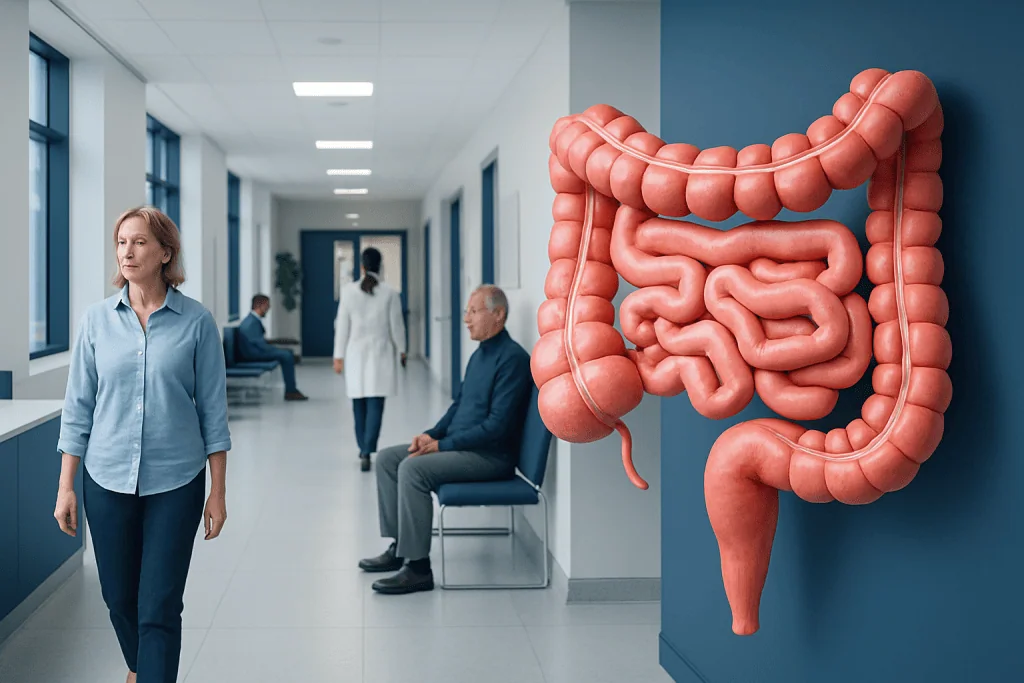
The large intestine includes the cecum, colon, rectum, and anal canal. Its main jobs are absorbing water, processing waste, and storing stool before a bowel movement.
Key Takeaways
- The large intestine includes the cecum, colon, rectum, and anal canal.
- Its main jobs are absorbing water, processing waste, and storing stool before a bowel movement.
- Common problems include constipation, diarrhea, inflammation, diverticular disease, polyps, and colorectal cancer.
- Symptoms such as blood in the stool, persistent abdominal pain, unexplained weight loss, or ongoing changes in bowel habits should be medically assessed.
- Diagnosis may involve stool tests, blood tests, imaging, and colonoscopy.
- A fiber-rich diet, hydration, physical activity, and age-appropriate screening support large intestine health.
The large intestine is the final part of the digestive tract. It absorbs water and electrolytes, helps form and store stool, and works closely with gut bacteria to support digestion and overall health.
What the large intestine is and what it does
The large intestine is the last major section of the digestive system. It receives partially digested material from the small intestine, absorbs much of the remaining water and electrolytes, and turns waste into stool. It also stores stool until it leaves the body through a bowel movement.
The term large intestine usually includes the cecum, colon, rectum, and anal canal. The colon itself has several parts: ascending, transverse, descending, and sigmoid colon. Although it is shorter than the small intestine, it is wider, which is why it is called “large.”
The large intestine is also home to a complex community of bacteria and other microbes, often called the gut microbiome. These microorganisms help break down certain undigested substances, produce some vitamins, and interact with the immune system. A healthy large intestine supports not only bowel function but also broader digestive well-being.
How the large intestine works in everyday digestion
After food is digested and nutrients are absorbed in the small intestine, the leftover material enters the large intestine as a liquid mixture. The large intestine slowly moves this material forward through coordinated muscle contractions. During this process, water and salts are absorbed back into the body.
As water is removed, the waste becomes more solid. Mucus produced by the lining helps stool pass more easily. The rectum then stores stool until the nerves and muscles involved in defecation signal that it is time for a bowel movement.
The large intestine also plays a role in fermentation. Gut bacteria act on fiber and other carbohydrates that were not fully digested earlier in the digestive tract. This process produces substances that can support the cells lining the colon and may contribute to bowel health.
Normal bowel habits vary from person to person. Some people have bowel movements several times a day, while others go every few days. What matters most is a pattern that is comfortable, regular for that person, and not associated with pain, bleeding, or a major recent change.
Common symptoms when something affects the large intestine
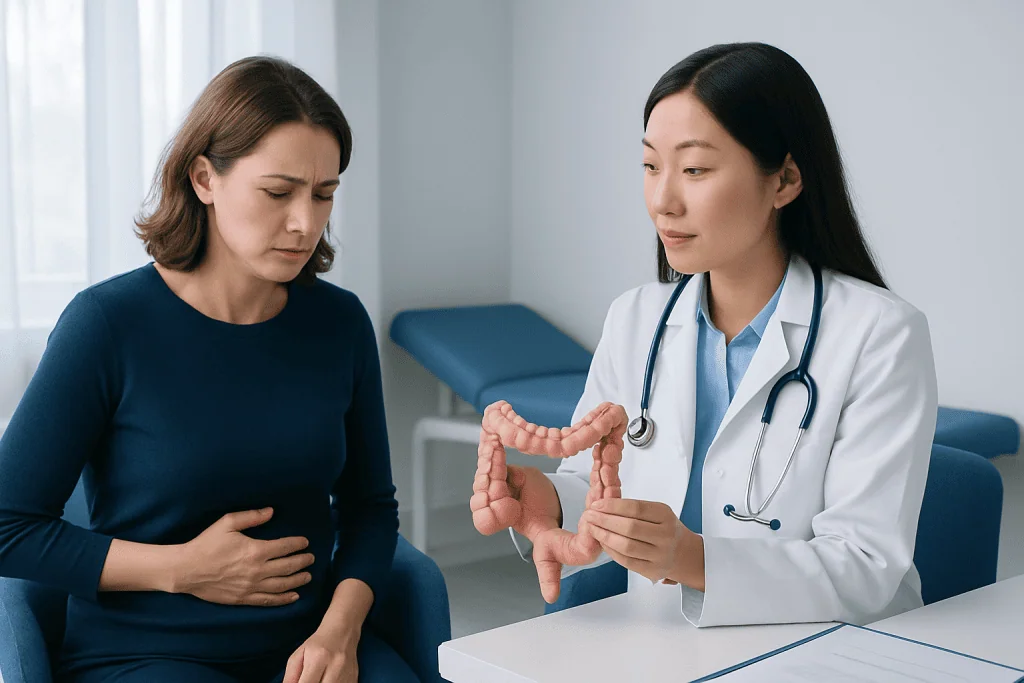
Symptoms related to the large intestine can be mild and temporary, or they may point to an underlying condition that needs evaluation. Common complaints include constipation, diarrhea, bloating, excessive gas, abdominal discomfort, and a feeling of incomplete emptying after a bowel movement.
Changes in stool can also be important. These may include very hard stools, loose or watery stools, mucus in the stool, or a change in stool frequency or shape. While many of these symptoms can occur with common and treatable conditions, persistent or unexplained changes deserve medical attention.
Certain warning signs are more concerning. These include blood in the stool, black or tarry stool, ongoing abdominal pain, unintentional weight loss, anemia, fatigue, fever, or bowel changes that last for several weeks. Symptoms may reflect conditions such as inflammation, infection, polyps, or cancer and should not be ignored.
- Constipation or difficulty passing stool
- Diarrhea that persists or returns often
- Cramping, bloating, or lower abdominal pain
- Blood or mucus in the stool
- A new change in bowel habits
Conditions that can affect the large intestine
Many different disorders can involve the large intestine. Some are short-term, such as infectious colitis or diarrhea after food-related illness. Others are chronic, including inflammatory bowel disease and functional bowel disorders. Symptoms often overlap, so proper assessment is important.
Common conditions include constipation, diverticular disease, colitis, polyps, and colorectal cancer. Inflammatory bowel diseases such as Crohn’s disease and ulcerative colitis can cause abdominal pain, diarrhea, and bleeding. Functional conditions such as irritable bowel syndrome may cause recurring bowel changes and discomfort without structural damage visible on routine testing.
Another well-known condition is colon cancer, which may begin as a polyp in the lining of the colon or rectum. Screening helps detect precancerous polyps before they become cancerous, or it can find cancer at an earlier and more treatable stage. Not every bowel symptom means cancer, but persistent symptoms should still be checked.
Risk factors for large intestine disease vary by condition. They may include older age, family history, low-fiber diet, smoking, excess alcohol use, obesity, physical inactivity, long-standing inflammation, and some inherited syndromes. Personal medical history also matters, including prior polyps, previous abdominal surgery, and use of certain medications.
How doctors diagnose large intestine problems
Diagnosis starts with a careful medical history and physical examination. A doctor will usually ask about the pattern of symptoms, how long they have been present, stool appearance, diet, medications, recent travel, and any family history of bowel disease or colorectal cancer.
Basic tests may include blood work to look for anemia, inflammation, infection, or dehydration. Stool tests can help detect infection, hidden blood, or markers of inflammation. Depending on symptoms, a doctor may also request imaging such as abdominal ultrasound, CT, or MRI.
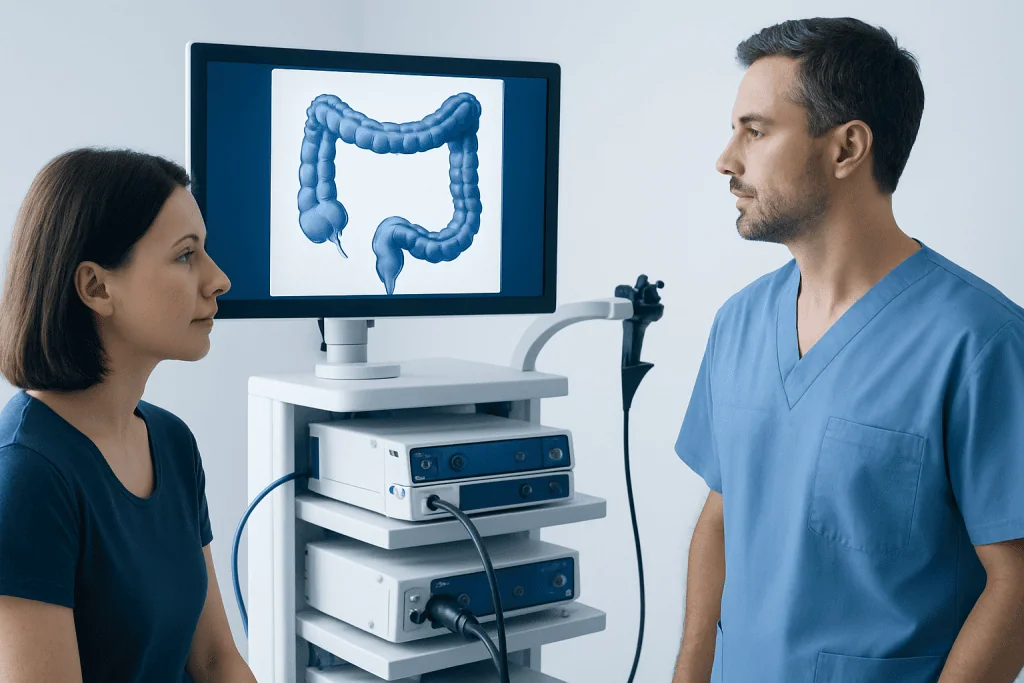
One of the most important diagnostic tools is colonoscopy, which allows the inside of the colon and rectum to be examined directly. During the procedure, a doctor can identify inflammation, bleeding sources, polyps, or tumors and can take tissue samples for biopsy if needed. In some cases, sigmoidoscopy may be used to evaluate the lower part of the colon.
If cancer is suspected or confirmed, further imaging and pathology testing help define the stage and guide treatment. At specialized centers, care may involve gastroenterologists, colorectal surgeons, oncologists, radiologists, and pathologists working together to plan the most appropriate next steps.
Treatment options for large intestine disorders
Treatment depends on the cause. Many mild or temporary problems improve with hydration, dietary adjustment, short-term medication, or treatment of an infection. Constipation may respond to increased fiber, fluids, activity, and doctor-recommended laxatives. Diarrhea may require fluid replacement and management of the underlying trigger.
Inflammatory and chronic conditions often need longer-term care. This may include anti-inflammatory medicines, drugs that affect the immune system, or therapies aimed at controlling symptoms and preventing complications. When symptoms are ongoing or severe, regular follow-up helps monitor the condition and adjust treatment safely.
Polyps found during colonoscopy can often be removed during the same procedure, which helps reduce the risk of cancer. If a tumor, obstruction, severe diverticular disease, or complicated inflammatory disease is present, surgery may be recommended. In selected cases, colon cancer treatment involves a combination of surgery, systemic therapy, and careful follow-up.
When part of the colon needs to be removed, colon surgery may be performed using open or minimally invasive techniques, depending on the problem and the patient’s overall health. For people with chronic inflammatory bowel disease or complex bowel symptoms, coordinated evaluation by specialists can help determine whether medicines, endoscopic therapy, nutrition support, or surgery is most appropriate.
Prevention and self-care for a healthy large intestine
Not every large intestine disorder can be prevented, but everyday habits can support bowel health. A balanced diet rich in vegetables, fruits, legumes, and whole grains provides fiber, which helps stool move more smoothly through the colon. Drinking enough water also supports normal bowel function.
Regular physical activity encourages healthy intestinal movement and may reduce the risk of constipation and some chronic bowel conditions. Limiting smoking and alcohol, maintaining a healthy weight, and avoiding unnecessary use of medicines that can irritate the bowel may also be helpful.
Screening is one of the most effective preventive steps, especially for colorectal cancer. Doctors recommend screening based on age, family history, personal risk factors, and local guidelines. People with a family history of colorectal cancer, inflammatory bowel disease, or prior polyps may need earlier or more frequent evaluation.
Some people benefit from tracking bowel habits, diet triggers, and symptoms. This can help identify patterns such as worsening constipation with low fluid intake or diarrhea after certain foods. Self-care is useful, but persistent symptoms should still be discussed with a qualified doctor rather than treated indefinitely at home.
When to seek medical care
Medical review is important if bowel symptoms are severe, keep returning, or last longer than expected. A person should seek medical care if they notice blood in the stool, unexplained weight loss, fever, persistent abdominal pain, ongoing diarrhea, significant constipation, or a clear change in their usual bowel pattern.
Urgent care is appropriate for severe abdominal swelling, vomiting with inability to keep fluids down, black stools, heavy rectal bleeding, signs of dehydration, or sudden intense pain. These symptoms do not always mean a serious disease, but they should be assessed promptly to rule out obstruction, bleeding, or severe inflammation.
People with a family history of colorectal cancer or inflammatory bowel disease should mention this during routine checkups, even if they feel well. Preventive advice and screening can then be tailored to their risk. If diagnosis or treatment is needed, Acibadem International’s multidisciplinary specialists and JCI-accredited hospitals care for international patients with a range of digestive and colorectal conditions.
Frequently asked questions
Is the large intestine the same as the colon?
Not exactly. The colon is the largest part of the large intestine, but the full large intestine also includes the cecum, rectum, and anal canal. In everyday conversation, people often use the terms interchangeably.
What is the main function of the large intestine?
Its main job is to absorb water and electrolytes from digestive waste and form stool. It also stores stool until a bowel movement and supports helpful gut bacteria that contribute to digestive health.
Can the large intestine cause back or abdominal pain?
Some large intestine conditions can cause cramping, bloating, or lower abdominal pain. Back discomfort can occur indirectly in some situations, but back pain alone is not a specific sign of colon disease and should be assessed in context.
How do doctors check if something is wrong in the large intestine?
Doctors usually begin with a medical history, examination, and sometimes blood or stool tests. If needed, imaging or a colonoscopy can help identify inflammation, polyps, bleeding, or tumors.
What foods support large intestine health?
Foods high in fiber, such as fruits, vegetables, beans, and whole grains, generally support healthy bowel function. Adequate fluid intake is also important, and some people may benefit from identifying personal trigger foods with medical guidance.
Do changes in bowel habits always mean colon cancer?
No. Bowel changes are often caused by common conditions such as constipation, infection, or irritable bowel syndrome. However, persistent changes, especially with bleeding or weight loss, should be checked by a doctor.
References
- National Institute of Diabetes and Digestive and Kidney Diseases
- American Cancer Society
- U.S. National Library of Medicine
- World Gastroenterology Organisation
This article is for general information only and is not a substitute for professional medical advice. Please consult a qualified doctor about your individual situation.
Persistent digestive symptoms? Get evaluated in Turkey
JCI-accredited · board-certified surgeons · reply within 24h
Add us as a Preferred Source to see more of our trusted health content across Google Search, AI Overviews and Discover.

More from the Health Library

Docosanol: What Patients Need to Know

Popped Blister: An Evidence-Based Guide for Patients

Dyspareunia: What Patients Need to Know

Rem Sleep: A Complete Medical Overview

Large Cell: What Patients Need to Know