Prediabetes: Warning Signs, Blood Tests, and How to Prevent Type 2 Diabetes

Prediabetes usually causes no clear symptoms, so blood tests are often the only way to find it. A1C, fasting plasma glucose, and oral glucose tolerance tests are commonly used to diagnose prediabetes.
Key Takeaways
- Prediabetes usually causes no clear symptoms, so blood tests are often the only way to find it.
- A1C, fasting plasma glucose, and oral glucose tolerance tests are commonly used to diagnose prediabetes.
- Excess body weight, inactivity, family history, and certain health conditions can raise the risk.
- Healthy eating, regular physical activity, weight management, and good sleep can help prevent type 2 diabetes.
- Regular follow-up with a doctor is important because prediabetes can improve, remain stable, or progress over time.
Prediabetes is a common condition in which blood sugar levels are above the normal range but not high enough for a diagnosis of type 2 diabetes. Recognizing risk factors, understanding blood tests, and making early lifestyle changes can often delay or prevent diabetes.
Overview of Prediabetes
Prediabetes is a health condition in which blood glucose, also called blood sugar, is higher than normal but not yet high enough to be classified as diabetes. It is best understood as an early warning sign that the body is having trouble using insulin effectively, a problem known as insulin resistance. Over time, this can place extra strain on the pancreas and increase the likelihood of developing type 2 diabetes.
Many people with prediabetes feel completely well and do not know they have it. Because it often develops silently, it may only be discovered during routine blood work or screening done because of risk factors such as excess weight, a family history of diabetes, or a history of high blood sugar during pregnancy.
The good news is that prediabetes does not always progress. With early action, many people can lower their blood sugar into a healthier range. Practical steps such as improving nutrition, becoming more physically active, and managing weight can make a meaningful difference.
Warning Signs and Symptoms
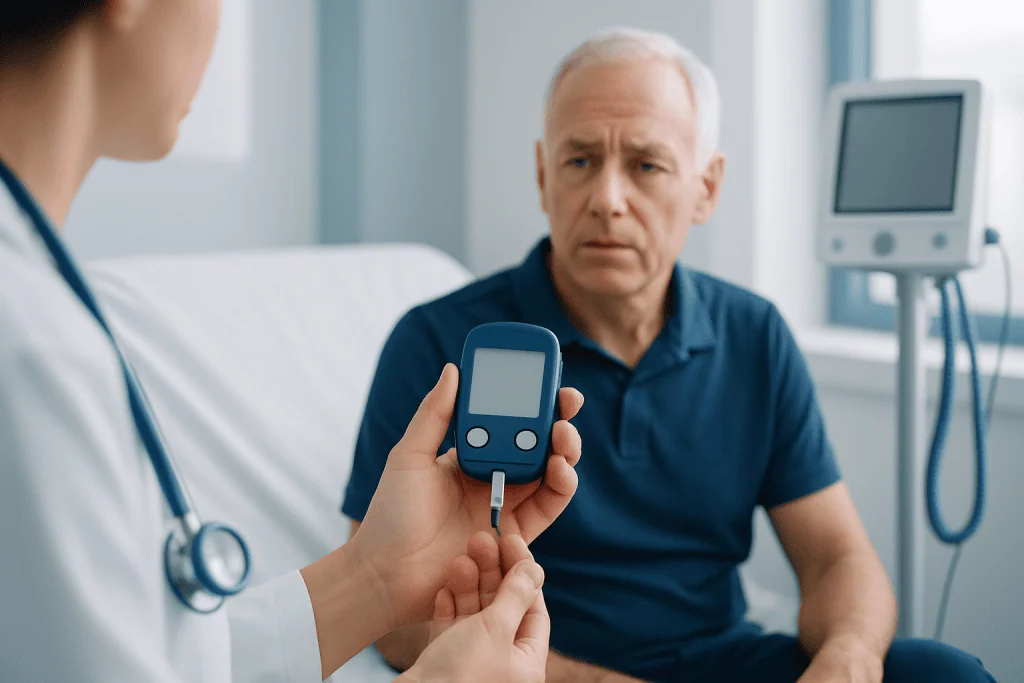
Prediabetes often has no obvious symptoms. This is one reason it is so important not to rely only on how a person feels. Even when blood sugar has been elevated for some time, there may be no noticeable changes in daily life.
When symptoms do occur, they may be subtle and overlap with signs seen in diabetes. Some people notice increased thirst, more frequent urination, tiredness, or blurred vision. These symptoms are not specific to prediabetes and can happen for many reasons, so medical evaluation is needed rather than self-diagnosis.
Some people with insulin resistance develop darkened, velvety patches of skin, often on the neck, underarms, or groin. This skin change is called acanthosis nigricans and can be a clue that blood sugar regulation needs attention. In some cases, small skin tags may also appear more frequently.
Because symptoms are often absent or mild, screening becomes especially important for adults with risk factors. Early detection allows changes to begin before long-term complications of diabetes have time to develop.
Causes and Risk Factors

Prediabetes develops when the body becomes less responsive to insulin or when the pancreas cannot keep up with the body’s insulin needs. Insulin helps move glucose from the blood into the cells to be used for energy. When this process becomes less efficient, blood sugar starts to rise.
Several factors can increase the risk. Excess body weight, especially around the abdomen, is strongly linked with insulin resistance. A physically inactive lifestyle can also reduce how effectively the body uses insulin. Risk rises with age, but prediabetes can occur in younger adults and even in children.
Family history also matters. A person may be more likely to develop prediabetes if a parent or sibling has type 2 diabetes. Other risk factors include a history of gestational diabetes, polycystic ovary syndrome, high blood pressure, abnormal cholesterol levels, sleep problems such as obstructive sleep apnea, and certain ethnic or racial backgrounds that are known to have higher risk.
Prediabetes is also closely connected with overall metabolic health. It may be seen alongside overweight, obesity, fatty liver disease, or cardiovascular risk factors. This is why doctors often look at blood sugar as one part of a broader picture rather than as an isolated test result.
Blood Tests Used to Diagnose Prediabetes
Doctors diagnose prediabetes with blood tests rather than symptoms alone. The most commonly used test is the A1C test, which reflects average blood glucose over the previous two to three months. An A1C result in the prediabetes range suggests that blood sugar has been consistently above normal.
Another common test is the fasting plasma glucose test. This measures blood sugar after not eating for at least eight hours, usually overnight. It helps identify whether the body is keeping fasting blood sugar in a healthy range. Some people may also have an oral glucose tolerance test, which measures how the body handles sugar before and after drinking a glucose solution.
Results should always be interpreted by a qualified doctor, since illness, pregnancy, certain blood conditions, and some medicines can affect testing. In some situations, repeat testing is recommended to confirm the diagnosis or to monitor whether blood sugar is improving or changing over time.
A doctor may also evaluate related health markers such as blood pressure, cholesterol, liver function, kidney health, and body weight. This broader assessment helps guide a prevention plan and identify other conditions that may need attention.
Treatment and How to Prevent Type 2 Diabetes
The main treatment for prediabetes is lifestyle change. For many people, modest, sustainable improvements in diet, activity, and weight can significantly reduce the chance of progression to type 2 diabetes. The goal is not perfection but steady habits that support blood sugar control and long-term health.
Nutrition plans are usually individualized. In general, meals that emphasize vegetables, fruits, legumes, whole grains, nuts, and lean protein can help, while highly processed foods and sugary drinks are best limited. Portion awareness and regular meal timing may also help prevent large swings in blood sugar. Some people benefit from guidance in diet and nutrition counseling to build a realistic eating plan.
Physical activity improves insulin sensitivity, meaning the body can use insulin more effectively. Regular walking, cycling, swimming, or strength training can all be useful. People who have overweight or obesity may also be advised to follow a medically supervised weight loss program if this fits their overall health needs and goals.
In some cases, a doctor may recommend medication in addition to lifestyle measures, particularly when risk is high or blood sugar continues to rise. Treatment decisions depend on the person’s age, weight, medical history, and laboratory results. If diabetes develops despite prevention efforts, care may then include diabetes treatment and ongoing monitoring.
Self-care, Monitoring, and Daily Habits
Living with prediabetes often means paying attention to everyday routines rather than following a short-term plan. Small habits repeated consistently can have a strong effect. This may include planning balanced meals, reducing sedentary time, taking regular walks, and aiming for enough sleep each night.
Stress management is also important. Ongoing stress can affect hormones, eating habits, sleep quality, and blood sugar control. Helpful approaches may include relaxation exercises, mindfulness, enjoyable physical activity, or speaking with a healthcare professional if stress feels difficult to manage.
Regular follow-up helps track progress. A doctor may repeat blood tests at intervals to see whether blood sugar is improving, staying the same, or moving into the diabetes range. Monitoring blood pressure, cholesterol, and weight is often part of the same plan because cardiovascular health and blood sugar health are closely related.
Smoking cessation is strongly encouraged, and alcohol should be used cautiously and within medical advice. For international patients who need coordinated care, Acibadem International’s multidisciplinary specialists in JCI-accredited hospitals diagnose and manage metabolic conditions including prediabetes and diabetes.
When to See a Doctor
A person should speak with a doctor if they have risk factors for prediabetes, especially excess body weight, a family history of diabetes, high blood pressure, abnormal cholesterol, past gestational diabetes, or a sedentary lifestyle. Screening is also important for those who have been told in the past that their blood sugar was borderline high.
Medical advice is especially important if symptoms such as unusual thirst, frequent urination, unexplained fatigue, blurred vision, or slow healing are present. While these symptoms do not always mean diabetes, they should not be ignored. Prompt testing can clarify the cause and guide next steps.
Anyone already diagnosed with prediabetes should keep regular appointments and discuss a prevention plan that is realistic and personalized. Early support can help people make manageable changes, address barriers, and protect long-term health.
Frequently asked questions
Can prediabetes be reversed?
Prediabetes can often improve, and some people return their blood sugar to the normal range through lifestyle changes. Healthy eating, regular exercise, weight management, and follow-up with a doctor are key parts of this process. Even when blood sugar does not fully return to normal, these steps can still reduce the risk of type 2 diabetes.
What is the difference between prediabetes and diabetes?
Prediabetes means blood sugar is higher than normal but not high enough to meet the criteria for diabetes. Diabetes is diagnosed when blood sugar levels are consistently higher and may begin to cause more clear health effects over time. Both conditions need medical attention, but prediabetes offers an important window for prevention.
Does prediabetes always cause symptoms?
No, prediabetes usually does not cause noticeable symptoms. Many people learn they have it only after a routine blood test or screening because of their risk factors. That is why regular checkups are so important.
Which blood test is best for prediabetes?
There is no single best test for every person. Doctors commonly use the A1C test, fasting plasma glucose test, and sometimes the oral glucose tolerance test. The most appropriate choice depends on the person's health history, risk factors, and clinical situation.
Can a person have prediabetes at a normal weight?
Yes, although excess weight raises risk, prediabetes can also occur in people with a normal body weight. Family history, age, low physical activity, sleep problems, and other metabolic factors can still contribute. This is why screening may be recommended even when someone does not appear overweight.
What foods should be limited with prediabetes?
Foods that are heavily processed or high in added sugars are often best limited. Sugary drinks, sweets, refined grains, and large portions of fast food may make blood sugar harder to manage. A doctor or dietitian can help create a balanced plan that is practical and enjoyable.
This article is for general information only and is not a substitute for professional medical advice. Please consult a qualified doctor about your individual situation.
Type 2 Diabetes in Turkey — costs, top hospitals & a free quote
JCI-accredited · board-certified surgeons · reply within 24h
Add us as a Preferred Source to see more of our trusted health content across Google Search, AI Overviews and Discover.
Check your numbers in seconds
BMI, calories, due date, blood pressure and 30+ more clinical calculators — free, instant, doctor-reviewed ranges.

Check-up & Preventive Medicine
Comprehensive health screenings designed for early detection and prevention.
1 specialists in this unitEndocrinology Specialists at Acibadem

Assoc. Prof. Dr. Seher Tanrıkulu
Endocrinology
Assoc. Prof. Dr. Sinan Kırım
Endocrinology
Assoc. Prof. Dr. Tuğçe Apaydın
Endocrinology
Dr. Tural Safarlı
Endocrinology
Assoc. Prof. Dr. Adnan Batman (m)
EndocrinologyMore from the Health Library

Myasthenia Gravis vs ALS: How Muscle Weakness Patterns Differ

Chronic Sinusitis or Allergies? How Doctors Tell the Difference

Multiple Sclerosis: Early Symptoms, MRI Findings, and Living With Relapsing Disease

Kidney Stones: Flank Pain, CT Diagnosis, and Prevention

Crohn’s Disease: Flare Symptoms, Testing, and Long-Term Care