Preeclampsia: An Evidence-Based Guide for Patients

Preeclampsia usually develops after 20 weeks of pregnancy or shortly after delivery. It involves high blood pressure and may affect the kidneys, liver, brain, lungs, or placenta.
Key Takeaways
- Preeclampsia usually develops after 20 weeks of pregnancy or shortly after delivery.
- It involves high blood pressure and may affect the kidneys, liver, brain, lungs, or placenta.
- Some people have clear symptoms, but others feel well, so prenatal checkups are essential.
- Treatment depends on severity, gestational age, and the health of the parent and baby.
- Urgent symptoms such as severe headache, vision changes, or trouble breathing need prompt medical attention.
Preeclampsia is a pregnancy complication that usually begins after 20 weeks and involves high blood pressure with signs that organs such as the kidneys or liver are under stress. With regular prenatal care, timely diagnosis, and close monitoring, many people with preeclampsia can be treated safely and supported through pregnancy and birth.
Overview
Preeclampsia is a serious but treatable pregnancy complication that usually starts after 20 weeks of pregnancy, although it can also appear after childbirth. It is defined by high blood pressure together with signs that one or more organs are under strain, most commonly the kidneys, liver, brain, or placenta.
This condition matters because it can reduce blood flow to important organs and affect how well the placenta supports the baby. When recognized early, preeclampsia can often be managed with careful monitoring, medications when needed, and planning the safest time for delivery.
Preeclampsia exists on a spectrum. Some people have mild disease found during routine prenatal visits, while others develop severe features that require hospital care. Because symptoms are not always obvious, regular blood pressure checks and urine or blood tests remain an important part of prenatal care.
Symptoms and warning signs
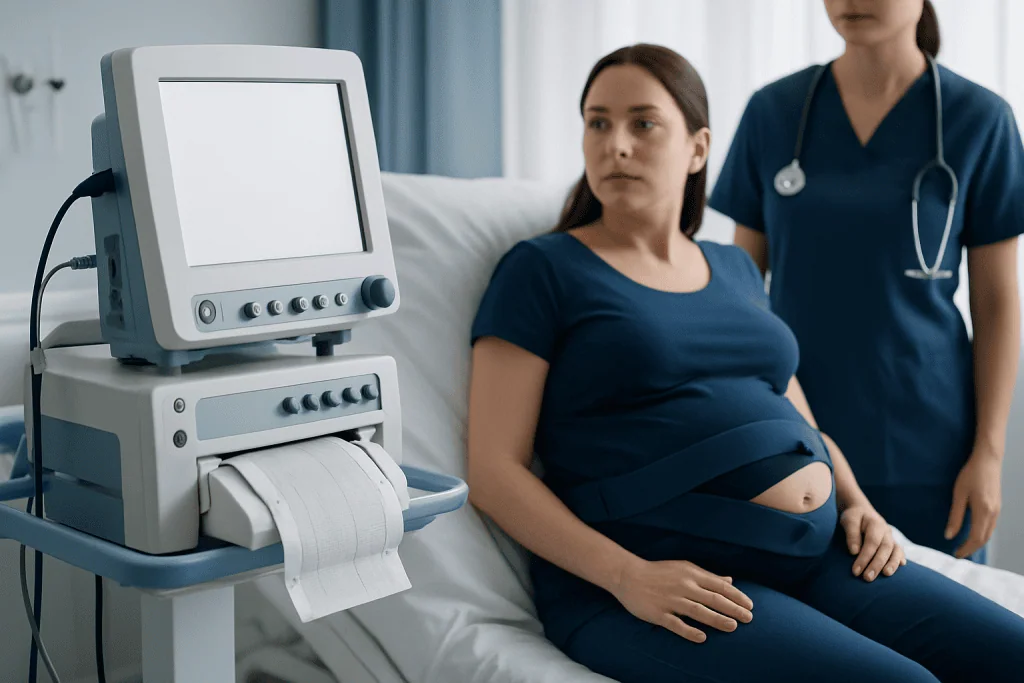
Preeclampsia does not always cause noticeable symptoms at first. In many cases, it is first suspected when a prenatal visit shows elevated blood pressure or laboratory changes. That is one reason routine pregnancy appointments are so important, even when someone feels well.
When symptoms do occur, they may include a persistent severe headache, changes in vision such as blurring or flashing lights, pain in the upper abdomen, especially on the right side, sudden swelling of the face or hands, nausea or vomiting later in pregnancy, and shortness of breath. Weight gain can happen from fluid retention, but weight change alone is not enough to diagnose preeclampsia.
Possible warning signs include:
- Blood pressure readings that are higher than normal
- Protein in the urine or other signs of kidney stress
- Severe or ongoing headache
- Visual disturbances
- Pain below the ribs on the right side
- Reduced urine output
- Shortness of breath or chest discomfort
- Decreased fetal movement in some cases
Seizures related to preeclampsia are called eclampsia. This is a medical emergency. Preeclampsia can also be associated with HELLP syndrome, a serious condition involving liver and blood changes.
Why preeclampsia happens
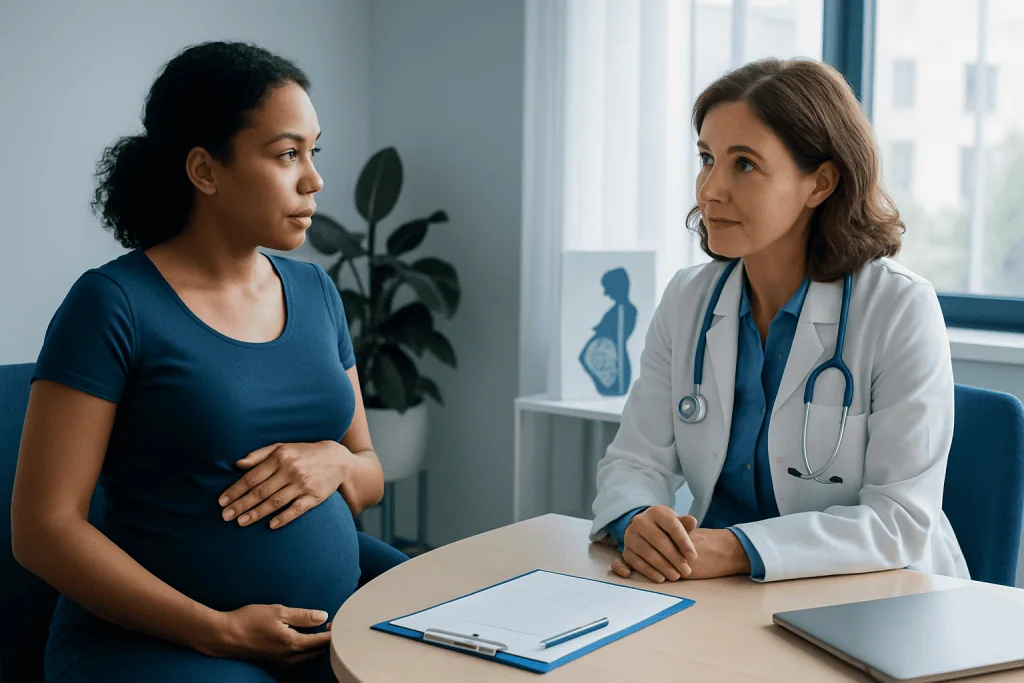
The exact cause of preeclampsia is not fully understood, but it is thought to begin with abnormal development or function of the placenta early in pregnancy. Problems in the blood vessels that supply the placenta may lead to widespread inflammation and changes in how the body regulates blood pressure and fluid balance.
These changes can affect many organs. The blood vessels may constrict, blood pressure may rise, and proteins may leak into the urine because the kidneys are under stress. The liver, brain, and lungs can also be affected, and the baby may grow more slowly if placental blood flow is reduced.
Preeclampsia is not caused by stress alone, a specific food, or normal pregnancy swelling. It is a medical condition that develops through complex interactions between the placenta, blood vessels, immune system, and maternal health factors.
Risk factors
Preeclampsia can happen in any pregnancy, including in healthy people with no obvious risk factors. However, some situations make it more likely. Having one or more risk factors does not mean preeclampsia will occur, but it may mean a doctor recommends closer monitoring.
Common risk factors include a history of preeclampsia in a prior pregnancy, first pregnancy, chronic high blood pressure, kidney disease, diabetes, autoimmune conditions, obesity, multiple pregnancy such as twins, age 35 or older, age younger than 20, and a family history of preeclampsia. Conception through assisted reproduction may also be associated with higher risk in some pregnancies.
People with underlying cardiovascular or metabolic conditions may already be under the care of specialists, and pregnancy monitoring often overlaps with cardiology care or other medical services when blood pressure or heart-related issues are present. A personalized prenatal plan helps identify problems early.
How preeclampsia is diagnosed
Diagnosis is based on blood pressure measurements and evidence that the condition is affecting the body. A clinician will usually confirm high blood pressure on repeat readings and look for additional signs such as protein in the urine, low platelet count, abnormal liver tests, kidney impairment, fluid in the lungs, or concerning neurological symptoms.
Testing often includes urine analysis, blood tests, and fetal assessment. The baby may be monitored with ultrasound to check growth and amniotic fluid, and with other tests to assess well-being. If symptoms suggest complications, doctors may expand the evaluation quickly.
Diagnosis does not rely on swelling alone. Some people with significant swelling do not have preeclampsia, while others with dangerous disease may have little visible swelling. Careful examination and objective testing are what guide decisions. In more complex cases, diagnostic evaluation may help assess maternal and fetal status in a structured way.
Treatment and pregnancy management
The only definitive cure for preeclampsia is delivery of the placenta, but treatment aims to protect the parent and baby while reaching the safest possible timing for birth. Management depends on how far along the pregnancy is, how severe the disease is, and whether either the parent or baby is showing signs of distress.
For milder preeclampsia near term, doctors may recommend delivery because the risks of continuing pregnancy may outweigh the benefits. If preeclampsia develops earlier and remains stable, treatment may include close blood pressure monitoring, lab tests, fetal surveillance, activity guidance, and sometimes hospitalization. Medicines may be used to control blood pressure, and magnesium sulfate may be given in some cases to reduce the risk of seizures.
If severe features develop, prompt hospital-based care is usually needed. Delivery may be recommended sooner if blood pressure is difficult to control, lab tests worsen, symptoms become severe, placental problems are suspected, or the baby is not doing well. If a cesarean birth is the safest option, cesarean delivery may be part of the plan.
Because preeclampsia is part of the wider group of high blood pressure conditions, follow-up after pregnancy is also important. At Acibadem International, multidisciplinary specialists in obstetrics, maternal-fetal medicine, neonatology, and internal medicine at JCI-accredited hospitals diagnose and treat preeclampsia for international patients when advanced care is needed.
Prevention, self-care, and after delivery
There is no guaranteed way to prevent preeclampsia, but early prenatal care can reduce delays in diagnosis and treatment. For people at higher risk, a doctor may recommend preventive strategies such as low-dose aspirin started at the appropriate time in pregnancy. This should only be taken under medical guidance.
Self-care during pregnancy does not replace treatment, but it can support overall health. Helpful steps include attending all prenatal visits, taking prescribed medicines as directed, checking blood pressure at home if advised, reporting new symptoms quickly, staying hydrated, and following individualized guidance about rest and activity. Restrictive diets or unproven supplements should not be used without professional advice.
Preeclampsia can also begin after the baby is born, usually within the first days to weeks postpartum. Symptoms such as severe headache, vision changes, shortness of breath, chest pain, or rising blood pressure after delivery still need urgent medical attention. Recovery usually improves after birth, but some people need medication and follow-up for several weeks or longer.
Having preeclampsia may increase the long-term risk of chronic hypertension and cardiovascular disease later in life. That does not mean future problems are certain, but it is a good reason to continue regular primary care and discuss heart health after pregnancy.
When to seek medical care
Anyone who is pregnant or recently gave birth should contact a doctor promptly if they notice symptoms that could suggest preeclampsia. Important warning signs include severe headache, changes in vision, pain in the upper abdomen, sudden swelling of the face or hands, shortness of breath, chest pain, or a blood pressure reading that is higher than the target set by their care team.
Emergency care is needed right away for seizures, severe trouble breathing, confusion, fainting, severe chest pain, or signs of stroke. Reduced fetal movement should also be reported urgently. It is safer to be assessed and find that everything is stable than to wait with symptoms that could represent a serious pregnancy complication.
People with a previous history of preeclampsia, chronic hypertension, or other risk factors should ask early in pregnancy how often they should monitor blood pressure and what symptoms should trigger immediate evaluation. Clear communication with the prenatal team can make decisions faster and reduce uncertainty.
Frequently asked questions
What is preeclampsia in simple terms?
Preeclampsia is a pregnancy complication that causes high blood pressure and signs that organs such as the kidneys or liver are under stress. It usually develops after 20 weeks of pregnancy or sometimes after delivery.
Can preeclampsia happen without symptoms?
Yes. Some people with preeclampsia feel completely well at first, and the condition is only found during a routine prenatal visit. That is why regular checkups, blood pressure checks, and recommended lab tests are important.
Is preeclampsia dangerous for the baby?
It can be, especially if it reduces blood flow through the placenta or leads to the need for early delivery. With close monitoring and timely treatment, doctors can often reduce risks and choose the safest plan for both parent and baby.
Does delivery cure preeclampsia?
Delivery of the placenta is the definitive treatment, but blood pressure and symptoms may not improve immediately. Some people still need medication and careful monitoring after birth, and preeclampsia can even start in the postpartum period.
Can preeclampsia be prevented?
It cannot always be prevented, but risk can sometimes be lowered with early prenatal care and, for selected high-risk patients, preventive treatment such as low-dose aspirin under a doctor's guidance. Managing chronic health conditions before and during pregnancy also helps support safer outcomes.
Will someone who had preeclampsia get it again?
A previous history of preeclampsia increases the chance of having it in another pregnancy, but recurrence is not inevitable. A doctor can review the prior pregnancy, assess risk factors, and create a monitoring plan early in the next pregnancy.
References
- American College of Obstetricians and Gynecologists
- Centers for Disease Control and Prevention
- National Institute for Health and Care Excellence
- World Health Organization
- Preeclampsia Foundation
This article is for general information only and is not a substitute for professional medical advice. Please consult a qualified doctor about your individual situation.
Explore treatments in Turkey — costs, top hospitals & a free quote
JCI-accredited · board-certified surgeons · reply within 24h
Add us as a Preferred Source to see more of our trusted health content across Google Search, AI Overviews and Discover.
Check your numbers in seconds
BMI, calories, due date, blood pressure and 30+ more clinical calculators — free, instant, doctor-reviewed ranges.