Pregnant: A Complete Clinical Guide for Patients

Being pregnant is usually confirmed with a home test, blood test, or ultrasound. Early and regular prenatal care helps monitor the health of both parent and baby.
Key Takeaways
- Being pregnant is usually confirmed with a home test, blood test, or ultrasound.
- Early and regular prenatal care helps monitor the health of both parent and baby.
- Common pregnancy symptoms include missed periods, nausea, fatigue, breast tenderness, and frequent urination.
- Good nutrition, folic acid, safe exercise, and avoiding alcohol and tobacco support a healthy pregnancy.
- Urgent medical care is needed for heavy bleeding, severe pain, reduced fetal movement later in pregnancy, or symptoms of preeclampsia.
Pregnant means a person is carrying a developing baby in the uterus, usually confirmed by a pregnancy test and medical evaluation. Most pregnancies progress normally with prenatal care, healthy habits, and timely attention to warning signs.
Overview: what it means to be pregnant
Pregnant means that a fertilized egg has implanted in the uterus and is developing into an embryo and then a fetus. For many people, pregnancy is first suspected after a missed menstrual period or early symptoms such as nausea, fatigue, or breast tenderness. A home pregnancy test can often detect pregnancy soon after a missed period, but medical confirmation is important to estimate how far along the pregnancy is and to begin prenatal care.
Pregnancy is usually measured in weeks from the first day of the last menstrual period and is grouped into three trimesters. Each trimester brings expected changes in the body, as well as different milestones in fetal growth. While every pregnancy is unique, regular checkups help clinicians monitor normal development, identify concerns early, and offer guidance tailored to the individual’s health needs.
Not all symptoms or experiences are the same. Some people have very few symptoms at first, while others notice substantial physical and emotional changes. A patient-centered approach focuses not only on test results and scans but also on practical day-to-day questions, including nutrition, work, travel, exercise, medications, and emotional wellbeing.
Common signs and symptoms of pregnancy
Early pregnancy symptoms often begin within the first weeks after conception, though timing varies. A missed period is one of the most recognized signs. Other common symptoms include nausea or vomiting, tiredness, sore or swollen breasts, frequent urination, bloating, food aversions, and a heightened sense of smell. Mild cramping and light spotting can occur around the time of implantation, but bleeding should always be discussed with a clinician.
As pregnancy progresses, symptoms may change. In the second trimester, nausea may improve while appetite and energy often increase. The abdomen gradually enlarges, and some people begin to feel fetal movement. In the third trimester, heartburn, back pain, leg swelling, sleep difficulty, and shortness of breath with exertion may become more noticeable because of the growing uterus.
Some symptoms are common but still deserve medical attention if they are severe or persistent. These include frequent vomiting that prevents eating or drinking, severe headache, visual changes, intense abdominal pain, fever, painful urination, or sudden swelling of the face and hands. The goal is not to create worry, but to help patients recognize the difference between expected discomforts and symptoms that should be checked.
- Early signs: missed period, nausea, fatigue, breast tenderness
- Later symptoms: backache, heartburn, swelling, fetal movement
- Warning symptoms: heavy bleeding, severe pain, fainting, severe headache, reduced fetal movement later in pregnancy
How pregnancy happens and factors that can affect it
Pregnancy usually begins when an egg released during ovulation is fertilized by sperm and then travels to the uterus, where it implants in the uterine lining. Hormonal changes then support the pregnancy and stop further menstrual cycles. In a healthy pregnancy, the placenta develops to provide oxygen and nutrients to the growing fetus.
Many factors can influence pregnancy, including age, overall health, body weight, nutrition, chronic medical conditions, reproductive history, and access to prenatal care. Conditions such as diabetes, high blood pressure, thyroid disease, anemia, and some autoimmune disorders may require closer monitoring. Previous miscarriage, cesarean birth, preterm birth, or fertility treatment can also shape pregnancy planning and follow-up.
Pregnancy can occur naturally or with fertility support. Some patients may already be receiving care for in vitro fertilization or related fertility concerns before becoming pregnant. Once pregnancy is confirmed, the focus shifts to monitoring maternal health, fetal development, and any individual risks so that care remains both preventive and responsive.
Diagnosis and prenatal monitoring
Pregnancy is commonly diagnosed with a urine or blood test that detects human chorionic gonadotropin, or hCG. Home urine tests are convenient and often accurate when used correctly, but a doctor may repeat testing or order blood tests if results are unclear or symptoms do not match the test result. Blood tests can also help assess whether hCG levels are rising as expected.
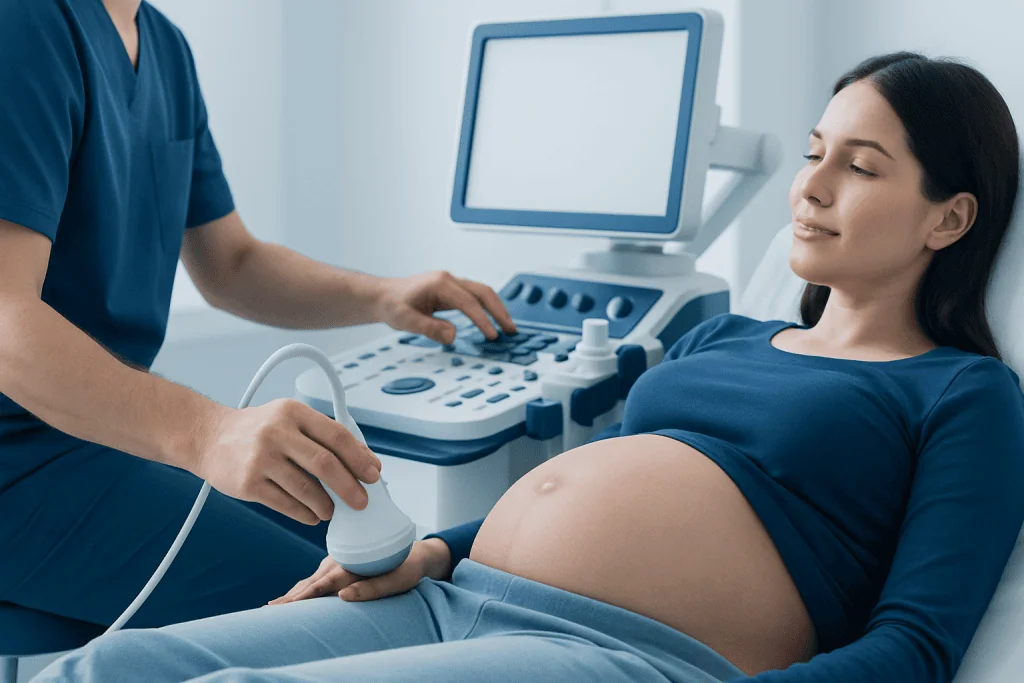
Ultrasound plays an important role in confirming the location and stage of pregnancy. It can help estimate the due date, confirm that the pregnancy is in the uterus, and later assess fetal growth, heartbeat, placental position, and amniotic fluid. Prenatal visits also include blood pressure checks, urine testing, blood tests, and discussions about symptoms, medications, nutrition, and mental health.
Depending on the stage of pregnancy and personal risk factors, additional tests may be recommended. These can include screening for anemia, blood type, infections, gestational diabetes, and certain genetic conditions. If symptoms suggest a possible complication such as ectopic pregnancy, doctors may arrange urgent evaluation with blood tests and ultrasound because early diagnosis is important for safety.
Structured prenatal follow-up is not only about detecting disease. It also gives patients time to ask practical questions about work, travel, sexual activity, sleep, exercise, birth planning, and recovery after delivery. Imaging and assessment may naturally involve services such as ultrasound evaluation and, when needed, more advanced pregnancy follow-up and delivery care.
Treatment and care during pregnancy
Pregnancy itself is not an illness, so treatment usually focuses on supportive prenatal care and management of symptoms or complications. Most healthy pregnancies benefit from regular checkups, prenatal vitamins that include folic acid, balanced nutrition, hydration, appropriate physical activity, and adequate rest. Clinicians may also review current medicines and advise which are safe, need adjustment, or should be avoided.
Common discomforts can often be managed with lifestyle measures. Small, frequent meals may help nausea; fiber and fluids can support bowel regularity; gentle exercise and posture changes may reduce back pain; and elevating the legs may ease swelling. Because not all over-the-counter medicines are suitable in pregnancy, patients should check with a qualified clinician before using remedies for pain, cold symptoms, constipation, or heartburn.
If complications develop, treatment depends on the specific problem and stage of pregnancy. Examples include care for gestational diabetes, blood pressure disorders, anemia, infections, or preterm labor. Some pregnancies require input from obstetricians, maternal-fetal medicine specialists, endocrinologists, cardiologists, or neonatologists. Delivery planning may also change when there are concerns about fetal growth, placental issues, previous uterine surgery, or multiple pregnancy.
Near the end of pregnancy, discussions often include labor, pain relief, possible cesarean birth, and postpartum recovery. For patients who need procedural planning, options may include cesarean section when medically indicated. At centers such as Acibadem International, multidisciplinary specialists in JCI-accredited hospitals provide diagnosis and treatment for international patients who need prenatal and delivery care.
Healthy habits, prevention, and self-care
Many pregnancy risks cannot be prevented completely, but healthy habits can support better outcomes. A balanced eating pattern with vegetables, fruits, whole grains, protein, and calcium-rich foods helps meet nutritional needs. Folic acid is especially important before conception and in early pregnancy because it lowers the risk of certain neural tube defects. Iron, iodine, vitamin D, and other nutrients may also be recommended based on diet and test results.
Exercise is safe and beneficial for many pregnant people, especially moderate activities such as walking, swimming, or prenatal stretching, unless a doctor advises otherwise. Good sleep habits, stress management, and attention to emotional health matter as well. Avoiding alcohol, tobacco, and non-prescribed drugs is essential, and caffeine intake should stay within medical guidance. Food safety is also important, including avoiding undercooked meat, unpasteurized dairy products, and high-mercury fish.
Vaccination and infection prevention are another part of self-care. Doctors may recommend certain vaccines during pregnancy to protect both parent and baby. It is also wise to ask about travel plans, exposure risks, dental care, and workplace hazards. People with a history of pregnancy loss or prior miscarriage may need more personalized reassurance and follow-up, but many go on to have healthy pregnancies.
- Take prenatal vitamins as advised
- Attend all scheduled prenatal visits
- Eat a balanced diet and stay hydrated
- Exercise safely if approved by a doctor
- Avoid smoking, alcohol, and recreational drugs
- Ask before starting or stopping any medication or supplement
When to seek medical care
Routine prenatal care should begin as soon as pregnancy is suspected or confirmed. Earlier medical review is especially important for people with chronic illness, previous pregnancy complications, fertility treatment, or symptoms such as pain or bleeding. Even when symptoms seem mild, a clinician can help decide whether reassurance, testing, or treatment is needed.
Prompt medical care is recommended for vaginal bleeding heavier than light spotting, one-sided or severe abdominal pain, fainting, chest pain, trouble breathing, fever, severe vomiting, painful urination, or signs of dehydration. Later in pregnancy, urgent advice should be sought for reduced fetal movement, severe headache, vision changes, sudden swelling, regular painful contractions before term, leaking fluid, or suspected labor.
Patients do not need to judge every symptom on their own. If something feels significantly different, intense, or rapidly worsening, contacting a doctor or maternity unit is the safest step. Timely assessment can identify complications early and often provides reassurance when symptoms are part of a normal pregnancy.
Frequently asked questions
How soon can a person know they are pregnant?
Some people first suspect they are pregnant after a missed period, while others notice symptoms such as nausea, fatigue, or breast tenderness earlier. A home pregnancy test may be accurate around the time of a missed period, but a doctor can confirm the result and estimate the pregnancy stage.
What are the first signs of being pregnant?
Common early signs include a missed period, nausea, tiredness, breast changes, frequent urination, and food aversions. These symptoms can vary widely, and some people have very mild symptoms in the first weeks.
Is light bleeding normal in early pregnancy?
Light spotting can happen in early pregnancy, including around the time of implantation, but it should still be discussed with a clinician. Heavy bleeding, bleeding with pain, or dizziness needs prompt medical assessment.
What should be avoided during pregnancy?
Alcohol, tobacco, recreational drugs, and medications not approved by a doctor should be avoided. It is also important to reduce exposure to unsafe foods, certain infections, and environmental hazards such as some chemicals or radiation.
Can a person exercise while pregnant?
Many people can continue or begin moderate exercise during pregnancy, such as walking or swimming, if their doctor agrees. Exercise plans may need adjustment in high-risk pregnancies or when symptoms such as bleeding, contractions, or severe shortness of breath occur.
When should prenatal care begin?
Prenatal care should start as soon as pregnancy is suspected or confirmed. Early visits help confirm the pregnancy, estimate the due date, review medications, and check for any health issues that may need closer monitoring.
When is pregnancy considered an emergency?
Urgent medical care is needed for heavy bleeding, severe abdominal pain, fainting, chest pain, difficulty breathing, severe headache, vision changes, or reduced fetal movement later in pregnancy. These symptoms do not always mean a serious problem, but they should be checked without delay.
References
- World Health Organization
- American College of Obstetricians and Gynecologists
- Centers for Disease Control and Prevention
- National Institute for Health and Care Excellence
- March of Dimes
This article is for general information only and is not a substitute for professional medical advice. Please consult a qualified doctor about your individual situation.
Persistent digestive symptoms? Get evaluated in Turkey
JCI-accredited · board-certified surgeons · reply within 24h
Add us as a Preferred Source to see more of our trusted health content across Google Search, AI Overviews and Discover.
Check your numbers in seconds
BMI, calories, due date, blood pressure and 30+ more clinical calculators — free, instant, doctor-reviewed ranges.