Pregnant pain inner thigh: A Complete Medical Guide for Patients
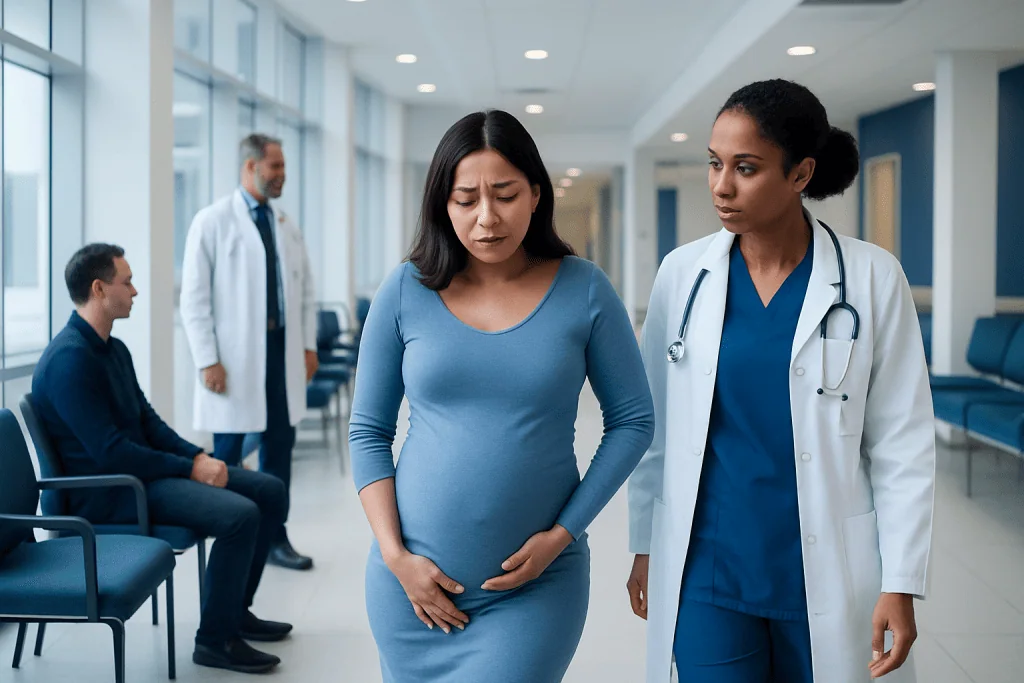
Inner thigh pain in pregnancy is often related to pelvic changes, ligament strain, or nerve irritation. Pain may feel sharp, aching, pulling, or heavy and can worsen with walking, turning in bed, or standing on one leg.
Key Takeaways
- Inner thigh pain in pregnancy is often related to pelvic changes, ligament strain, or nerve irritation.
- Pain may feel sharp, aching, pulling, or heavy and can worsen with walking, turning in bed, or standing on one leg.
- Gentle movement, posture changes, rest, and supportive measures can often reduce discomfort.
- Sudden severe pain, swelling, fever, bleeding, or trouble walking needs prompt medical evaluation.
- A doctor can distinguish normal pregnancy-related pain from hip, vein, urinary, or obstetric problems.
Pregnant pain inner thigh is a common symptom that is often linked to normal physical changes in pregnancy, such as stretching ligaments, pelvic joint movement, pressure from the growing uterus, or muscle strain. While it is usually not serious, ongoing, severe, or one-sided pain should be assessed by a qualified doctor to rule out less common complications.
Overview: what pregnant pain inner thigh usually means
Pregnant pain inner thigh usually refers to discomfort felt along the groin, upper inner thigh, or where the thigh meets the pelvis during pregnancy. In many cases, this happens because the body is adapting to a growing baby: hormones loosen ligaments, the pelvis carries more weight, posture changes, and nearby muscles work harder. These changes can create aching, pulling, pressure, or brief sharp pain.
The symptom is common at different stages of pregnancy, but it may become more noticeable in the second and third trimesters as the uterus enlarges and pelvic joints shift slightly. Some people feel it more during walking, climbing stairs, rolling over in bed, or getting out of a car. For others, it is most noticeable after standing for a long time or after a busy day.
Although inner thigh pain is often part of normal pregnancy-related musculoskeletal strain, it is not a diagnosis by itself. Similar pain can also come from pelvic girdle pain, pubic symphysis irritation, hip problems, nerve compression, varicose veins, or less commonly blood clotting and obstetric concerns. That is why the pattern of symptoms matters.
A medical assessment helps clarify whether the pain is expected and manageable or whether it needs treatment. If symptoms are persistent or interfere with walking, sleeping, or daily activities, a doctor may evaluate related causes such as sciatica or broader hip pain patterns when these fit the overall picture.
How it can feel: common symptoms and patterns
Inner thigh pain in pregnancy can feel different from person to person. Some describe a dull ache deep in the groin or upper thigh. Others notice a pulling sensation, short stabbing pain with movement, pelvic heaviness, or soreness that spreads toward the pubic bone, buttock, or lower back. Pain may affect one side or both sides.
The timing of pain often gives useful clues. Pain linked to ligament stretch may come on suddenly with coughing, standing quickly, or turning. Pain related to pelvic girdle instability may worsen when walking, separating the legs, climbing stairs, or standing on one foot while dressing. Nerve-related pain may radiate down the leg with burning, tingling, or numbness.
Some associated symptoms can appear at the same time, including lower back discomfort, hip stiffness, clicking in the pelvis, or tenderness around the pubic area. A feeling of pressure low in the pelvis can also contribute to discomfort in the inner thighs as the baby’s position changes.
- Aching or pressure in the groin or inner thigh
- Sharp pain with movement or position changes
- Pain that worsens with walking, stairs, or rolling in bed
- Lower back, buttock, or pubic bone pain at the same time
- Tingling, numbness, or shooting leg pain in some cases
Why it happens: causes and risk factors
One of the most common reasons for pregnant pain inner thigh is the natural loosening of ligaments and joints during pregnancy. Hormones such as relaxin help prepare the body for birth, but they can also make the pelvis less stable. This may place extra strain on the muscles of the groin, inner thighs, hips, and lower back.
Round ligament pain is another frequent cause. These ligaments support the uterus and can stretch as pregnancy progresses. When they tighten suddenly, a person may feel brief sharp pain in the lower abdomen, groin, or upper inner thigh, especially with sudden movements. In some people, pelvic girdle pain or pubic symphysis dysfunction causes tenderness and pain around the front of the pelvis that radiates into the thighs.
Nerve irritation can also play a role. The changing center of gravity and pressure from the uterus may affect nerves in the lower back or pelvis, producing radiating discomfort. This may overlap with herniated disc symptoms in people who already have back problems, although many cases in pregnancy are due to temporary nerve compression rather than structural disc disease.
Risk factors include a previous history of back or pelvic pain, carrying multiples, physically demanding work, reduced core strength, rapid weight changes, poor posture, and earlier pelvic injury. Less common but important causes include hip joint disorders, urinary conditions, enlarged veins in the pelvis or legs, and deep vein thrombosis, especially when pain is one-sided and accompanied by swelling or warmth.
How doctors evaluate inner thigh pain during pregnancy
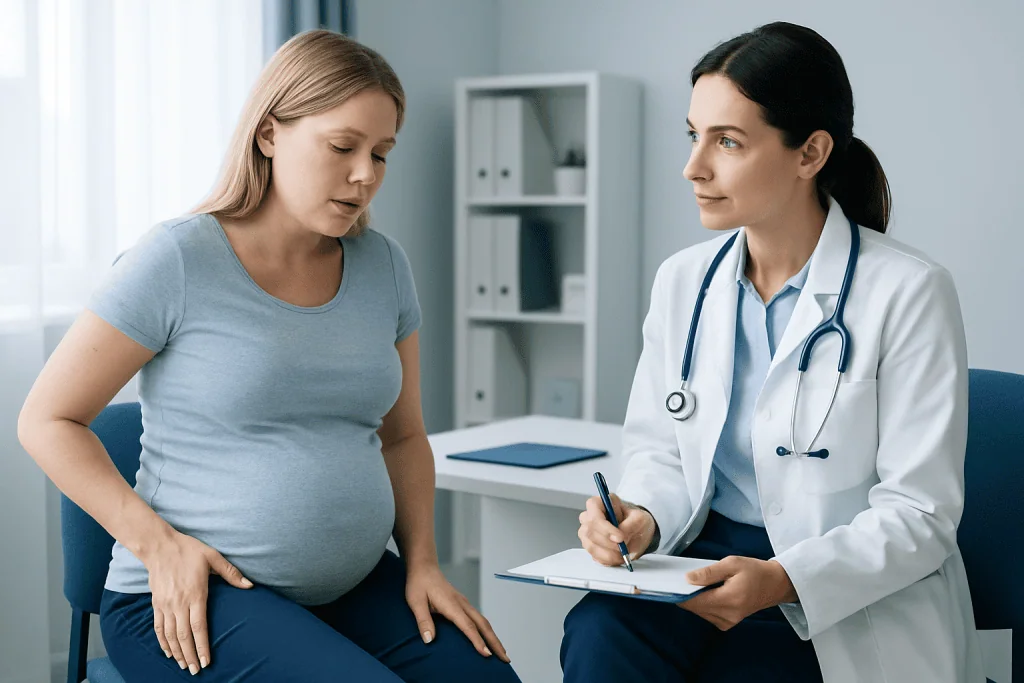
Diagnosis begins with a careful history. A doctor will usually ask when the pain started, where it is felt, what makes it worse or better, whether it spreads down the leg, and whether there are any other symptoms such as swelling, fever, vaginal bleeding, contractions, numbness, or difficulty walking. These details help distinguish muscle and pelvic causes from urgent conditions.
A physical examination may include checking posture, walking pattern, hip movement, pelvic tenderness, leg swelling, and signs of nerve irritation. The doctor may gently assess whether the pain seems to come from the pubic symphysis, sacroiliac joints, adductor muscles, hip joint, or lower back. In many cases, this is enough to identify a likely pregnancy-related musculoskeletal cause.
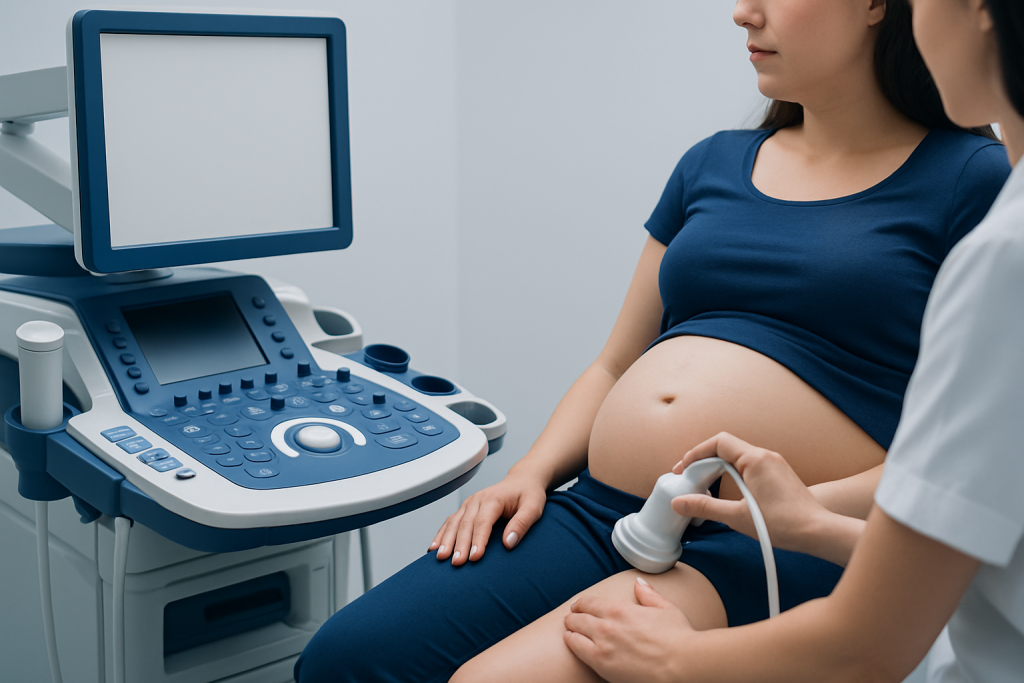
Tests are not always necessary, but they may be used when symptoms are unusual, severe, or persistent. Ultrasound may be considered for obstetric evaluation or leg-vein concerns. Imaging such as MRI can sometimes be used when a serious spinal, hip, or soft-tissue problem is suspected, because it does not use ionizing radiation. Blood or urine tests may be ordered if infection, inflammation, or urinary causes are possible.
The aim is not only to name the condition but also to rule out problems that need prompt treatment. If symptoms suggest a vascular issue, hip injury, or significant nerve compression, a patient may be referred for targeted care, including physical therapy and rehabilitation when conservative management is appropriate.
Treatment options and safe symptom relief
Treatment depends on the cause, severity, and stage of pregnancy. For most musculoskeletal causes, the first approach is conservative care. This usually includes activity modification, avoiding movements that trigger pain, pacing daily tasks, and using supportive positions when sitting, sleeping, or getting out of bed. Many people feel better by keeping the knees together when turning in bed or stepping out of a car.
Gentle exercise can help when guided appropriately. Stretching, pelvic stability work, and low-impact movement may reduce strain and improve function. A maternity support belt can sometimes lessen pelvic pressure. Depending on individual needs, a doctor or physiotherapist may recommend a home program focused on the hips, pelvic floor, lower back, and core muscles.
Pain relief medicines in pregnancy should only be used under medical guidance. A clinician may advise which options are considered safer at certain stages of pregnancy and which medicines should be avoided. Heat or cold packs may also help some people, but they should be used carefully and not directly on the skin.
If symptoms are caused by a specific orthopedic or nerve problem, treatment may be more targeted. This can include assessment by specialists in orthopedics and traumatology or pain management when pain is persistent and affecting mobility. The goal is to improve comfort while protecting maternal and fetal well-being.
Prevention and self-care in daily life
Not all pregnancy-related inner thigh pain can be prevented, but small daily habits often reduce strain. Good posture, balanced activity, and planned rest can make a meaningful difference. It may help to avoid standing on one leg, taking very wide steps, lifting heavy items, or carrying uneven loads that stress the pelvis.
Supportive footwear and a stable sleeping position are also important. Some pregnant people benefit from sleeping on the side with a pillow between the knees and another under the abdomen for support. When getting dressed, sitting down to put on trousers or shoes can reduce pelvic stress compared with balancing on one leg.
Gentle exercise before and during pregnancy may support the muscles that stabilize the hips and pelvis. Walking, swimming, and pregnancy-appropriate strengthening may be useful when comfortable and approved by a clinician. If pain appears during exercise, the activity may need to be adjusted rather than pushed through.
- Change positions slowly, especially when standing up or turning in bed
- Keep the legs together when getting in and out of a car
- Use a pillow between the knees during sleep
- Take shorter steps and avoid sudden twisting
- Ask a clinician about pelvic support belts or guided exercises
When to seek medical care
Most cases of pregnant pain inner thigh are not dangerous, but some situations need prompt medical review. A person should contact a doctor if the pain is severe, keeps getting worse, causes limping, or does not improve with rest and simple self-care. Medical advice is also important when pain starts after a fall or injury.
Urgent assessment is needed if inner thigh pain is associated with one-sided leg swelling, redness, warmth, shortness of breath, chest pain, fever, vaginal bleeding, regular contractions, leaking fluid, or marked pelvic pressure. These symptoms can point to conditions that are not explained by routine pregnancy discomfort and should not be ignored.
Numbness, weakness, loss of bladder or bowel control, or pain that shoots strongly down the leg also needs timely evaluation. These symptoms may suggest significant nerve involvement. Even when the cause is not urgent, persistent pain deserves attention because treatment can improve mobility, sleep, and quality of life during pregnancy.
Near the end of care planning, some patients may choose multidisciplinary assessment at centers experienced in pregnancy-related pain. Acibadem International’s multidisciplinary specialists in JCI-accredited hospitals diagnose and treat musculoskeletal, neurologic, and obstetric conditions for international patients when further evaluation is needed.
Frequently asked questions
Is inner thigh pain normal during pregnancy?
It can be normal and is often related to pelvic changes, ligament stretching, or muscle strain as the body adapts to pregnancy. Even so, pain that is severe, one-sided, or associated with swelling, bleeding, fever, or weakness should be assessed by a doctor.
Can pregnant pain inner thigh be a sign of labor?
Inner thigh discomfort by itself does not always mean labor. However, if it occurs with regular contractions, back pressure, pelvic pressure, vaginal bleeding, or leaking fluid, a pregnant person should contact their maternity team promptly.
What is the difference between round ligament pain and pelvic girdle pain?
Round ligament pain is often brief and sharp, triggered by sudden movement, and felt in the lower abdomen, groin, or upper thigh. Pelvic girdle pain is usually more movement-related and persistent, often affecting walking, stairs, standing on one leg, or turning in bed.
How can inner thigh pain be relieved safely during pregnancy?
Many people improve with rest, gentle movement, changing positions carefully, using pillows for support, and avoiding painful activities. A doctor or physiotherapist can also advise on specific exercises, support belts, and safe pain-relief options during pregnancy.
When should one-sided inner thigh pain be checked urgently?
Urgent evaluation is important if one-sided pain comes with swelling, redness, warmth, shortness of breath, or chest pain because circulation problems must be ruled out. It also needs prompt attention if it follows trauma or is accompanied by weakness or inability to walk.
Can exercise make inner thigh pain worse in pregnancy?
Some movements can aggravate symptoms, especially wide steps, twisting, stair climbing, or activities that overload one leg. Still, the right kind of exercise, guided by a qualified clinician, can support the pelvis and often helps reduce pain over time.
References
- American College of Obstetricians and Gynecologists
- National Health Service
- Mayo Clinic
- Royal College of Obstetricians and Gynaecologists
This article is for general information only and is not a substitute for professional medical advice. Please consult a qualified doctor about your individual situation.
Joint and spine care in Turkey — expert assessment & treatment
JCI-accredited · board-certified surgeons · reply within 24h
Add us as a Preferred Source to see more of our trusted health content across Google Search, AI Overviews and Discover.