Premenstrual Symptoms: Common Causes, Related Conditions, and When to See a Doctor

Premenstrual symptoms commonly include bloating, breast tenderness, headaches, fatigue, mood changes, food cravings, and sleep difficulties. Symptoms are thought to relate to normal hormonal shifts during the menstrual cycle and the body’s sensitivity to those shifts.
Key Takeaways
- Premenstrual symptoms commonly include bloating, breast tenderness, headaches, fatigue, mood changes, food cravings, and sleep difficulties.
- Symptoms are thought to relate to normal hormonal shifts during the menstrual cycle and the body’s sensitivity to those shifts.
- PMS can affect daily comfort, while the more severe condition PMDD can significantly affect mood, relationships, work, or school.
- A symptom diary over at least two menstrual cycles can help identify patterns and support diagnosis.
- Lifestyle measures, psychological support, medicines, and hormonal options may be considered depending on symptom severity and personal health needs.
- Urgent help is important for thoughts of self-harm, severe depression, or symptoms that feel unsafe or overwhelming.
Premenstrual symptoms are physical, emotional, or behavioral changes that occur in the days or weeks before a menstrual period and usually ease shortly after bleeding starts. They are common and often manageable, but severe, persistent, or life-disrupting symptoms may need medical assessment.
Overview: what are premenstrual symptoms?
Premenstrual symptoms are changes that develop during the part of the menstrual cycle after ovulation and before a period begins. They can affect the body, mood, thinking, sleep, appetite, and energy levels. For many people, symptoms are mild and predictable, beginning a few days before menstruation and improving within the first few days of bleeding.
The term premenstrual syndrome, or PMS, is often used when a group of symptoms causes noticeable discomfort or disrupts usual activities. Premenstrual symptoms are real and can vary from one cycle to another. Their intensity may also change at different stages of life, including adolescence, after pregnancy, and during the years leading up to menopause.
A smaller number of people experience premenstrual dysphoric disorder, known as PMDD. PMDD involves severe emotional or mood-related symptoms linked to the menstrual cycle and can substantially affect daily life. It is important to distinguish premenstrual symptoms from symptoms that are present throughout the month, as this can point to a different health concern.
Common physical and emotional symptoms
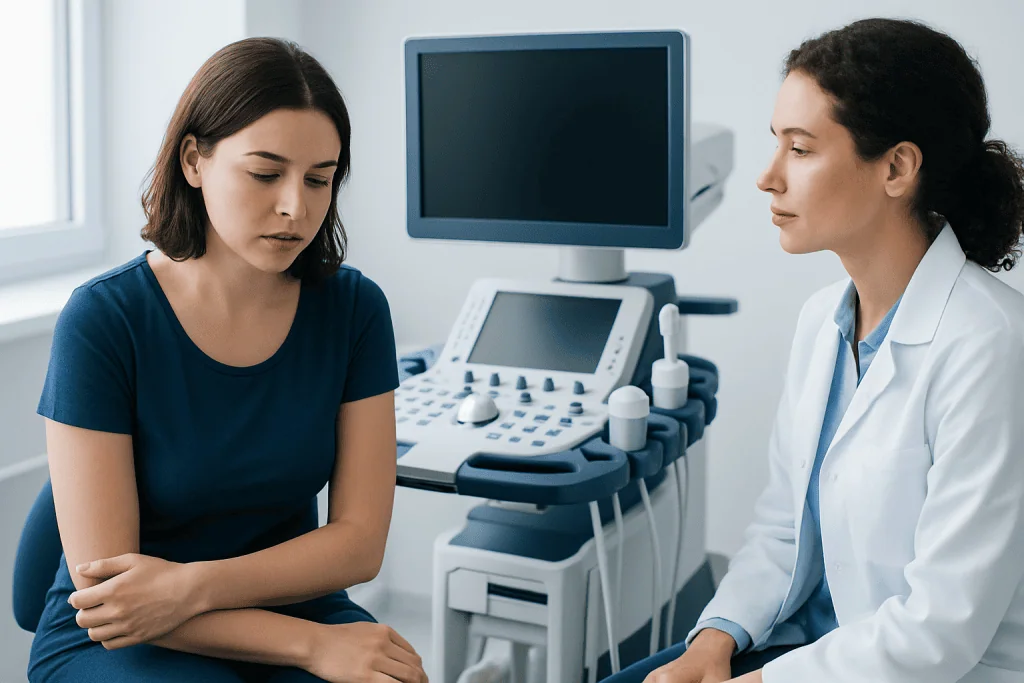
Premenstrual symptoms differ widely between individuals. Physical symptoms may include abdominal bloating or cramps, breast tenderness, headaches, acne flare-ups, temporary weight changes related to fluid retention, bowel changes, muscle or joint discomfort, fatigue, and changes in appetite. Some people notice cravings for particular foods or feel less comfortable exercising during this time.
Emotional and cognitive symptoms can include irritability, low mood, anxiety, feeling more sensitive or tearful, difficulty concentrating, reduced motivation, and sleep changes. These experiences do not mean that a person is overreacting; hormonal changes can influence brain chemicals involved in mood, stress response, appetite, and sleep.
Symptoms are more suggestive of a premenstrual pattern when they occur repeatedly before periods and then improve after menstruation starts. A person may have only one or two symptoms, while another may experience several. The pattern, severity, and effect on work, education, relationships, and self-care are usually more clinically useful than the number of symptoms alone.
- Physical changes: bloating, breast soreness, headaches, cramps, fatigue, and skin changes
- Mood changes: irritability, sadness, anxiety, anger, or emotional sensitivity
- Thinking and behavior changes: poor concentration, sleep disruption, appetite changes, and social withdrawal
Why premenstrual symptoms happen

The exact cause of premenstrual symptoms is not fully understood. They are believed to be linked to the normal rise and fall of estrogen and progesterone after ovulation. These hormone changes occur in most menstrual cycles, but people vary in how sensitive their bodies and brains are to them.
Hormonal shifts may affect neurotransmitters, including serotonin, which has an important role in mood, sleep, appetite, and pain perception. This may help explain why physical discomfort and emotional symptoms can occur together. Premenstrual symptoms are not caused by poor coping skills or a personal failing.
Stress, inadequate sleep, limited physical activity, smoking, high alcohol intake, and some dietary habits may make symptoms feel worse for some people. However, these factors do not fully explain PMS or PMDD. Family history and a personal history of mood disorders may also be relevant, particularly when symptoms are severe.
Symptoms can become more noticeable during times of hormonal change, such as the years before menopause. They may also change after starting, stopping, or changing hormonal contraception. A clinician can help assess whether a symptom pattern is likely related to the menstrual cycle or another cause.
Related conditions and symptoms that may overlap
Not every symptom that worsens before a period is PMS. Some ongoing health conditions can become more noticeable in the premenstrual phase, a pattern sometimes called premenstrual exacerbation. For example, anxiety, depression, migraine, asthma, irritable bowel syndrome, and some pain conditions may worsen at certain points in the cycle while still being present at other times.
Pelvic pain that is severe, progressively worsening, occurs outside menstruation, or is associated with pain during sex, bowel movements, or urination should be assessed. Conditions such as endometriosis, uterine fibroids, ovarian cysts, pelvic infection, or adenomyosis can cause symptoms that may be mistaken for routine menstrual discomfort.
Thyroid disorders, anemia, sleep problems, medication effects, and pregnancy-related changes can also contribute to fatigue, mood changes, or altered bleeding patterns. A clinician may consider these possibilities based on a person’s symptoms, medical history, examination findings, and any needed tests.
PMDD is a specific diagnosis characterized by marked mood symptoms in the premenstrual phase, such as intense irritability, depressed mood, anxiety, or feeling overwhelmed. Symptoms improve after the period begins and are confirmed by prospective daily symptom tracking. PMDD can be treated, and seeking support early is appropriate.
How doctors assess premenstrual symptoms
There is no single blood test that diagnoses PMS or PMDD. Assessment usually begins with a discussion about the timing of symptoms, menstrual cycle regularity, medicines, contraception, mental health history, pregnancy possibility, and how symptoms affect daily life. A doctor may also ask about bleeding, pelvic pain, and any new or unusual changes.
Keeping a daily symptom record for at least two menstrual cycles is especially helpful. The diary should note the date, bleeding days, physical symptoms, mood, sleep, stress, and how symptoms affect normal activities. This record can show whether symptoms reliably emerge before menstruation and resolve afterward.
A physical or pelvic examination is not always necessary, but it may be recommended when there is pelvic pain, abnormal bleeding, pain during sex, or other concerning symptoms. Blood tests, pregnancy testing, or imaging may be considered to investigate possible related conditions rather than PMS itself.
Open discussion about mood is an important part of assessment. A clinician may screen for depression, anxiety, trauma-related symptoms, or other mental health concerns, particularly if symptoms occur throughout the cycle. This helps ensure that treatment addresses the full picture rather than only the timing of symptoms.
Treatment options and self-care
Management is guided by symptom severity, individual preferences, medical history, reproductive plans, and whether another condition is present. For mild to moderate symptoms, regular movement, consistent sleep, balanced meals, stress-management practices, and reducing smoking or alcohol may help some people. There is no single lifestyle approach that works for everyone, so practical changes can be introduced gradually and monitored alongside a symptom diary.
Over-the-counter pain relief may help cramps, headaches, or body aches when used according to the product label and a clinician’s advice. People with kidney disease, stomach ulcers, bleeding disorders, heart disease, or those taking blood-thinning medicines should seek medical advice before using anti-inflammatory pain medicines. Heat packs, gentle stretching, and rest can also support comfort for some people.
For symptoms that are persistent or disruptive, clinicians may recommend treatments such as cognitive behavioral therapy, certain antidepressant medicines, or hormonal methods that suppress ovulation or stabilize cycle-related hormonal changes. The best option depends on the symptom pattern and on factors such as migraine history, blood clot risk, other medicines, and plans for pregnancy. Supplements are sometimes discussed, but evidence and safety vary, so it is wise to review them with a healthcare professional before starting them.
Acibadem International’s multidisciplinary specialists and JCI-accredited hospitals can assess menstrual and mood-related concerns and discuss appropriate treatment options for international patients. Care should be individualized, with follow-up to review benefits, side effects, and any changes in symptoms.
When to seek medical care
A medical appointment is advisable when premenstrual symptoms interfere with work, school, relationships, sleep, or usual activities; when they are becoming more severe; or when the timing is unclear. Evaluation is also helpful for new symptoms after age 40, very heavy or irregular bleeding, severe pelvic pain, pain during sex, or symptoms that do not improve after the period starts.
Prompt medical advice is important for a possible pregnancy, sudden severe abdominal or pelvic pain, fainting, fever, or unusually heavy bleeding. These symptoms may not be due to PMS and can need timely assessment. Anyone who is unsure whether symptoms are normal should feel comfortable speaking with a qualified clinician.
Emergency support should be sought immediately if a person has thoughts of self-harm or suicide, feels unable to stay safe, or experiences severe depression, panic, agitation, or loss of contact with reality. Contact local emergency services, a crisis service, or a trusted person who can provide immediate support. PMDD and other mental health conditions are treatable, and urgent support can make a meaningful difference.
Frequently asked questions
How long do premenstrual symptoms usually last?
Premenstrual symptoms often begin in the days after ovulation, which is commonly one to two weeks before a period. They usually improve when menstruation begins or within the first few days of bleeding, although timing varies among individuals.
Are premenstrual symptoms normal?
Mild symptoms before a period are very common and are often part of the normal menstrual cycle. They should be assessed when they are severe, new, worsening, or interfere with everyday life.
What is the difference between PMS and PMDD?
PMS describes premenstrual physical and emotional symptoms that may cause discomfort or affect daily activities. PMDD is a more severe condition in which mood symptoms, such as intense irritability, depression, or anxiety, cause marked impairment and follow a cyclical pattern.
Can premenstrual symptoms start at any age?
They can begin during the reproductive years after menstrual cycles become established. Symptoms may change over time and can become more noticeable during adolescence or the transition toward menopause.
Can diet and exercise help with PMS symptoms?
Regular physical activity, sufficient sleep, regular meals, and strategies for stress management may reduce symptoms for some people. Benefits vary, so tracking symptoms can help identify which changes are useful for an individual.
Should a person track symptoms before seeing a doctor?
Tracking is useful but is not required before making an appointment. A daily record across at least two cycles can help a clinician recognize a premenstrual pattern and distinguish it from symptoms that occur throughout the month.
References
- American College of Obstetricians and Gynecologists
- Office on Women's Health, U.S. Department of Health and Human Services
- National Institute of Mental Health
- National Health Service
- Royal College of Obstetricians and Gynaecologists
This article is for general information only and is not a substitute for professional medical advice. Please consult a qualified doctor about your individual situation.
IVF & fertility treatment in Turkey — success rates and costs
JCI-accredited · board-certified surgeons · reply within 24h
Add us as a Preferred Source to see more of our trusted health content across Google Search, AI Overviews and Discover.
Check your numbers in seconds
BMI, calories, due date, blood pressure and 30+ more clinical calculators — free, instant, doctor-reviewed ranges.