Preventing Brain and Nerve Infections: Vaccines, Travel Risks, and Self-Care

Vaccines are one of the most effective ways to reduce the risk of certain brain and nerve infections. Travel can increase exposure to mosquito-borne, tick-borne, food-borne, and water-borne infections that may affect the nervous system.
Key Takeaways
- Vaccines are one of the most effective ways to reduce the risk of certain brain and nerve infections.
- Travel can increase exposure to mosquito-borne, tick-borne, food-borne, and water-borne infections that may affect the nervous system.
- Hand hygiene, safe food and water practices, and bite prevention are important everyday protections.
- Symptoms such as fever, severe headache, neck stiffness, confusion, seizures, or new weakness need urgent medical attention.
- People with weakened immune systems, very young children, and older adults may need extra prevention measures.
Preventing brain and nerve infections often starts with vaccination, careful travel habits, and practical steps to reduce exposure to germs and insect bites. Early recognition of warning signs and timely medical care can also lower the risk of serious complications.
Overview
Brain and nerve infections are illnesses caused by bacteria, viruses, fungi, or parasites that affect the brain, spinal cord, meninges, or peripheral nerves. These infections include conditions such as meningitis, encephalitis, myelitis, brain abscess, and certain infections that trigger nerve inflammation. Some are mild and self-limited, while others can become serious quickly and need urgent treatment.
Preventing brain and nerve infections focuses on reducing exposure to germs and strengthening protection before exposure happens. Vaccination, good hygiene, safe eating and drinking habits, insect-bite prevention, and prompt treatment of certain infections all play a role. Prevention is especially important for infants, older adults, travelers, and people whose immune systems are weakened by illness or medicines.
Not every neurological symptom means an infection, but symptoms such as severe headache, fever, neck stiffness, confusion, drowsiness, seizures, or sudden weakness should not be ignored. When an infection affects the nervous system, early care can help prevent complications and support recovery.
How Infections Reach the Brain and Nerves
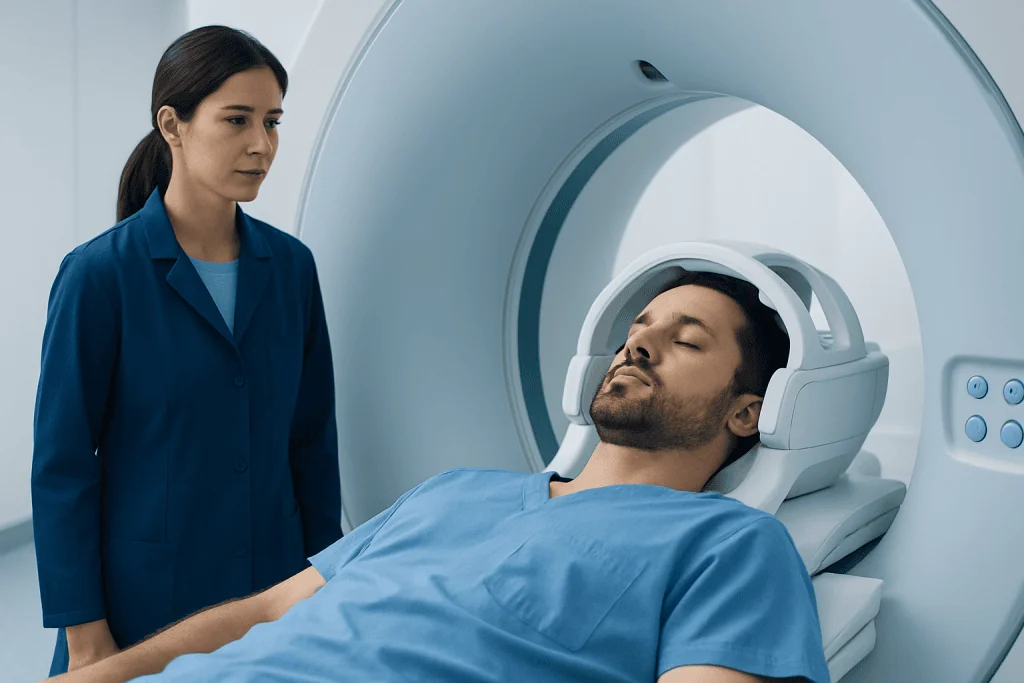
Germs can reach the nervous system in several ways. Some spread through the bloodstream after starting in the nose, throat, lungs, gut, or skin. Others move directly from nearby structures, such as the ears or sinuses, or enter after trauma or neurosurgery. Insect bites can also transmit infections that later affect the brain or nerves.
Common examples include viral infections such as enteroviruses, herpes viruses, and mosquito-borne viruses; bacterial infections such as pneumococcal or meningococcal disease; and less commonly fungal or parasitic infections. Certain illnesses may damage the nerves indirectly by triggering inflammation or immune reactions after the initial infection.
Risk is not the same for everyone. People may be more vulnerable because of age, chronic disease, immune suppression, incomplete vaccination, crowded living conditions, unsafe food or water, or travel to areas where specific infections are more common. Understanding these pathways helps guide prevention in daily life and before travel.
Symptoms to Know and Why Early Action Matters
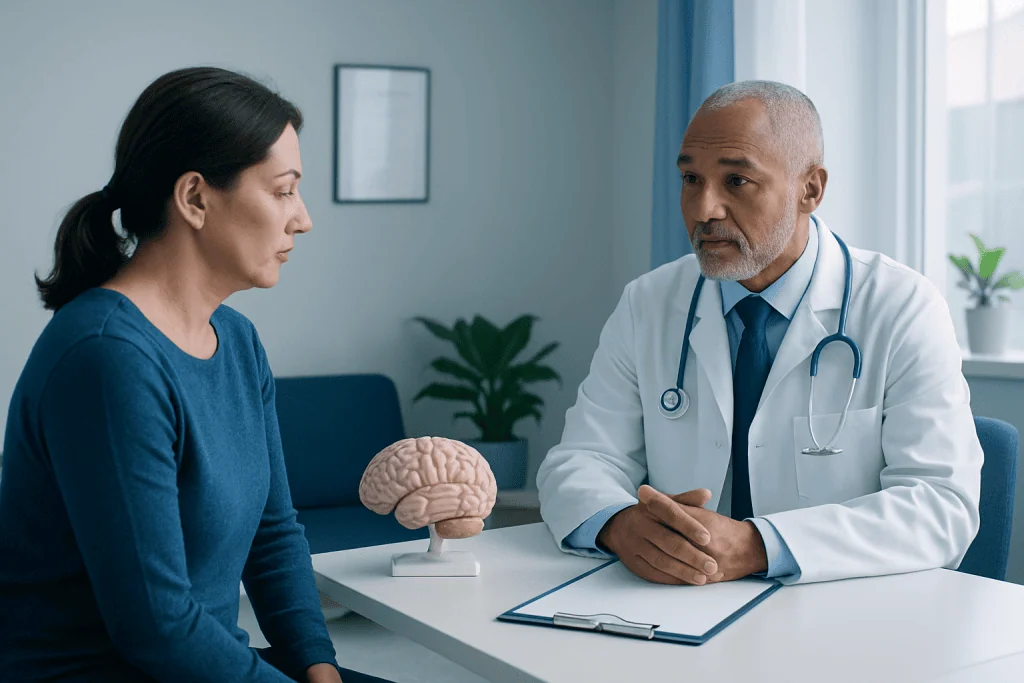
Symptoms vary depending on which part of the nervous system is affected, but some warning signs are especially important. A person may develop fever, severe headache, nausea or vomiting, light sensitivity, neck stiffness, confusion, excessive sleepiness, or seizures. Infections affecting the nerves or spinal cord may also cause weakness, numbness, balance problems, facial droop, or trouble walking.
In babies and young children, symptoms can be less specific. Irritability, poor feeding, unusual sleepiness, repeated vomiting, a bulging soft spot, or high-pitched crying can be concerning. Older adults may present mainly with confusion, reduced alertness, or falls rather than classic symptoms.
These signs matter because some nervous system infections can progress over hours to days. Quick assessment allows doctors to check for urgent problems and begin treatment when needed. Prevention and prompt recognition work together: even when an infection cannot be fully avoided, early care may reduce the chance of long-term problems.
Vaccines That Help Prevent Brain and Nerve Infections
Vaccines are a central part of preventing brain and nerve infections. They do not prevent every cause, but they can reduce the risk of several important illnesses that may lead to meningitis, encephalitis, or nerve complications. Routine vaccines also help protect vulnerable groups by lowering community spread.
Depending on age, health status, and travel plans, doctors may recommend vaccines such as:
- Meningococcal vaccines
- Pneumococcal vaccines
- Haemophilus influenzae type b (Hib) vaccine
- Measles, mumps, and rubella (MMR) vaccine
- Varicella vaccine
- Influenza vaccine
- COVID-19 vaccine, when appropriate
- Japanese encephalitis vaccine for certain travelers
- Tick-borne encephalitis vaccine in countries where it is used and exposure risk is high
- Rabies pre-exposure vaccination for selected travelers and occupational risk groups
Vaccine needs are individualized. A travel clinic or primary care doctor can review destination, season, activities, age, and medical conditions to advise which vaccines are appropriate. People with reduced immune function may need a different schedule or may not be able to receive some live vaccines, so planning ahead is helpful.
Even after vaccination, sensible precautions still matter. No vaccine offers perfect protection, and many neuroinfectious diseases do not yet have vaccines. For that reason, vaccines should be viewed as one important layer within a broader prevention plan.
Travel Risks: Insects, Food, Water, and Environment
Travel can expose people to infections that are uncommon at home. Mosquito-borne viruses, tick-borne illnesses, rabies, parasitic diseases, and infections linked to unsafe food or water may all affect the nervous system in some cases. Risk depends on destination, season, rural or urban setting, length of stay, outdoor activities, and local outbreaks.
Insect-bite prevention is especially important. Wearing long sleeves and trousers when possible, using an appropriate insect repellent, sleeping in screened or air-conditioned rooms, and using bed nets when needed can reduce mosquito exposure. Tick checks after hiking or time in grassy or wooded areas are also useful. Avoid touching wild or unfamiliar animals, as bites and scratches may transmit rabies or other infections.
Safe food and water habits also matter. Drinking bottled, boiled, or otherwise treated water when needed, avoiding raw or undercooked meat and seafood, washing fruits and vegetables, and choosing food that is freshly cooked can lower the risk of infections that occasionally spread to the brain or nerves. In some freshwater settings, exposure to parasites or contaminated water may also pose a risk, so destination-specific advice is important.
Travelers with chronic illness, pregnancy, immune suppression, or very young children should ideally seek pre-travel medical advice several weeks before departure. A clinician can discuss vaccines, malaria prevention if relevant, bite avoidance, and what to do if symptoms begin during or after travel.
Everyday Prevention and Self-Care
Many protective steps are simple and practical. Regular handwashing with soap and water, especially after using the bathroom, before eating, and after coughing or sneezing, helps reduce the spread of viruses and bacteria. Covering coughs, avoiding sharing drinks or utensils when ill, and staying home when contagious can also reduce exposure for others.
General health measures support the immune system and may lower infection risk overall. These include adequate sleep, balanced nutrition, regular physical activity, and good management of chronic conditions such as diabetes. Wounds should be cleaned promptly, and ear or sinus infections should not be ignored if symptoms are severe, prolonged, or worsening.
Some people need extra caution. Those taking immune-suppressing medicines, people living with cancer or advanced kidney disease, transplant recipients, and people with HIV may be at higher risk for certain infections. They should discuss vaccine timing, travel safety, and any exposure concerns with their healthcare team.
Household prevention can also help. Keeping vaccinations up to date, reducing standing water where mosquitoes breed, practicing food safety, and using helmets and seat belts to reduce traumatic injuries that can create routes for infection after skull fractures are sensible steps. Self-care is valuable, but it does not replace medical assessment when concerning symptoms appear.
Diagnosis, Treatment, and Follow-Up
If a brain or nerve infection is suspected, doctors may act quickly to identify the cause and begin treatment. Evaluation often includes a medical history, neurological examination, blood tests, and sometimes brain imaging such as MRI or CT scanning. In selected cases, a lumbar puncture may be needed to examine cerebrospinal fluid and look for bacteria, viruses, inflammation, or other clues.
Treatment depends on the cause. Bacterial infections typically require urgent antibiotics, while some viral infections may be treated with antiviral medicines. Fungal or parasitic infections need different therapies. Supportive care can include fluids, fever control, seizure treatment, management of swelling, and monitoring in hospital when symptoms are severe. Some related conditions may overlap with meningitis or encephalitis, and specialists help distinguish between them.
After recovery, some people need follow-up for headaches, fatigue, memory problems, hearing changes, weakness, or mood symptoms. Rehabilitation and specialist review may support return to daily activities. Near the end of the care pathway, some international patients may choose centers such as Acibadem International, where multidisciplinary specialists and JCI-accredited hospitals diagnose and treat neurological infections and their complications.
When to See a Doctor
Urgent medical care is needed for symptoms that may suggest infection of the brain, meninges, or nerves. These include fever with severe headache, neck stiffness, confusion, fainting, seizures, new weakness, difficulty speaking, severe sensitivity to light, or a rapidly worsening condition. In infants, poor feeding, unusual drowsiness, persistent irritability, or a bulging soft spot also need prompt evaluation.
A doctor should also be contacted after high-risk exposures, even if symptoms are mild at first. Examples include an animal bite during travel, a tick bite followed by fever or neurological symptoms, recent travel with a new severe headache, or possible exposure to contaminated food or water followed by confusion or weakness. People with weakened immune systems should seek advice early because infections can progress differently and may be caused by less common organisms.
If symptoms begin after travel, it helps to mention destinations, dates, outdoor activities, insect bites, animal contact, foods eaten, and any vaccines or preventive medicines received. This information can narrow the list of possible infections and guide testing and treatment more quickly.
Frequently asked questions
Can brain and nerve infections always be prevented?
No prevention method can remove all risk, but many infections can be reduced through vaccination, hygiene, safe food and water habits, and insect-bite protection. Early medical care for warning symptoms is also an important part of prevention because it may reduce complications.
Which vaccines are most relevant for preventing nervous system infections?
Commonly important vaccines include meningococcal, pneumococcal, Hib, MMR, varicella, influenza, and sometimes travel-related vaccines such as Japanese encephalitis or rabies pre-exposure vaccination. The right choice depends on age, medical history, and travel plans, so a doctor should individualize recommendations.
Are travelers at higher risk of brain infections?
Travel can increase exposure to infections not commonly seen at home, especially mosquito-borne, tick-borne, food-borne, and animal-related infections. Risk varies by destination, season, activities, and health status, which is why pre-travel medical advice can be helpful.
What are the first warning signs that need urgent attention?
Fever with severe headache, neck stiffness, confusion, seizures, fainting, or new weakness should be treated as urgent. In babies, poor feeding, unusual sleepiness, or a bulging soft spot are also warning signs that need prompt assessment.
Can a simple ear or sinus infection spread to the brain?
It is uncommon, but some infections in nearby areas such as the ears or sinuses can spread and lead to serious complications. Persistent, severe, or worsening symptoms should be assessed by a qualified doctor, especially if fever, swelling, confusion, or neurological symptoms appear.
Do people with weakened immune systems need extra precautions?
Yes. People taking immune-suppressing medicines or living with conditions that affect immunity may be more vulnerable to certain infections and may need tailored vaccine advice, travel planning, and earlier medical review for symptoms. Their healthcare team can help create a safer prevention plan.
References
- World Health Organization
- Centers for Disease Control and Prevention
- European Centre for Disease Prevention and Control
- National Institute of Neurological Disorders and Stroke
- American Academy of Neurology
This article is for general information only and is not a substitute for professional medical advice. Please consult a qualified doctor about your individual situation.
Joint and spine care in Turkey — expert assessment & treatment
JCI-accredited · board-certified surgeons · reply within 24h
Add us as a Preferred Source to see more of our trusted health content across Google Search, AI Overviews and Discover.