Primatene Mist — Explained by Medical Evidence, Not Myths

Primatene Mist contains inhaled epinephrine, not albuterol. It is meant only for temporary relief of mild asthma symptoms in people with a prior asthma diagnosis.
Key Takeaways
- Primatene Mist contains inhaled epinephrine, not albuterol.
- It is meant only for temporary relief of mild asthma symptoms in people with a prior asthma diagnosis.
- It does not treat airway inflammation or prevent asthma attacks.
- Side effects can include fast heartbeat, tremor, nervousness, and increased blood pressure.
- Frequent use may signal poorly controlled asthma and the need for medical review.
- Severe breathing trouble needs urgent medical care, not self-treatment alone.
Primatene Mist is an over-the-counter inhaler that contains inhaled epinephrine and is intended only for temporary relief of mild asthma symptoms in some adults and adolescents. Medical evidence suggests it may help short-term symptoms, but it does not replace an asthma diagnosis, controller treatment, or emergency care when breathing problems are severe.
Overview: what Primatene Mist is and what it is not
Primatene Mist is an over-the-counter inhaler that delivers epinephrine to help temporarily open the airways during mild asthma symptoms. In practical terms, it is designed for short-term relief of occasional wheezing, chest tightness, or shortness of breath in certain people who already have a diagnosis of mild intermittent asthma. It is not a daily preventive medicine, and it is not a substitute for a full asthma evaluation.
Much of the public discussion around primatene mist is shaped by myths: that it is the same as a prescription rescue inhaler, that it is safe for any breathing problem, or that using it avoids the need for medical care. These ideas are inaccurate. Primatene Mist contains epinephrine, whereas many prescription rescue inhalers contain albuterol or similar bronchodilators. They are related in effect but not identical in how they are used, tolerated, or recommended.
Medical evidence supports a limited role for over-the-counter epinephrine inhalers, but guidelines generally favor clinician-guided asthma care because asthma severity can change over time. Someone who needs frequent symptom relief may have underlying airway inflammation that requires a different treatment plan. For people with uncertain symptoms, the key question is not simply whether the inhaler helps for a few minutes, but whether the underlying condition has been correctly identified.
Who may use Primatene Mist and who should be cautious
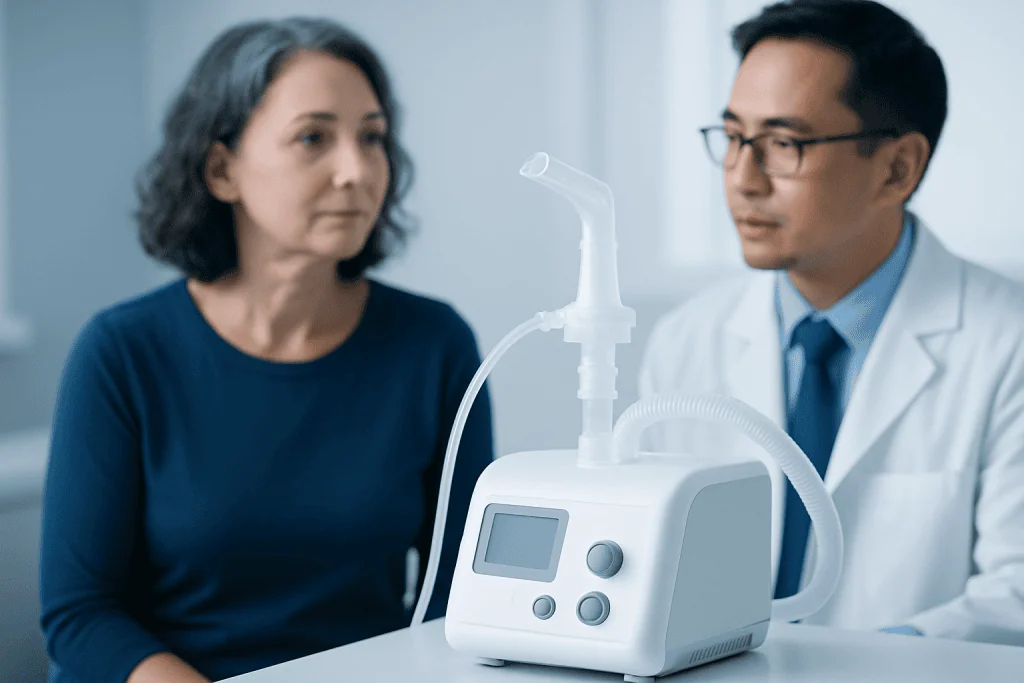
Primatene Mist is generally intended for people aged 12 years and older who have already been told by a clinician that they have asthma and whose symptoms are mild and intermittent. The inhaler is not meant for people who have never been evaluated for wheezing or shortness of breath. Symptoms that seem like asthma can also be caused by infections, allergies, chronic obstructive lung disease, vocal cord dysfunction, heart problems, panic symptoms, or other conditions.
Caution is especially important for people with high blood pressure, heart rhythm problems, coronary artery disease, thyroid disorders, diabetes, seizures, or narrow-angle glaucoma. Because epinephrine stimulates the body’s sympathetic nervous system, it can raise heart rate and blood pressure and may worsen some medical conditions. It may also interact with certain medications, including some stimulants or medicines that affect heart rhythm.
Pregnant or breastfeeding individuals, older adults, and people with complex medical histories should ask a clinician or pharmacist before using it. Even in otherwise healthy adults, using an over-the-counter inhaler without understanding the reason for breathing symptoms can delay proper diagnosis. If a person has frequent cough, night symptoms, exercise limitation, or repeated need for quick relief, clinician review is advisable.
For people with suspected or diagnosed asthma, a personalized management plan is usually safer and more effective than relying only on nonprescription symptom relief.
How it works, possible benefits, and important limits

Epinephrine works by stimulating receptors in the airways and elsewhere in the body. In the lungs, this can relax airway muscles and temporarily improve airflow. That is why some people feel quick relief after using Primatene Mist. However, the medicine also affects the cardiovascular system, which is why palpitations, shakiness, and nervousness can occur.
The main benefit of Primatene Mist is convenience: it may provide short-term relief for mild asthma symptoms in a person who already knows they have mild intermittent asthma. For a small, well-selected group of users, that can be helpful. Still, convenience does not equal comprehensive care. The inhaler does not reduce airway inflammation in the way controller medicines do, and it does not prevent future exacerbations.
Another limitation is that symptom relief can be misleading. If breathing improves briefly, a person may assume the problem is under control when the underlying disease is not. This matters because worsening asthma can become serious quickly. Inhaler overuse is a warning sign, not a treatment strategy.
Technique matters too. Any inhaler is less effective if it is used incorrectly, and many people do not realize they are inhaling too late, too early, or not deeply enough. A doctor or respiratory specialist can review inhaler technique and discuss whether a prescription rescue inhaler, bronchodilator treatment, or a broader care plan would be more appropriate.
Side effects, safety concerns, and common myths
The most common side effects of Primatene Mist relate to epinephrine’s stimulant effects. These may include a fast heartbeat, pounding heartbeat, tremor, nervousness, headache, dizziness, nausea, and trouble sleeping. Some people also notice a temporary rise in blood pressure. These effects may be mild for some users but unpleasant or concerning for others.
A common myth is that because Primatene Mist is sold over the counter, it is automatically gentle or risk-free. Over-the-counter availability does not mean a medicine is right for every person or every symptom. It means that for certain labeled uses, regulators have determined that it can be used without a prescription when directions are followed carefully.
Another myth is that all wheezing equals asthma. In reality, wheezing may occur with respiratory infections, allergic reactions, irritant exposure, or chronic lung conditions. Someone with recurrent cough or breathlessness may need lung function testing, allergy assessment, or other evaluation. In those cases, self-treatment alone can delay appropriate care.
It is also important not to confuse temporary symptom relief with disease control. If symptoms occur often, wake a person at night, or limit daily life, the issue may be poorly controlled airway disease rather than a need for more frequent rescue medicine. This is one reason clinicians may consider formal evaluation such as pulmonary function tests to clarify what is happening in the lungs.
How doctors evaluate breathing symptoms and asthma control
When a person seeks medical advice about Primatene Mist or asthma-like symptoms, the evaluation usually begins with a careful history. A doctor may ask what symptoms occur, how often they happen, whether they are triggered by exercise, pollen, cold air, pets, or infections, and whether symptoms occur at night. They will also ask about smoking exposure, past allergy history, and any heart or lung disease.
Physical examination may be followed by tests that measure lung function. Spirometry and related breathing tests help determine whether the airways are narrowed and whether that narrowing improves with treatment. These tests are often more informative than symptoms alone, especially because some people underestimate or normalize their breathing problems.
In some situations, the clinician may also consider chest imaging, allergy testing, or assessment for conditions that can mimic asthma. If symptoms are severe, sudden, or atypical, urgent care may be needed right away. Not every case of breathlessness is asthma, and not every person with asthma has the same treatment needs.
For patients with recurrent episodes, specialist review may be helpful. A structured assessment can distinguish between occasional mild asthma symptoms and more persistent disease that may need a controller inhaler, trigger reduction, or follow-up in a respiratory clinic such as chest diseases care.
Treatment options beyond over-the-counter relief
For many patients, the best long-term approach is not repeated over-the-counter rescue treatment but a plan based on the cause and severity of symptoms. Prescription rescue inhalers are often used for quick symptom relief, while controller medicines may be recommended when symptoms are frequent, nighttime awakenings occur, or flare-ups happen more than occasionally. The right choice depends on age, symptom pattern, test results, and other health conditions.
Non-drug measures also matter. Avoiding tobacco smoke, reducing exposure to known allergens or irritants, treating nasal allergies, and addressing workplace exposures can lower symptom burden. People who exercise may benefit from a plan that includes warm-up routines and guidance on exercise-related symptoms. Vaccination and early attention to respiratory infections may also reduce flare-ups in some individuals.
An asthma action plan can help patients recognize what to do when symptoms are mild, when they are worsening, and when emergency care is needed. This is especially useful for adolescents, caregivers, and anyone who has difficulty judging symptom severity. Clear instructions can reduce both undertreatment and overreliance on quick-relief inhalers.
Near the end of the care pathway, if ongoing symptoms are difficult to control or the diagnosis is uncertain, multidisciplinary review can be valuable. Acibadem International’s multidisciplinary specialists in JCI-accredited hospitals evaluate and treat respiratory conditions for international patients, with care tailored to the individual clinical picture.
Prevention and self-care for safer symptom control
Good self-care starts with knowing personal triggers and recognizing early symptoms. A person who notices cough, chest tightness, or wheeze after dust exposure, viral illness, cold air, or exercise can take steps to reduce those triggers and discuss preventive treatment with a clinician. Keeping track of symptom frequency can also show whether the condition is truly occasional or becoming more persistent.
Inhaler technique should be checked regularly, even for people who have used inhalers before. Small technique errors can reduce the amount of medicine reaching the lungs. If a spacer is prescribed with a rescue inhaler, using it properly may improve delivery for some patients.
General health habits support respiratory health as well. These include not smoking, avoiding secondhand smoke, maintaining physical activity within comfortable limits, sleeping well, and managing allergies or reflux if present. Although these steps do not replace medication when it is needed, they can improve overall symptom control.
Most importantly, self-care includes knowing the limits of self-treatment. If an over-the-counter inhaler is needed often, works less well than before, or is being used for unexplained breathing symptoms, medical review is the safest next step.
When to seek medical care
Medical care should be sought promptly if breathing symptoms are new, unexplained, frequent, or getting worse. A person should also contact a doctor if they need Primatene Mist repeatedly, have nighttime symptoms, find that daily activities are limited, or are unsure whether they truly have asthma. These patterns may suggest that symptoms are not well controlled or that another diagnosis should be considered.
Urgent or emergency care is needed for severe shortness of breath, difficulty speaking in full sentences, bluish lips or fingernails, confusion, chest pain, fainting, or symptoms that do not improve promptly with a rescue inhaler. Those signs may indicate a serious asthma attack or another emergency condition. In such situations, self-treatment alone is not enough.
People with heart disease, uncontrolled blood pressure, significant palpitations, or concerning side effects after using Primatene Mist should also seek medical advice. A clinician can review whether epinephrine is appropriate and whether another treatment approach would be safer.
Frequently asked questions
Is Primatene Mist the same as albuterol?
No. Primatene Mist contains inhaled epinephrine, while many prescription rescue inhalers contain albuterol. Both can open the airways, but they are different medicines with different side-effect profiles and roles in asthma care.
Can Primatene Mist be used for any wheezing or shortness of breath?
No. It is intended only for temporary relief of mild asthma symptoms in certain people who already have an asthma diagnosis. Wheezing or breathlessness can have many causes, so new or unexplained symptoms should be assessed by a clinician.
Is Primatene Mist safe because it is sold over the counter?
Over-the-counter status does not mean a medicine is right for everyone. Primatene Mist can cause fast heartbeat, tremor, and increased blood pressure, and it may be unsuitable for people with some heart, thyroid, or other medical conditions.
How often is too often to use Primatene Mist?
Frequent need for any quick-relief inhaler may suggest poor asthma control or an incorrect diagnosis. If symptoms are happening often, waking a person at night, or limiting normal activities, a medical review is important rather than simply increasing self-treatment.
Does Primatene Mist treat the underlying inflammation of asthma?
No. It can temporarily relieve airway narrowing, but it does not control the underlying inflammation that often drives asthma. Some patients need a controller treatment plan to reduce flare-ups and improve long-term stability.
Should someone see a doctor even if Primatene Mist seems to help?
Yes, especially if symptoms recur, the inhaler is needed repeatedly, or the diagnosis is uncertain. Temporary relief does not always mean the condition is adequately managed, and a clinician can help confirm the cause of symptoms and recommend safer long-term care.
This article is for general information only and is not a substitute for professional medical advice. Please consult a qualified doctor about your individual situation.
Explore treatments in Turkey — costs, top hospitals & a free quote
JCI-accredited · board-certified surgeons · reply within 24h
Add us as a Preferred Source to see more of our trusted health content across Google Search, AI Overviews and Discover.
Check your numbers in seconds
BMI, calories, due date, blood pressure and 30+ more clinical calculators — free, instant, doctor-reviewed ranges.

More from the Health Library

Armpit: What Patients Need to Know

Jugular Vein: An Evidence-Based Guide for Patients

Red Blotches on Skin: What Patients Need to Know

Biodegradable Sunblock: A Complete Medical Overview

Nystatin — Explained by Medical Evidence, Not Myths