

Private health check Before & After: What Realistic Results Look Like

A private health check is an assessment, not a treatment, and results may be normal, inconclusive, or require further evaluation. The most meaningful “after” result is a personalized plan based on medical history, examination findings, and appropriate tests.
Key Takeaways
- A private health check is an assessment, not a treatment, and results may be normal, inconclusive, or require further evaluation.
- The most meaningful “after” result is a personalized plan based on medical history, examination findings, and appropriate tests.
- Not every test is suitable for every person; screening should be tailored to age, sex, symptoms, family history, and risk factors.
- Abnormal results do not automatically mean a serious condition, but they should be discussed with a qualified clinician.
- Lifestyle changes, monitoring, preventive care, or specialist referral may follow depending on the findings.
- Urgent symptoms should be assessed promptly and should not wait for a routine health check.
A private health check can provide a structured picture of current health, identify modifiable risks, and guide appropriate follow-up. Realistic before-and-after results are usually measured by better understanding, targeted next steps, and changes sustained over time rather than a single test result.
Private Health Check Before and After: What to Expect
Private health check before and after results are most realistically understood as a change in health information and care planning. Before the appointment, a person may have unanswered questions about symptoms, family history, lifestyle risks, or routine screening needs. Afterward, they should have a clearer understanding of which findings are reassuring, which risks may be modifiable, and whether any follow-up is needed.
A health check does not usually create an immediate physical change. It is an opportunity to review health in a structured way, identify possible concerns early, and agree on practical next steps with a clinician. Results can range from entirely normal findings to minor issues that can be monitored, or findings that need repeat testing, imaging, or specialist assessment.
For an overview of how a personalized screening appointment may be organized, see private health check services. The exact content should be based on an individual’s medical needs rather than a fixed list of tests for everyone.
How a Private Health Check Works
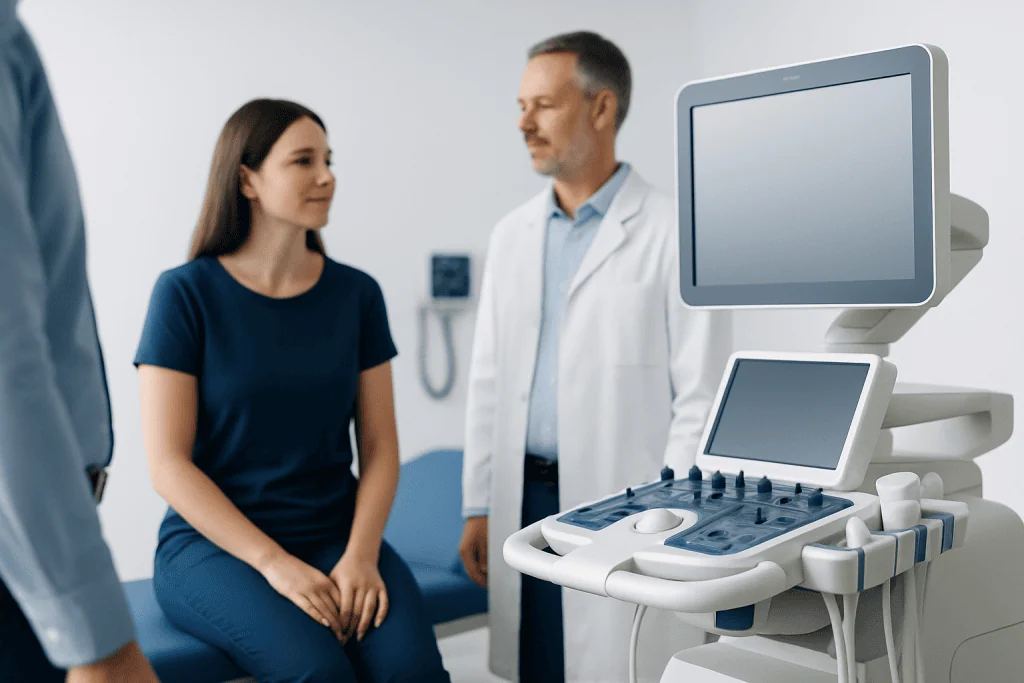
A private health check commonly begins with a detailed health questionnaire and discussion. The clinician may ask about current symptoms, previous illnesses or operations, medicines and supplements, smoking, alcohol use, sleep, exercise, diet, mental wellbeing, and family history of conditions such as heart disease, diabetes, stroke, or cancer.
The appointment may include measurements such as height, weight, body mass index, blood pressure, pulse, and waist circumference, followed by a physical examination when appropriate. Depending on the person’s age, biological sex, health history, and concerns, the clinician may recommend blood or urine tests, heart assessments, imaging, or evidence-based cancer screening.
Some results may be available on the day, while laboratory and imaging findings can take longer. A good check-up includes an explanation of what the results mean in context. A value slightly outside a reference range is not, by itself, a diagnosis; clinicians consider symptoms, repeat measurements, medical history, and the quality of the test when deciding what to do next.
Who May Benefit and What Candidacy Means

Adults may consider a health check when they want to review preventive care, have a family history of an important condition, are preparing for a major lifestyle change, or have not had routine medical review for some time. It can also be useful for people with known health conditions who need a broader review alongside their usual care.
However, a private health check is not the right pathway for every situation. A person with new, persistent, worsening, or potentially urgent symptoms needs a medical assessment directed at those symptoms. Routine screening tests are designed for people without symptoms and can miss conditions or identify findings that require further clarification.
The best testing plan is individualized. For example, cardiovascular risk assessment may be especially relevant for someone with high blood pressure, diabetes, smoking history, or early heart disease in close relatives. People with a strong family pattern of cancer, inherited disease, or premature cardiovascular disease may benefit from a clinician’s advice about focused surveillance or genetic counselling rather than broad, untargeted testing.
Step by Step: From Preparation to Results Review
Before the appointment, the clinic may provide preparation instructions. These can include bringing a list of medicines, previous test reports, vaccination information, and details of relevant family history. Some blood tests may require fasting, but this depends on the test; individuals should follow the instructions given rather than fasting unnecessarily.
During the check, a healthcare professional records the medical history and measurements, performs relevant examinations, and arranges selected investigations. It is helpful to mention all symptoms, even if they seem minor, as well as any worries about a particular health problem. Open discussion helps the clinician choose tests responsibly and avoid duplication.
After tests are completed, results should be reviewed with a clinician rather than viewed in isolation. The discussion may include what is normal, what needs monitoring, what can be improved through lifestyle measures, and whether referral or additional testing is appropriate. Written results and a follow-up plan can help the person share relevant information with their primary care clinician.
- Before: questions, risk factors, incomplete health information, or a need for routine preventive review.
- During: targeted history, examination, and clinically appropriate testing.
- After: interpretation of findings, a clear action plan, and follow-up when indicated.
Realistic Before-and-After Results
One realistic outcome is reassurance. A person may learn that their blood pressure, blood sugar, cholesterol profile, examination, and recommended screenings are within expected ranges. This does not guarantee that illness will never develop, but it can help establish a useful baseline and reinforce continued preventive habits.
Another common outcome is identification of a manageable risk factor. For example, a check may reveal raised blood pressure, elevated cholesterol, increased blood sugar, weight-related risk, or low physical activity. The “after” result may be a plan for dietary changes, regular activity, smoking cessation support, improved sleep, repeat measurements, or medication discussion where clinically appropriate. Meaningful improvement generally occurs over weeks to months and is confirmed with follow-up, not assumed after one appointment.
A third outcome is a finding that needs clarification. An unexpected laboratory result, irregular heart rhythm, lump, imaging observation, or symptom pattern may lead to repeat testing or referral. This can feel unsettling, but many abnormal screening findings are not serious. Prompt, proportionate follow-up is the appropriate next step, and a clinician can explain the likelihood and purpose of further assessment.
For instance, a person who feels well may discover persistently high blood pressure and begin home monitoring and lifestyle changes, with treatment considered if needed. Another person may have normal tests but recognize the value of updating vaccinations or attending recommended age-appropriate screening. These examples show why the result of a health check is a care plan, not a single “pass” or “fail.”
Benefits, Limits, and Possible Risks
The main potential benefit of a health check is earlier recognition of health risks and opportunities for prevention. It may support informed decisions about diet, activity, sleep, substance use, long-term condition management, and appropriate screening. It can also help document baseline measurements that may be useful in future care.
Health checks have limitations. No package can test for every possible illness, and normal results cannot rule out all disease. Screening tests can produce false-positive results, which suggest a problem that is later not confirmed, or false-negative results, which fail to detect a condition. More testing is not always better, because it can lead to uncertainty, unnecessary procedures, expense, or exposure to radiation in the case of certain imaging tests.
Blood tests can cause temporary discomfort, bruising, light-headedness, or rarely infection at the needle site. Imaging and other procedures have their own considerations, which should be explained beforehand. Shared decision-making helps ensure that expected benefits outweigh potential downsides for the individual.
Recovery Timeline and Making the Most of Follow-Up
Most people can return to normal daily activities immediately after a health check. If blood was taken, keeping the dressing on briefly and avoiding heavy use of that arm for a short time can reduce bruising. Any temporary fasting can be followed by eating and drinking as advised once testing is complete.
The more important “recovery” period is the follow-up phase. Results may lead to immediate reassurance, a routine review in several months, or additional appointments. When lifestyle changes are advised, small, specific goals tend to be more practical than dramatic plans. Examples include gradually increasing weekly activity, reducing highly processed foods, limiting alcohol, stopping smoking, or arranging a repeat blood pressure measurement.
People should keep copies of their results and tell clinicians about any changes in symptoms or medicines. If a result needs further investigation, completing recommended follow-up is important. Acibadem International’s multidisciplinary specialists and JCI-accredited hospitals can assess health-check findings and coordinate appropriate care for international patients.
When to Seek Medical Care
Routine health checks should not delay care for concerning symptoms. Medical assessment should be sought promptly for chest pain, severe shortness of breath, fainting, sudden weakness or numbness, difficulty speaking, severe headache that is new or unusual, coughing up blood, or signs of a severe allergic reaction. Emergency services should be used when symptoms are severe, sudden, or rapidly worsening.
A doctor should also assess symptoms that persist or recur, such as unexplained weight loss, a new lump, blood in urine or stool, ongoing changes in bowel habits, persistent fever, unusual bleeding, marked fatigue, or a changing mole. These symptoms often have non-serious causes, but they deserve timely evaluation.
People already diagnosed with chronic conditions should continue their established care and medication plans unless their treating clinician advises otherwise. A private health check can complement regular care, but it does not replace symptom-based appointments, prescribed monitoring, or emergency assessment.
Frequently asked questions
What should realistic private health check before and after results look like?
Before a check, a person may have limited information about health risks or preventive needs. Afterward, realistic results include interpreted findings, reassurance where appropriate, and a personalized plan for lifestyle changes, monitoring, or further assessment. A health check is not expected to provide instant physical changes or guarantee future health.
Can a private health check detect every health problem?
No. Even comprehensive checks cannot identify every disease, and many conditions require symptom-focused assessment or repeat testing over time. Normal results are reassuring in context, but new or persistent symptoms should still be discussed with a doctor.
How long does it take to get private health check results?
Some measurements and examinations can be discussed during the appointment. Blood tests, imaging, and specialist reports may take days or longer depending on the investigations. The clinic should explain when and how results will be reviewed.
What happens if a health check finds an abnormal result?
An abnormal result is not automatically a diagnosis. A clinician may recommend repeating the test, comparing it with previous results, arranging targeted tests, or referring to an appropriate specialist. The next step depends on the result, symptoms, and overall risk profile.
Do people need to fast before a private health check?
Fasting is needed for some tests but not all. The individual should follow the clinic’s preparation instructions and ask in advance if they are unsure. People should not stop prescribed medicines unless a doctor specifically advises them to do so.
Is a private health check suitable if someone has symptoms?
A health check may be part of an overall assessment, but symptoms should be evaluated directly rather than treated as routine screening. New, severe, persistent, or worsening symptoms may need prompt medical care. Urgent symptoms should not wait for a scheduled check-up.
References
- World Health Organization
- U.S. Preventive Services Task Force
- National Institute for Health and Care Excellence
- Centers for Disease Control and Prevention
This article is for general information only and is not a substitute for professional medical advice. Please consult a qualified doctor about your individual situation.
Explore treatments in Turkey — costs, top hospitals & a free quote
JCI-accredited · board-certified surgeons · reply within 24h
Add us as a Preferred Source to see more of our trusted health content across Google Search, AI Overviews and Discover.
Check your numbers in seconds
BMI, calories, due date, blood pressure and 30+ more clinical calculators — free, instant, doctor-reviewed ranges.

More from the Health Library



Related Specialists

Dt. Berna Ölce
Oral & Dental Health
Assoc. Prof. Dr. Nezih Ziroğlu
Orthopedic Surgery & Traumatology
Fzt. Sena Durmaz
Physical Medicine & Rehabilitation
Dr. Aykut Ayyıldız
Intensive Care