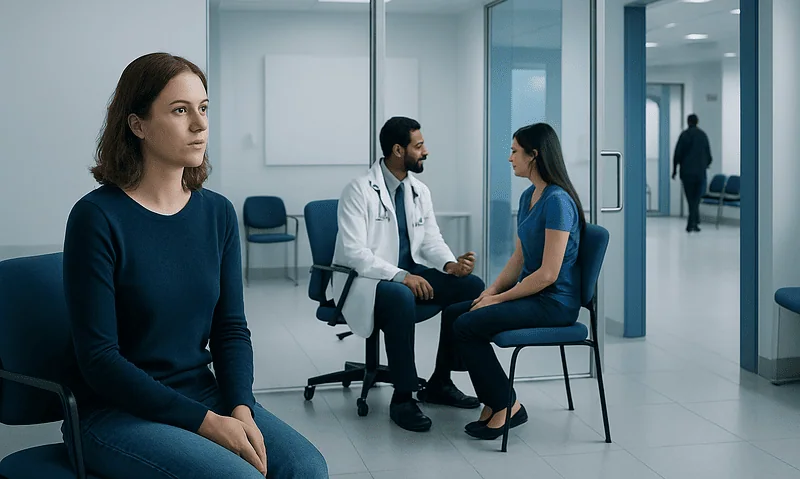
Problems After Gallbladder Removal Years Later: An Evidence-Based Guide for Patients

Long-term symptoms after gallbladder removal are real but often treatable. Common issues include diarrhea, bloating, indigestion, upper abdominal pain, and reflux symptoms.
Key Takeaways
- Long-term symptoms after gallbladder removal are real but often treatable.
- Common issues include diarrhea, bloating, indigestion, upper abdominal pain, and reflux symptoms.
- Not all symptoms come from the previous surgery; bile duct stones, ulcers, IBS, pancreatitis, and liver conditions can cause similar complaints.
- Diagnosis may involve blood tests, ultrasound, MRCP, endoscopy, or other imaging based on symptoms.
- Treatment depends on the cause and may include dietary changes, medicines, or procedures to treat bile duct problems.
- Persistent pain, jaundice, fever, vomiting, weight loss, or black stools should be assessed by a doctor.
Problems after gallbladder removal years later are possible, although many people recover well and have no long-term symptoms. When symptoms do appear, they may be related to changes in bile flow, retained or new bile duct stones, reflux, digestive sensitivity, or another condition that needs proper evaluation.
Overview: can symptoms appear years after gallbladder removal?
Yes. Problems after gallbladder removal years later can occur, even after a long symptom-free period. This does not necessarily mean something serious is wrong, but it does mean the symptoms deserve a careful medical review rather than being dismissed as a normal part of surgery.
The gallbladder stores and concentrates bile, then releases it after meals. After removal, bile flows more continuously from the liver into the intestine. Many people adapt very well to this change, but some develop diarrhea, bloating, upper abdominal discomfort, nausea, or heartburn-like symptoms. Others may later be found to have a different digestive condition that only seems related to the old operation.
Doctors sometimes use the term postcholecystectomy syndrome to describe ongoing or new symptoms after gallbladder removal. It is not a single disease. Instead, it is a broad label covering several possible causes, including bile duct stones, sphincter dysfunction, gastritis, peptic ulcer disease, reflux, irritable bowel syndrome, pancreatitis, or bile acid-related diarrhea.
What symptoms may happen long after surgery?
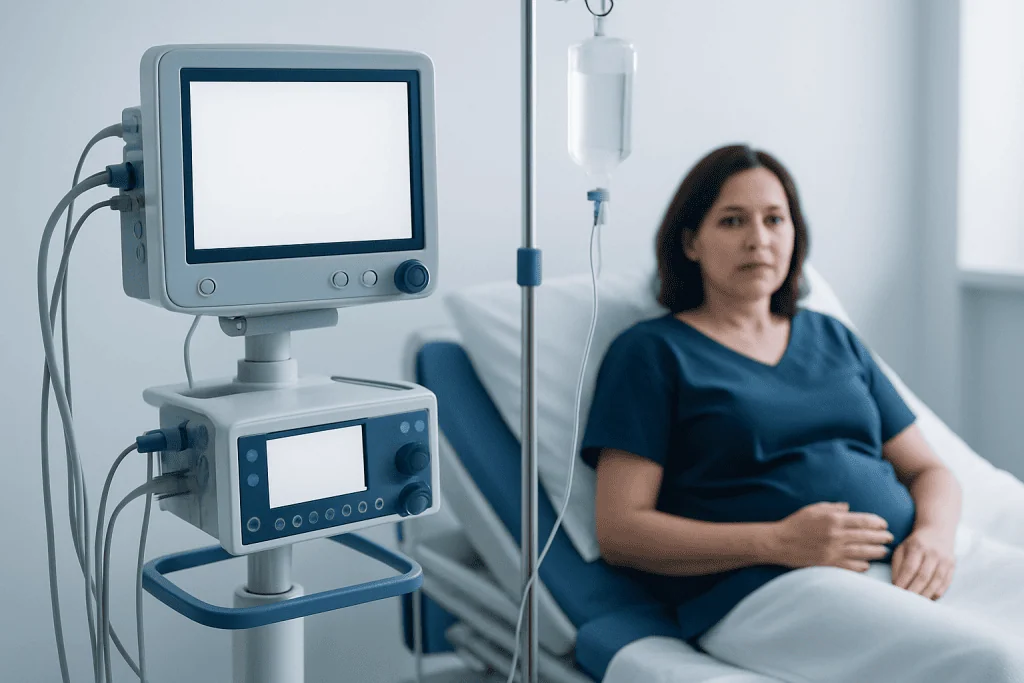
Symptoms vary from person to person. Some people notice digestive changes mainly after fatty meals, while others have symptoms that seem unrelated to food. A pattern over time, such as frequent loose stools or recurrent pain in the same area, can help guide the evaluation.
Common symptoms include:
- Upper right abdominal pain or pain in the upper middle abdomen
- Bloating or a feeling of fullness after eating
- Nausea or occasional vomiting
- Diarrhea, especially soon after meals
- Urgency to use the bathroom
- Heartburn or bitter fluid coming up into the throat
- Excess gas and indigestion
- Food intolerance, often with very fatty or large meals
Less common but more concerning symptoms include jaundice, fever, chills, dark urine, pale stools, unexplained weight loss, persistent vomiting, or severe pain that does not improve. These may suggest bile duct obstruction, infection, inflammation of the pancreas, bleeding in the digestive tract, or another condition that needs urgent attention.
Why do problems after gallbladder removal years later happen?

There is no single explanation. In some people, the main issue is the new pattern of bile entering the intestine. Without the gallbladder’s storage function, bile may reach the bowel continuously, which can irritate the colon and contribute to bile acid diarrhea. In others, changes in digestion make fatty meals harder to tolerate, leading to cramping, bloating, and loose stools.
Another group of causes involves the bile ducts. A stone may have been left behind at the time of surgery, or a new stone can form later in the bile duct. Narrowing of the duct, irritation of the bile passages, or problems with the sphincter of Oddi can also trigger pain, nausea, or abnormal liver tests. These causes are less common than simple digestive sensitivity, but they are important to identify because they may be specifically treatable.
Some long-term symptoms are not caused by the absence of the gallbladder itself. Conditions such as gastritis, peptic ulcer disease, acid reflux, functional dyspepsia, irritable bowel syndrome, liver disease, or pancreatitis can mimic gallbladder-related symptoms. This is why self-diagnosing all future abdominal symptoms as “from the surgery” can delay proper care.
Risk factors for ongoing symptoms may include a history of digestive disorders before surgery, obesity, certain dietary patterns, poor symptom control before the operation, or having had pain from more than one digestive cause to begin with. Even so, symptoms can also develop in people with no obvious risk factors.
How doctors evaluate the cause
Evaluation starts with the story. A doctor will usually ask when symptoms began, whether they are linked to meals, where the pain is located, how often diarrhea occurs, and whether there is fever, jaundice, weight loss, black stools, or vomiting. A physical examination and review of medications are also important, since some medicines can cause diarrhea, reflux, or stomach irritation.
Basic testing often includes blood work to look for signs of infection, liver or bile duct blockage, pancreatic inflammation, anemia, or other metabolic problems. Depending on the symptoms, stool tests may also be useful, especially if chronic diarrhea, infection, or bleeding is suspected.
Imaging is chosen based on the most likely cause. Ultrasound is often a first step because it can show bile duct enlargement, stones, and some liver problems. More detailed imaging such as MRCP may be used when a bile duct problem is suspected. Some patients may need MRI imaging as part of this workup. If upper abdominal pain, nausea, heartburn, ulcer symptoms, or bleeding are concerns, a doctor may recommend endoscopy to examine the esophagus, stomach, and first part of the small intestine.
When diarrhea is the main problem, doctors may consider bile acid diarrhea based on the clinical pattern and response to treatment. If symptoms point toward the pancreas, bile ducts, or deeper structures of the abdomen, additional imaging such as abdominal ultrasound or CT scan may be helpful. Not every patient needs every test; a focused approach is usually best.
Treatment depends on the underlying problem
There is no single treatment for problems after gallbladder removal years later because the causes are different. The most effective plan is based on what is actually driving the symptoms. For this reason, it is often not helpful to rely only on internet advice or restrictive diets without an evaluation.
If bile acid diarrhea is likely, doctors may recommend medications that bind bile acids in the intestine, along with practical dietary adjustments. If reflux, gastritis, or ulcer disease is present, treatment may include acid-suppressing medicine and avoidance of known stomach irritants. If irritable bowel syndrome or functional dyspepsia is contributing, management may focus on meal pattern, stress reduction, symptom-directed medications, and avoiding individual trigger foods.
When a stone or narrowing in the bile duct is found, treatment may involve a procedure rather than daily medication. In selected cases, endoscopic treatment can remove stones or relieve blockage. Pancreatitis, infections, or significant liver test abnormalities may require prompt specialist care and close monitoring.
For people with persistent upper abdominal pain but no clear structural problem, doctors may also consider whether the symptoms are related to functional digestive disorders, muscle wall pain, or less common conditions. A gastroenterologist can help decide whether treatment should target bile flow, acid, bowel sensitivity, or another mechanism.
Self-care and lifestyle steps that may help
Many people benefit from simple changes while the cause is being assessed. Smaller, more frequent meals are often easier to tolerate than large meals. Very fatty, greasy, or fried foods may worsen diarrhea or indigestion in some people, especially early after surgery, but tolerance varies and does not need to be assumed in every case.
Helpful self-care steps may include:
- Eating smaller meals instead of heavy portions
- Limiting foods that clearly trigger symptoms
- Keeping a food and symptom diary for a few weeks
- Staying well hydrated, especially if diarrhea is frequent
- Reducing alcohol if it worsens symptoms
- Avoiding lying down immediately after meals if reflux is present
- Reviewing over-the-counter pain relievers with a doctor, as some can irritate the stomach
These steps can improve comfort, but they are not a substitute for medical assessment when symptoms are persistent, worsening, or accompanied by warning signs. Long-term diarrhea can lead to dehydration or nutritional issues, and recurring pain deserves an explanation rather than repeated self-treatment.
Near the end of the care pathway, some patients benefit from coordinated follow-up with digestive specialists. Acibadem International’s multidisciplinary specialists and JCI-accredited hospitals diagnose and treat digestive conditions for international patients when further evaluation is needed.
When to seek medical care
Medical care is appropriate if symptoms continue for more than a short period, recur often, affect eating, interrupt daily life, or cause concern. Even mild symptoms are worth discussing if they are becoming more frequent over time or if over-the-counter measures do not help.
Prompt medical attention is especially important for severe abdominal pain, fever, yellowing of the eyes or skin, dark urine, pale stools, repeated vomiting, chest pain, dehydration, black or bloody stools, or unexplained weight loss. These are not typical adjustment symptoms and may indicate infection, bile duct blockage, bleeding, pancreatitis, or another condition that needs urgent evaluation.
It is also wise to seek medical advice if symptoms return years after surgery after a long symptom-free period. A new problem may have developed, and accurate diagnosis can often lead to targeted treatment and relief.
Frequently asked questions
Is it normal to have problems years after gallbladder removal?
It can happen, although many people have no long-term issues after surgery. Symptoms years later are not always caused by the operation itself, so it is sensible to discuss persistent or recurring symptoms with a doctor.
What is postcholecystectomy syndrome?
Postcholecystectomy syndrome is a general term for ongoing or new symptoms after gallbladder removal. It does not describe one specific disease; instead, it may include bile duct problems, reflux, ulcers, bowel sensitivity, bile acid diarrhea, or pancreatic conditions.
Why do I have diarrhea after gallbladder removal years later?
One possible cause is bile acid diarrhea, which can happen when bile flows continuously into the intestine and irritates the colon. However, diarrhea can also have other causes, including infection, IBS, medication side effects, or another digestive condition, so proper assessment matters.
Can gallstones come back after the gallbladder is removed?
The gallbladder itself is gone, so gallstones cannot form there again. However, stones can still be present in or form within the bile ducts, and these may cause pain, jaundice, abnormal liver tests, or infection.
What foods should be avoided if symptoms happen after gallbladder removal?
There is no single diet that fits everyone. Many people do better with smaller meals and less greasy or very fatty food, but the best approach is to notice personal triggers rather than follow an unnecessarily strict diet.
When should pain after gallbladder removal be considered urgent?
Urgent care is important if pain is severe, constant, or comes with fever, jaundice, vomiting, dark urine, pale stools, black stools, or signs of dehydration. These symptoms may suggest a blocked bile duct, infection, pancreatitis, or another problem that should be assessed quickly.
This article is for general information only and is not a substitute for professional medical advice. Please consult a qualified doctor about your individual situation.
Explore treatments in Turkey — costs, top hospitals & a free quote
JCI-accredited · board-certified surgeons · reply within 24h
Add us as a Preferred Source to see more of our trusted health content across Google Search, AI Overviews and Discover.

More from the Health Library

Deltoid: A Complete Medical Overview

Anogarsmia — Explained by Medical Evidence, Not Myths

Enema Bag: What Patients Need to Know

Preservative Free Eye Drops: A Complete Medical Overview

Herpes Test — Explained by Medical Evidence, Not Myths