Prostate Cancer Treatment: Options for Every Stage

Prostate cancer treatment is chosen based on stage, risk level, symptoms, and personal preferences. Early-stage prostate cancer may be managed with active surveillance, surgery, or radiation therapy.
Key Takeaways
- Prostate cancer treatment is chosen based on stage, risk level, symptoms, and personal preferences.
- Early-stage prostate cancer may be managed with active surveillance, surgery, or radiation therapy.
- More advanced disease may require hormone therapy, chemotherapy, targeted approaches, or combinations of treatments.
- Side effects can often be anticipated and managed with supportive care and follow-up.
- Shared decision-making with a multidisciplinary team helps patients choose the most suitable treatment plan.
Prostate cancer treatment depends on the stage of the disease, the tumor’s features, symptoms, age, and overall health. Many men have several effective options, and treatment plans are often tailored to balance cancer control with quality of life.
Overview of Prostate Cancer Treatment
Prostate cancer begins in the prostate gland, a small organ below the bladder that helps produce semen. It is one of the most common cancers in men, and in many cases it grows slowly. Because of this, treatment is not the same for everyone. Some men need prompt therapy, while others may be safely monitored for a period of time.
Prostate cancer treatment is guided by several factors, including the cancer stage, PSA level, biopsy findings such as Gleason score or Grade Group, imaging results, symptoms, age, and overall health. Doctors also consider whether the cancer appears low-risk, intermediate-risk, or high-risk, and whether it is confined to the prostate or has spread beyond it.
The main treatment options include active surveillance, surgery, radiation therapy, hormone therapy, chemotherapy, and other systemic treatments. In many situations, more than one approach may be appropriate. The goal is to control or remove the cancer while preserving urinary, sexual, and bowel function as much as possible.
How Treatment Choices Differ by Stage
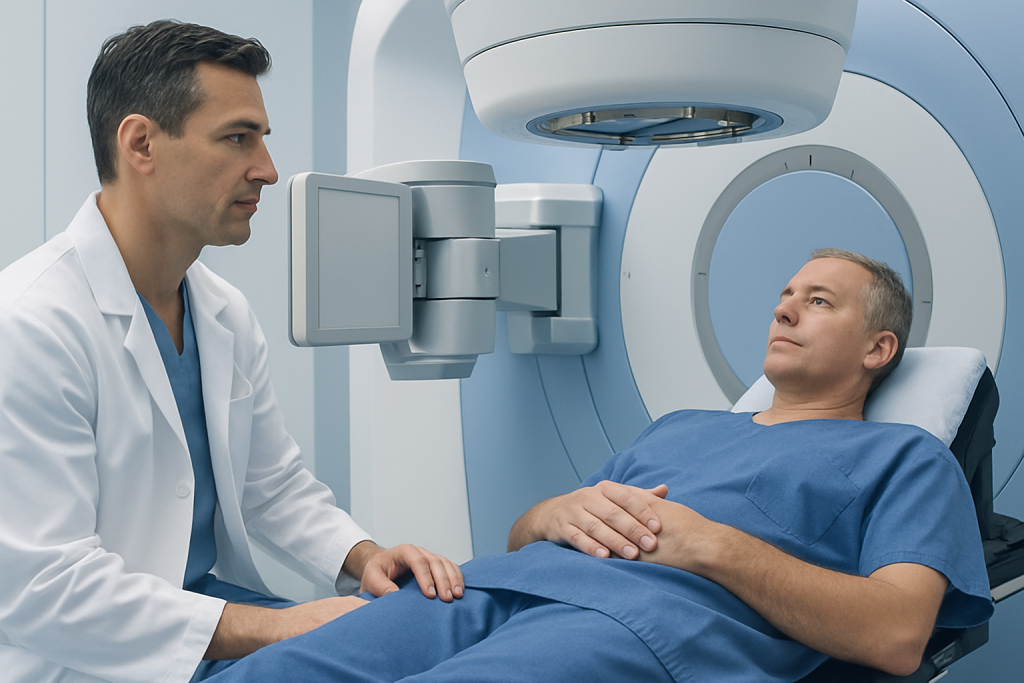
For cancer that is found only in the prostate and considered low risk, active surveillance may be an option. This means the cancer is watched closely with regular PSA tests, examinations, imaging, and sometimes repeat biopsy. The aim is to avoid or delay treatment side effects in men whose cancer may never cause harm, while still treating if there are signs of progression.
For localized cancer that needs treatment, common options are robotic-assisted surgery or radiation therapy. Surgery usually involves removal of the prostate and sometimes nearby lymph nodes. Radiation may be delivered from outside the body or by placing radioactive sources inside the prostate, depending on the case and local expertise.
When the cancer has extended outside the prostate or carries a higher risk of recurrence, doctors may combine treatments. Radiation therapy may be given together with hormone therapy. In some patients, surgery may be followed by additional treatment if pathology shows higher-risk features or if PSA rises afterward.
For metastatic or recurrent prostate cancer, treatment usually focuses on controlling the disease throughout the body. This often includes hormone-based treatment and may also involve chemotherapy, newer anti-androgen medicines, or selected targeted therapies. Even at advanced stages, many men can live for years with careful treatment planning and close follow-up.
Common Symptoms and Why Some Men Have None

Early prostate cancer often causes no symptoms at all. Many cases are found after a PSA blood test or a digital rectal examination suggests that more evaluation is needed. This is one reason why treatment decisions can feel complex: a person may feel completely well even when cancer is present.
When symptoms do occur, they may include difficulty starting urination, a weak urine stream, frequent urination, especially at night, blood in the urine or semen, or discomfort in the pelvic area. These symptoms are not specific to cancer and can also happen with benign prostate enlargement or inflammation.
If prostate cancer spreads, symptoms may depend on where it has gone. Bone pain, unexplained weight loss, fatigue, or leg swelling can occur in more advanced disease. Any new or concerning symptom should be discussed with a doctor, especially in someone already diagnosed with prostate cancer.
It can also help to understand that prostate cancer symptoms may overlap with other prostate conditions. For example, urinary complaints are common in benign prostatic hyperplasia, which is not cancer. A proper evaluation helps distinguish between these conditions and guides the next step.
How Doctors Evaluate the Cancer Before Treatment
Before recommending treatment, doctors confirm the diagnosis and assess how likely the cancer is to grow or spread. This usually involves a PSA blood test, a digital rectal exam, imaging such as prostate MRI, and a biopsy. The biopsy shows how abnormal the cancer cells look and helps classify the tumor’s aggressiveness.
Staging describes where the cancer is and whether it has spread to nearby tissues, lymph nodes, or distant organs. Risk grouping combines stage with PSA and biopsy findings. These details matter because low-risk localized cancer may be approached very differently from high-risk or metastatic disease.
Additional imaging may be recommended when there is concern that the cancer has spread. This may include bone imaging, CT scans, or advanced PET-based imaging in selected patients. Doctors also review general health, current medicines, urinary function, bowel health, and sexual function because these factors may influence treatment choice and side effect management.
Many patients benefit from review by a multidisciplinary team, which may include a urologist, medical oncologist, radiation oncologist, radiologist, and pathologist. This team-based approach can help clarify the pros and cons of each option and support informed decision-making.
Main Treatment Options
Active surveillance is most often used for low-risk cancers that are unlikely to cause harm in the near future. It is not the same as doing nothing. Patients are followed carefully, and treatment can begin if there are signs that the cancer is changing. This approach may help preserve quality of life for appropriately selected men.
Surgery usually means radical prostatectomy, in which the prostate gland is removed. This may be performed using open or minimally invasive techniques, including robotic-assisted methods. Surgery can be an effective option for localized cancer, especially in patients who are fit for an operation and prefer removal of the tumor.
Radiation therapy can treat localized prostate cancer and is also used after surgery in some cases or to relieve symptoms in advanced disease. External beam radiation and brachytherapy are the main forms. Radiation may be used alone or together with hormone therapy depending on the cancer’s risk features.
Hormone therapy, also called androgen deprivation therapy, lowers or blocks male hormones that help prostate cancer grow. It is commonly used for advanced disease and for some higher-risk localized cancers in combination with radiation. It can be very effective, although side effects such as hot flashes, fatigue, reduced libido, and bone thinning may require monitoring and support.
Chemotherapy and newer systemic therapies may be recommended when prostate cancer has spread or no longer responds well to standard hormone treatment. Depending on the tumor’s characteristics, doctors may also consider targeted medicines, immunotherapy in selected situations, or treatments directed at bone health. Some patients may benefit from medical oncology care that coordinates these therapies over time.
- Localized low-risk disease: active surveillance, surgery, or radiation
- Localized intermediate- to high-risk disease: surgery and/or radiation, often with hormone therapy
- Recurrent disease: salvage radiation, hormone therapy, or other systemic treatment depending on the pattern of recurrence
- Metastatic disease: hormone therapy, chemotherapy, newer anti-cancer medicines, and supportive care
Side Effects, Recovery, and Follow-Up Care
Each prostate cancer treatment has possible side effects, and these should be discussed before therapy begins. After surgery, some men experience urinary leakage or erectile dysfunction, although recovery varies and may improve over time. Radiation can also affect urinary, bowel, and sexual function, sometimes gradually.
Hormone therapy may cause hot flashes, mood changes, loss of muscle mass, weight changes, reduced sexual desire, and weaker bones with long-term use. Chemotherapy and other systemic treatments can lead to tiredness, low blood counts, nausea, or other effects depending on the medicine used. Supportive treatments, rehabilitation, and regular monitoring can help manage many of these issues.
Follow-up is an essential part of prostate cancer treatment. PSA testing is commonly used after surgery, radiation, or systemic therapy to assess how well treatment has worked and to watch for signs of recurrence. Some men also need repeat imaging or additional examinations depending on their individual situation.
Recovery is not only physical. Emotional adjustment, concerns about intimacy, and uncertainty about the future are common. Support from clinicians, counselors, pelvic floor therapists, and patient support groups can be helpful during and after treatment.
Prevention, Self-Care, and Living With Prostate Cancer
There is no guaranteed way to prevent prostate cancer, but general health measures remain important. A balanced diet, regular physical activity, maintaining a healthy weight, not smoking, and limiting excess alcohol support overall well-being and may improve recovery during treatment. Men receiving hormone therapy may benefit especially from exercise and attention to bone health.
Self-care during treatment includes taking medicines as prescribed, attending follow-up visits, and reporting side effects early. Pelvic floor exercises may support urinary recovery after surgery. Some men also need guidance on sexual health, fertility preservation, or bowel care, depending on the treatment they receive.
Living with prostate cancer often involves ongoing monitoring, even after successful treatment. It can be helpful to keep a record of PSA results, imaging, pathology reports, and treatment dates. This makes future discussions with the care team easier and helps patients understand the reasons for each decision.
For people seeking coordinated international care, Acibadem International’s multidisciplinary specialists and JCI-accredited hospitals diagnose and treat prostate cancer with personalized planning. In some cases, care may involve urology evaluation alongside oncology and radiation specialists.
When to See a Doctor
A doctor should be consulted for persistent urinary symptoms, blood in the urine or semen, pelvic discomfort, unexplained bone pain, or a rising PSA result. Even though these symptoms do not always mean cancer, they deserve proper assessment. Early evaluation can identify whether the cause is benign or requires treatment.
Anyone who has already been diagnosed with prostate cancer should seek medical advice if symptoms change, side effects become difficult to manage, or new pain, swelling, weakness, or weight loss develops. These changes do not always mean the disease is worsening, but they should not be ignored.
It is also reasonable to ask for a second opinion when treatment decisions feel uncertain. Because several prostate cancer treatment options may be appropriate, another specialist’s perspective can help patients feel more confident about their plan. Shared decision-making is an important part of good cancer care.
Frequently asked questions
What is the best prostate cancer treatment?
There is no single best treatment for every patient. The most suitable option depends on the cancer stage, risk group, age, overall health, symptoms, and personal priorities such as preserving urinary or sexual function. A doctor can explain which choices fit the individual situation.
Can prostate cancer be treated without surgery?
Yes. Many men are treated without surgery, especially if active surveillance or radiation therapy is more appropriate for their cancer type and health status. In advanced disease, hormone therapy and other medicines are often the main treatments.
Is active surveillance safe for prostate cancer?
For carefully selected men with low-risk prostate cancer, active surveillance can be a safe and well-established approach. It involves regular monitoring so that treatment can start if the cancer shows signs of growing or becoming more aggressive. It should only be done under the guidance of an experienced medical team.
What are the side effects of prostate cancer treatment?
Possible side effects vary by treatment. They may include urinary leakage, erectile dysfunction, bowel changes, fatigue, hot flashes, or reduced libido. Many side effects can be managed, and some improve over time with rehabilitation and follow-up care.
How do doctors decide which treatment stage requires?
Doctors look at whether the cancer is localized, locally advanced, recurrent, or metastatic. They also consider PSA level, biopsy grade, imaging findings, symptoms, and overall health. This information helps them match treatment intensity to the cancer’s behavior.
Can prostate cancer come back after treatment?
Yes, prostate cancer can recur after surgery, radiation, or other treatments. This is why regular PSA testing and follow-up appointments are important. If recurrence happens, additional treatment options may still be available.
References
- World Health Organization
- National Cancer Institute
- American Cancer Society
- European Association of Urology
- National Comprehensive Cancer Network
This article is for general information only and is not a substitute for professional medical advice. Please consult a qualified doctor about your individual situation.
Prostate Cancer in Turkey — costs, top hospitals & a free quote
JCI-accredited · board-certified surgeons · reply within 24h
Add us as a Preferred Source to see more of our trusted health content across Google Search, AI Overviews and Discover.