Prostate Cancer Treatment: Surgery, Radiation and More

Prostate cancer treatment is individualized and may include active surveillance, surgery, radiation, hormone therapy, chemotherapy, or newer targeted approaches. Not every prostate cancer needs immediate treatment; some slow-growing cancers can be monitored safely.
Key Takeaways
- Prostate cancer treatment is individualized and may include active surveillance, surgery, radiation, hormone therapy, chemotherapy, or newer targeted approaches.
- Not every prostate cancer needs immediate treatment; some slow-growing cancers can be monitored safely.
- Treatment decisions often consider PSA level, biopsy findings, imaging results, age, general health, and personal priorities.
- Possible side effects, such as urinary, bowel, sexual, and hormonal changes, are important to discuss before treatment begins.
- A multidisciplinary team can help patients compare benefits, risks, and expected outcomes of each option.
Prostate cancer treatment depends on the cancer’s stage, grade, symptoms, and the patient’s overall health and preferences. Options can range from careful monitoring to surgery, radiation, hormone therapy, and other systemic treatments.
Overview of Prostate Cancer Treatment
Prostate cancer begins in the prostate gland, a small gland in the male reproductive system. Treatment is not the same for every person. Some prostate cancers grow very slowly and may never cause major problems, while others are more aggressive and need prompt treatment. Because of this, care is usually tailored to the individual rather than following a single standard path.
Doctors choose prostate cancer treatment based on several factors, including the stage of the cancer, how abnormal the cancer cells look under the microscope, PSA blood test results, symptoms, age, general health, and personal preferences. A person’s goals also matter. Some patients may prioritize removing or controlling the cancer as much as possible, while others may focus strongly on preserving urinary or sexual function and quality of life.
Common options include active surveillance, surgery, radiation therapy, hormone therapy, chemotherapy, and in some cases targeted or precision-based treatments. In many situations, more than one treatment may be used over time. For example, surgery may be followed by radiation, or hormone therapy may be combined with radiation for better control in certain cases.
Symptoms and When Treatment Is Considered
Early prostate cancer often causes no symptoms. It may first be suspected because of an elevated PSA blood test or an abnormal finding during a digital rectal exam. When symptoms do happen, they can overlap with many non-cancerous prostate conditions, so symptoms alone cannot confirm cancer.
Possible symptoms can include difficulty starting urination, a weak urine stream, frequent urination especially at night, blood in the urine or semen, erectile difficulties, or discomfort in the pelvic area. If the cancer has spread, some patients may develop bone pain, unexplained weight loss, or fatigue. These symptoms should be assessed by a doctor, but they do not always mean cancer is advanced.
Treatment is considered when prostate cancer has been confirmed and the medical team has evaluated how likely it is to grow or spread. In low-risk cases, immediate treatment may not be necessary. In higher-risk or symptomatic cases, active treatment is often recommended to control the disease, reduce complications, and support long-term health.
How Doctors Choose the Best Treatment

Before recommending a treatment plan, doctors classify prostate cancer by risk and stage. This usually involves PSA testing, prostate biopsy results, Gleason score or Grade Group, imaging tests, and a review of symptoms. Localized cancer is limited to the prostate, locally advanced cancer has spread just beyond it, and metastatic cancer has spread to other parts of the body.
Patients with low-risk, localized disease may be candidates for active surveillance. This means the cancer is monitored closely with repeat PSA tests, examinations, imaging, and sometimes repeat biopsies. The goal is to avoid or delay treatment side effects when the cancer appears unlikely to cause harm in the near future.
For cancers that are more likely to grow, spread, or cause symptoms, treatment usually becomes more active. Choices may include prostate cancer treatment plans such as surgery or radiation for localized disease, and hormone therapy or other systemic treatments for advanced disease. Doctors also consider recovery time, expected side effects, and whether combining treatments may improve outcomes.
A multidisciplinary approach is often helpful. Urologists, medical oncologists, radiation oncologists, radiologists, and pathologists may all contribute to the decision-making process. This helps ensure the patient understands the benefits and limitations of each option before moving forward.
Surgery for Prostate Cancer
Surgery is a common treatment for prostate cancer that is confined to the prostate or selected nearby tissues. The most common operation is radical prostatectomy, which removes the prostate gland and usually some surrounding tissue. In some cases, nearby lymph nodes are also removed to check whether the cancer has spread.
Radical prostatectomy can be performed through different techniques, including open surgery and minimally invasive approaches such as robotic surgery. The best approach depends on the patient’s anatomy, the extent of the cancer, the surgeon’s expertise, and the goals of treatment. For many patients, surgery aims to remove the cancer completely when it is still localized.
Like all major treatments, surgery has possible side effects. These can include urinary incontinence, erectile dysfunction, temporary discomfort, and changes in ejaculation and fertility. Some side effects improve over time, especially with rehabilitation and follow-up care, but recovery varies from person to person.
After surgery, the removed tissue is examined closely. The final pathology report helps doctors understand whether additional treatment is needed. If there are signs that cancer may remain or return, radiation therapy or other treatments may be recommended later.
Radiation Therapy and Other Local Treatments
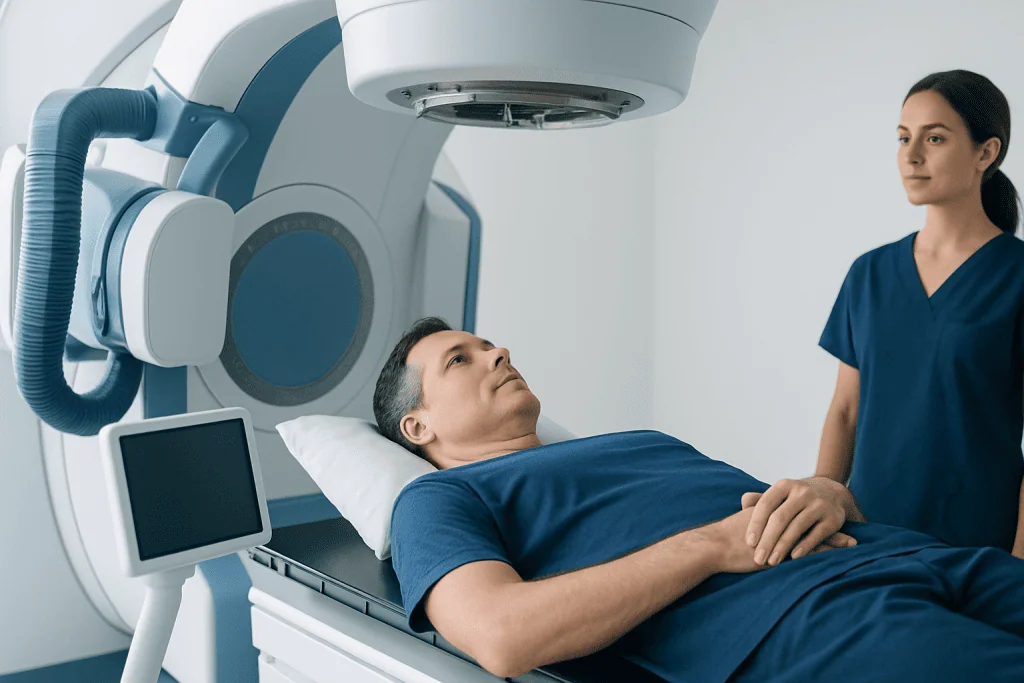
Radiation therapy uses high-energy beams to destroy cancer cells. It is one of the main alternatives to surgery for localized prostate cancer and may also be used after surgery or for symptom relief in advanced disease. External beam radiation therapy directs radiation from outside the body toward the prostate, while brachytherapy places radioactive sources inside or near the gland.
For some patients, radiation is used alone. For others, it is combined with hormone therapy to improve cancer control, especially in intermediate- or high-risk disease. Radiation can be a very effective treatment and may be a good option for people who are not ideal candidates for surgery due to age, other health conditions, or personal preference.
Side effects may include fatigue, urinary urgency, burning during urination, bowel irritation, loose stools, rectal discomfort, and sexual side effects. Some effects happen during treatment and improve afterward, while others may appear later. The care team discusses likely short- and long-term effects before treatment starts so patients know what to expect.
Other local or focused therapies may be considered in selected situations, especially as part of individualized care. The suitability of these approaches depends on tumor features and available expertise. Patients benefit from asking whether their cancer is best treated with surgery, radiation, or careful monitoring rather than assuming one approach fits all.
Hormone Therapy, Chemotherapy, and Advanced Treatments
Hormone therapy, also called androgen deprivation therapy, lowers the effect of male hormones that help prostate cancer grow. It does not usually cure localized prostate cancer on its own, but it is commonly used together with radiation in certain higher-risk cases or as a main treatment for recurrent or metastatic disease. Hormone therapy may be given through medicines or, less commonly, surgery to reduce testosterone production.
Possible side effects of hormone therapy include hot flashes, fatigue, loss of sexual desire, erectile dysfunction, mood changes, weight gain, muscle loss, and bone thinning over time. Because of these effects, doctors carefully weigh the expected benefits and monitor overall health during treatment. Patients may also be advised about exercise, nutrition, and bone health support.
Chemotherapy may be recommended when prostate cancer has spread or no longer responds well to hormone therapy alone. It works by attacking rapidly dividing cancer cells throughout the body. Other advanced options may include newer hormone-blocking medicines, immunotherapy in selected cases, or precision treatments based on the tumor’s molecular features.
When prostate cancer spreads to the bones or other organs, treatment still aims to control the disease, relieve symptoms, and maintain quality of life. Supportive care is an important part of this stage. Depending on the situation, a doctor may also assess for related issues such as urinary blockage or other urologic cancers when symptoms or imaging raise questions, although each condition is diagnosed and treated separately.
Side Effects, Recovery, and Self-Care
Different prostate cancer treatments can affect the body in different ways. Common areas of concern include urinary control, sexual function, bowel habits, energy levels, emotional well-being, and hormone-related changes. Not every patient experiences the same side effects, and many symptoms can improve with time, rehabilitation, or supportive treatment.
Recovery is often easier when patients know what to expect and seek help early. Pelvic floor exercises may support urinary control after surgery. Counseling, sexual health support, medications, and devices may help with erectile difficulties. For bowel irritation after radiation, dietary adjustments and symptom-relief strategies can be useful when guided by a clinician.
Healthy daily habits can also support treatment and recovery. These include regular physical activity as tolerated, a balanced diet, good sleep, avoiding smoking, and limiting alcohol if advised. Follow-up appointments are essential because they help doctors track PSA levels, watch for recurrence, and manage long-term effects.
Emotional support matters as much as physical care. Many patients feel better when they involve loved ones, ask questions, and discuss concerns openly with the care team. Near the end of the treatment journey, some international patients may choose evaluation at centers such as Acibadem International, where multidisciplinary specialists in JCI-accredited hospitals diagnose and treat prostate cancer with coordinated care.
When to See a Doctor
A doctor should be consulted for ongoing urinary symptoms, blood in the urine or semen, pelvic discomfort, unexplained bone pain, or a PSA result that needs further evaluation. These signs do not always mean prostate cancer, but they deserve proper assessment. Early evaluation can help clarify the cause and guide next steps.
Patients who already have a prostate cancer diagnosis should contact their care team if symptoms change, treatment side effects become difficult to manage, or new problems appear during follow-up. Prompt attention can improve comfort and may prevent complications. This is especially important after surgery, during radiation, or while receiving hormone therapy or chemotherapy.
It can also be helpful to seek a second opinion before starting treatment, particularly if there is uncertainty between active surveillance, surgery, and radiation. A second opinion may confirm the plan or offer another reasonable option. In prostate cancer care, informed choices are an important part of good treatment.
Frequently asked questions
What is the most common treatment for prostate cancer?
There is no single most common treatment for everyone because prostate cancer varies widely. Many patients with localized disease are treated with surgery or radiation, while some with low-risk cancer are managed with active surveillance.
Can prostate cancer be treated without surgery?
Yes. Many patients are treated successfully with radiation therapy, hormone therapy, active surveillance, or a combination of treatments depending on the stage and risk level. Surgery is one option, but it is not the only effective approach.
Is active surveillance the same as doing nothing?
No. Active surveillance is a structured medical plan that includes regular PSA tests, exams, imaging, and sometimes repeat biopsies. The goal is to monitor slow-growing cancer closely and begin treatment if signs of progression appear.
What are the main side effects of prostate cancer treatment?
Side effects depend on the treatment used. They may include urinary leakage, erectile dysfunction, bowel changes, fatigue, hot flashes, and emotional stress, but many of these problems can be managed with supportive care.
How do doctors decide between surgery and radiation?
Doctors consider the stage and grade of the cancer, PSA level, age, general health, anatomy, and the patient’s preferences. They also discuss expected cancer control, recovery time, and possible effects on urinary, bowel, and sexual function.
Can prostate cancer come back after treatment?
Yes, prostate cancer can return after surgery, radiation, or other therapies. Regular follow-up, especially PSA monitoring, helps doctors detect recurrence early and decide whether additional treatment is needed.
References
- World Health Organization
- National Cancer Institute
- American Cancer Society
- European Association of Urology
- National Comprehensive Cancer Network
This article is for general information only and is not a substitute for professional medical advice. Please consult a qualified doctor about your individual situation.
Prostate Cancer in Turkey — costs, top hospitals & a free quote
JCI-accredited · board-certified surgeons · reply within 24h
Add us as a Preferred Source to see more of our trusted health content across Google Search, AI Overviews and Discover.

More from the Health Library



Related Specialists

Assoc. Prof. Dr. Bertan Cengiz
Orthopedic Surgery & Traumatology
Prof. Dr. Hüseyin Bayram
Orthopedic Surgery & Traumatology
Prof. Dr. Neslihan Kurtulmuş
Endocrinology
Prof. Dr. Kaan Erler
Orthopedic Surgery & Traumatology