Prostate Cancer: Who Should Get Tested and Why

Prostate cancer testing usually refers to screening with a PSA blood test, sometimes together with a digital rectal exam. Not every man needs screening at the same age; those at higher risk may benefit from earlier discussion and testing.
Key Takeaways
- Prostate cancer testing usually refers to screening with a PSA blood test, sometimes together with a digital rectal exam.
- Not every man needs screening at the same age; those at higher risk may benefit from earlier discussion and testing.
- An abnormal screening result does not always mean cancer, and further tests may be needed to clarify the cause.
- Screening has benefits and limitations, so shared decision-making with a qualified doctor is important.
- Men with urinary symptoms, bone pain, or blood in urine should seek medical evaluation rather than relying on screening alone.
Prostate cancer testing can help detect cancer early, but it is not the same choice for every man. The best decision depends on age, family history, ethnicity, overall health, symptoms, and an informed discussion with a doctor.
Overview
Prostate cancer begins in the prostate, a small gland in the male reproductive system that helps produce seminal fluid. It is one of the most common cancers affecting men, especially with increasing age. Many prostate cancers grow slowly, but some can be more aggressive and need prompt treatment.
Prostate cancer testing often means screening before symptoms appear. The goal of screening is to find cancer at an earlier stage, when it may be easier to monitor or treat. The most widely used screening tool is the prostate-specific antigen, or PSA, blood test. In some cases, a digital rectal exam, also called a DRE, may also be part of the assessment.
Screening is different from diagnostic testing. Screening is offered to men who do not have symptoms but may be at average or increased risk. Diagnostic testing is done when a person has symptoms, an abnormal exam, or an unusual screening result. Understanding this difference helps men know when testing is likely to be helpful.
Who Should Consider Prostate Cancer Testing
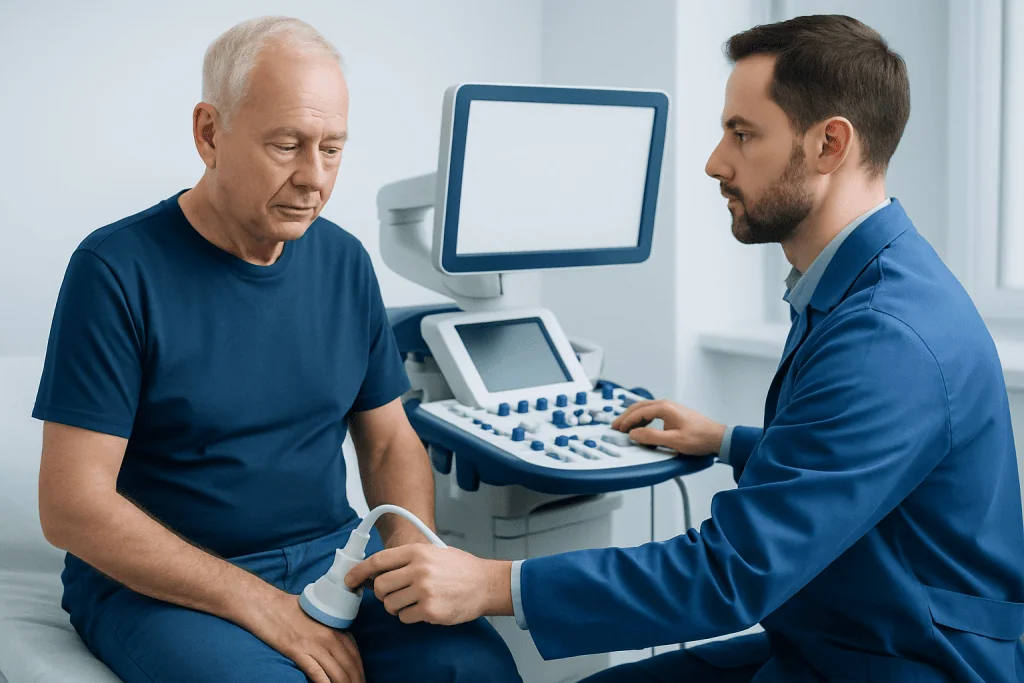
There is no single age that suits everyone. In general, men between about 50 and 69 are the group most often advised to discuss prostate cancer screening with their doctor. This discussion should consider personal values, expected benefits, possible harms, and overall health.
Some men may need to start this conversation earlier. Higher-risk groups include men with a first-degree relative, such as a father or brother, who had prostate cancer, especially if it was diagnosed at a younger age. Men of African or Afro-Caribbean ancestry may also have a higher risk of developing prostate cancer and may face a greater chance of more aggressive disease.
Men with a strong family history of prostate cancer or inherited cancer syndromes may also benefit from earlier assessment. If several close relatives have had prostate, breast, ovarian, pancreatic, or colorectal cancers, a doctor may consider whether hereditary risk is relevant. In these situations, screening decisions may need to be more individualized.
Testing is usually less helpful for men with limited life expectancy due to advanced age or serious illness, because very slow-growing prostate cancers may never cause problems during their lifetime. A doctor can help weigh whether screening is likely to offer meaningful benefit in that context.
Symptoms and Warning Signs

Early prostate cancer often causes no symptoms. That is one reason screening is discussed: some cancers are found before a man notices any change. However, the absence of symptoms does not always mean there is no problem, and the presence of symptoms does not automatically mean cancer.
Possible symptoms that should be medically evaluated include difficulty starting urination, a weak urine stream, frequent urination, especially at night, pain or burning when urinating, blood in the urine or semen, and a feeling that the bladder does not empty fully. These symptoms are common in non-cancerous conditions too, particularly benign prostate enlargement and infection.
More advanced disease can sometimes cause unexplained weight loss, fatigue, bone pain, or back pain. These symptoms can have many causes, but they should not be ignored. Men with concerning symptoms need a diagnostic medical assessment rather than relying on routine screening alone.
Symptoms may overlap with other prostate conditions, including prostate cancer and non-cancerous enlargement. Because symptoms are not specific, accurate testing is important to understand the cause and choose the right next step.
How Prostate Cancer Testing Is Done
The PSA blood test measures the level of prostate-specific antigen in the blood. PSA can rise for several reasons, including prostate cancer, benign enlargement of the prostate, inflammation, infection, recent ejaculation, or some medical procedures. A higher PSA level does not confirm cancer, but it may show that more evaluation is needed.
A digital rectal exam allows a doctor to feel part of the prostate through the rectum to check for firmness, nodules, or irregular shape. Although it is brief, some men find it uncomfortable or embarrassing. It can still provide useful information, especially when considered together with PSA results and the overall clinical picture.
If screening results are abnormal, the next steps may include repeating the PSA test, using additional blood or urine tests, or ordering imaging such as prostate MRI. MRI can help identify suspicious areas and may reduce unnecessary biopsy in some cases. In selected men, doctors may also estimate PSA density or look at how PSA changes over time.
If cancer remains a concern, the doctor may recommend a prostate biopsy. During a biopsy, small samples of prostate tissue are taken and examined under a microscope. Biopsy is the only way to confirm whether prostate cancer is present.
Benefits and Limitations of Screening
The main benefit of prostate cancer testing is the chance to find cancer earlier, before it spreads or causes symptoms. Early detection may improve treatment choices and may help reduce the risk of serious complications from advanced disease. For some men, screening offers reassurance when results are normal.
At the same time, screening has limitations. PSA is not a perfect test. Some men with prostate cancer have normal PSA levels, while others have raised PSA levels for reasons unrelated to cancer. This can lead to false reassurance in some cases and anxiety or extra testing in others.
Another concern is overdiagnosis. Some prostate cancers grow so slowly that they would never cause symptoms or shorten life. Finding these cancers can sometimes lead to overtreatment, including side effects such as urinary leakage, bowel problems, or sexual dysfunction. For this reason, screening decisions should be personalized rather than automatic.
Doctors often use shared decision-making to balance these issues. This means the man understands what screening can and cannot do, and chooses whether to proceed based on his risk factors, preferences, and health priorities.
What Happens If a Test Is Abnormal
An abnormal PSA or DRE does not mean a man definitely has cancer. Doctors usually review possible temporary causes of a high PSA, such as infection, inflammation, recent ejaculation, cycling, urinary retention, or recent urinary procedures. In some cases, the PSA test may be repeated after a suitable interval.
If concern remains, further evaluation may include MRI, specialized blood or urine tests, and biopsy. If a biopsy confirms cancer, the pathology report helps determine how aggressive it appears. Doctors then combine this information with PSA levels and imaging findings to assign a risk category and discuss management options.
Not every confirmed prostate cancer needs immediate treatment. Some low-risk cancers may be managed with active surveillance, which means careful monitoring with repeated PSA tests, exams, imaging, and sometimes repeat biopsy. This approach aims to avoid or delay treatment side effects while still keeping the cancer under close observation.
When treatment is needed, options may include robotic prostatectomy, radiation therapy, hormone therapy, or combinations of these. The most suitable plan depends on the stage of cancer, the man’s age and health, and his preferences after discussion with a specialist team.
Risk Reduction and Self-care
There is no guaranteed way to prevent prostate cancer, but healthy habits support overall well-being and may help lower the risk of many chronic diseases. A balanced diet rich in vegetables, fruit, whole grains, and lean protein is a sensible foundation. Limiting processed foods and maintaining a healthy body weight are also reasonable goals.
Regular physical activity is beneficial for general health, cardiovascular fitness, and weight management. Avoiding tobacco and limiting alcohol intake are also important health measures. While these steps do not replace screening or medical care, they support long-term health and recovery from illness if treatment is ever needed.
Men who choose screening should keep follow-up appointments and discuss any new urinary, sexual, or pain symptoms promptly. Those with a strong family history may wish to ask whether genetic counseling is appropriate. Clear communication with a doctor can help make testing and follow-up more accurate and less stressful.
When to See a Doctor
A man should speak with a doctor if he is in the age range where screening may be considered, especially if he has a family history of prostate cancer or belongs to a higher-risk ethnic group. It is also wise to ask about testing if there is concern about inherited cancer risk or uncertainty about the pros and cons of screening.
Medical attention is important if urinary symptoms develop, especially blood in the urine, difficulty urinating, persistent pelvic discomfort, or new bone pain. These symptoms can be caused by many conditions, but they need proper assessment. Prompt evaluation helps identify whether the cause is infection, benign enlargement, or cancer.
If a man has already had a PSA test and the result is abnormal, he should follow up with a qualified clinician rather than assume the worst or ignore the finding. Further testing can often clarify the reason. Near the end of the care pathway, men seeking international care may wish to know that Acibadem International’s multidisciplinary specialists and JCI-accredited hospitals diagnose and treat prostate conditions for international patients.
Frequently asked questions
What is prostate cancer testing?
Prostate cancer testing usually means screening with a PSA blood test, sometimes along with a digital rectal exam. It is designed to look for possible signs of cancer before symptoms appear. If the result is abnormal, more tests may be needed to confirm the cause.
At what age should a man talk to his doctor about prostate cancer screening?
Many men begin this discussion around ages 50 to 69. Men at higher risk, such as those with a close family history or African ancestry, may need to start earlier. The right timing depends on personal risk and overall health.
Does a high PSA always mean prostate cancer?
No. PSA can rise because of benign prostate enlargement, inflammation, infection, or other non-cancerous reasons. A high PSA result means further medical evaluation may be needed, not that cancer is certain.
If there are no symptoms, is testing still useful?
It can be, because early prostate cancer often causes no symptoms. Screening may detect cancer before it causes problems. However, it also has drawbacks, so the decision should be made after discussing benefits and risks with a doctor.
What happens after an abnormal screening result?
A doctor may repeat the PSA test, perform a physical exam, arrange imaging such as MRI, or recommend a biopsy. The exact next step depends on the PSA level, exam findings, symptoms, and medical history. Many abnormal results turn out to have non-cancerous explanations.
Can prostate cancer be found but not treated right away?
Yes. Some low-risk prostate cancers are managed with active surveillance instead of immediate treatment. This involves regular monitoring so that treatment can begin if the cancer shows signs of progression.
References
- World Health Organization
- American Cancer Society
- National Cancer Institute
- European Association of Urology
- U.S. Preventive Services Task Force
This article is for general information only and is not a substitute for professional medical advice. Please consult a qualified doctor about your individual situation.
Prostate Cancer in Turkey — costs, top hospitals & a free quote
JCI-accredited · board-certified surgeons · reply within 24h
Add us as a Preferred Source to see more of our trusted health content across Google Search, AI Overviews and Discover.