Prostate Massage Medical 33314: A Complete Medical Overview

Prostate massage is different from a digital rectal examination and is not part of routine prostate screening. Evidence does not support prostate massage as a standard treatment for most urinary or pelvic symptoms.
Key Takeaways
- Prostate massage is different from a digital rectal examination and is not part of routine prostate screening.
- Evidence does not support prostate massage as a standard treatment for most urinary or pelvic symptoms.
- It may occasionally be used by a trained clinician to obtain prostatic fluid for diagnostic testing.
- Prostate massage should be avoided when acute prostatitis, significant rectal disease, bleeding risk, or severe pain is suspected.
- Persistent urinary symptoms, pelvic pain, fever, or blood in urine or semen should be assessed by a qualified healthcare professional.
Prostate massage is a technique involving pressure on the prostate through the rectum, but it is not a routine treatment for prostate symptoms. A clinician should first identify the cause of urinary, pelvic, or sexual symptoms, as conditions such as infection, benign prostate enlargement, and chronic pelvic pain require different care.
What Does Prostate Massage Medical 33314 Mean?
The phrase “prostate massage medical 33314” commonly reflects a search for medically supervised prostate care in a particular area. Prostate massage describes gentle pressure applied to the prostate gland through the rectal wall. In modern clinical practice, it is not a standard wellness service or routine treatment for prostate symptoms.
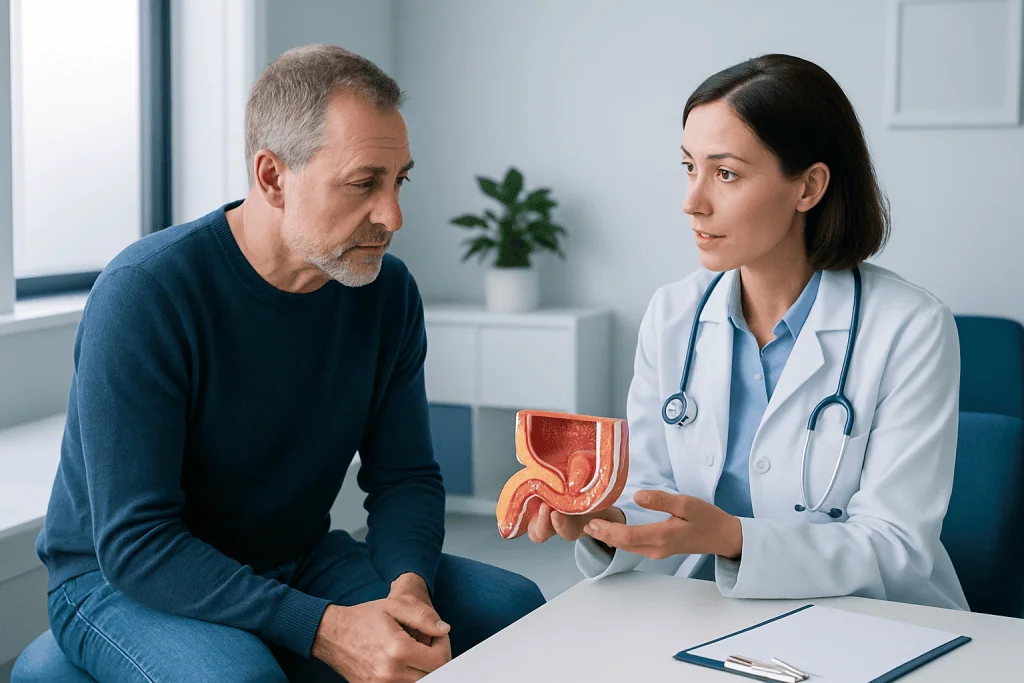
The prostate is a walnut-sized gland below the bladder that contributes fluid to semen and surrounds part of the urethra. Because prostate and pelvic symptoms can have many causes, a medical assessment is more useful than trying prostate massage independently. A clinician can determine whether symptoms may relate to infection, benign enlargement, pelvic-floor muscle dysfunction, bladder conditions, or another concern.
Prostate Massage Compared With a Prostate Examination
Prostate massage should not be confused with a digital rectal examination, often called a DRE. During a DRE, a clinician briefly feels the prostate through the rectum to assess its size, shape, tenderness, and texture. This examination can be one part of evaluating urinary symptoms or prostate concerns, although it is not used alone to diagnose prostate cancer.
Prostate massage involves more sustained, directed pressure intended to express prostatic fluid into the urethra. In selected circumstances, a clinician may collect this fluid for laboratory analysis when evaluating possible chronic bacterial prostatitis. However, this approach is used less often than urine testing and other modern diagnostic methods, and it should only be performed when clinically appropriate.
Why a Clinician May Consider It
Historically, prostate massage was used more broadly for presumed prostate congestion or inflammation. Current evidence does not support it as a routine treatment for urinary frequency, erectile difficulties, prostate enlargement, or nonspecific pelvic discomfort. It is also not a proven way to prevent prostate cancer or improve long-term prostate health.
In limited situations, a urologist may consider prostatic fluid collection as part of an evaluation for recurrent or persistent symptoms that suggest chronic bacterial prostatitis. Symptoms can include pelvic or perineal discomfort, painful urination, burning, painful ejaculation, or recurrent urinary infections. The decision depends on the person’s symptoms, examination findings, previous test results, and overall health.
- Possible clinical purpose: obtaining a specimen for culture or microscopy in selected cases.
- Not a standard purpose: treating benign prostate enlargement or screening for cancer.
- Not a substitute: for urine testing, imaging, sexual health testing, or a urology consultation when needed.
Symptoms That Need a Proper Prostate Assessment
Urinary and pelvic symptoms are common, but they should not automatically be attributed to the prostate. Benign prostatic enlargement may cause a weak stream, hesitancy, straining, frequent urination, or waking at night to urinate. Inflammation, infection, bladder disorders, sexually transmitted infections, stones, and pelvic-floor tension can cause overlapping symptoms.
Chronic prostatitis/chronic pelvic pain syndrome is one possible explanation for pelvic discomfort lasting three months or longer. It may involve pain between the scrotum and anus, lower abdominal discomfort, pain with ejaculation, urinary symptoms, or changes in quality of life. Many cases are not caused by an active bacterial infection, so assessment helps avoid unnecessary or ineffective treatments.
Safety, Limitations, and Who Should Avoid It
Prostate massage can cause temporary discomfort and may irritate the prostate, urethra, or rectum. It should not be performed when acute bacterial prostatitis is possible. Acute prostatitis can cause fever, chills, severe pelvic pain, burning urination, difficulty passing urine, and general illness. Manipulating an acutely infected prostate may worsen pain and could potentially contribute to the spread of infection.
A clinician may also advise against it for people with significant rectal bleeding, painful hemorrhoids, anal fissures, recent rectal surgery, certain bleeding disorders, or use of medicines that increase bleeding risk. Any procedure involving the rectum should be performed hygienically and with informed consent. Self-treatment or forceful manipulation is not recommended, particularly when the diagnosis is uncertain.
How Prostate Symptoms Are Diagnosed and Treated
A healthcare professional usually begins with a symptom review, medical history, medication review, and physical examination. Depending on the concern, testing may include urinalysis, urine culture, kidney function tests, sexual health testing, prostate-specific antigen testing when appropriate, ultrasound, or assessment of bladder emptying. PSA results must be interpreted carefully because several non-cancerous factors can affect the level.
Treatment is based on the underlying cause. Confirmed bacterial infections may require targeted antibiotics, while benign prostate enlargement may be managed with lifestyle measures, medication, or procedures when symptoms are significant. Chronic pelvic pain may improve with a tailored plan that can include pain management, pelvic-floor physiotherapy, stress support, and treatment of urinary symptoms. There is no single treatment that suits everyone.
For people seeking coordinated assessment, Acibadem International’s multidisciplinary specialists and JCI-accredited hospitals diagnose and treat prostate and urinary conditions for international patients.
When to Seek Medical Care
Prompt medical care is important for fever with urinary symptoms, chills, severe pelvic or lower back pain, inability to pass urine, or feeling acutely unwell. These symptoms can indicate an infection or urinary blockage that needs urgent assessment. Visible blood in urine, unexplained blood in semen, or new testicular swelling should also be discussed with a clinician.
A non-urgent appointment is appropriate for urinary changes that persist for more than a few weeks, recurring pelvic discomfort, pain during ejaculation, repeated urinary tract infections, or concerns about sexual function. A primary care doctor or urologist can help clarify the cause and discuss safe, evidence-based options. People should avoid assuming that prostate massage will address these symptoms without an examination.
Frequently asked questions
Is prostate massage a standard medical treatment?
No. Prostate massage is not a standard treatment for most prostate, urinary, or sexual symptoms. In selected cases, a trained clinician may use it to collect prostatic fluid for testing, but its role is limited.
Can prostate massage treat an enlarged prostate?
There is no reliable evidence that prostate massage treats benign prostate enlargement or reverses urinary obstruction. Symptoms such as weak stream or frequent urination should be evaluated because effective treatments depend on the cause and severity.
Is prostate massage safe to do at home?
Self-performed prostate massage is not recommended as treatment for symptoms. It may cause pain, irritation, bleeding, or worsen an unrecognized infection, especially if performed forcefully or when acute prostatitis is present.
Can prostate massage spread prostate cancer?
There is no evidence that prostate massage causes prostate cancer to spread. However, prostate massage is not used to diagnose or treat cancer, and new prostate symptoms should be evaluated with appropriate testing rather than manipulation.
What is the difference between prostatitis and benign prostate enlargement?
Prostatitis refers to inflammation of the prostate and may be caused by infection or chronic pelvic pain mechanisms. Benign prostate enlargement is a non-cancerous increase in prostate size that becomes more common with age and may affect urine flow.
When is pain in the prostate area an emergency?
Urgent assessment is needed if pelvic pain occurs with fever, chills, inability to urinate, vomiting, or severe illness. These symptoms may indicate acute infection or urinary retention and should not be managed with prostate massage.
References
- American Urological Association
- European Association of Urology
- National Institute of Diabetes and Digestive and Kidney Diseases
- National Health Service
- Mayo Clinic
This article is for general information only and is not a substitute for professional medical advice. Please consult a qualified doctor about your individual situation.
Explore treatments in Turkey — costs, top hospitals & a free quote
JCI-accredited · board-certified surgeons · reply within 24h
Add us as a Preferred Source to see more of our trusted health content across Google Search, AI Overviews and Discover.