Protein in Urine During Pregnancy Explained: Causes, Management, and When to See a Doctor

Small or isolated amounts of protein in urine may be temporary, but persistent proteinuria needs evaluation. Protein in urine during pregnancy is closely watched because it can be linked to preeclampsia, especially after 20 weeks.
Key Takeaways
- Small or isolated amounts of protein in urine may be temporary, but persistent proteinuria needs evaluation.
- Protein in urine during pregnancy is closely watched because it can be linked to preeclampsia, especially after 20 weeks.
- Doctors usually confirm the finding with repeat urine testing, blood pressure checks, and sometimes blood tests.
- Treatment depends on the cause and may range from monitoring to managing blood pressure, infection, or kidney problems.
- Urgent symptoms such as severe headache, vision changes, swelling, or upper abdominal pain need prompt medical attention.
Protein in urine during pregnancy means more protein than expected is passing into the urine. It can happen temporarily, but it may also point to conditions such as preeclampsia, kidney disease, or a urinary tract infection, so medical assessment is important.
Overview: what protein in urine during pregnancy means
Protein in urine during pregnancy, also called proteinuria, means that a urine test has found more protein than is normally expected. During pregnancy, the kidneys work harder to filter the blood while keeping useful substances, including protein, in the body. When protein appears in the urine, it may be a temporary finding, but it can also suggest that the kidneys are under stress or that another pregnancy-related condition needs attention.
This finding does not always mean something serious is wrong. A single urine sample can be affected by dehydration, exercise, stress, a concentrated urine specimen, or contamination from vaginal discharge. Even so, protein in the urine should not be ignored in pregnancy because it can be an early clue to conditions that need monitoring or treatment.
One of the main reasons clinicians pay close attention to proteinuria in pregnancy is its possible link with preeclampsia, a condition involving high blood pressure and signs that organs may be affected. Protein in the urine can also occur with pre-existing kidney disease, diabetes, chronic hypertension, or a urinary tract infection. The meaning often depends on when it appears in pregnancy, how much protein is present, and whether other symptoms are also present.
Symptoms and associated warning signs
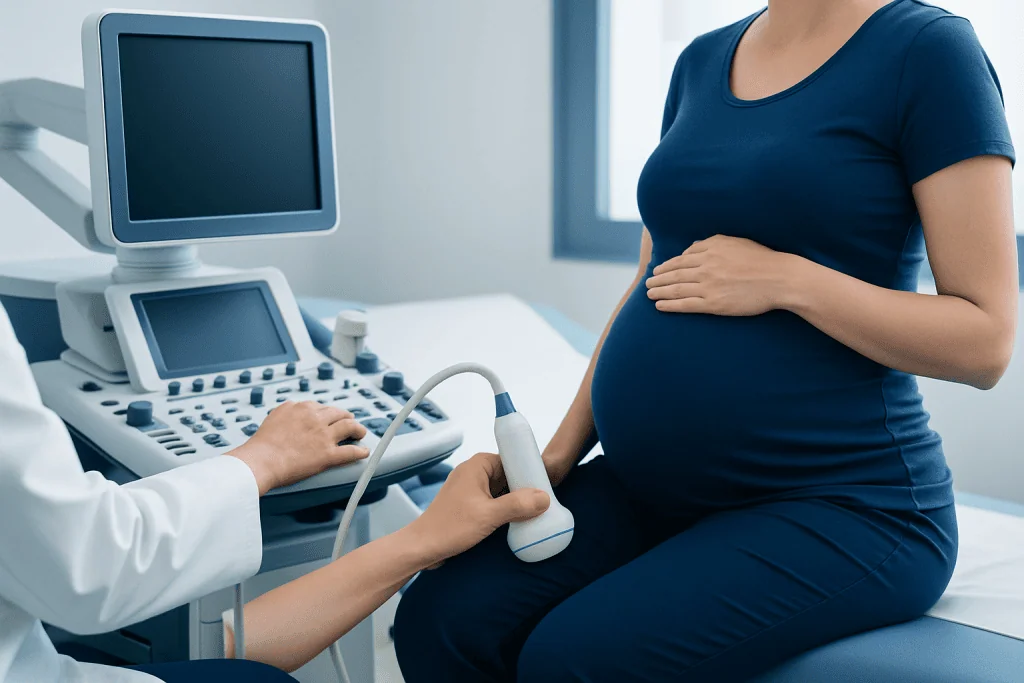
Protein in the urine itself usually does not cause noticeable symptoms. In most cases, it is first found during a routine prenatal urine test. That is why regular prenatal visits are important, even when a pregnant person feels well.
Symptoms may come from the condition causing the proteinuria rather than from the protein itself. For example, protein in urine associated with preeclampsia may occur alongside high blood pressure, persistent headaches, visual disturbances, sudden swelling of the face or hands, pain in the upper abdomen, nausea, or shortness of breath. Some people may also notice that they are passing less urine than usual.
If a urinary tract infection is involved, there may be burning with urination, frequent urination, pelvic discomfort, fever, or cloudy urine. If an underlying kidney problem is present, swelling, fatigue, or changes in urine appearance may develop. Because these symptoms can overlap with normal pregnancy changes, they should be discussed with a healthcare professional rather than self-diagnosed.
- Often no symptoms at all
- Headache or vision changes may suggest a blood pressure-related cause
- Burning or fever may suggest infection
- Swelling, reduced urine output, or upper abdominal pain need prompt assessment
Causes and risk factors
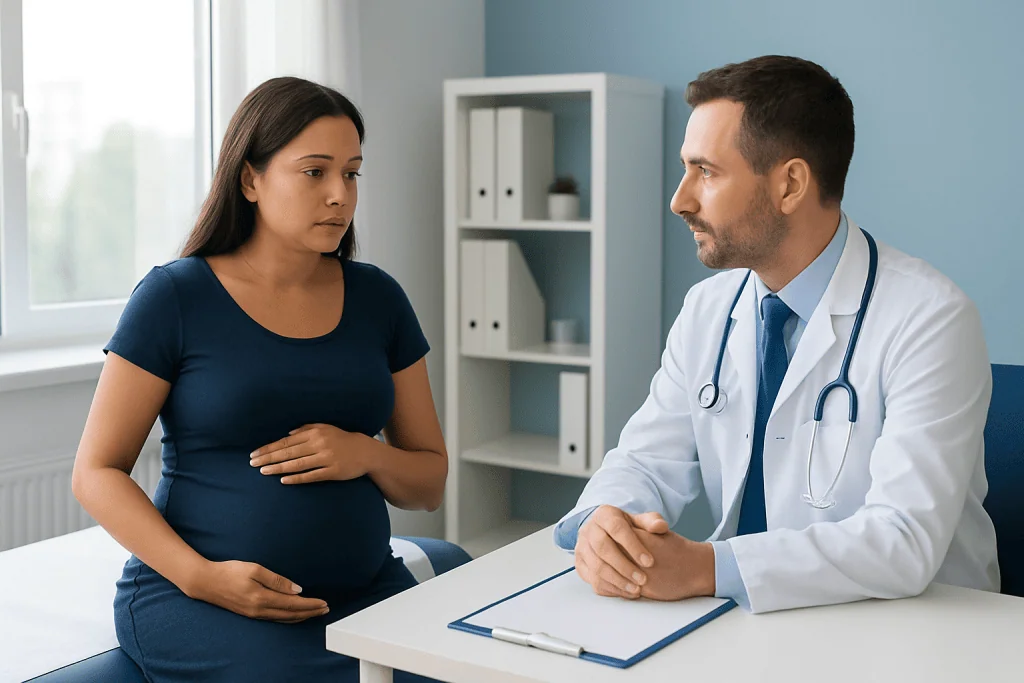
The causes of protein in urine during pregnancy can be grouped into temporary, pregnancy-related, and pre-existing medical causes. Temporary causes include dehydration, fever, recent strenuous activity, or a single inaccurate sample. These may resolve without ongoing concern, but repeat testing is often used to make sure the result does not persist.
Pregnancy-related causes include preeclampsia, which usually develops after 20 weeks of pregnancy, and less commonly other hypertensive disorders. In preeclampsia, changes in blood vessels can affect the kidneys, allowing protein to leak into the urine. This is why blood pressure is always interpreted alongside urine findings. Some patients may need specialist monitoring, and related concerns may overlap with broader high-risk pregnancy care.
Proteinuria may also be linked to urinary tract infections, which are relatively common in pregnancy and should be treated promptly to help prevent kidney infection. Pre-existing conditions such as chronic kidney disease, lupus, diabetes, and chronic hypertension can raise the chance of protein appearing in the urine. In some cases, proteinuria present before 20 weeks suggests a kidney condition that existed before pregnancy, even if it had not yet been diagnosed.
Risk factors that may increase the chance of clinically significant proteinuria include a history of preeclampsia, multiple pregnancy, obesity, chronic high blood pressure, diabetes, kidney disease, autoimmune disease, and first pregnancy. Age can also influence risk, but an individual assessment is more useful than any single factor alone.
How doctors diagnose and assess it
When protein in urine during pregnancy is suspected, diagnosis begins with a careful review of symptoms, blood pressure, and medical history. A routine dipstick urine test may detect protein, but this test is a screening tool rather than a final diagnosis. If the result is positive, a clinician often repeats the test or orders a more accurate urine measurement.
Common follow-up tests include a urine protein-to-creatinine ratio or a 24-hour urine collection to measure how much protein is being lost. The doctor may also order blood tests to check kidney function, liver function, platelet count, and other markers that can help identify preeclampsia or another medical problem. If infection is suspected, a urine culture may be needed.
Blood pressure measurement is especially important because proteinuria has a different meaning when it occurs together with hypertension. Fetal well-being may also be assessed through ultrasound, growth monitoring, or other obstetric checks, especially if preeclampsia is a concern. In some situations, care may involve nephrology and maternal-fetal medicine specialists working together.
Evaluation is individualized. The amount of protein, the stage of pregnancy, and whether symptoms are worsening all help determine whether the situation calls for simple observation, closer surveillance, or hospital-based care.
Treatment and management options
Treatment for protein in urine during pregnancy depends on the underlying cause. If repeat testing shows only a small, temporary increase without high blood pressure or other abnormal findings, the main approach may be observation, hydration advice, and follow-up prenatal visits. The goal is to make sure the protein does not increase and that blood pressure remains normal.
If a urinary tract infection is found, treatment usually involves pregnancy-safe antibiotics selected by a clinician. When blood pressure is elevated or preeclampsia is suspected, management may include more frequent monitoring, blood pressure control, blood tests, and assessment of the baby’s growth and well-being. Some patients may need hospital observation if symptoms are significant or test results are concerning.
Where pre-existing kidney disease or other medical conditions are involved, treatment focuses on balancing maternal health and fetal safety throughout the pregnancy. This may include coordinated care with specialists and careful review of medications. In some situations, supportive hospital care and close monitoring are central, while in severe cases delivery may become the safest treatment for mother and baby, depending on gestational age and overall status.
Supportive care can also be important. Depending on the cause, clinicians may recommend regular blood pressure checks, lifestyle guidance, or management through pregnancy follow-up and delivery services. If kidney evaluation is needed, some patients may also benefit from a broader review through check-up pathways that help assess related conditions.
Prevention and self-care during pregnancy
Not all causes of protein in urine during pregnancy can be prevented, especially those related to preeclampsia or pre-existing medical conditions. However, good prenatal care can help detect problems early and support timely treatment. Keeping all scheduled antenatal appointments is one of the most practical and effective steps.
Self-care measures include staying well hydrated, following a balanced diet, taking prescribed prenatal medicines or supplements as directed, and monitoring symptoms between appointments. If a doctor has advised home blood pressure checks, these should be done consistently and recorded accurately. It is also helpful to report any rapid swelling, headaches, or visual changes rather than waiting for the next routine visit.
People with kidney disease, chronic hypertension, diabetes, or a history of preeclampsia may benefit from pre-pregnancy counseling or early specialist involvement. General health support, including management of blood pressure and blood sugar, can reduce complications. Any supplements, herbal products, or over-the-counter medicines should be discussed with a doctor because some may affect the kidneys or blood pressure.
- Attend regular prenatal appointments
- Stay hydrated and avoid self-medicating
- Follow advice on blood pressure monitoring if prescribed
- Seek medical review promptly for new or worsening symptoms
When to seek medical care
Medical advice should be sought any time a prenatal urine test shows protein, even if there are no symptoms. A clinician can decide whether the finding is temporary or whether further testing is needed. This is especially important if the result appears after 20 weeks of pregnancy or if blood pressure is raised.
Prompt medical care is important for severe headache, blurred vision, flashing lights, sudden swelling of the face or hands, chest discomfort, shortness of breath, severe upper abdominal pain, reduced fetal movements, or fever and pain with urination. These symptoms do not always mean a serious complication is present, but they should be checked without delay.
If proteinuria is linked to high blood pressure or suspected preeclampsia, close specialist follow-up can help reduce risks and guide safe timing of delivery. For patients needing further evaluation or coordinated care, Acibadem International’s multidisciplinary specialists and JCI-accredited hospitals provide diagnosis and treatment for international patients, including obstetric assessment and gynecology and obstetrics services when appropriate.
Frequently asked questions
Is protein in urine during pregnancy always a sign of preeclampsia?
No. Protein in urine during pregnancy can happen for several reasons, including dehydration, a urinary tract infection, or pre-existing kidney disease. However, because it can also be a sign of preeclampsia, it should always be assessed by a healthcare professional.
Can a small amount of protein in urine be normal in pregnancy?
A trace amount on a single urine dipstick may not always mean a serious problem. Sometimes the sample is concentrated or affected by temporary factors. Persistent or increasing protein usually needs repeat testing and medical review.
How is protein in urine during pregnancy confirmed?
Doctors often start with a dipstick test, but they usually confirm the result with more accurate urine testing. This may include a protein-to-creatinine ratio or a 24-hour urine collection, along with blood pressure checks and blood tests.
What week of pregnancy is protein in urine most concerning?
Protein in the urine can matter at any stage, but it is especially concerning after 20 weeks if it appears with high blood pressure or symptoms such as headache or vision changes. Earlier in pregnancy, it may suggest an infection or a kidney condition that was already present before pregnancy.
Can protein in urine harm the baby?
Protein itself is usually a marker of an underlying problem rather than the direct cause of harm. The effect on the baby depends on the cause, such as infection, kidney disease, or preeclampsia. Early diagnosis and monitoring are important to support both maternal and fetal health.
What should a pregnant person do after a positive urine protein test?
They should follow up with their prenatal care team and not assume the result is harmless or severe on its own. The next steps may include repeat urine testing, blood pressure monitoring, and checking for symptoms. Urgent symptoms should be reported right away.
References
- American College of Obstetricians and Gynecologists
- National Institute for Health and Care Excellence
- Centers for Disease Control and Prevention
- National Institute of Diabetes and Digestive and Kidney Diseases
- World Health Organization
This article is for general information only and is not a substitute for professional medical advice. Please consult a qualified doctor about your individual situation.
Explore treatments in Turkey — costs, top hospitals & a free quote
JCI-accredited · board-certified surgeons · reply within 24h
Add us as a Preferred Source to see more of our trusted health content across Google Search, AI Overviews and Discover.
Check your numbers in seconds
BMI, calories, due date, blood pressure and 30+ more clinical calculators — free, instant, doctor-reviewed ranges.

More from the Health Library



Related Specialists

Fzt. Yaren Yıldız
Physical Medicine & Rehabilitation
Dr. Abdullah Boğa
General Surgery
Dr. Ayça Özgen
Cardiovascular Surgery
Assoc. Prof. Dr. Emre Tokuç
Urology