Protein Supplements During Pregnancy: Safety and Choices

Most pregnant people can meet protein needs through meals and snacks rather than powders or shakes. Pregnancy protein needs rise gradually, with a general recommended intake of about 1.1 grams per kilogram of body weight per day.
Key Takeaways
- Most pregnant people can meet protein needs through meals and snacks rather than powders or shakes.
- Pregnancy protein needs rise gradually, with a general recommended intake of about 1.1 grams per kilogram of body weight per day.
- Protein powders vary widely in ingredients and quality; some contain added caffeine, herbs, high amounts of vitamins or contaminants that may not be appropriate in pregnancy.
- A supplement may be considered when food intake is limited, weight gain is inadequate or a clinician identifies increased nutritional needs.
- Protein supplements do not replace prenatal vitamins, regular meals or medical care for persistent nausea, vomiting or poor weight gain.
Protein supplements are not routinely necessary during pregnancy when a person can eat a varied diet and meet their nutritional needs through food. They may be useful in selected situations, but the product, ingredients, total intake and individual health needs should be reviewed with an obstetric clinician or registered dietitian.
Overview: Are Protein Supplements Safe During Pregnancy?
Protein supplements and pregnancy can be compatible in some circumstances, but supplements are not automatically needed or safer than food. For most people with an uncomplicated pregnancy who can eat a balanced diet, protein from foods such as eggs, dairy products, fish low in mercury, poultry, beans, lentils, tofu, nuts and whole grains is usually sufficient. A protein powder or ready-to-drink shake may be considered when it helps close a genuine nutritional gap and has been reviewed by a maternity care professional.
Pregnancy increases the need for protein because the body is supporting growth of the fetus, placenta, maternal tissues and blood volume. However, more protein is not always better. Very high-protein products may add unnecessary calories, sugar, stimulants, fat-soluble vitamins or botanical ingredients, while some products have not been independently tested for contaminants. The safest choice depends on the person’s diet, medical history, stage of pregnancy and the complete ingredient label.
Before starting a protein supplement, it is sensible for a pregnant person to discuss it with their obstetrician, midwife or registered dietitian. This is especially important if they have kidney disease, diabetes, food allergies, multiple pregnancy, significant nausea and vomiting, poor appetite, difficulty gaining weight or a history of an eating disorder.
How Much Protein Is Needed in Pregnancy?
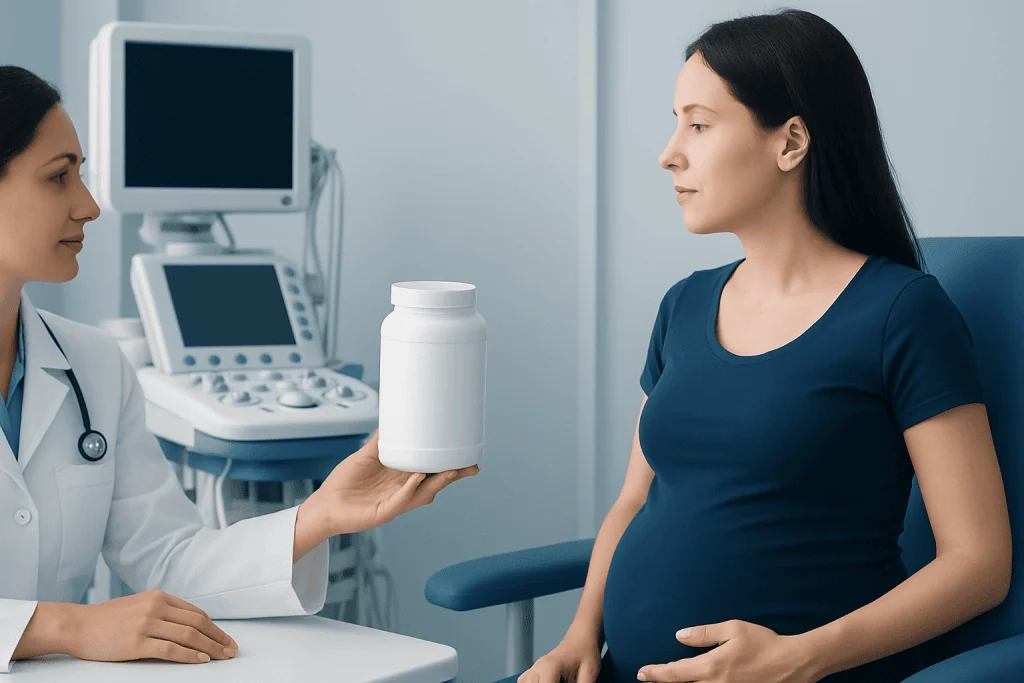
A commonly used recommendation during pregnancy is approximately 1.1 grams of protein per kilogram of body weight each day. This is higher than the general adult recommendation, although individual needs can differ. A clinician or dietitian may tailor advice based on pre-pregnancy weight, activity level, trimester, nutritional status, multiple pregnancy and health conditions.
Protein needs do not have to be met in one large meal or through a shake. Spreading protein-containing foods across meals and snacks may be more comfortable, particularly when nausea, reflux or early fullness is present. For example, yoghurt with fruit, an egg with toast, lentil soup, cheese and crackers, hummus, tofu, fish or lean meat can contribute meaningful amounts of protein along with other nutrients needed in pregnancy.
A prenatal vitamin remains important because protein products do not reliably provide folic acid, iron, iodine, vitamin D and other nutrients recommended during pregnancy. Conversely, a protein product should not be treated as a substitute for a prenatal vitamin unless a qualified clinician has specifically advised otherwise. Nutrition planning should consider the whole diet rather than protein alone.
When a Protein Supplement May Be Helpful
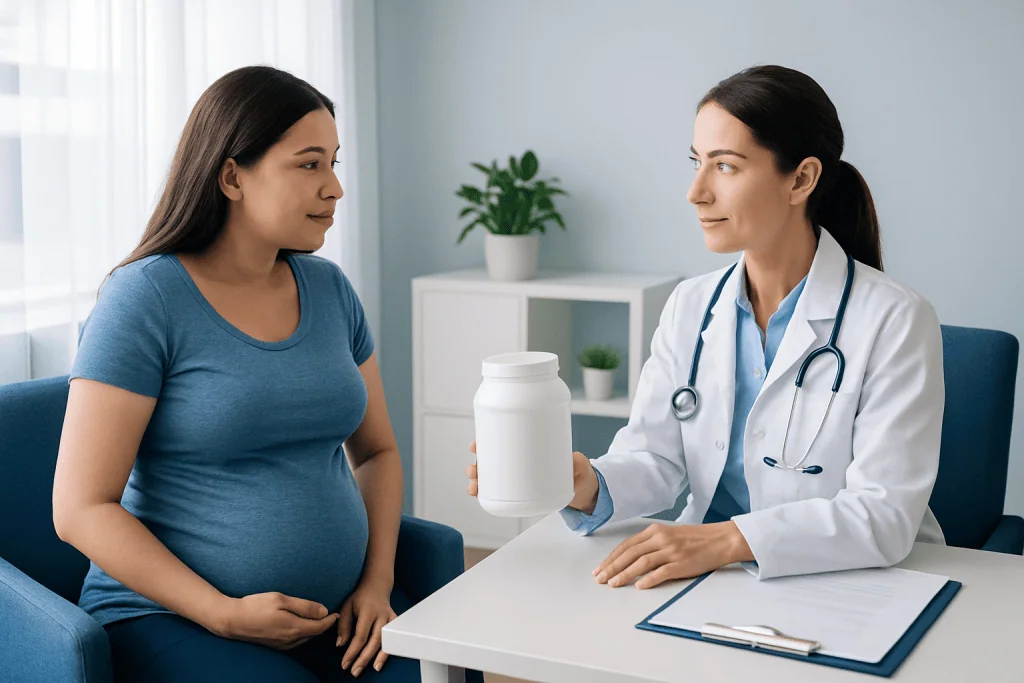
A protein supplement may be useful when ordinary foods are temporarily difficult to manage or when dietary intake is insufficient. Examples include persistent food aversions, reduced appetite, recovery from an illness, a restrictive diet that is not meeting nutritional requirements, or practical barriers to preparing regular meals. In these situations, a simple supplement can sometimes be an addition to meals and snacks rather than a replacement for them.
People following vegetarian or vegan diets can have healthy pregnancies, but they may benefit from individualized nutrition guidance. Plant foods such as beans, chickpeas, lentils, soy foods, peas, nuts, seeds and whole grains can provide protein. A soy, pea or blended plant-protein powder may be an option if needed, provided it is suitable for the person’s allergies and does not contain concerning additives. Attention should also be given to vitamin B12, iron, iodine, calcium, vitamin D, choline and omega-3 fats.
Some people require closer monitoring because low intake or inadequate weight gain may signal a health issue rather than simply a need for more protein. A clinician may assess dietary intake, weight trends, symptoms and, when appropriate, blood tests. If nausea and vomiting make it difficult to keep food or fluids down, prompt assessment is more appropriate than relying solely on nutritional shakes.
Choosing a Protein Powder or Ready-to-Drink Shake
If a maternity clinician recommends or agrees with using a supplement, choosing a product with a short, understandable ingredient list is usually practical. A plain protein powder without herbal blends, weight-loss ingredients, stimulants or excessive added vitamins is generally easier to assess. Whey, casein, soy and pea protein are common sources; the best option depends on dietary preferences, lactose tolerance, allergies and the overall nutritional plan.
It is important to read the full label, not only the front-of-package claims. Some powders marketed for fitness contain caffeine, green tea extract, guarana, creatine, concentrated amino acids, “fat burner” blends, medicinal herbs or high doses of vitamins and minerals. These ingredients may be inappropriate in pregnancy or may interact with medicines. Products designed for bodybuilding or rapid weight change are not designed specifically for pregnancy nutrition.
Independent quality testing can provide an additional layer of reassurance, because dietary supplements may vary in purity and label accuracy. Still, third-party testing does not prove that every ingredient is appropriate during pregnancy. A person should bring a photo of the ingredients and nutrition panel to their prenatal appointment before using a new product, particularly if it contains multiple added ingredients.
- Choose pasteurized, commercially prepared products where possible.
- Check for allergens, including milk, soy, egg, peanut or tree-nut ingredients.
- Consider added sugar, as some shakes contain amounts comparable to sweetened drinks.
- Avoid products making claims about detoxification, muscle building, appetite suppression or weight loss.
Potential Concerns and Who Needs Extra Caution
The main concern with protein supplements is often not the protein itself, but what comes with it. Some products contain large amounts of sugar, sodium or calories, which may not suit every pregnancy. Others include botanical extracts, concentrated nutrients or stimulants with limited safety information. Unregulated or poorly sourced products may also carry a risk of contamination with substances not listed on the label.
People with diabetes, including gestational diabetes, should review the carbohydrate and sugar content of shakes with their healthcare team. A sweetened drink can raise blood glucose levels, while a lower-sugar option may fit more easily into a personalized meal plan. Those with kidney disease, liver disease or metabolic conditions should not increase protein intake without medical advice, as nutritional targets may need to be adjusted.
Food safety also matters. Raw eggs, unpasteurized milk or homemade shakes made with unpasteurized ingredients can increase the risk of foodborne illness in pregnancy. Powders themselves are not sterile, so they should be stored correctly, used before their expiry date and prepared with clean hands and equipment. If a product causes hives, wheezing, swelling, severe stomach symptoms or other signs of an allergic reaction, it should be stopped and urgent medical advice sought.
Using Supplements Alongside a Balanced Pregnancy Diet
When used, a protein supplement is best viewed as a convenient food addition. It can be blended with pasteurized milk or a fortified dairy alternative, yoghurt, fruit or oats if these ingredients suit the person’s nutritional plan. Pairing protein with fibre-rich carbohydrates and healthy fats can improve fullness and provide a wider range of nutrients than protein alone.
Whole foods provide benefits that isolated protein cannot fully replace. Fish low in mercury provides protein as well as iodine and omega-3 fats; dairy foods can contribute calcium and iodine; beans and lentils offer fibre and folate; and meat, poultry and fortified foods may support iron and vitamin B12 intake. Variety is therefore valuable even for people who use a supplement regularly.
It is also helpful to avoid using a supplement to deliberately restrict weight gain. Healthy weight gain recommendations are individualized and should be discussed during prenatal care. If eating is difficult because of nausea, reflux, constipation or food aversions, a clinician can suggest safe symptom management and practical dietary changes. Acibadem International’s multidisciplinary specialists and JCI-accredited hospitals can support nutritional assessment and pregnancy care for international patients when this is needed.
When to Seek Medical Care
A pregnant person should contact their obstetrician, midwife or doctor if they cannot keep fluids down, are vomiting frequently, have signs of dehydration, are losing weight, or are unable to eat enough for more than a short period. These symptoms may need medical assessment and treatment; a protein shake alone may not address the underlying cause.
Medical advice is also important if there is poor or unexpectedly rapid weight change, concerns about fetal growth, new swelling, persistent abdominal pain, severe weakness, symptoms of low blood sugar, or difficulty controlling blood glucose. People with pre-existing kidney disease, diabetes, liver disease or gastrointestinal disorders should ask their care team about a safe protein target before using supplements.
Urgent medical care is needed for symptoms of a severe allergic reaction, such as trouble breathing, swelling of the lips or tongue, widespread hives or faintness. For all other questions about a particular product, the safest next step is to show the exact label to a qualified prenatal healthcare professional rather than relying on marketing claims or online reviews.
Frequently asked questions
Can protein powder be taken during pregnancy?
Protein powder may be used during pregnancy when it is needed to support adequate dietary intake and a clinician agrees it is appropriate. Most people do not need it if they can meet protein needs through food. The full ingredient list should be checked for added caffeine, herbs, high-dose nutrients and other unnecessary additives.
Which protein powder is safest during pregnancy?
There is no single best protein powder for every pregnant person. A simple, pasteurized commercial product with a short ingredient list and without stimulants, herbal blends or weight-loss ingredients is generally easier to evaluate. The choice should also account for allergies, lactose tolerance, diabetes and dietary preferences.
How much protein should a pregnant person have each day?
A general recommendation is about 1.1 grams of protein per kilogram of body weight per day during pregnancy. Individual needs may be higher or lower depending on health, pre-pregnancy weight, dietary intake and whether more than one baby is being carried. A registered dietitian or prenatal clinician can provide personal guidance.
Can protein shakes replace meals during pregnancy?
Protein shakes should not routinely replace balanced meals because they may not provide enough fibre, essential fats, vitamins and minerals. They can be useful as an occasional snack or temporary addition when appetite is low. Persistent difficulty eating meals should be discussed with a healthcare professional.
Are whey and plant protein safe in pregnancy?
Whey and plant proteins such as soy or pea can both be suitable options if the product is appropriate and the person does not have an allergy or other contraindication. Safety depends more on the complete formula, preparation and individual health needs than on the protein source alone. Plant-based eaters may need additional advice about nutrients such as vitamin B12, iron and iodine.
Should a person use protein supplements for pregnancy nausea?
A bland, simple shake may sometimes be easier to tolerate than solid food during mild nausea, but it does not treat significant pregnancy sickness. A person should contact their maternity care team if vomiting is frequent, fluids cannot be kept down, urination is reduced, or weight loss occurs. Safe medical treatment may be needed to prevent dehydration and nutritional problems.
References
- American College of Obstetricians and Gynecologists
- National Institutes of Health Office of Dietary Supplements
- Academy of Nutrition and Dietetics
- World Health Organization
- U.S. Food and Drug Administration
This article is for general information only and is not a substitute for professional medical advice. Please consult a qualified doctor about your individual situation.
Explore treatments in Turkey — costs, top hospitals & a free quote
JCI-accredited · board-certified surgeons · reply within 24h
Add us as a Preferred Source to see more of our trusted health content across Google Search, AI Overviews and Discover.

More from the Health Library



Related Specialists

Dr. Nihan Akça Gür
Otorhinolaryngology
Assoc. Prof. Dr. Mehmet Fatih Karakaş
Cardiology
Fzt. Çağlar Dal
Physical Medicine & Rehabilitation
Dr. Mehmet Severcan
Aesthetic Plastic & Reconstructive Surgery