Proton Therapy for Sarcoma: How It Works, Results and What to Expect
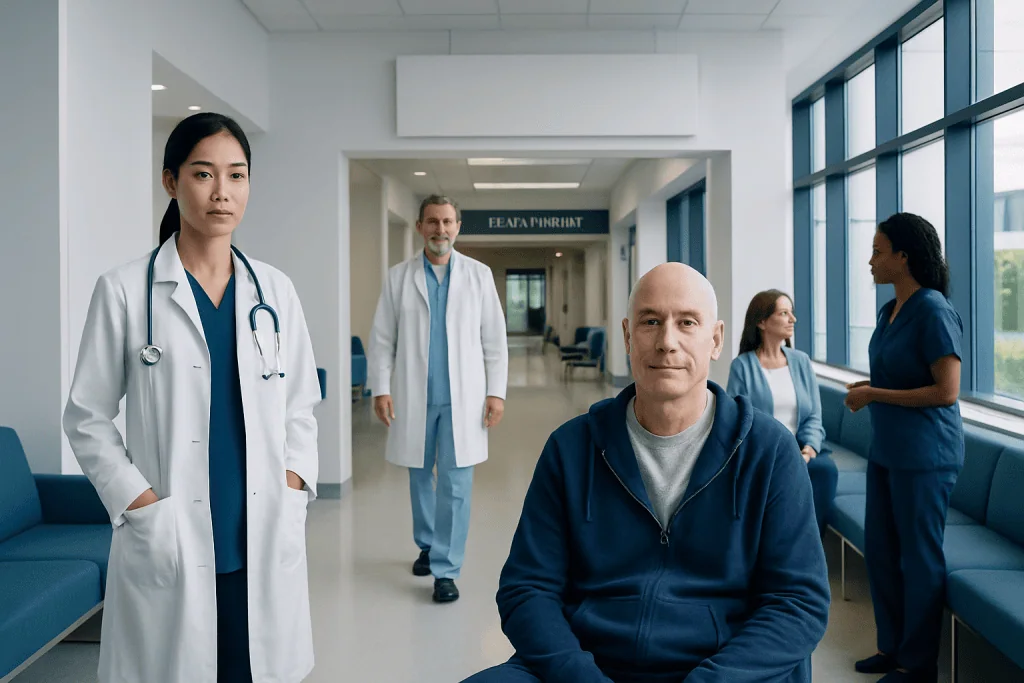
Proton therapy delivers most of its radiation dose at a planned depth, which may help protect nearby healthy tissue. It is not appropriate for every sarcoma; suitability depends on tumor type, location, size, stage, prior treatment and treatment goals.
Key Takeaways
- Proton therapy delivers most of its radiation dose at a planned depth, which may help protect nearby healthy tissue.
- It is not appropriate for every sarcoma; suitability depends on tumor type, location, size, stage, prior treatment and treatment goals.
- Treatment itself is painless and usually given as outpatient sessions over several weeks.
- Side effects vary mainly by the body area treated and may develop during treatment or later.
- Tumor response is assessed with follow-up examinations and imaging, often over months rather than immediately after treatment.
Proton therapy for sarcoma is an advanced form of radiation therapy that uses protons to target a tumor while potentially reducing radiation exposure beyond it. It may be considered for selected sarcomas, especially when the tumor is close to sensitive organs or has returned after previous treatment.
Overview: proton therapy for sarcoma
Proton therapy for sarcoma is a type of external-beam radiation treatment that uses positively charged particles called protons rather than X-rays. Sarcoma is a diverse group of cancers arising in bone, muscle, fat, blood vessels, nerves and other connective tissues. Because these tumors may occur near important structures, radiation planning must carefully balance tumor control with protection of normal tissue.
A key physical feature of protons is that they release most of their energy at a selected depth and then stop. This is called the Bragg peak. In carefully chosen cases, it can reduce radiation dose beyond the tumor compared with conventional photon radiation. The potential advantage is particularly relevant for tumors near the spinal cord, brain, eye, heart, lungs, bowel, kidneys or reproductive organs.
Proton therapy is one part of sarcoma care, not a replacement for expert evaluation. Depending on the sarcoma subtype and situation, treatment may also include surgery, chemotherapy, targeted medicines, immunotherapy or conventional radiation. A multidisciplinary sarcoma team reviews pathology, imaging and the individual’s overall health to recommend the most appropriate plan.
How proton therapy works and who may be a candidate
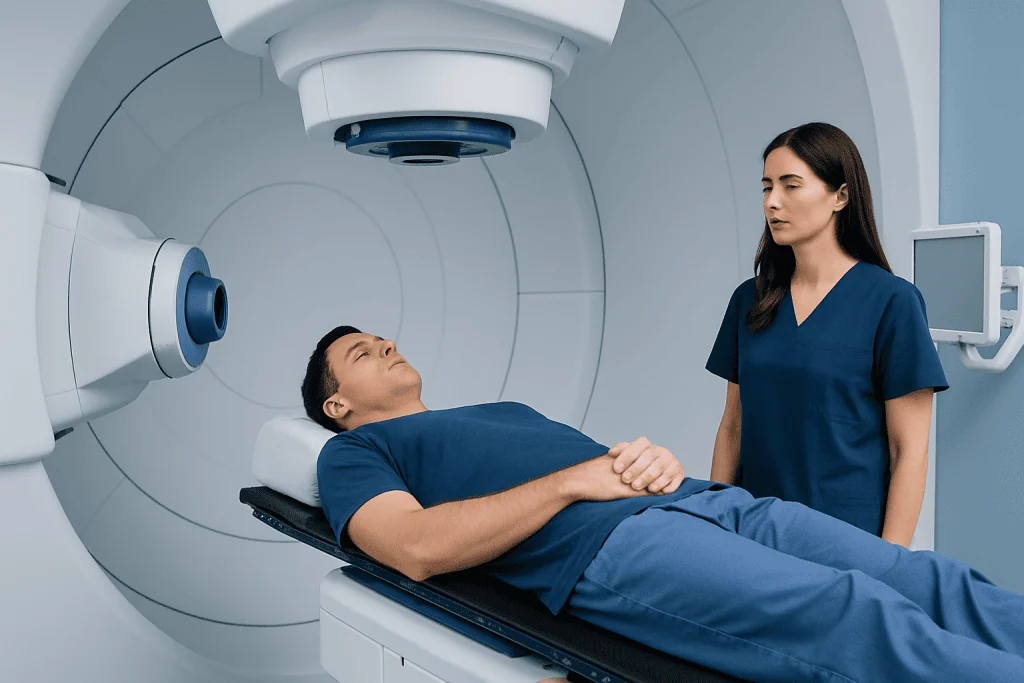
Before treatment, a radiation oncologist and medical physics team create a detailed plan. Imaging scans define the visible tumor and areas at risk for microscopic disease, while also outlining nearby organs that should receive as little radiation as practical. Computer software then calculates proton beam angles, energy and dose distribution for each session.
Potential candidates include people with sarcomas in anatomically complex locations, such as the skull base, spine, pelvis, chest or abdomen. It may also be considered for some children and young adults, in whom reducing radiation exposure to developing tissues can be especially important. Proton therapy can be used before surgery, after surgery, as definitive treatment when surgery is not feasible, or in selected cases of recurrent disease.
Not every person with sarcoma benefits more from protons than from modern photon radiation techniques. The expected benefit depends on whether a proton plan meaningfully lowers dose to organs at risk without compromising coverage of the tumor. Previous radiation, surgical plans, tumor movement with breathing, access to treatment and the person’s ability to attend repeated sessions are also considered.
Biopsy review by an experienced sarcoma pathologist is important because sarcoma subtypes behave differently. The care team may also discuss related diagnoses, including bone cancer, when a tumor originates in bone and requires specialized local treatment planning.
What happens during proton therapy for sarcoma?
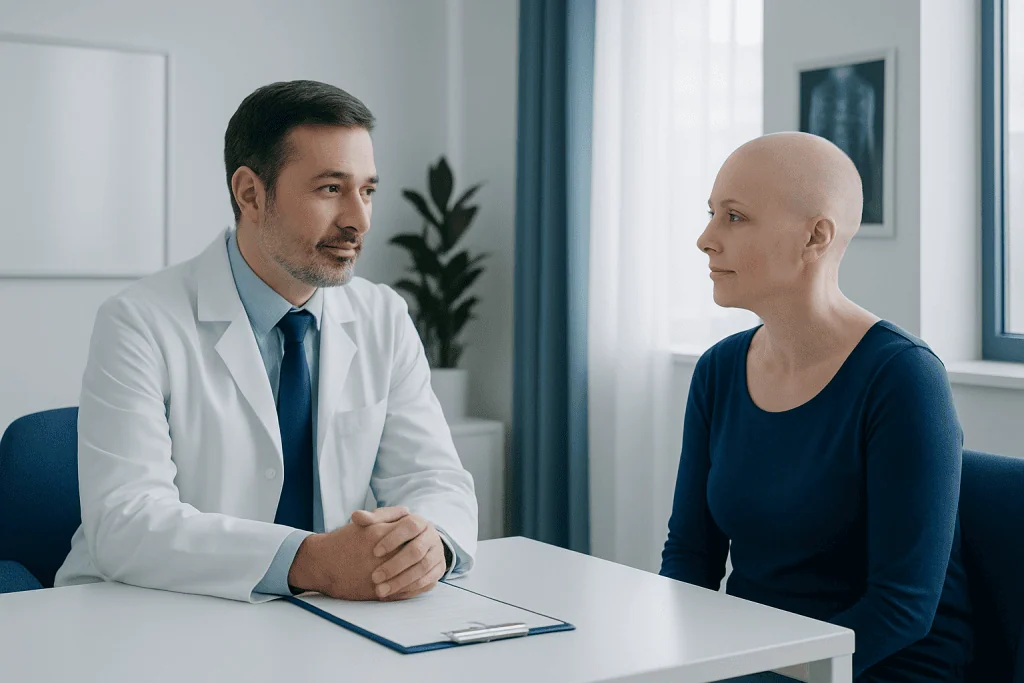
The process begins with a planning appointment, often called simulation. The patient has a CT scan in the treatment position, sometimes together with MRI or PET imaging to better define the tumor. Custom supports, such as a body mold, cushion or mask for head and neck treatment, help reproduce the same position each day. Small skin marks or image-guidance reference points may be used.
After planning is complete, treatment is usually delivered on weekdays over a number of weeks. The exact number of sessions depends on the sarcoma type, location, whether surgery has been performed and the intended total dose. Each visit may take 30 to 60 minutes, although the actual beam delivery is often shorter. Staff position the patient and use imaging to confirm alignment before radiation is delivered.
The patient lies still on a treatment table while the machine moves around or is positioned beside the body. Proton treatment does not make a person radioactive, and family members can safely be around them afterward. Sedation is uncommon in adults but may be needed for young children or for people who cannot remain still because of age, anxiety or discomfort.
Some tumors shift with breathing or changes in bowel filling. In these situations, the team may use breath-hold methods, motion monitoring, repeat imaging or adaptive planning. These safeguards support accurate delivery as anatomy changes during the treatment course.
Benefits, limitations and potential risks
The main potential benefit of proton therapy is reduced radiation dose to healthy tissue beyond the tumor. This may lower the likelihood of certain short- and long-term side effects, depending on the treatment site. It can be valuable when adequate tumor treatment with photons would expose critical organs to higher doses than desired.
However, proton therapy has limitations. Protons are sensitive to changes in tissue density and body position, so treatment requires careful imaging, quality assurance and monitoring. A plan that is technically favorable does not guarantee better cancer control or fewer side effects for every individual. Access may be limited, and treatment can require travel or time away from home.
Side effects result from radiation affecting tissues in or near the treatment area. Common early effects can include fatigue, temporary skin redness or tenderness, hair loss within the treated field, and site-specific symptoms such as nausea, swallowing discomfort, diarrhea or urinary irritation. Many early effects improve in the weeks after treatment, but the timing differs between individuals.
Late effects are less common but can be significant, particularly after higher doses or treatment near sensitive structures. They may include stiffness, swelling, fracture risk in treated bone, nerve injury, bowel or bladder changes, fertility effects, hormone changes or a small long-term risk of another cancer caused by radiation. The radiation oncologist explains the risks most relevant to the planned treatment area and discusses measures to reduce them.
What is the downside of proton therapy?
The principal downside of proton therapy is that its theoretical dose-sparing advantage is not equally meaningful for all sarcomas. If a tumor is located where surrounding organs can already be protected well with advanced photon radiation, protons may not offer a major clinical advantage. The best option should be based on a direct comparison of treatment plans rather than on the radiation technology alone.
Proton treatment also requires highly precise setup because small changes in body position, weight, breathing or internal anatomy can affect where the beam stops. This may mean additional imaging and occasional plan adjustments during the treatment course. Like all radiation therapy, it can cause short-term and late side effects, and it cannot eliminate all risks to nearby tissue.
Practical considerations may include limited availability, travel demands and the need for daily appointments. For some people, surgery, systemic treatment, conventional radiation or a combination of approaches may be more suitable. A sarcoma-focused multidisciplinary review helps place proton therapy in the context of all appropriate options.
What is the success rate of proton therapy?
There is no single success rate for proton therapy for sarcoma. Outcomes vary widely according to sarcoma subtype, grade, size, location, whether the cancer has spread, whether it can be removed surgically, prior treatment and the goal of radiation. For example, treatment aimed at curing a localized tumor is evaluated differently from treatment intended to control symptoms from advanced disease.
Published studies suggest proton therapy can achieve strong local tumor control in selected difficult-to-treat sarcomas, particularly when its dose distribution allows adequate treatment while protecting nearby critical structures. However, many studies involve relatively small groups of patients and different sarcoma types, so direct comparisons with modern photon radiation are not always possible.
The care team should discuss individualized expectations using the pathology report, imaging findings and whether the tumor is newly diagnosed or recurrent. Local control means keeping cancer from growing at the treated site; it is different from overall survival, which is also influenced by whether disease is present elsewhere in the body.
What happens to the tumor after proton therapy?
After proton therapy, tumor cells are damaged by radiation and may gradually lose the ability to divide. The visible tumor does not always disappear quickly. Some sarcomas shrink slowly over several months, while others remain similar in size but become inactive or scar-like on imaging. In some locations, inflammation and healing changes can temporarily make scans difficult to interpret.
Follow-up generally includes regular visits with the sarcoma team and imaging tailored to the tumor site, such as MRI, CT, PET/CT or chest imaging. The first scan after radiation provides an early reference point, but several follow-up assessments may be needed to understand whether the tumor is responding, stable or progressing.
If radiation was given before surgery, the surgical specimen can provide additional information about treatment effect. If treatment was definitive, without surgery, imaging and symptoms guide ongoing decisions. New or worsening symptoms should be reported rather than waiting for the next scheduled scan.
How painful is proton therapy? Recovery and when to seek medical care
Proton therapy itself is not painful. The patient does not feel the proton beam entering the body, and there are no needles or incisions during routine daily sessions. Some people find it uncomfortable to remain still in the treatment position, particularly if they already have pain from the tumor or surgery; the team can help with positioning supports and symptom management.
Recovery is gradual and depends on the treated body area. Fatigue may build over the course of treatment and can persist for several weeks afterward. Skin reactions often peak near the end of treatment or shortly after it finishes, then improve with gentle skin care and the advice of the radiation team. The care team may recommend activity adjustments, nutrition support, rehabilitation or medications for specific symptoms.
Medical care should be sought promptly for severe or rapidly worsening pain, fever, new weakness or numbness, trouble breathing, uncontrolled vomiting, inability to drink fluids, new bowel or bladder problems, heavy bleeding, or marked swelling. Patients should also contact their oncology team about any new symptom that is persistent, concerning or interfering with daily activities.
Acibadem International’s multidisciplinary specialists and JCI-accredited hospitals support international patients requiring coordinated sarcoma assessment and radiation care. Where appropriate, the team can discuss proton therapy alongside surgery, medical oncology and rehabilitation planning.
Frequently asked questions
Is proton therapy better than conventional radiation for sarcoma?
Proton therapy may be preferable when it can substantially reduce radiation exposure to nearby healthy organs while still treating the full target area. It is not automatically better for every sarcoma, because modern photon radiation can also be highly precise. A radiation oncologist can compare plans and explain the likely benefit for the individual tumor.
Can proton therapy be used before sarcoma surgery?
Yes. In selected cases, radiation may be given before surgery to help control disease around the tumor and reduce the chance of local recurrence. The timing depends on sarcoma subtype, location, surgical approach and the person’s overall treatment plan.
How long does proton therapy for sarcoma take?
Planning commonly takes days to a few weeks because detailed imaging and quality checks are required. Treatment is often delivered Monday through Friday over several weeks, although the schedule varies by diagnosis and treatment purpose. Each appointment includes setup and imaging, while beam delivery itself is usually brief.
Will proton therapy make a patient radioactive?
No. External proton therapy does not leave radiation in the body. After each session, a patient can safely be near family, friends and children.
Can sarcoma return after proton therapy?
Yes. Radiation lowers the risk of cancer returning in the treated area but cannot remove that risk completely. Sarcoma may also recur elsewhere in the body depending on its biology and stage, which is why ongoing follow-up is important.
What follow-up is needed after proton therapy?
Follow-up usually includes examinations and scheduled scans to monitor the treated tumor, identify side effects and check for recurrence. The schedule is individualized based on the sarcoma type, location and whether surgery or systemic treatment was also used. Patients should report new or worsening symptoms between appointments.
References
- National Cancer Institute
- American Cancer Society
- American Society for Radiation Oncology
- National Comprehensive Cancer Network
- International Commission on Radiation Units and Measurements
This article is for general information only and is not a substitute for professional medical advice. Please consult a qualified doctor about your individual situation.
Oncology care in Turkey — second opinion and treatment plan
JCI-accredited · board-certified surgeons · reply within 24h
Add us as a Preferred Source to see more of our trusted health content across Google Search, AI Overviews and Discover.

More from the Health Library

Related Specialists

Prof. Dr. Andaç Salman
Dermatology
Dr. Mahmut Esat Danişoğlu
Urology
Dr. Serkan Selvi
Internal Medicine
Embriyolog Hasan Benli
Vitro Fertilization and Reproductive Medicine Center