Prp Injection: A Complete Medical Overview
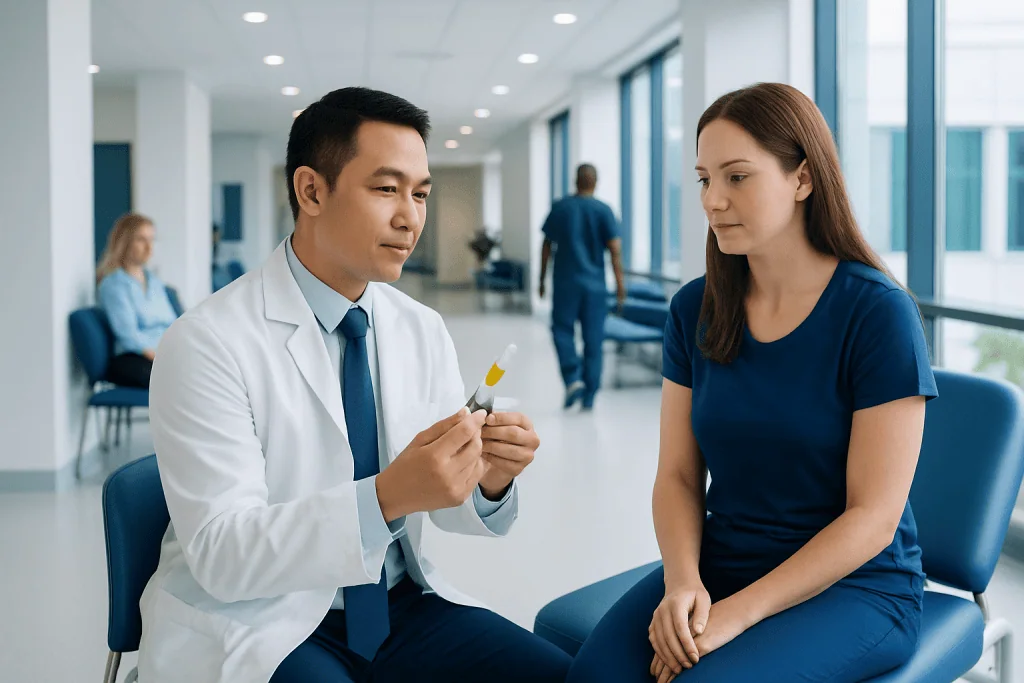
PRP injection involves drawing blood, concentrating platelets, and injecting them into a targeted area. It is most often used for some tendon, joint, muscle, scalp, and skin concerns, but results vary by condition.
Key Takeaways
- PRP injection involves drawing blood, concentrating platelets, and injecting them into a targeted area.
- It is most often used for some tendon, joint, muscle, scalp, and skin concerns, but results vary by condition.
- Because PRP comes from the patient’s own blood, allergic reactions are uncommon, though pain, swelling, and bruising can occur.
- PRP works best when the diagnosis is clear and the treatment is part of a broader care plan, such as rehabilitation or dermatologic care.
- A specialist should assess whether PRP is appropriate, especially if symptoms are severe, persistent, or linked to another medical problem.
A PRP injection uses platelet-rich plasma made from a person’s own blood and is used in selected musculoskeletal, skin, and hair-related conditions to support tissue healing. It is not a cure-all, but it can be a useful option for carefully chosen patients when evaluated and performed by qualified clinicians.
Overview: What a PRP Injection Is
A PRP injection is a medical treatment that uses platelet-rich plasma, a concentrated portion of a person’s own blood that contains platelets and growth factors involved in tissue repair. After a blood sample is taken, it is processed to separate and concentrate the platelets, and the prepared plasma is then injected into a specific area such as a tendon, joint, scalp, or skin.
The goal of PRP is to support the body’s natural healing response. It is commonly discussed in sports medicine, orthopedics, dermatology, and aesthetic medicine, but it is not a one-size-fits-all solution. Whether it may help depends on the exact diagnosis, the severity of the problem, the treatment method used, and the patient’s overall health.
PRP is different from steroid injections or hyaluronic acid injections because it does not add a medication made in a laboratory. Instead, it uses components from the patient’s own blood. This is one reason PRP appeals to some patients, although “natural” does not automatically mean effective for every condition.
In practice, PRP is usually considered when symptoms have not improved enough with standard conservative care, or when a specialist believes tissue healing support may be helpful. A careful medical evaluation is important because treatment decisions should be based on evidence for the specific condition rather than on broad claims about PRP alone.
Common Uses and What PRP May Help
PRP injection is used for several different health concerns, but the strength of evidence is not the same in every area. In musculoskeletal medicine, it may be used for certain chronic tendon problems, overuse injuries, mild to moderate joint symptoms, and some muscle or ligament conditions. Examples can include tendon irritation around the elbow, Achilles tendon, or shoulder, as well as selected knee complaints related to knee osteoarthritis.
In dermatology and hair care, PRP may be offered to support hair growth in some patients with pattern hair loss and to improve aspects of skin quality. It is sometimes used as part of a broader approach rather than as a stand-alone answer. For example, a clinician may discuss PRP alongside other options for hair loss if the pattern of thinning and scalp health suggest it could be appropriate.
Some doctors also use PRP in recovery plans after selected procedures or injuries, but this should be individualized. PRP is not generally the first treatment for every sprain, tear, or cosmetic concern, and it does not replace standard care such as physical therapy, load management, exercise, or evidence-based skin and scalp treatments.
Patients often ask whether PRP “works.” The most accurate answer is that it may help some people with some conditions, but the response is variable. Good outcomes are more likely when the diagnosis is specific, the injection is well targeted, and expectations are realistic.
How the Procedure Is Done

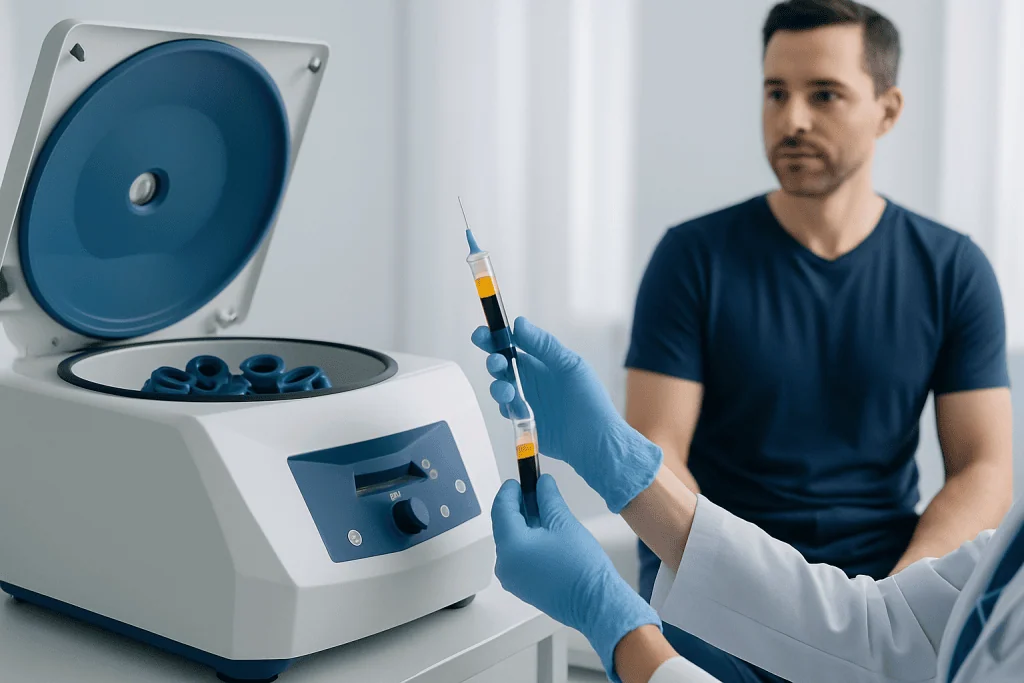
The process usually begins with a consultation and examination to confirm the diagnosis and decide whether PRP is a reasonable option. If the treatment is planned, a blood sample is taken from a vein, much like a routine blood draw. The sample is then placed in a centrifuge, a machine that separates the blood into different components so the platelet-rich portion can be collected.
Once prepared, the PRP is injected into the treatment area. Depending on the location, the clinician may use imaging guidance, such as ultrasound, to improve accuracy. This is especially helpful for tendons, joints, and deeper soft tissues, where precise placement can matter.
The visit is usually done as an outpatient procedure. Some people feel pressure or discomfort during the injection, and mild soreness afterward is common for a few days. The doctor may advise temporary activity modification, ice, or a gradual return to normal movement based on the body part treated.
Aftercare instructions vary. In musculoskeletal cases, PRP is often combined with a structured rehabilitation plan, which may include physical therapy and rehabilitation to support strength, mobility, and tissue recovery. In scalp or skin use, follow-up sessions and supportive care may also be discussed depending on the treatment goals.
Benefits, Limits, and What Affects Results
The main potential benefit of PRP injection is that it may support repair processes in tissue that has been slow to heal. Because the plasma comes from the patient’s own blood, the risk of immune reaction is low compared with treatments that contain donor tissue or synthetic ingredients. For some people, PRP can be a useful option when they want to explore non-surgical treatment before considering more invasive procedures.
However, PRP has clear limits. It does not reverse every disease process, and it cannot reliably repair severe structural damage. For example, a complete tendon rupture or advanced joint degeneration may need a different approach. A specialist might discuss PRP only after clarifying whether there is significant tissue damage, instability, or another diagnosis that needs a different treatment pathway, including orthopedic surgery in selected cases.
Results can be influenced by many factors, including the condition being treated, how long symptoms have been present, the exact PRP preparation method, whether imaging guidance is used, and the patient’s age, activity level, and general health. Smoking, uncontrolled diabetes, certain medications, or ongoing repetitive strain may also affect healing.
It is also important to know that research on PRP is still evolving. Different clinics may use different preparation systems and treatment schedules, which makes comparisons difficult. A balanced discussion with a qualified doctor should include both the possible benefits and the uncertainty around expected results for that specific diagnosis.
Risks, Side Effects, and Who May Not Be a Good Candidate
PRP injection is generally considered a low-risk procedure when performed in an appropriate medical setting, but it is not risk-free. Common short-term side effects include pain at the injection site, swelling, bruising, stiffness, and temporary worsening of symptoms before improvement begins. These effects are usually mild and settle within days.
Less common risks include infection, bleeding, nerve irritation, or injury to surrounding tissues from the injection itself. Because PRP uses a patient’s own blood, allergic reactions are uncommon, but the procedure still requires sterile technique and proper clinical assessment. Patients should tell their doctor about blood disorders, anticoagulant use, recent illness, or skin infection near the planned injection site.
Some people may not be suitable candidates. PRP may be avoided or postponed in patients with certain platelet disorders, active infection, uncontrolled chronic illness, severe anemia, or cancer-related issues that require a different treatment plan. In other cases, a doctor may recommend addressing the underlying problem first rather than moving directly to PRP.
PRP should also not be viewed as a substitute for diagnosis. Persistent joint pain, tendon pain, or scalp shedding can sometimes reflect other medical conditions that need direct treatment. In joint-related cases, the evaluation may include imaging and a broader plan for knee replacement or other therapies if the problem is advanced rather than early-stage.
Diagnosis and How Doctors Decide If PRP Is Appropriate
A careful diagnosis is the most important step before any PRP injection. Doctors begin by asking about symptoms, timing, previous treatments, injuries, activity level, and overall medical history. The physical examination helps identify the likely source of pain or tissue change and can also reveal signs that a different diagnosis is more likely.
Imaging tests may be used when needed. Ultrasound can help assess tendons, ligaments, muscles, and some soft tissue problems in real time. X-rays may be useful for joint-related symptoms, while MRI can help define certain injuries in greater detail. In hair or skin concerns, scalp examination, dermoscopy, or laboratory assessment may be appropriate to rule out nutritional, hormonal, or inflammatory causes.
Doctors generally consider PRP after weighing standard treatment options and the goals of care. For example, in a patient with ongoing tendon pain, a clinician may recommend activity modification, targeted exercise, and time before moving to injection-based treatment. In a patient with pattern hair thinning, PRP may be considered only after confirming the type of hair loss and discussing realistic expectations.
The decision should be individualized rather than routine. A well-informed patient should understand why PRP is being recommended, what alternatives exist, how many sessions may be proposed, and what signs would suggest the need to reassess the diagnosis if symptoms do not improve.
Recovery, Self-care, and Follow-up
Recovery after a PRP injection depends on the body area treated and the reason for treatment. Mild soreness and swelling are common for a short period, and many people can return to light daily activities soon after the procedure. Strenuous exercise, heavy lifting, or high-impact activity may need to be limited for a period recommended by the treating doctor.
For musculoskeletal conditions, the injection is usually only one part of the plan. Gradual loading, stretching, strengthening, and movement retraining are often important for long-term improvement. If symptoms are linked to overuse, correcting biomechanics or training habits may help reduce recurrence.
For scalp and skin uses, self-care instructions may include gentle cleansing, avoiding irritation, and following the clinician’s advice about hair products, skincare, or sun protection. Improvement, if it occurs, is often gradual rather than immediate, and follow-up visits may be scheduled to monitor response.
Near the end of the care pathway, some patients may seek treatment in centers experienced in coordinated specialty care. Acibadem International’s multidisciplinary specialists and JCI-accredited hospitals diagnose and treat patients who may be considering PRP as part of a broader evaluation, whether for sports injuries, joint symptoms, or selected dermatologic concerns.
When to Seek Medical Care
Medical advice is important before seeking a PRP injection if pain, swelling, weakness, or hair loss is persistent, worsening, or interfering with daily life. A clinician should also assess symptoms that follow a new injury, especially if there is marked loss of function, deformity, locking of a joint, severe limping, or inability to bear weight.
After a PRP injection, patients should contact a doctor promptly if they develop increasing redness, warmth, fever, drainage from the injection site, severe or escalating pain, numbness, or significant swelling. These symptoms can have several causes and should not be ignored.
Urgent medical care is needed if symptoms suggest a more serious problem, such as chest pain, shortness of breath, or signs of a severe allergic or systemic reaction, even though these are not typical effects of PRP itself. In general, the safest approach is to involve a qualified doctor early rather than relying on online advice alone when symptoms are changing or unclear.
Frequently asked questions
What is a PRP injection used for?
A PRP injection is used to support healing in selected conditions affecting tendons, joints, muscles, scalp, and skin. Doctors may consider it for chronic tendon pain, some early joint problems, and certain types of hair thinning. The usefulness depends on the exact diagnosis rather than the name of the treatment alone.
Is a PRP injection painful?
Many people feel some discomfort during the injection and mild soreness afterward. The level of pain depends on the area treated and the sensitivity of the tissue. Any discomfort is usually temporary, and the treating team can explain what to expect.
How long does it take to recover after PRP treatment?
Most people can return to light daily activities quickly, but the recovery plan depends on the body part treated. Soreness may last a few days, while full tissue response can take weeks to months. For orthopedic uses, rehabilitation often plays a major role in recovery.
Are PRP injections safe?
PRP injections are generally considered safe when performed by qualified clinicians using proper sterile technique. Because the treatment uses the patient’s own blood, allergic reactions are uncommon. Still, bruising, swelling, infection, bleeding, and temporary symptom flare-ups can occur.
How many PRP injections are needed?
There is no single number that fits every patient. Some conditions may be treated with one session, while others may involve a planned series depending on the diagnosis and the response. The schedule should be based on a doctor’s assessment rather than a standard package.
Does PRP work for hair loss?
PRP may help some patients with pattern hair loss, especially when it is used as part of a broader treatment plan. It is less likely to help if hair shedding is caused by another untreated problem such as nutritional deficiency, hormonal imbalance, or scalp inflammation. A proper diagnosis is important before deciding.
Who should avoid PRP injections?
A doctor may advise against PRP in people with active infection, certain blood or platelet disorders, severe anemia, or uncontrolled medical conditions. It may also be unsuitable if another treatment is clearly more appropriate for the diagnosed problem. A medical review is the best way to decide safely.
This article is for general information only and is not a substitute for professional medical advice. Please consult a qualified doctor about your individual situation.
Hair transplant in Turkey — costs, graft counts & a free assessment
JCI-accredited · board-certified surgeons · reply within 24h
Add us as a Preferred Source to see more of our trusted health content across Google Search, AI Overviews and Discover.

More from the Health Library

Mash Liver — Explained by Medical Evidence, Not Myths

Benefits Valerian — Explained by Medical Evidence, Not Myths

Prinzmetal Angina — Explained by Medical Evidence, Not Myths

Ovarian Cyst Rupture Discharge Look Like: A Complete Medical Overview

Operant Conditioning: An Evidence-Based Guide for Patients