Mash Liver — Explained by Medical Evidence, Not Myths

MASH liver is a more serious form of fatty liver disease than simple fat buildup alone. Many people have no symptoms at first, so blood tests and imaging often help detect it.
Key Takeaways
- MASH liver is a more serious form of fatty liver disease than simple fat buildup alone.
- Many people have no symptoms at first, so blood tests and imaging often help detect it.
- Risk is higher in people with obesity, insulin resistance, type 2 diabetes, high cholesterol, or high blood pressure.
- Treatment usually focuses on weight loss, exercise, nutrition, and management of related metabolic conditions.
- Ongoing monitoring is important because untreated MASH can lead to scarring, cirrhosis, and liver complications.
MASH liver refers to metabolic dysfunction-associated steatohepatitis, a form of fatty liver disease in which fat buildup in the liver is accompanied by inflammation and liver cell injury. It is often linked with obesity, type 2 diabetes, and metabolic syndrome, and it can improve when identified and managed early.
What is MASH liver?
MASH liver means metabolic dysfunction-associated steatohepatitis. It is a liver condition in which excess fat builds up in the liver and is accompanied by inflammation and injury to liver cells. In simple terms, it is not just a “fatty liver” but a more active form of disease that can gradually damage liver tissue over time.
This term is part of updated medical language used to describe fatty liver disease related to metabolic health. Many people may still hear older terms such as NASH or nonalcoholic steatohepatitis. While names have evolved, the central issue remains the same: the liver is affected by fat accumulation in the setting of metabolic risk factors such as overweight, insulin resistance, or type 2 diabetes.
MASH can exist for years without obvious symptoms. Because of this, some people only learn about it after abnormal liver blood tests, an ultrasound, or evaluation for another health concern. Early recognition matters because MASH can progress to fibrosis, which is scarring of the liver, and in some cases to cirrhosis or liver failure.
It is also important to separate MASH from myths. It is not simply caused by eating one type of food, and it is not a condition that affects only people who drink alcohol. Rather, it is a medically recognized liver disease linked closely to the body’s metabolism, long-term inflammation, and cardiometabolic health.
How MASH differs from simple fatty liver
Not all fatty liver disease is the same. Some people have fat in the liver without significant inflammation or injury. This is often called simple steatosis. Although it still deserves attention, it usually carries a lower risk of liver scarring than MASH.
In MASH, liver fat is combined with inflammation and hepatocellular injury, meaning that liver cells are under stress and can be damaged. Over time, this repeated injury may trigger the formation of scar tissue. The greater the fibrosis, the more likely the liver is to lose its ability to function normally.
Another reason this distinction matters is that MASH is not only a liver issue. People with MASH often have other metabolic conditions that raise the risk of heart and blood vessel disease. For many patients, the broad health picture includes obesity, insulin resistance, abnormal cholesterol levels, or type 2 diabetes.
Because MASH can progress silently, medical evaluation aims to determine both whether liver inflammation is present and whether fibrosis has developed. This helps guide follow-up and treatment planning.
Symptoms and possible complications

Many people with MASH liver have no symptoms, especially in the early stages. When symptoms do occur, they are often nonspecific and may include fatigue, low energy, discomfort in the upper right side of the abdomen, or a general sense of not feeling well. These symptoms alone cannot confirm MASH, but they may prompt further evaluation.
As liver damage becomes more advanced, symptoms may become more noticeable. Some people may experience weakness, reduced appetite, or unintentional weight changes. However, even significant liver scarring can still be present before clear symptoms appear, which is why routine medical care is important for people with metabolic risk factors.
Possible complications of untreated MASH include:
- Fibrosis, or buildup of scar tissue in the liver
- Cirrhosis, which is advanced scarring that affects liver function
- Portal hypertension, a rise in pressure in the veins connected to the liver
- Liver failure in severe cases
- Increased risk of liver cancer in some patients with advanced disease
In addition to liver-related complications, MASH is associated with a higher overall cardiometabolic risk. For many patients, preventing progression also means addressing blood sugar, blood pressure, cholesterol, sleep, and body weight in a coordinated way.
Causes and risk factors
MASH develops through a combination of liver fat accumulation, metabolic dysfunction, inflammation, and genetic or environmental influences. It is not caused by one single behavior. Instead, it usually reflects how the body processes energy, stores fat, and responds to insulin over time.
The strongest risk factors include excess body weight, especially abdominal fat, insulin resistance, type 2 diabetes, high triglycerides, low HDL cholesterol, and high blood pressure. Together, these may be part of metabolic syndrome. People with these conditions are more likely to develop both fatty liver and its more active inflammatory form, MASH.
Other factors can also contribute. These include a sedentary lifestyle, sleep apnea, certain inherited tendencies, and some endocrine or hormonal disorders. Diet quality matters as well: frequent intake of highly processed foods and sugar-sweetened beverages may promote liver fat accumulation, but diet alone does not fully explain the condition.
Alcohol use can complicate the picture because alcohol itself can harm the liver. A doctor may ask detailed questions to understand whether liver disease is primarily metabolic, alcohol-related, or due to another cause. In some cases, MASH can coexist with other liver conditions, and this may require more specialized assessment in gastroenterology care.
How doctors diagnose MASH liver
Diagnosing MASH usually begins with a medical history, physical examination, and blood tests. Doctors look for risk factors such as diabetes, high cholesterol, increased waist size, or a family history of liver disease. Liver enzyme levels may be elevated, but normal blood tests do not completely rule out MASH.
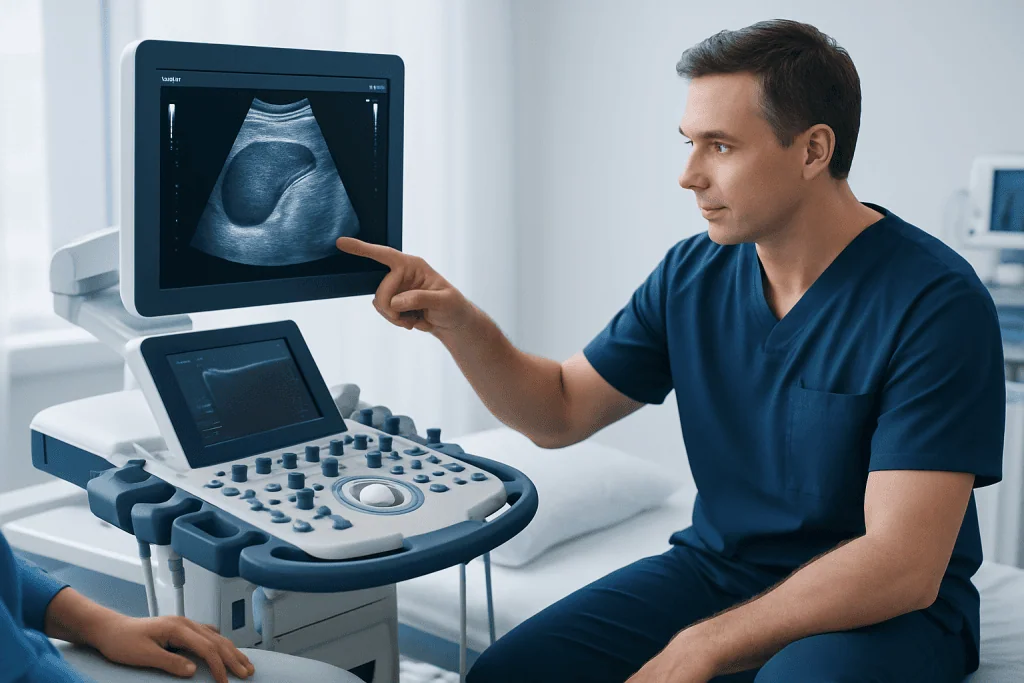
Imaging studies can help detect fatty changes in the liver. Ultrasound is often used first, while more advanced techniques may help estimate fibrosis or liver stiffness. A clinician may also use scoring systems based on blood test results and age to estimate the likelihood of significant scarring.
Because fatty liver can have several causes, doctors may also test for viral hepatitis, autoimmune liver disease, iron overload, and other conditions. This step is important because treatment and long-term outlook can differ depending on the underlying diagnosis.
In selected cases, a liver biopsy may still be recommended to confirm inflammation and assess the degree of liver damage. However, not everyone needs a biopsy. The diagnostic approach is increasingly tailored to the individual and may involve a structured medical check-up or targeted evaluation by liver and metabolic specialists.
Treatment options and long-term management
The main treatment for MASH liver focuses on improving the metabolic factors that drive liver injury. For many patients, gradual weight loss is one of the most effective steps. Even moderate weight reduction may lower liver fat and inflammation, and larger sustained weight loss can improve fibrosis in some cases.
Regular physical activity is recommended even when weight loss is slow. Exercise can improve insulin sensitivity, support heart health, and help reduce liver fat. A balanced eating pattern that emphasizes vegetables, fruits, whole grains, legumes, lean proteins, and healthy fats is often advised. Doctors may also recommend reducing sugary drinks, refined carbohydrates, and heavily processed foods.
Treatment also includes managing associated conditions such as diabetes, high blood pressure, and abnormal cholesterol. Some patients may benefit from medications chosen by their physician for metabolic control or liver-related indications, depending on current medical guidance and their individual health profile. In people with severe obesity, obesity surgery may be considered as part of a broader plan when appropriate.
Follow-up is important because MASH changes over time. Doctors may repeat blood tests, imaging, or noninvasive fibrosis assessments to monitor progress. Near the end of the care pathway, some patients may be referred for multidisciplinary support that includes hepatology, nutrition, endocrinology, and endocrinology and metabolic disease care. Acibadem International’s multidisciplinary specialists and JCI-accredited hospitals also diagnose and treat MASH for international patients.
Prevention and self-care
Prevention of MASH liver centers on protecting metabolic health. Maintaining a healthy weight, staying physically active, and having regular checkups can lower the risk of liver fat buildup and inflammation. These habits support not only the liver but also the heart, blood vessels, and blood sugar control.
Helpful self-care habits often include consistent meals, portion awareness, and a dietary pattern based on minimally processed foods. Adequate sleep and treatment of sleep apnea, if present, may also support metabolic health. People taking supplements or herbal products should discuss them with a doctor because some products can affect the liver.
For patients who already have MASH, self-care does not replace medical treatment, but it plays a major role in long-term improvement. It is generally safest to avoid heavy alcohol use, follow prescribed treatment for diabetes or cholesterol, and keep follow-up appointments even when symptoms are absent.
Because MASH can progress quietly, patients may find it helpful to view self-care as a long-term liver protection plan rather than a short-term diet. Small, sustainable changes are usually more effective than extreme restrictions.
When to seek medical care
Medical advice should be sought if a person has persistent fatigue, unexplained abnormal liver blood tests, or risk factors such as obesity, type 2 diabetes, high triglycerides, or metabolic syndrome. Even without symptoms, those with these risk factors may benefit from discussing liver health during routine care.
Prompt medical review is especially important if there are signs of advanced liver disease, such as yellowing of the skin or eyes, swelling in the abdomen or legs, easy bruising, confusion, or vomiting blood. These symptoms do not always mean MASH is the cause, but they require urgent assessment.
People should also seek care before starting restrictive diets, rapid weight-loss plans, or supplements advertised online for “liver detox.” Many popular claims about liver cleansing are not supported by good evidence, and some products may be ineffective or harmful.
A qualified doctor can confirm whether MASH is present, rule out other causes, and recommend a safe, individualized plan. Early evaluation is often the best way to reduce long-term liver damage and support overall health.
Frequently asked questions
Is MASH liver the same as fatty liver?
Not exactly. MASH is a form of fatty liver disease, but it includes liver inflammation and cell injury in addition to fat buildup. This makes it more likely than simple fatty liver to cause scarring over time.
Can MASH liver be reversed?
In many people, early-stage MASH can improve with sustained lifestyle changes and treatment of related metabolic conditions. Weight loss, exercise, and control of diabetes or cholesterol can reduce liver fat and inflammation. The extent of recovery may depend on how much fibrosis is already present.
What are the early symptoms of MASH liver?
Many people have no early symptoms at all. When symptoms are present, they may include tiredness, low energy, or mild discomfort in the upper right abdomen. Because these signs are nonspecific, testing is often needed to make the diagnosis.
Who is most at risk for MASH liver?
Risk is higher in people with obesity, type 2 diabetes, insulin resistance, high triglycerides, high blood pressure, or metabolic syndrome. A family history and certain genetic factors may also play a role. MASH can affect people of different body sizes, but it is especially common in those with metabolic health problems.
How is MASH liver diagnosed?
Doctors usually begin with a medical history, physical examination, blood tests, and imaging such as ultrasound. They may also use noninvasive tests to estimate liver scarring. In some cases, a liver biopsy is needed to confirm inflammation and assess severity.
Are there medicines for MASH liver?
Treatment often starts with lifestyle measures and management of related conditions such as diabetes and high cholesterol. Depending on the person’s health status and current clinical guidance, a doctor may consider medications as part of the plan. Medicine choices should always be individualized and discussed with a qualified clinician.
This article is for general information only and is not a substitute for professional medical advice. Please consult a qualified doctor about your individual situation.
Explore treatments in Turkey — costs, top hospitals & a free quote
JCI-accredited · board-certified surgeons · reply within 24h
Add us as a Preferred Source to see more of our trusted health content across Google Search, AI Overviews and Discover.
Check your numbers in seconds
BMI, calories, due date, blood pressure and 30+ more clinical calculators — free, instant, doctor-reviewed ranges.

More from the Health Library

Hair Removal — Explained by Medical Evidence, Not Myths

Foot Mask: A Complete Medical Overview

Vraylar: A Complete Medical Overview

Lentils and Rice: An Evidence-Based Guide for Patients

Pericholecystic Fluid — Explained by Medical Evidence, Not Myths