Psoriatic Arthritis: Symptoms, Causes, and Treatment Options

Psoriatic arthritis is an autoimmune inflammatory disease associated with psoriasis. It may cause joint pain, morning stiffness, swelling, fatigue, and nail or skin changes.
Key Takeaways
- Psoriatic arthritis is an autoimmune inflammatory disease associated with psoriasis.
- It may cause joint pain, morning stiffness, swelling, fatigue, and nail or skin changes.
- Symptoms can vary widely, so diagnosis often combines medical history, examination, blood tests, and imaging.
- Treatment may include exercise, physical therapy, anti-inflammatory medicines, and disease-modifying therapies.
- Early specialist care can help prevent joint damage and improve quality of life.
Psoriatic arthritis is a long-term inflammatory condition that affects the joints, tendons, and sometimes the spine in people with psoriasis or a family history of it. Early diagnosis and treatment can reduce pain, protect joints, and help maintain daily function.
Overview
Psoriatic arthritis is a chronic inflammatory arthritis linked to psoriasis, a skin condition that can cause scaly, red, or discolored patches. It develops when the immune system becomes overactive and mistakenly targets joints, tendons, ligaments, and sometimes the spine. Not everyone with psoriasis will develop psoriatic arthritis, but the two conditions are closely related.
The condition can affect people differently. Some have mild symptoms that come and go, while others have more persistent inflammation that interferes with movement and daily activities. Joint symptoms may begin after skin symptoms appear, but in some people arthritis starts first or skin signs are very subtle.
One important feature of psoriatic arthritis is that it may involve more than the joints alone. Inflammation can also affect where tendons and ligaments attach to bone, the fingers or toes as a whole, the nails, and the eyes. Because of this broad pattern, evaluation often involves both rheumatology and dermatology, especially when symptoms overlap with psoriasis.
How Psoriatic Arthritis Can Feel
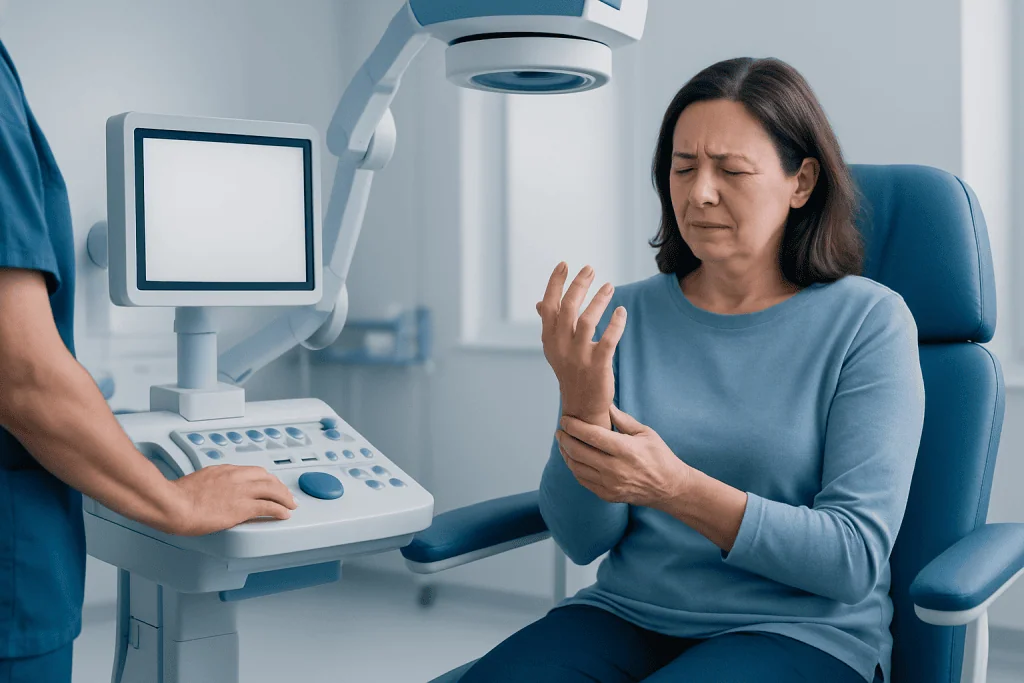
Psoriatic arthritis often causes joint pain, stiffness, warmth, and swelling. Stiffness is commonly worse in the morning or after rest and may improve with gentle movement. Symptoms can affect one joint, several joints, or the spine, and they may shift over time.
Many people notice swelling in the fingers or toes, sometimes called “sausage digits.” Pain can also appear where tendons attach to bone, such as the heel, sole of the foot, elbow, or around the kneecap. This pattern can make walking, climbing stairs, typing, or gripping objects more difficult.
Skin and nail changes can provide important clues. Nail pitting, separation of the nail from the nail bed, or thickened nails may occur along with psoriasis plaques on the scalp, elbows, knees, or other areas. Fatigue is also common and may be related to inflammation, poor sleep, or the strain of chronic pain.
- Joint pain and swelling
- Morning stiffness lasting more than a few minutes
- Swollen fingers or toes
- Heel pain or tendon-related pain
- Back or neck stiffness in some people
- Nail changes and skin psoriasis
Causes and Risk Factors

The exact cause of psoriatic arthritis is not fully understood, but it is considered an immune-mediated disease. Genetics play a role, and the condition tends to occur more often in people who have psoriasis or a family history of psoriasis or inflammatory arthritis. Certain immune pathways that trigger inflammation are known to be involved.
Environmental factors may also contribute in people who are already genetically susceptible. Infections, physical stress, injury to a joint, or other triggers may sometimes appear before symptoms begin, although they do not cause the disease by themselves. Body weight, smoking, and metabolic health can influence inflammation and may affect how active the disease becomes.
Psoriatic arthritis is not contagious, and it is not caused by poor hygiene or a specific diet alone. It can begin at any adult age. Because symptoms may resemble other forms of arthritis, such as rheumatoid arthritis or osteoarthritis, a careful clinical assessment is important.
Diagnosis and Tests
There is no single test that confirms psoriatic arthritis in every person. Doctors usually diagnose it by combining the patient’s symptoms, medical and family history, a physical examination, and selected tests. The pattern of joint involvement, skin findings, nail changes, and tendon pain can all help support the diagnosis.
Blood tests may be used to look for signs of inflammation and to help rule out other conditions. Some people have elevated inflammatory markers, while others do not. Tests such as rheumatoid factor or anti-CCP antibodies may be ordered because psoriatic arthritis can sometimes mimic other inflammatory joint diseases.
Imaging can be useful when joint damage, tendon inflammation, or spinal involvement is suspected. X-rays may show chronic changes, while ultrasound or MRI imaging can detect inflammation earlier in the disease course. In some cases, a specialist in rheumatology evaluation works together with dermatology to assess both skin and joint findings and create a tailored care plan.
Treatment Options
Treatment for psoriatic arthritis aims to reduce inflammation, relieve pain, preserve joint function, and prevent long-term damage. The right approach depends on how active the disease is, which joints are involved, whether the spine or tendons are affected, and how much skin disease is present. Many people benefit from a combination of medical treatment and lifestyle support.
Doctors may recommend anti-inflammatory medicines for symptom relief, especially during flares. If inflammation is ongoing or joints are at risk, disease-modifying antirheumatic drugs or biologic therapies may be used to control the immune response more effectively. These treatments are selected individually after a full medical review, and they usually require regular follow-up to monitor effectiveness and safety.
Physical therapy and targeted exercise can help maintain flexibility, strength, and posture. People with foot pain, hand stiffness, or spine symptoms may benefit from specific rehabilitation strategies, and some are referred for physical therapy and rehabilitation. When psoriasis is also active, combined care with dermatology care may improve both skin and joint outcomes.
Prevention, Self-care, and Living Well
There is no guaranteed way to prevent psoriatic arthritis, but some self-care steps can support treatment and overall health. Regular low-impact activity such as walking, swimming, cycling, or stretching can help reduce stiffness and maintain joint mobility. Rest is also important during flares, especially when joints are swollen or painful.
Weight management may reduce stress on the joints and can help improve inflammation in some people. Good sleep habits, stopping smoking, and managing stress are also helpful because fatigue and flare patterns are often influenced by general health. People who have psoriasis should tell a doctor promptly if they develop new joint symptoms, heel pain, or swollen fingers or toes.
It is also useful to keep track of symptoms over time. Noting when pain starts, how long morning stiffness lasts, and whether nail or skin changes worsen can help doctors adjust treatment. Long-term care works best when follow-up is regular and treatment goals are reviewed together with the healthcare team.
When to Seek Medical Care
A person should seek medical care if joint pain, swelling, or stiffness lasts more than a few weeks, especially if there is a history of psoriasis or a family history of psoriatic disease. New heel pain, swollen fingers or toes, or back stiffness that improves with movement can also be warning signs of inflammatory arthritis rather than everyday strain.
Prompt assessment matters because untreated inflammation can gradually damage joints and reduce mobility. Medical attention is also important if symptoms interfere with sleep, work, walking, or hand use, or if eye redness and pain occur, as this may need urgent evaluation.
For people seeking coordinated care, Acibadem International’s multidisciplinary specialists in rheumatology, dermatology, imaging, and rehabilitation diagnose and treat psoriatic arthritis in JCI-accredited hospitals for international patients. A qualified doctor can confirm the diagnosis, discuss treatment choices, and help build a long-term plan that fits the person’s symptoms and lifestyle.
Frequently asked questions
What is psoriatic arthritis?
Psoriatic arthritis is an inflammatory joint disease associated with psoriasis. It can affect joints, tendons, ligaments, and sometimes the spine, causing pain, swelling, and stiffness.
Can psoriatic arthritis happen without obvious psoriasis?
Yes. Some people develop joint symptoms before noticeable skin symptoms, and others may have very mild psoriasis that is easy to overlook. A family history of psoriasis can also be an important clue.
Is psoriatic arthritis the same as rheumatoid arthritis?
No. Both are inflammatory arthritis conditions, but they have different patterns and may affect the body differently. Psoriatic arthritis is more closely linked to psoriasis, nail changes, tendon pain, and swelling of whole fingers or toes.
Can psoriatic arthritis be cured?
There is no permanent cure at present, but many treatments can control inflammation and reduce symptoms. Early and ongoing treatment may help prevent joint damage and support a good quality of life.
What triggers psoriatic arthritis flares?
Triggers vary from person to person and may include stress, infections, skin flares, poor sleep, or physical strain. Sometimes no clear trigger is found, which is why symptom tracking can be useful.
What kind of doctor treats psoriatic arthritis?
Psoriatic arthritis is commonly treated by a rheumatologist. Because skin and nail symptoms are often involved, a dermatologist may also be part of the care team.
References
- National Institute of Arthritis and Musculoskeletal and Skin Diseases
- American College of Rheumatology
- National Psoriasis Foundation
- Mayo Clinic
- NHS
This article is for general information only and is not a substitute for professional medical advice. Please consult a qualified doctor about your individual situation.
Psoriatic Arthritis in Turkey — costs, top hospitals & a free quote
JCI-accredited · board-certified surgeons · reply within 24h
Add us as a Preferred Source to see more of our trusted health content across Google Search, AI Overviews and Discover.

Physical Medicine & Rehabilitation
Restoring movement and function after injury, surgery or neurological conditions.
150 specialists in this unit