Puerperal Sepsis — Explained by Medical Evidence, Not Myths

Puerperal sepsis is a postpartum infection that can spread quickly and needs urgent medical assessment. Common warning signs include fever, pelvic or abdominal pain, foul-smelling vaginal discharge, chills, fast heartbeat, and feeling unusually weak or confused.
Key Takeaways
- Puerperal sepsis is a postpartum infection that can spread quickly and needs urgent medical assessment.
- Common warning signs include fever, pelvic or abdominal pain, foul-smelling vaginal discharge, chills, fast heartbeat, and feeling unusually weak or confused.
- Risk rises after prolonged labor, cesarean birth, retained tissue, heavy bleeding, anemia, or procedures involving the uterus.
- Diagnosis is based on symptoms, examination, blood tests, cultures, and imaging when needed.
- Treatment usually includes antibiotics, fluids, and care of the infection source; severe cases may need hospital monitoring.
- Good birth hygiene, follow-up care, and seeking help early can reduce complications.
Puerperal sepsis is an infection of the genital tract or nearby tissues that develops after childbirth, miscarriage, or abortion and can become severe if not treated quickly. Medical evidence shows that early recognition, antibiotics, and supportive care greatly improve outcomes, which is why new fever, worsening pain, foul-smelling discharge, or feeling very unwell after delivery should never be ignored.
What puerperal sepsis means
Puerperal sepsis is a serious infection that happens after childbirth, most often within the first days or weeks after delivery. It usually starts in the uterus, cervix, vagina, or surrounding tissues after birth, but it can spread into the bloodstream and affect the whole body if not treated promptly. In everyday language, it is one of the important forms of postpartum infection.
The term “puerperal” refers to the postpartum period, when the body is recovering from pregnancy and delivery. During this time, the inside of the uterus is healing, the cervix is still closing, and small tears or surgical wounds may be present. These changes can make it easier for bacteria to enter and grow.
Puerperal sepsis is not the same as normal postpartum discomfort. Mild cramping, bleeding that gradually lessens, and tiredness are common after birth. In contrast, infection tends to cause symptoms that are getting worse rather than better, especially fever, worsening pain, unpleasant-smelling discharge, or a general sense of being acutely unwell.
This condition can follow vaginal birth or cesarean birth, and it may also occur after miscarriage or abortion. Because it can progress quickly, the safest approach is early medical review whenever infection is suspected. It belongs to the broader group of sepsis-related conditions when the body has a severe response to infection.
How it develops after childbirth
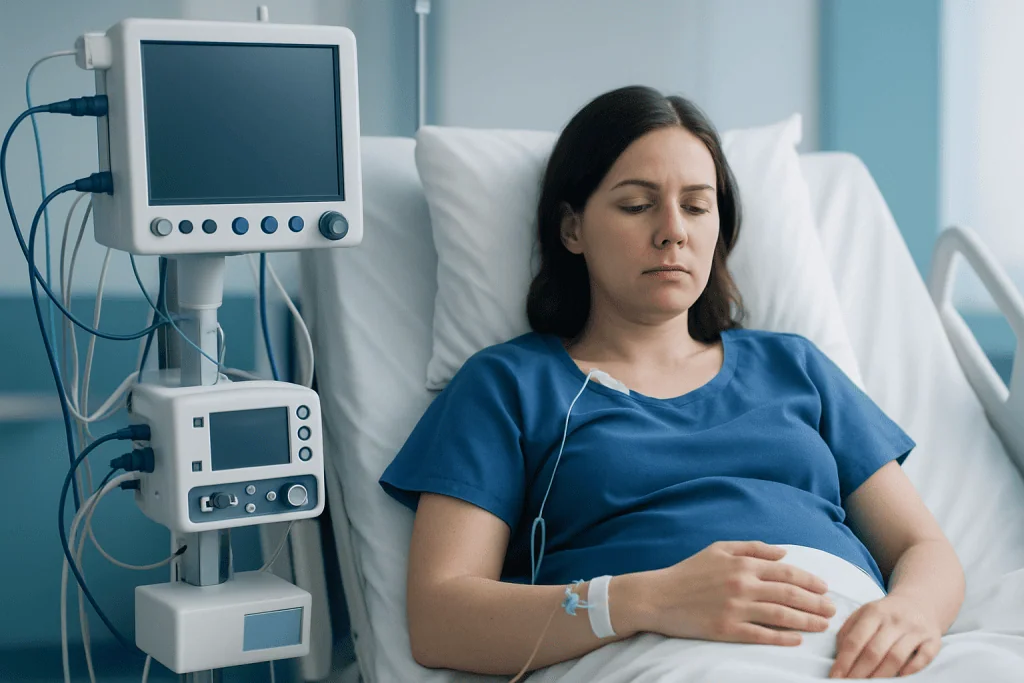
After delivery, the placental site inside the uterus is essentially a healing wound. Bacteria that are normally present on the skin or in the genital tract can sometimes enter this area, especially if labor was long, membranes were ruptured for many hours, or instruments or repeated vaginal examinations were needed. Once bacteria multiply, inflammation increases and symptoms begin.
The infection may remain localized, such as endometritis, which is infection of the uterine lining, or it may involve a cesarean wound, episiotomy, perineal tear, urinary tract, or surrounding pelvic tissues. In some cases, retained placental tissue acts as a focus for continued infection. If the body cannot control the infection, bacteria or inflammatory chemicals may spread through the bloodstream.
That spread is what makes puerperal sepsis especially important to recognize. Sepsis can affect circulation, breathing, kidney function, and mental alertness. This is why clinicians treat postpartum infection seriously even when the first symptoms seem non-specific, such as fever, chills, or unusual fatigue.
Importantly, puerperal sepsis is caused by infection, not by myths about “unclean blood,” emotional stress, or ordinary postpartum bleeding. Clear, evidence-based care focuses on identifying the likely source, treating the infection quickly, and supporting the body while it recovers.
Symptoms and warning signs
Symptoms can begin soon after delivery or appear over the following days. The most common warning sign is fever, but not every person with a significant infection will have a high temperature at first. A postpartum person may instead notice increasing lower abdominal or pelvic pain, chills, a racing heartbeat, or a strong feeling that something is wrong.
Vaginal discharge may become foul-smelling, heavier than expected, or associated with tenderness of the uterus. Some people have redness, swelling, pus, or increasing pain at a cesarean incision or perineal wound. Others may develop burning with urination, difficulty passing urine, cough, or breast pain if the source of infection is elsewhere.
Symptoms that suggest more severe illness include rapid breathing, dizziness, faintness, confusion, severe weakness, reduced urine output, or mottled or very pale skin. These signs may indicate that infection is affecting the whole body and should be treated as urgent.
- Fever or chills after childbirth
- Worsening pelvic, abdominal, or wound pain
- Foul-smelling vaginal discharge
- Fast heart rate or rapid breathing
- Feeling unusually weak, dizzy, or confused
- Redness, swelling, or discharge from a wound
Causes and risk factors
Puerperal sepsis is usually caused by bacteria, and more than one type may be involved at the same time. Infection may arise from bacteria already present in the genital tract or from organisms introduced during labor, delivery, or a procedure. Common sources include uterine infection after birth, a cesarean wound infection, urinary tract infection, or infection in tears or episiotomy sites.
Risk is higher when labor is prolonged, the membranes have been ruptured for a long time before delivery, or there have been many internal examinations during labor. Cesarean delivery generally carries a higher infection risk than uncomplicated vaginal birth because it involves surgery. Retained placental tissue, heavy postpartum bleeding, anemia, diabetes, obesity, or immune suppression can also increase vulnerability.
Any procedure involving the uterus can raise risk, including manual removal of the placenta or treatment after miscarriage. People with poor nutrition or limited access to clean delivery conditions and timely follow-up may face additional risk. However, puerperal sepsis can occur even when care has been appropriate, so symptoms should still be taken seriously without self-blame.
In some situations, clinicians may need to distinguish puerperal sepsis from other postpartum problems, such as endometriosis in people with pre-existing pelvic pain patterns or non-infectious causes of fever. The timing after birth, the pattern of symptoms, physical examination, and tests help guide this distinction.
How doctors diagnose puerperal sepsis
Diagnosis begins with a careful history and physical examination. A doctor will ask when symptoms started, how the delivery happened, whether there was a cesarean section or perineal tear, and whether the bleeding, discharge, pain, or fever has changed. Examination may include checking the abdomen, uterus, wounds, blood pressure, pulse, breathing rate, and overall mental alertness.
Blood tests are commonly used to look for signs of infection and its effect on the body. These may include a complete blood count, inflammatory markers, kidney and liver function tests, and blood cultures if sepsis is suspected. Urine testing and cultures may help identify a urinary source, while swabs or wound samples may be taken when discharge is present.
Imaging is sometimes needed, especially if the person is not improving as expected or doctors suspect retained tissue, a pelvic abscess, or another complication. Pelvic ultrasound is often the first imaging test in this setting. In more complex cases, advanced MRI or CT imaging may help evaluate deep pelvic infection or collections of pus.
Because severe infection can worsen quickly, doctors do not always wait for every test result before starting treatment. Clinical judgment is central: if puerperal sepsis is suspected, timely antibiotics and supportive care are usually started right away while tests continue.
Treatment options and recovery
Treatment depends on how severe the infection is and where it started, but antibiotics are the mainstay. Doctors often begin with broad-spectrum antibiotics that cover the bacteria most likely to cause postpartum infection. If culture results later identify the organism, treatment may be adjusted to match it more precisely.
Supportive care is equally important. This may include intravenous fluids, pain relief, fever control, oxygen if needed, and close monitoring of blood pressure, heart rate, breathing, and urine output. If the infection is severe or there are signs of sepsis, hospital treatment is usually necessary so the person can be observed closely and treated promptly.
Some cases require treatment of the source of infection, not just antibiotics. Retained placental tissue may need removal, an infected wound may need drainage and cleaning, and an abscess may need a procedure to drain it. In selected situations, hysteroscopy or other gynecologic procedures can help assess and manage retained material inside the uterus.
Recovery time varies. Many people improve within days of starting appropriate treatment, but fatigue can last longer, especially after a difficult delivery or severe infection. Follow-up is important to confirm that fever has resolved, bleeding and discharge are settling, wounds are healing, and no late complications remain. Near the end of the care pathway, some international patients may seek evaluation in centers such as Acibadem International, where multidisciplinary specialists in JCI-accredited hospitals diagnose and treat complex postpartum infections.
Prevention and self-care after delivery
Prevention begins with good obstetric care and infection-control practices during labor and delivery. Hand hygiene, sterile technique during procedures, appropriate antibiotic prophylaxis for cesarean birth when indicated, and careful management of prolonged labor all reduce risk. After delivery, follow-up helps identify problems before they become more serious.
At home, self-care focuses on observing the body during recovery. Rest, hydration, gentle activity as advised, and changing pads regularly can support comfort and hygiene. Hands should be washed before and after pad changes or wound care, and cesarean or perineal wounds should be kept clean and monitored for redness, swelling, or discharge.
It is also helpful to know what is normal. Vaginal bleeding usually becomes lighter over time rather than heavier, and cramping should gradually improve. A worsening smell, increasing pain, new fever, or feeling faint is not part of ordinary healing and should not be dismissed as a routine postpartum change.
Anyone with conditions that raise infection risk, such as diabetes, anemia, or immune suppression, may benefit from especially close postpartum review. Questions about breastfeeding, medications, or wound care should be discussed with a qualified doctor or midwife rather than relying on myths or non-medical advice.
When to seek medical care
Medical care should be sought promptly for fever after childbirth, worsening lower abdominal pain, foul-smelling vaginal discharge, or increasing redness and pain around a wound. These symptoms may indicate puerperal sepsis or another postpartum infection that needs assessment and treatment.
Urgent care is especially important if there is shortness of breath, chest pain, rapid breathing, fainting, confusion, severe weakness, heavy bleeding, or the person cannot keep fluids down. These can be signs of serious illness and should not wait for a routine appointment.
If symptoms seem mild but are new or persistent, it is still reasonable to contact a doctor, maternity unit, or emergency service for guidance. Postpartum recovery varies, but a sudden change for the worse is a good reason to be checked. Early treatment is one of the most effective ways to prevent complications.
People who have recently had a cesarean section, difficult labor, retained placenta, or treatment for a miscarriage should be especially alert to changes in pain, bleeding, discharge, or fever. If there is uncertainty, it is safer to ask for medical review than to wait and see.
Frequently asked questions
Is puerperal sepsis the same as a normal postpartum infection?
Puerperal sepsis refers to a postpartum infection that is clinically significant and may become severe if untreated. Some postpartum infections stay localized and mild, while puerperal sepsis suggests a more serious picture that needs prompt medical attention.
How soon after giving birth can puerperal sepsis happen?
It most often develops in the first few days after delivery, but it can appear later in the first weeks postpartum. Any new fever, worsening pain, or foul-smelling discharge during this period should be assessed.
Can puerperal sepsis happen after a vaginal birth?
Yes. Although the risk is generally higher after cesarean delivery, puerperal sepsis can occur after vaginal birth, especially if labor was prolonged, membranes were ruptured for a long time, or retained tissue is present.
What is the first treatment for puerperal sepsis?
Doctors usually start antibiotics quickly, often before all test results are back, because delay can allow the infection to worsen. Fluids, monitoring, and treatment of the source of infection are also important parts of care.
Can puerperal sepsis affect breastfeeding?
Many people with postpartum infection can continue breastfeeding, but the safest approach depends on how ill they are and which medicines are needed. A doctor can advise on breastfeeding compatibility and practical feeding support during treatment.
Can puerperal sepsis be prevented completely?
Not every case can be prevented, but good delivery hygiene, appropriate medical care, and early recognition of symptoms reduce the risk substantially. Follow-up after birth and seeking help quickly for concerning signs are key protective steps.
References
- World Health Organization
- American College of Obstetricians and Gynecologists
- Centers for Disease Control and Prevention
- Royal College of Obstetricians and Gynaecologists
- Merck Manual Professional Edition
This article is for general information only and is not a substitute for professional medical advice. Please consult a qualified doctor about your individual situation.
Explore treatments in Turkey — costs, top hospitals & a free quote
JCI-accredited · board-certified surgeons · reply within 24h
Add us as a Preferred Source to see more of our trusted health content across Google Search, AI Overviews and Discover.
Check your numbers in seconds
BMI, calories, due date, blood pressure and 30+ more clinical calculators — free, instant, doctor-reviewed ranges.

More from the Health Library



Related Specialists

Dr. Abdülkadir Oran
Otorhinolaryngology
Dr. Ahmet Hakan Eren
Pulmonary Medicine
Dr. Filiz Gösterişli
Anesthesiology
Dr. Nıloufar Poat Kısomı
Emergency Service