Pulled Chest Muscle Symptoms in Women
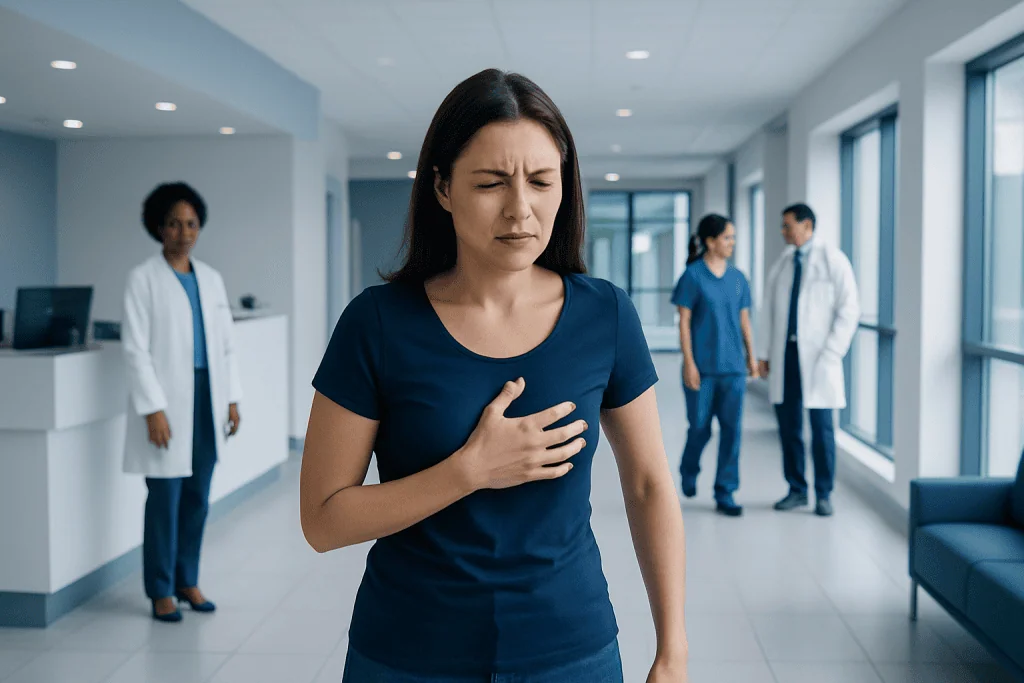
A pulled chest muscle usually causes localized pain that can be reproduced by pressing on the area or moving the upper body. Heavy lifting, repetitive arm movements, coughing, exercise, and direct injury can strain chest wall muscles.
Key Takeaways
- A pulled chest muscle usually causes localized pain that can be reproduced by pressing on the area or moving the upper body.
- Heavy lifting, repetitive arm movements, coughing, exercise, and direct injury can strain chest wall muscles.
- Women can also have heart-related symptoms that are less typical than crushing central chest pain, including breathlessness, nausea, fatigue, or back and jaw discomfort.
- Rest, gentle activity modification, and appropriate pain relief may help a mild strain, but recovery can take days to several weeks.
- Urgent medical assessment is needed for chest pressure, shortness of breath, fainting, sweating, or pain spreading to the arm, jaw, back, or shoulder.
Symptoms of pulled chest muscle female commonly include a tender, aching, or sharp pain in the chest wall that becomes more noticeable with arm movement, twisting, coughing, or deep breathing. Although a muscle strain is often the cause after overuse or an injury, new or unexplained chest pain should never be assumed to be muscular without considering other possible causes.
Overview: What Does a Pulled Chest Muscle Feel Like?
Symptoms of pulled chest muscle female most often involve pain in the muscles between the ribs, the pectoral muscles at the front of the chest, or muscles where the chest meets the shoulder. The discomfort may start suddenly after lifting, exercising, reaching, or coughing forcefully. It may also develop gradually after repeated activity that overloads the muscle.
A chest muscle strain can feel sharp at first and then become sore, tight, or achy. The pain is often limited to one small area and becomes worse when the person moves the arm, twists the torso, takes a deep breath, laughs, coughs, or presses on the sore spot. This pattern can help suggest a chest wall source, but it cannot safely rule out heart, lung, breast, digestive, or other medical causes of chest discomfort.
People sometimes use the term “pulled muscle” for a minor overstretching injury. Clinically, a strain can range from mild irritation of muscle fibers to a more substantial partial tear. Severe tears are less common and may cause marked weakness, bruising, swelling, or a change in the shape of the chest or upper arm.
Common Symptoms and How They May Present
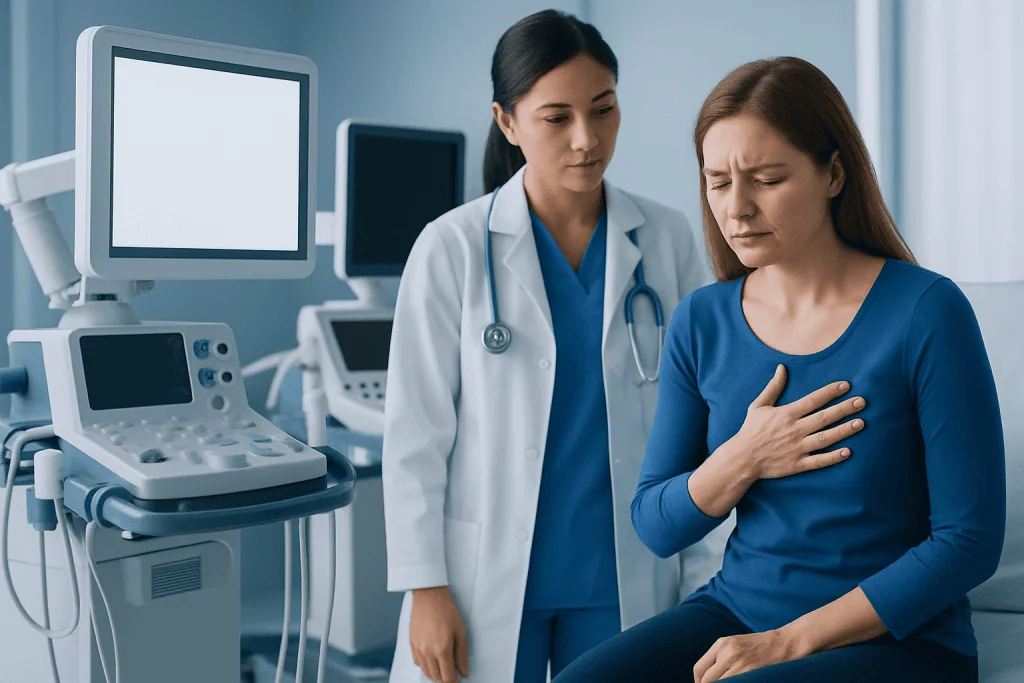
The main symptom is pain that is affected by body movement. A person may notice discomfort when pushing a door, carrying a bag, lifting a child, doing a chest exercise, reaching overhead, or turning in bed. Pain can be felt near the breastbone, beneath or around a breast, along the ribs, near the collarbone, or toward the front of the shoulder.
Other possible symptoms include muscle tenderness, stiffness, a sensation of tightness, mild swelling, and pain on deep inhalation. Some people notice a brief pulling, popping, or tearing feeling at the time of injury. A pop followed by substantial bruising, weakness, or difficulty moving the arm deserves prompt clinical assessment.
- Localized pain that can often be reproduced by touch or movement
- Soreness that increases after activity and improves with rest
- Discomfort with coughing, sneezing, laughing, or deep breathing
- Reduced comfort or range of movement in the shoulder and upper chest
- Occasionally, bruising or swelling after a more significant injury
Chest muscle pain can be uncomfortable and may feel worrying because of its location. However, tenderness on pressing the chest wall and pain that reliably changes with movement are more typical of a muscle or rib-related problem than of heart pain. They are not absolute proof, so symptoms should be considered in the full clinical context.
Common Triggers and Risk Factors in Women

A strain may follow an unfamiliar or sudden physical demand. Common triggers include weight training, push-ups, swimming, rowing, racquet sports, moving furniture, lifting heavy shopping bags, carrying a baby or child, or repetitive work involving the arms and upper body. Poor technique, inadequate recovery between workouts, and quickly increasing exercise intensity can raise the likelihood of injury.
Forceful or prolonged coughing from a respiratory infection, asthma flare, or other illness can also strain the muscles between the ribs. A fall, impact to the chest, or motor vehicle collision can cause muscle injury as well as rib injuries, so pain after trauma should be assessed when it is severe, persistent, or associated with breathing difficulty.
Breast size, breast surgery, pregnancy-related body changes, and breastfeeding posture may alter how the chest, shoulders, and upper back are loaded during daily activities. These factors do not directly cause a muscle tear, but they can contribute to muscle fatigue, rounded-shoulder posture, or repetitive strain. Hormonal changes may also affect comfort in breast tissue, which can make it harder to identify whether pain is muscular or breast-related.
Less commonly, chest symptoms may be related to inflammation of the cartilage connecting the ribs to the breastbone, often called costochondritis. This can cause tenderness and pain with movement or deep breaths, but a clinician may need to exclude other causes before confirming it.
Chest Muscle Strain or Another Cause?
Not every pain near the chest is caused by a pulled muscle. The heart, lungs, digestive tract, breast tissue, ribs, nerves, skin, and upper spine can all contribute to symptoms in this area. A medical professional considers the location, timing, triggers, personal health history, examination findings, and, when needed, tests to identify the cause safely.
Heart-related symptoms in women may be more varied than the commonly recognized image of severe central crushing chest pain. Some women experience pressure, tightness, unusual shortness of breath, nausea, indigestion-like discomfort, light-headedness, unexplained sweating, marked fatigue, or pain in the jaw, back, shoulder, or arm. These symptoms require urgent attention, especially if they are new, persistent, or linked to exertion.
Lung-related problems can cause pain that worsens with breathing, particularly when accompanied by breathlessness, coughing blood, fever, or a rapid heartbeat. Acid reflux may cause burning behind the breastbone after meals or when lying down. Breast pain can vary with the menstrual cycle, but a new breast lump, skin change, nipple discharge, or persistent focal breast pain should be discussed with a clinician.
Anxiety can also cause real chest tightness, rapid breathing, palpitations, and muscle tension. Even when stress appears to be involved, it is important not to self-diagnose anxiety as the reason for new chest symptoms before serious physical causes have been considered.
How a Pulled Chest Muscle Is Diagnosed
For a straightforward mild strain, diagnosis is often based on the person’s account of the onset, recent activities, and a physical examination. A clinician may gently assess the tender area, shoulder movement, strength, breathing, posture, ribs, and upper back. Pain that occurs with specific movements and localized pressure can support a chest wall diagnosis.
The clinician will also ask about symptoms that could indicate a heart, lung, or digestive condition, such as shortness of breath, palpitations, fever, fainting, nausea, or pain related to exertion. Medical history matters, including high blood pressure, diabetes, high cholesterol, smoking, pregnancy or recent childbirth, previous blood clots, family history of heart disease, and use of certain medicines.
Imaging is not always necessary for a minor strain. However, a chest X-ray, ultrasound, electrocardiogram, blood tests, or other examinations may be appropriate if there has been significant trauma, a suspected rib injury, a visible deformity, severe pain, breathing symptoms, or concern about a non-muscular cause. Testing is chosen to answer the clinical question rather than routinely performed for every muscle injury.
Treatment, Recovery, and Everyday Self-Care
Most mild chest muscle strains improve with relative rest. This means avoiding activities that clearly trigger or worsen pain, while continuing gentle daily movement as tolerated. Complete inactivity for a prolonged period can increase stiffness, so gradual return to comfortable movement is generally preferable once serious causes have been excluded.
During the first day or two after an acute strain, a wrapped cold pack may reduce discomfort for some people. Later, gentle warmth can feel soothing for muscle tightness. Over-the-counter pain relievers may be suitable for some adults, but the safest option depends on medical conditions, pregnancy status, allergies, and other medicines. A pharmacist or clinician can help determine whether a particular product is appropriate.
When pain begins to settle, gentle shoulder and chest mobility exercises may help restore movement. Strength training should restart gradually, with attention to posture, warm-up, technique, and manageable loads. Trying to “push through” sharp pain may prolong recovery or worsen an injury.
A minor strain may settle within days to a few weeks, while more significant injuries can take longer. A clinician or physiotherapist may recommend a personalized rehabilitation plan if pain persists, movement remains limited, or the injury repeatedly returns. Acibadem International’s multidisciplinary specialists and JCI-accredited hospitals can assess chest symptoms and coordinate treatment for international patients when needed.
When to Seek Medical Care
Emergency medical care is needed for chest pressure, heaviness, squeezing, or severe pain, particularly if it lasts more than a few minutes, occurs with activity, or is accompanied by shortness of breath, sweating, nausea, fainting, confusion, or pain spreading to the arm, jaw, back, neck, or shoulder. These symptoms may indicate a serious heart or lung problem and should not be managed as a suspected muscle strain at home.
Urgent assessment is also important for sudden breathlessness, coughing blood, a very rapid or irregular heartbeat, blue or gray lips, fever with worsening chest pain, or chest pain following a major injury. People who are pregnant, recently gave birth, have a history of blood clots, or have known heart or lung disease should be especially cautious about new chest symptoms.
A non-urgent medical appointment is advisable if pain does not improve with rest, lasts longer than expected, repeatedly returns, interferes with sleep or normal activities, or follows a pop with bruising or weakness. A breast examination is also appropriate for a new lump, persistent one-sided breast pain, skin dimpling, redness, nipple changes, or discharge that is not related to breastfeeding.
Frequently asked questions
How can a woman tell if chest pain is a pulled muscle?
A pulled chest muscle is more likely when pain began after activity, lifting, exercise, coughing, or an injury and is worse with pressing the area, moving the arm, twisting, or taking a deep breath. However, these features do not completely exclude heart or lung causes. New, unexplained, severe, or persistent chest pain should be medically assessed.
Can a pulled chest muscle cause pain under the breast?
Yes. The chest wall muscles and muscles between the ribs can cause pain beneath or around a breast, particularly with movement, coughing, or deep breathing. Breast tissue, ribs, skin conditions, and digestive problems can also cause discomfort in this region, so persistent or unusual pain should be discussed with a healthcare professional.
How long do pulled chest muscle symptoms last?
A mild strain may improve over several days and continue settling over a few weeks. Recovery can take longer if the injury is more significant or if the area is repeatedly stressed before it heals. Worsening pain, weakness, bruising, or lack of improvement should prompt a clinical review.
Is it safe to exercise with a strained chest muscle?
It is usually best to pause exercises that directly cause chest pain, such as heavy pressing, push-ups, or strenuous upper-body training. Gentle walking and comfortable movement may be appropriate if they do not worsen symptoms. A gradual return to exercise is safer once pain and movement have improved.
Can coughing pull a chest muscle?
Yes. Repeated or forceful coughing can strain the muscles between the ribs and the muscles at the front of the chest. If cough-related chest pain is accompanied by breathlessness, fever, coughing blood, or worsening illness, medical assessment is important.
When is chest pain in women an emergency?
Chest pain is an emergency when it feels like pressure, heaviness, squeezing, or severe discomfort, or when it occurs with shortness of breath, nausea, sweating, fainting, or pain spreading to the jaw, arm, shoulder, neck, or back. Women may also have less typical heart-related symptoms, including sudden unusual fatigue or indigestion-like discomfort. Emergency services should be contacted rather than waiting to see if these symptoms pass.
This article is for general information only and is not a substitute for professional medical advice. Please consult a qualified doctor about your individual situation.
Explore treatments in Turkey — costs, top hospitals & a free quote
JCI-accredited · board-certified surgeons · reply within 24h
Add us as a Preferred Source to see more of our trusted health content across Google Search, AI Overviews and Discover.

More from the Health Library

Do Grapes Make You Poop? Here Is What the Evidence Says

How Long Does It Take Dissolve Stitches to Dissolve? A Doctor-Reviewed Answer

What Is Heart of Palm? Here Is What the Evidence Says

Are Olives Good for You? Here Is What the Evidence Says

Why Do I Feel Sick Every Time I Eat? Causes, Explanations, and Next Steps

Is Orange Juice Good for Sore Throat? A Doctor-Reviewed Answer
Orthopedic Surgery & Traumatology Specialists at Acibadem

Assoc. Prof. Dr. Ali Şahin
Orthopedic Surgery & Traumatology
Dr. Alp Er Tunga Bölükbaşı
Orthopedic Surgery & Traumatology
Dr. Alper Gölpınar
Orthopedic Surgery & Traumatology
Prof. Dr. Alper Kaya
Orthopedic Surgery & Traumatology